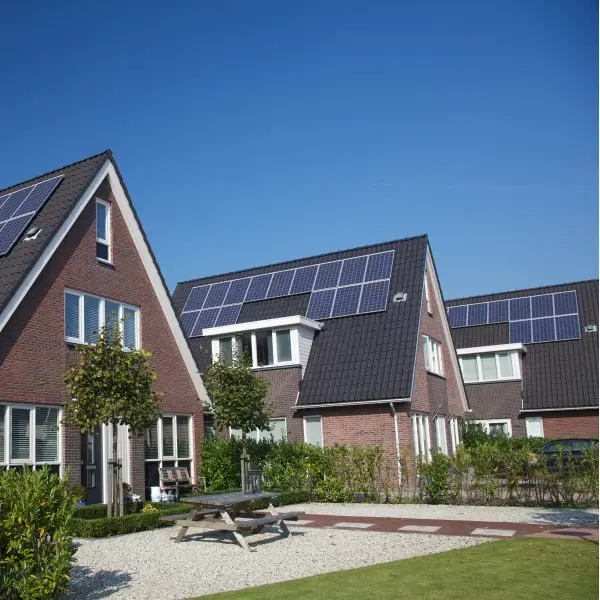
The global energy sector is transitioning from carbon-intensive power generation to distributed, high-efficiency solar infrastructures. Within this clean-energy matrix, photovoltaic (PV) glass panels have emerged as critical components. Historically utilized purely as protective front sheets for conventional silicon cells, modern PV glass has evolved into an active, functional medium that governs energy conversion rates, physical longevity, and building integration potentials. In industrialized nations across Europe, North America, and parts of the Asia-Pacific, carbon-neutrality mandates have pushed BIPV (Building Integrated Photovoltaics) from a niche architectural choice to a standardized building code requirement.
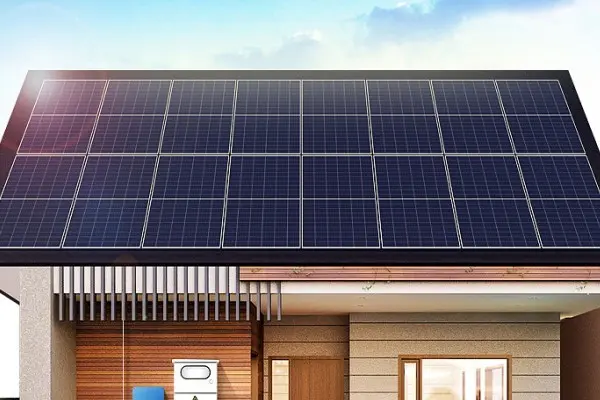
Today's smart cities demand materials that serve a dual purpose: structural robustness and active grid generation. CdTe (Cadmium Telluride) thin-film solar glass is leading this shift. Known for its low thermal coefficient and superior performance in low-light conditions, CdTe thin-film modules operate efficiently in environments where conventional silicon panels experience thermal degradation. The integration of PV glass panels within modern structural facades, skylights, and industrial roofing is reshaping urban architecture into distributed, self-sustaining power stations.
Choosing the right PV glass panel requires understanding the physics of light absorption and architectural load requirements. CdTe thin-film modules feature a semiconductor layer optimized at a 1.45 eV bandgap, matching the solar spectrum's photon distribution. This allows for high absorption rates with a fraction of the material thickness compared to silicon cells.
Optical and Thermal Metrics: High-efficiency PV glass panels use low-iron float glass with a total iron content below 100 ppm, yielding a light transmittance exceeding 91.5%. Applying a sol-gel anti-reflective coating (ARC) minimizes reflection losses at wide angles, maximizing power generation in morning and late afternoon hours.
Mechanical and Safety Parameters: Tempered PV glass offers structural resilience. Meeting IEC 61215 and IEC 61730 certifications, our glass panels withstand wind loads up to 5400 Pa and snow loads of 2400 Pa. They deliver Class A fire ratings, essential for high-rise commercial installations.

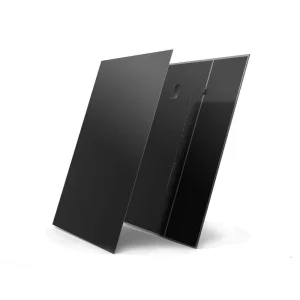
Engineered for high-efficiency light transmission, thermal stability, and mechanical strength, optimizing energy capture in diverse climatic conditions.
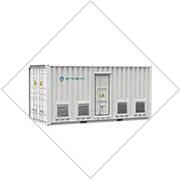
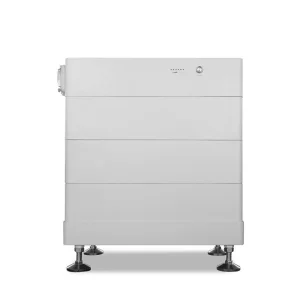
Utility-scale battery energy storage systems integrated in shipping containers, providing grid stabilization and peak-shaving capabilities.
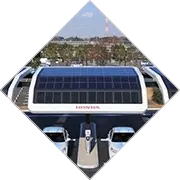
Combines overhead solar shading with active EV charging integration, creating functional green spaces for commercial properties.
Established in 2019, headquartered in Xiamen, China, Elemro Energy specializes in new energy storage and electrical product solutions. We operate as a market leader, unifying R&D, production, and sales to support cleaner energy initiatives worldwide.
Our solutions serve over 250 customers across Europe, Southeast Asia, Africa, the Middle East, and the Americas. ELEMRO's annual turnover exceeded 50 million USD in 2023, reflecting our commitment to quality and technical reliability.
Connect With Our ExpertsEstablished Year
2023 Turnover
Global Customers
Glass Transmittance
The commercial viability of large-scale solar construction depends heavily on initial capital expenditure (CAPEX). China's PV industrial cluster, particularly centered around coastal logistics centers like Fujian (Xiamen), provides significant supply chain advantages. Our proximity to key high-purity quartz reserves and raw materials minimizes upstream logistics costs, which are typically passed on to buyers in fragmented markets.
Advanced manufacturing facilities in China leverage vertical integration, combining continuous automated float glass lines, online defect scanning, precision tempering furnaces, and thin-film deposition tools into single-site workflows. This eliminates transit risks between float lines and tempering facilities, maintaining high glass flatness and minimizing micro-fracture rates. In contrast to localized Western manufacturing, which often deals with high energy rates and specialized labor shortages, Xiamen's manufacturing cluster delivers cost efficiency without sacrificing quality standards.
Modern PV glass installations face challenging environmental conditions. Sourcing strategies must account for regional climates to ensure system performance:
Double-glass PV panels resist salt-spray corrosion and high humidity, preventing moisture ingress in seaside environments.
Heat-strengthened, 4mm-thick fully tempered glass structures absorb shear winds, suitable for high-rise building envelopes.
Low temperature coefficient (-0.25%/°C) ensures stable performance in desert climates, outperforming typical silicon options.
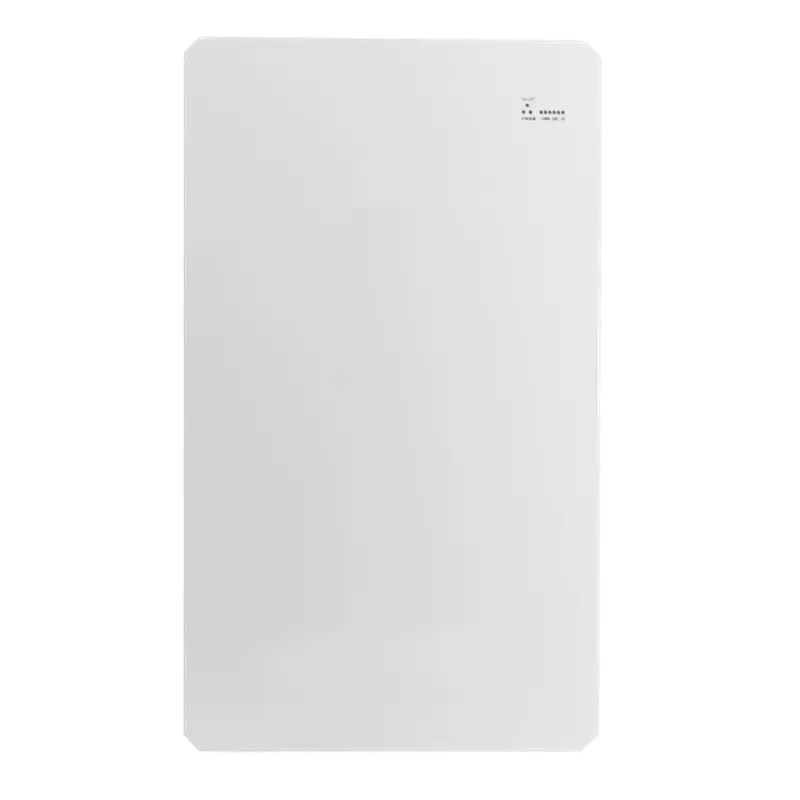
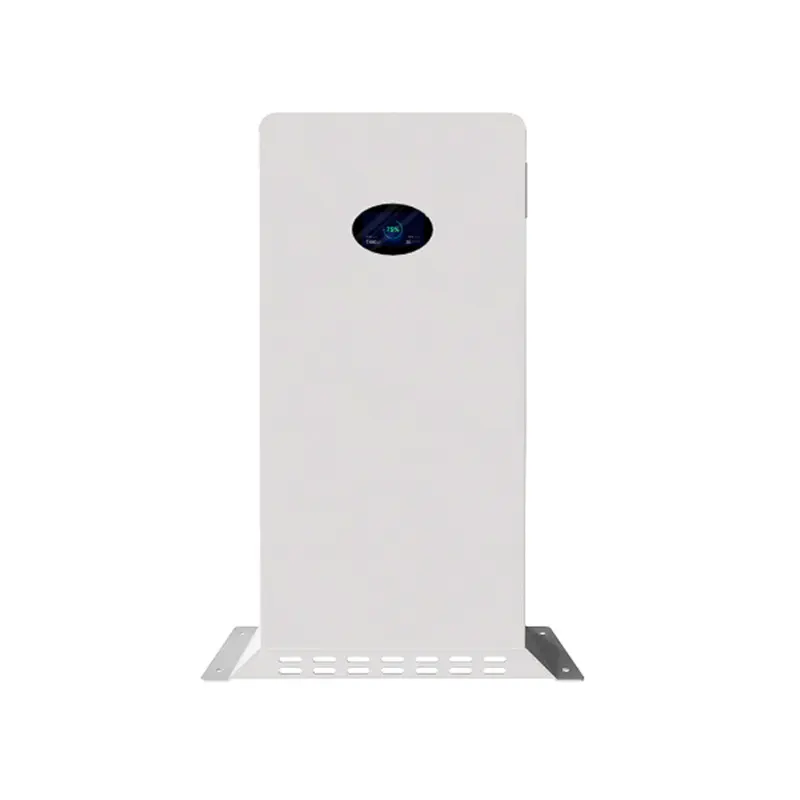
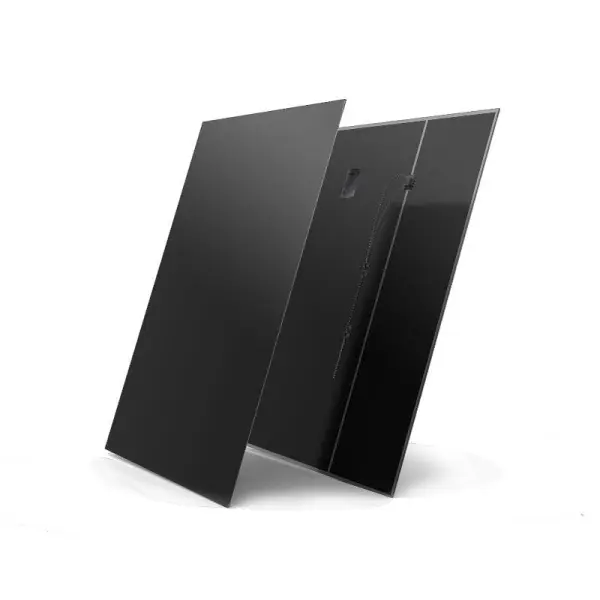
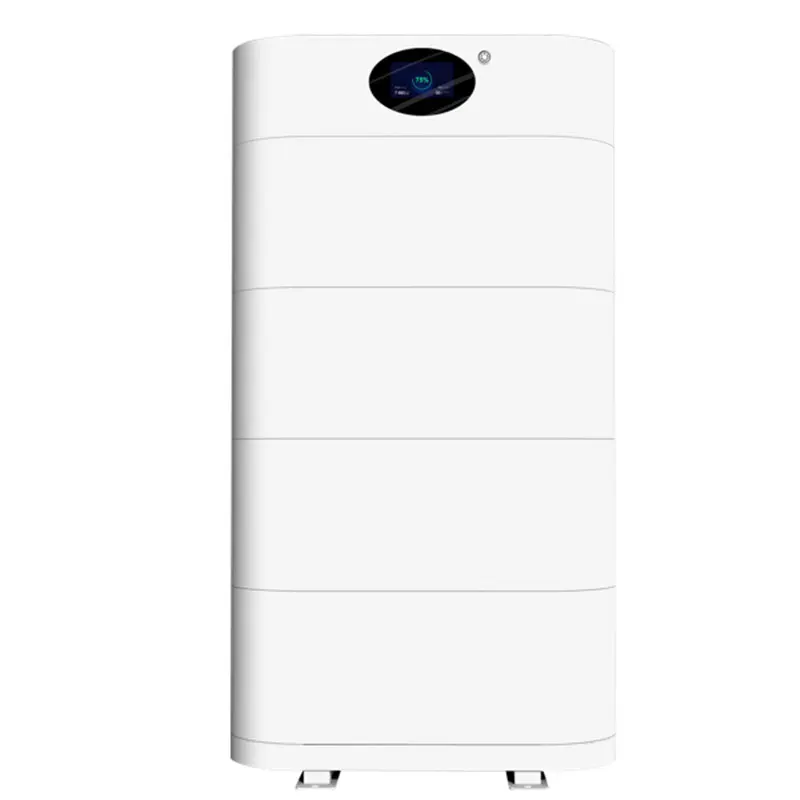
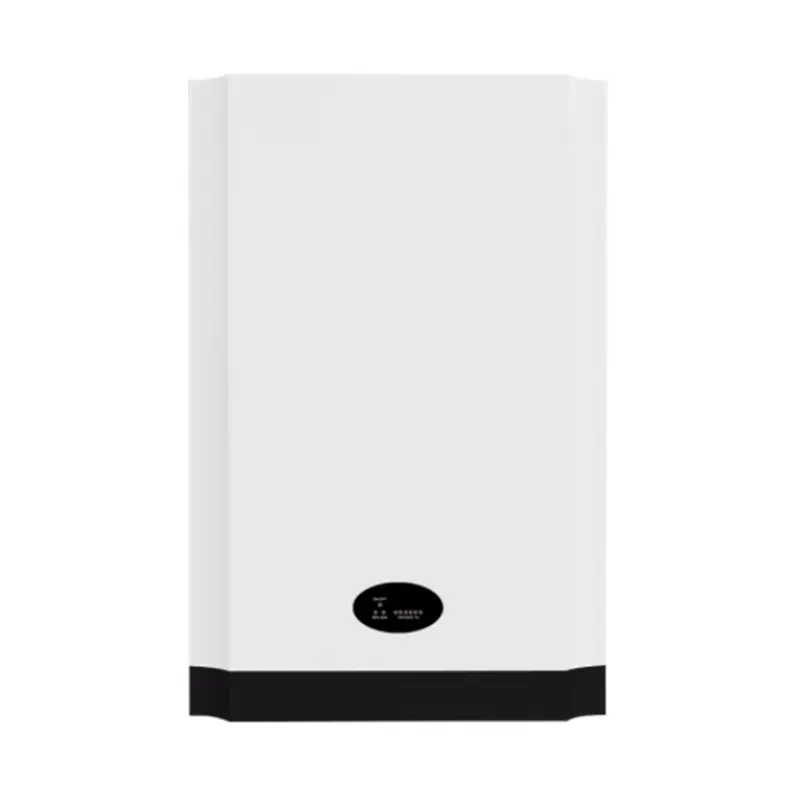
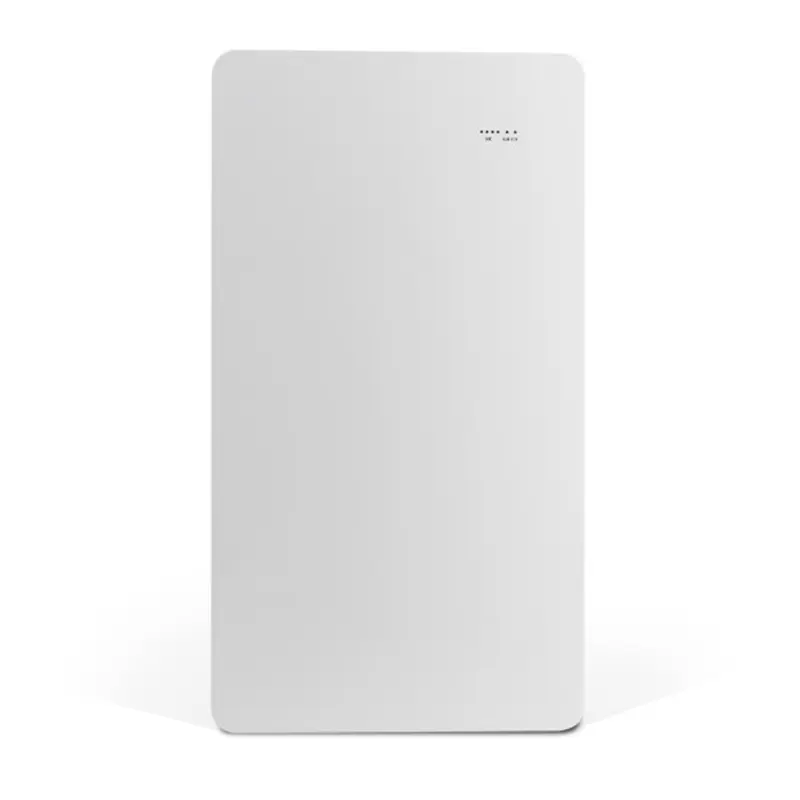
Procuring large quantities of PV glass panels involves managing supply chain risks, shipping costs, and technical compatibility. As glass is fragile and heavy, transport logistics require robust packaging. High-integrity wooden crates with polymer buffers prevent micro-fracturing during long-distance shipping.
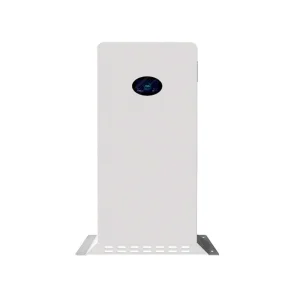
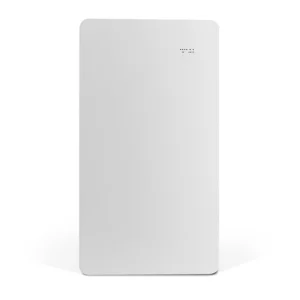
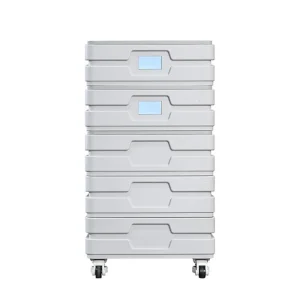
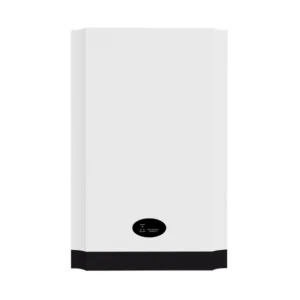
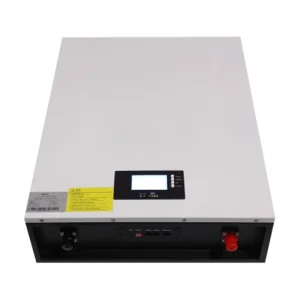
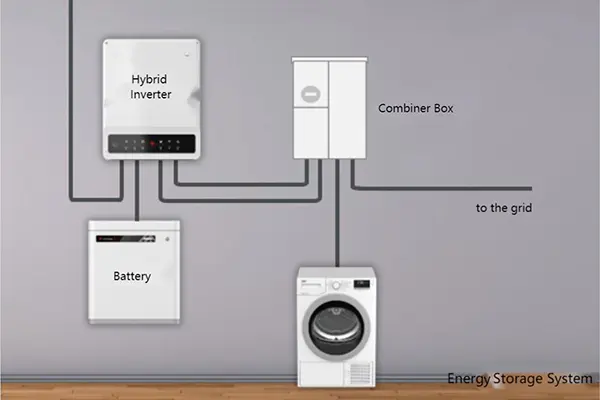
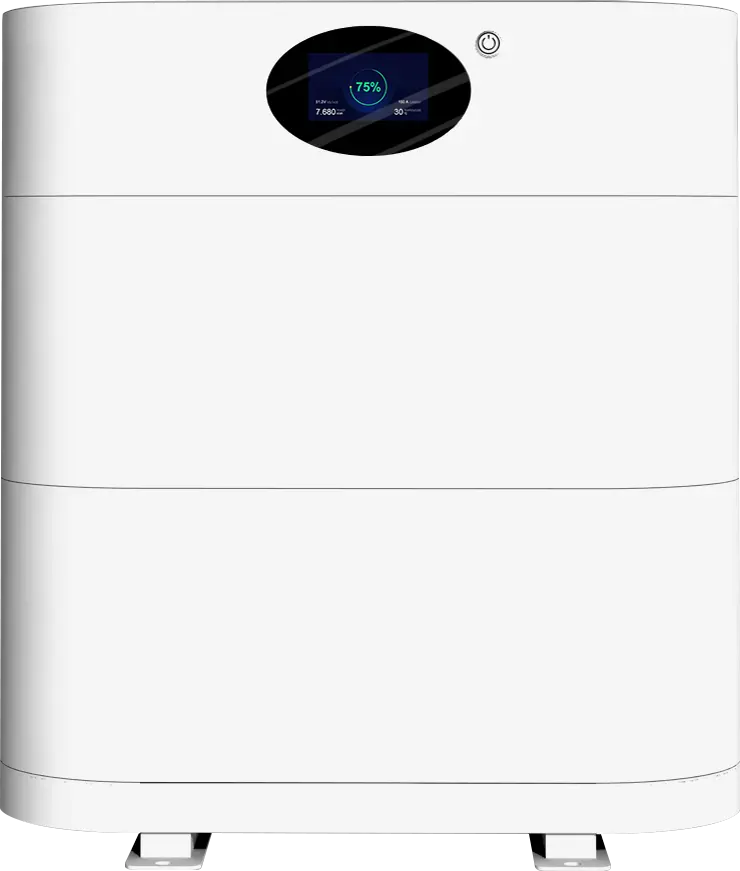
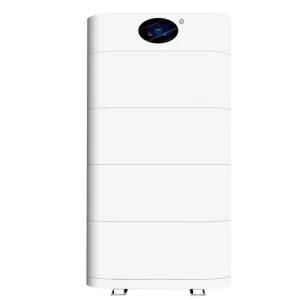
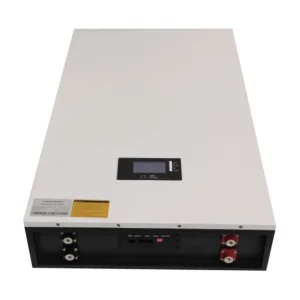
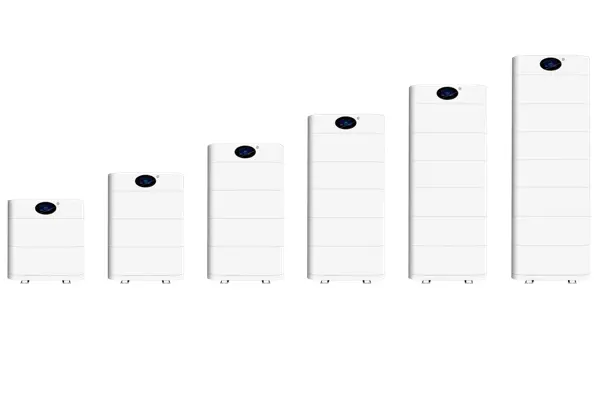
Integrating PV glass panels with energy storage solutions is essential for reliable power generation. Since solar generation varies throughout the day, pairing panels with Battery Energy Storage Systems (BESS) stabilizes energy output. For instance, pairing a BIPV facade with LiFePO4 battery storage (like Elemro's high-voltage stacked setups) helps manage peak generation. This integration increases local self-consumption rates and helps stabilize grid systems.
CdTe thin-film glass has a broader spectral response, allowing it to capture energy at wavelengths where crystalline silicon is less efficient. This provides superior generation on overcast days, during early mornings, and late afternoons, making it well-suited for vertical facade applications (BIPV).
Our products are engineered to meet IEC 61215/61730 standards. Tempered 4mm front glass structures can withstand up to 5400 Pa of wind load and 2400 Pa of snow load, depending on the framing and mounting system.
Applying a sol-gel ARC increases overall light transmittance to over 91.5%. By reducing surface reflection, more light reaches the underlying photovoltaic material, increasing energy output by 2% to 3.5% over the module's lifetime.
BIPV solar generation fluctuates throughout the day. Integrating lithium iron phosphate (LiFePO4) storage batteries allows building operators to store excess daytime power and release it during peak demand hours, improving energy efficiency and reducing grid reliance.
Jul 07, 2023
Nov 26, 2023
Nov 10, 2023





 Elemro Energy