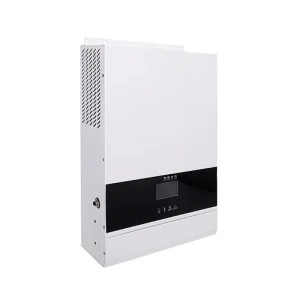
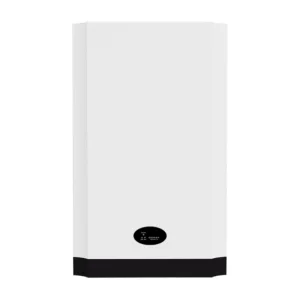
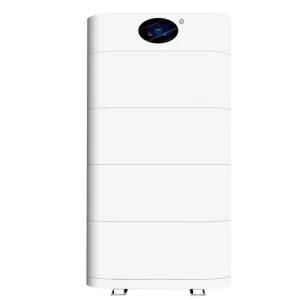
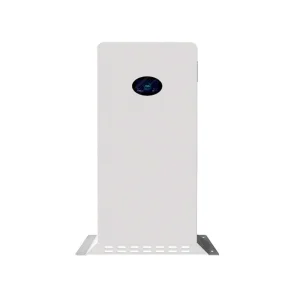
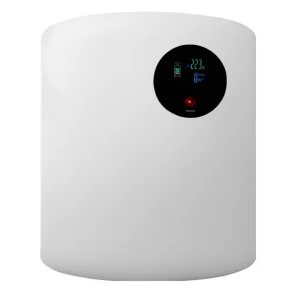
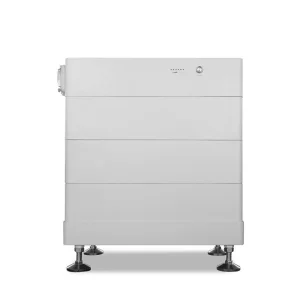
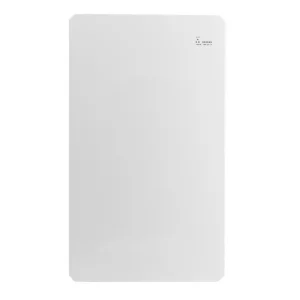
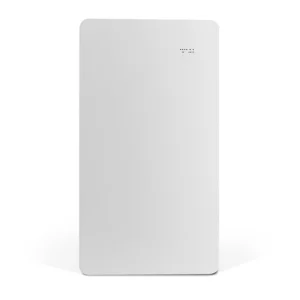
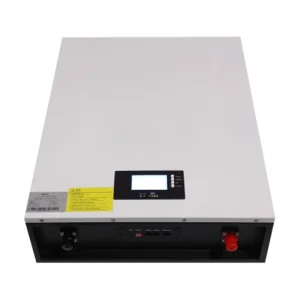
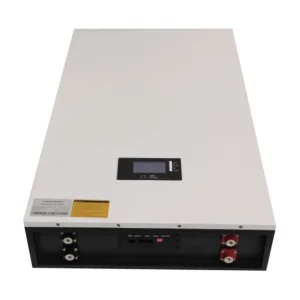
Pre-certified power conversion systems engineered for the harsh climatic parameters of Abu Dhabi, Dubai, and the Northern Emirates.
The United Arab Emirates is currently undergoing one of the most aggressive energy transition transformations globally. Driven by the UAE Net Zero by 2050 Strategic Initiative, the country is shifting rapidly from hydrocarbon dependency to an integrated renewable portfolio. For utility-scale and Commercial & Industrial (C&I) applications, solar photovoltaic (PV) systems represent the cornerstone of this strategic evolution.
However, the Middle East presents unique environmental and operational challenges that make standard off-the-shelf power equipment obsolete. Solar inverters—as the primary energy conversion mechanism—must operate under extreme heat indices, heavy dust loading, and unpredictable utility grid impedance swings. Industrial operators in industrial zones like JAFZA in Dubai or KIZAD in Abu Dhabi require solar inverters that not only survive but maintain peak efficiency under ambient temperatures that regularly exceed 50°C.
With programs like Dubai's Shams Dubai Smart Initiative allowing commercial properties to feed surplus energy back into the local grid, the demand for highly reliable, grid-compliant solar inverter products has intensified. Selecting the right manufacturer requires looking beyond simple upfront pricing to evaluate deep engineering characteristics: temperature derating curves, active cooling technologies, and system-level response speeds during high grid frequency events.
We provide cleaner energy for a greener world.

Any solar deployment within the United Arab Emirates must comply with strict localized regulations established by municipal utility commissions. In Dubai, the Dubai Electricity and Water Authority (DEWA) regulates which solar inverters can legally connect to the medium and low voltage distribution networks. In Abu Dhabi, equivalent regulatory compliance is managed by the Abu Dhabi Distribution Company (ADDC).
1. Harmonic Distortion and Power Quality: Grid-tied inverters must maintain Total Harmonic Distortion (THD) levels below 3% to prevent local network degradation and protection tripping. Inverters must also dynamically manage reactive power injections to maintain power factor requirements set by the local utility.
2. Low Voltage Ride-Through (LVRT): High ambient temperatures place severe strain on the local grid. In the event of transient network drops, the inverter must ride through the low voltage event without disconnecting immediately, supporting grid stability.
3. Anti-Islanding Protection: Solar inverters must incorporate redundant hardware-level disconnects to ensure that in the event of local grid maintenance shutdowns, zero power is back-fed to utility lines, protecting public sector maintenance personnel.
Beyond DEWA and ADDC, manufacturers must obtain approvals from the Emirates Authority for Standardization and Metrology (ESMA) for domestic-use systems, proving that the chemical battery storage and power conversion electronics do not pose explosion or thermal runaway risks under desert storage conditions.
Established in 2019, headquartered in Xiamen, China, Elemro Energy has been specialized in new energy storage and electrical product solutions with rich experience. It is the market leader in the new energy industry that unifies R&D, production, and sales. The products have been sold to more than 250 customers in Europe, Southeast Asia, Africa, Mid-east, America, etc. Since its establishment, ELEMRO’s revenue has been growing rapidly every year. ELEMRO’s annual turnover is expected to exceed 50 millions USD in year 2023.
Our Middle East division focuses on supplying Tier-1 quality solar inverters and energy storage solutions specifically tested to survive GCC environmental limits. By consolidating state-of-the-art Chinese manufacturing efficiencies with specialized regional engineering, we deliver robust solutions that outperform standard Western alternatives in high-temperature lifecycle analysis.
Start a green and convenient life with Elemro Energy.
The global energy sector relies heavily on Chinese supply chain integration to maintain commercial viability. Xiamen, as a vital logistics port hub in Fujian province, serves as the operational epicenter for top-tier solar manufacturers. The technical capability of Chinese factories to optimize power electronics production is a primary driver behind the decline in worldwide levelized cost of energy (LCOE) for solar projects.
For procurement professionals sourcing equipment for the Middle East, Chinese manufacturing offers unparalleled benefits:
Stay informed with the latest solar technology advancements, storage guides, and industry news.
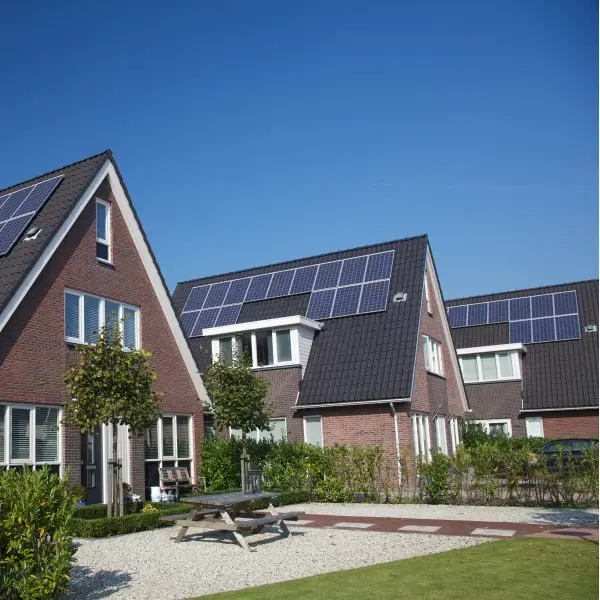
In Middle Eastern operations, the primary threat to power semiconductor lifespans is thermal stress. As the ambient temperature rises, typical silicon switches experience increased internal resistance, leading to rapid heating. If an inverter cannot reject this heat efficiently, it must trigger automatic thermal derating—reducing its active AC power output to protect internal electronics. During summer, this derating can cause significant losses in expected energy yields.
To mitigate this, modern solar inverters use several key engineering designs:
By using these advanced cooling strategies, modern inverters can maintain full power output up to an ambient temperature of 50°C without significant derating, maximizing project ROI for regional operators.
Get answers to key technical questions about choosing and operating solar inverters in the GCC region.
High temperatures accelerate the aging of internal components like capacitors and IGBT power switches. Inverters with passive cooling or standard thermal designs may require derating above 40°C, lowering overall energy yield. Choosing models with smart cooling systems and high-temperature tolerance helps protect performance and extend product lifespan.
Grid-connected inverters in Dubai must be compliant with the DEWA Standards for Distributed Renewable Resources (e.g., meeting G98/G99 or IEC 61727 requirements). In Abu Dhabi, compliance with ADDC regulations is required, which ensures the equipment meets specific safety, power quality, and grid connection rules.
Lithium Iron Phosphate (LiFePO4) chemistry offers higher thermal stability and safety compared to other lithium chemistries, lowering the risk of thermal runaway. It also provides a long cycle life, making it a reliable option for energy storage systems operating under high-temperature cycles.
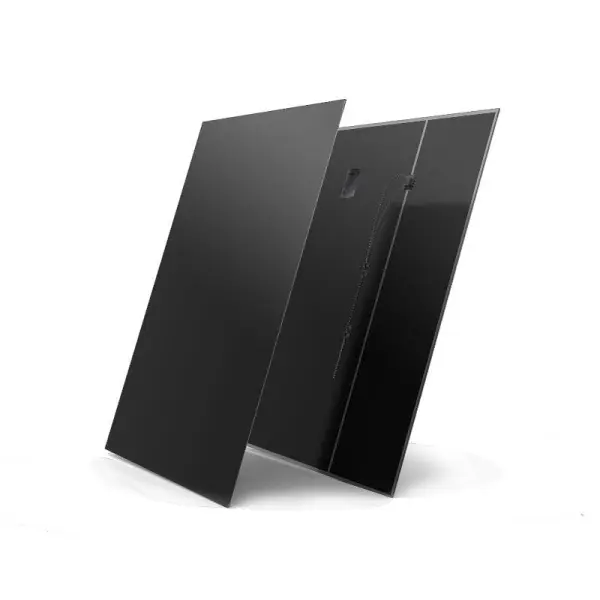
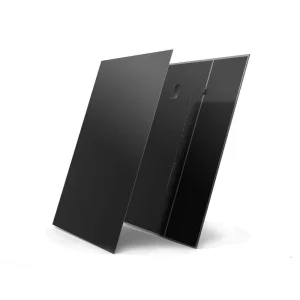
CdTe thin-film panels perform well in hot climates and diffuse light conditions, and they can be integrated directly into building facades (BIPV). This makes them a useful choice for generating clean energy in modern, high-rise urban architectures across the UAE.
For commercial and industrial installations, typical payback periods range from 3 to 6 years, depending on system size, local solar insolation levels, and energy tariffs. Properly configured systems with high-efficiency inverters help maximize output, leading to shorter payback periods and long-term savings.
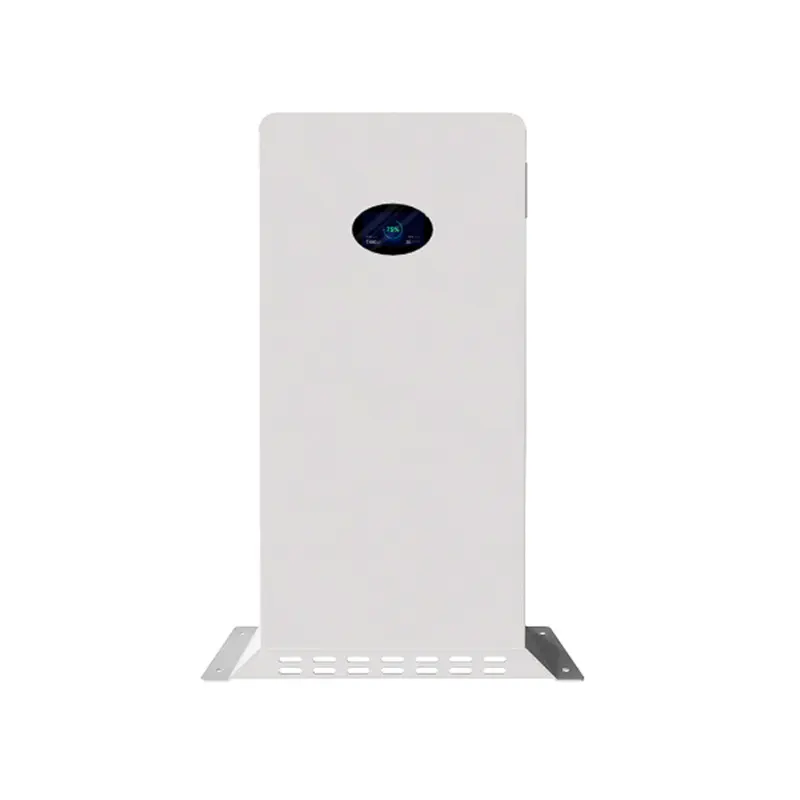
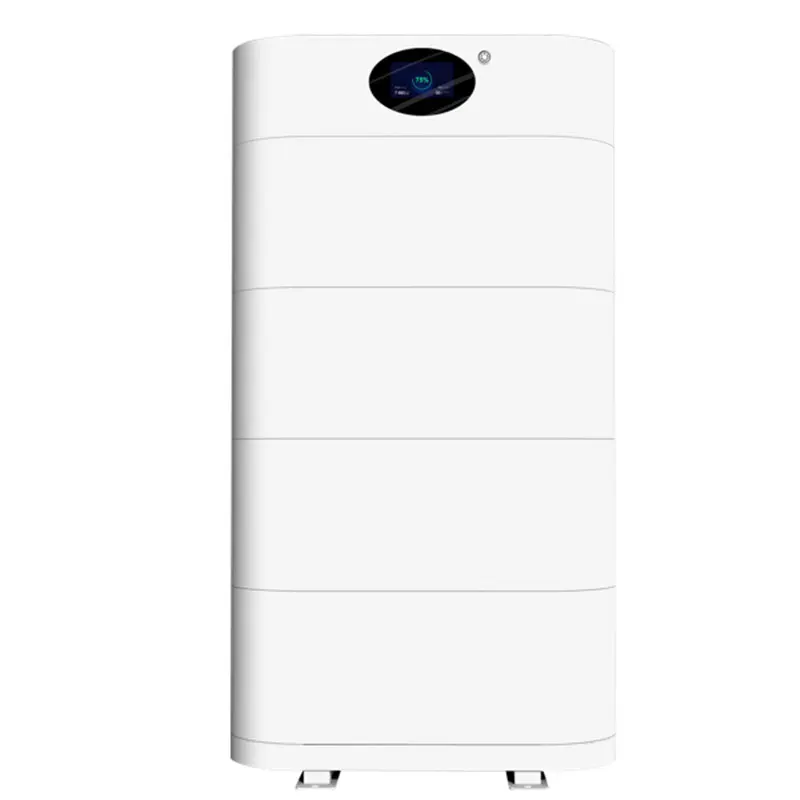
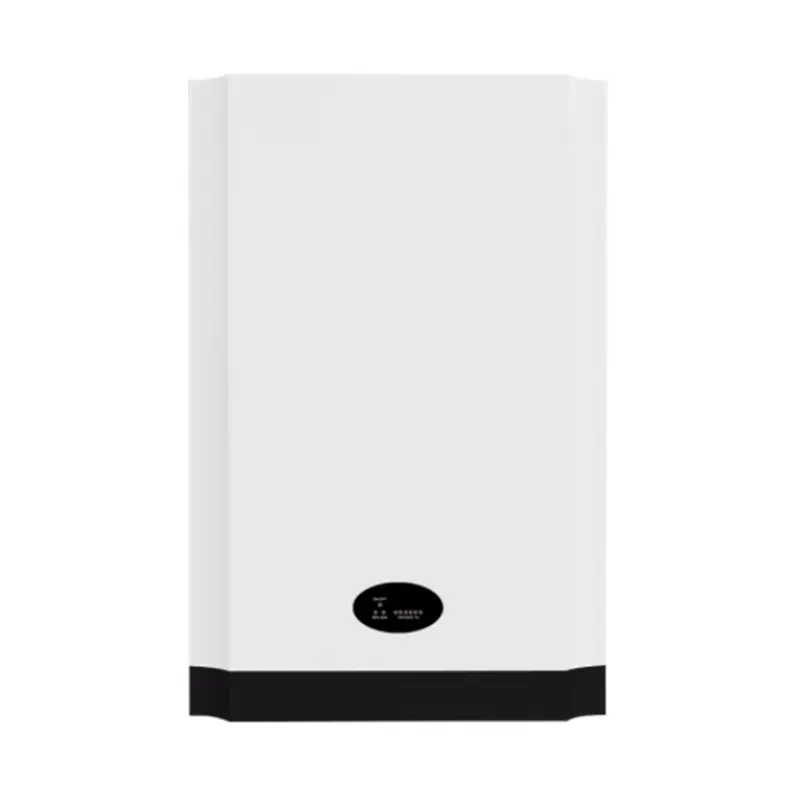
Explore our complete product lineup of energy storage batteries and high-efficiency solar system power solutions, optimized for Middle East grid conditions.
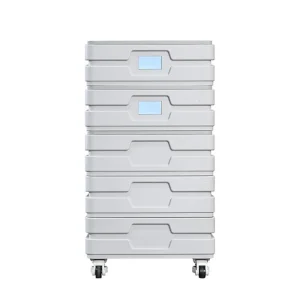
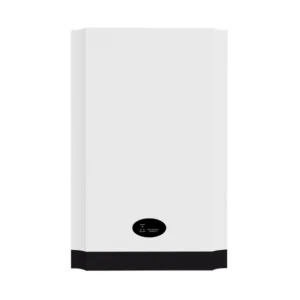
Get in touch with Elemro Energy today. Our technical engineering team will reply with a detailed product specification and quotation within 24 hours.
Send Inquiry Now





 Elemro Energy