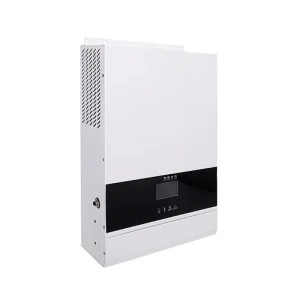
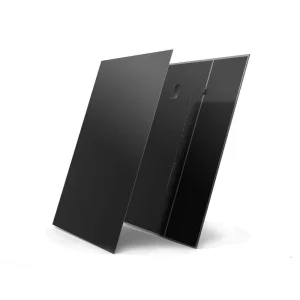
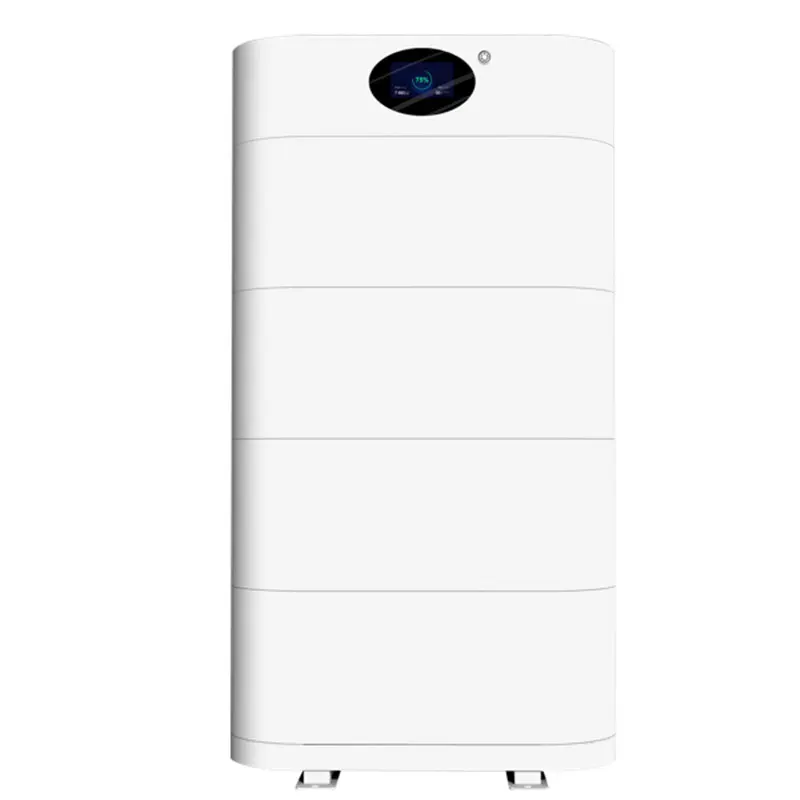
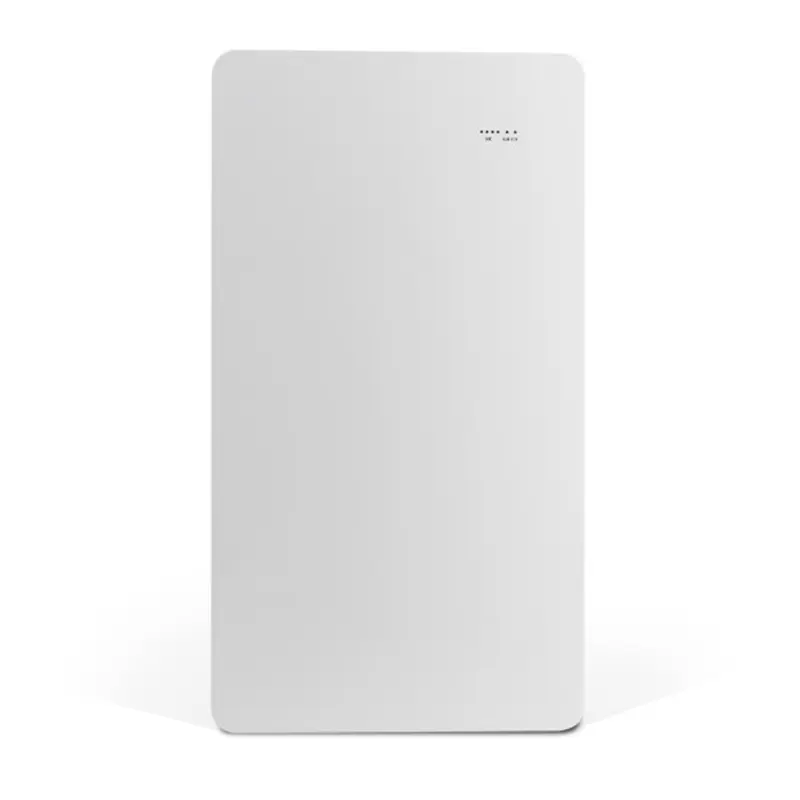
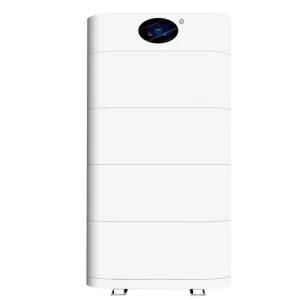
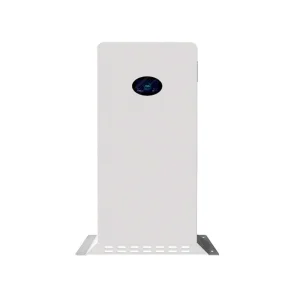
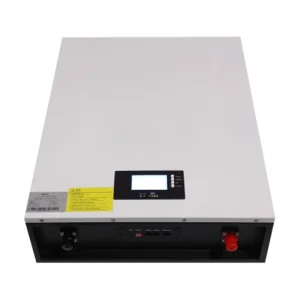
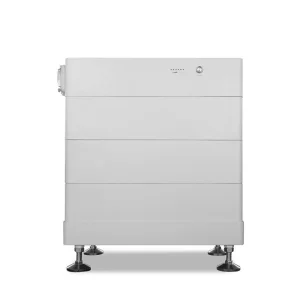
High-performance solar system components optimized for tight architectural tolerances and strict TEPCO grid connection standards in Tokyo.
As one of the world's most dense urban centers, Tokyo is undergoing a profound structural transition in its energy profile. Driven by the Tokyo Metropolitan Government's (TMG) landmark mandate requiring solar power generation capabilities for new residential homes and commercial buildings, the city has become a hub for distributed energy resources. For EPCs, developers, and commercial procurement departments, finding highly reliable solar inverter manufacturers and factories for Tokyo is no longer just a purchasing decision—it is a critical integration parameter.
Operating in Tokyo requires deep compliance with localized requirements. The Tokyo Electric Power Company (TEPCO) enforces highly technical grid-interconnection standards. Solar inverters deployed here must incorporate robust ride-through capabilities, multi-channel Maximum Power Point Tracking (MPPT) to address complex urban shading patterns, and strict electromagnetic compatibility (EMC) parameters. Additionally, Tokyo's geographical exposure to natural hazards demands system architectures capable of rapid isolation and emergency backup operation during grid outages.
Globally, the solar inverter landscape has progressed from simple direct-current-to-alternating-current converters to sophisticated energy management hubs. Contemporary global applications rely on hybrid inverter architectures that natively interface with energy storage systems (ESS). These utility-scale and commercial inverters integrate advanced digital signaling processors (DSPs) to communicate with utility control centers, supporting virtual power plants (VPPs) and offering real-time frequency stabilization.
Whether deploying string inverters, central inverters, or module-level microinverters, the focus is on maximizing system uptime and reducing Levelized Cost of Energy (LCOE). Factories worldwide are transitioning to silicon carbide (SiC) semiconductor platforms. SiC technology enables higher switching frequencies, reduces heat losses, and allows for compact chassis designs—attributes that are highly sought after in urban areas like Tokyo, where mechanical plant rooms are exceptionally compact and real estate value is extremely high.
Information Gain: Industrial and commercial solar installations in Tokyo cannot utilize general global-spec inverters. Systems must support specific anti-islanding detection methods (both active and passive) designated by the Japan Electrical Safety & Environment Technology Laboratories (JET), ensuring they respond instantly to grid anomalies without jeopardizing high-density electrical infrastructure.
The manufacturing ecosystem in China stands as the global leader in photovoltaic supply chains. Chinese factories, particularly those centralized around key new-energy manufacturing hubs, have achieved unprecedented operational scale and component integration. Headquartered in Xiamen, China, ELEMRO Energy has utilized this manufacturing efficiency since 2019 to design and export top-tier energy storage solutions and electrical systems globally.
This efficiency is not merely a matter of scale; it encompasses structural engineering advantages. Chinese manufacturing facilities integrate R&D labs, printed circuit board (PCB) assembly line processes, automated thermal chambers, and full load testing on a single site. This localized supply chain network permits quick turnarounds on customized modifications—such as modifying inverter voltage thresholds, integrating specific Japanese communication interfaces like Modbus RTU/TCP or ECHONET Lite, and ensuring the physical integrity of component housings against seismic vibration profiles.
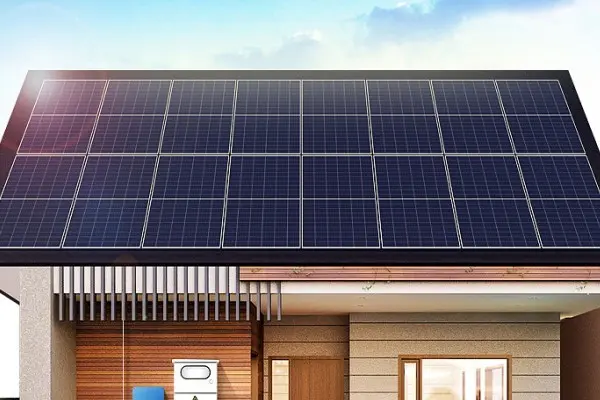
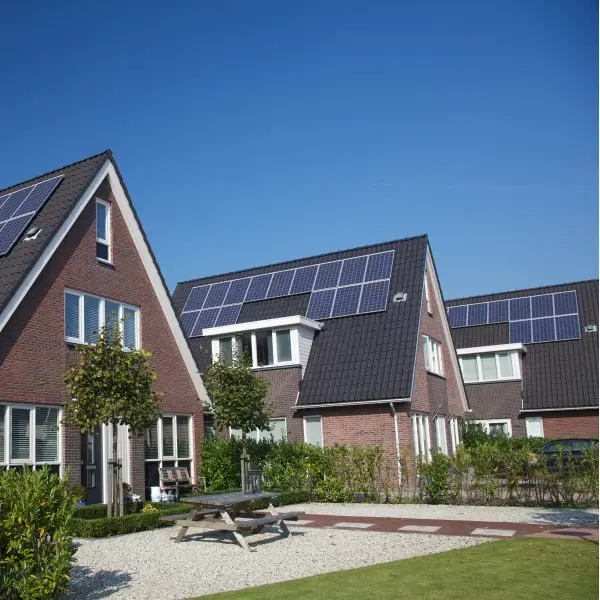
Implementing solar systems in Tokyo requires addressing unique spatial constraints. Large utility-scale ground-mount arrays are virtually impossible to develop within city limits. Instead, the focus has shifted toward building-integrated photovoltaics (BIPV), carport solar frameworks, and urban commercial microgrids.
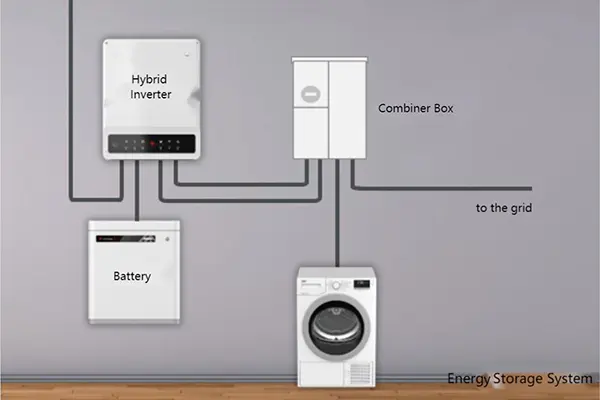
For these applications, the inverter acts as the intelligent director, managing the balance of grid power, local BIPV generation, battery storage systems, and on-site load demands.
Established in 2019 and headquartered in the high-tech green industry cluster of Xiamen, China, ELEMRO Energy has positioned itself at the forefront of the new energy storage and electrical product solutions sector. We are a vertically integrated energy enterprise combining advanced research and development (R&D), highly standardized ISO-compliant production lines, and global logistics networks.
Our products have served over 250 commercial, industrial, and residential customers across Europe, Southeast Asia, Africa, the Middle East, and the Americas. By achieving rapid annual revenue scaling, ELEMRO's annual turnover exceeded 50 million USD, demonstrating strong financial reliability, manufacturing capability, and supply chain longevity. Our focus remains on assisting energy developers, installers, and procurement specialists in identifying high-performance, cost-effective, and fully certified equipment.

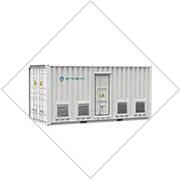
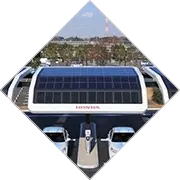
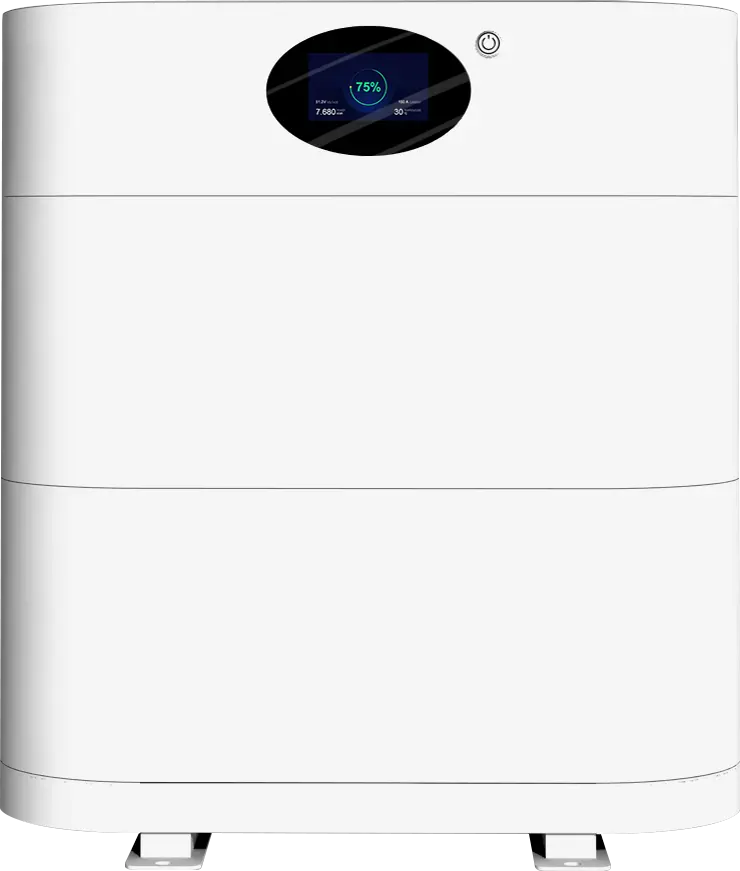
Engineered to deliver high power density, safe thermal profiles, and grid-forming capabilities under urban load profiles.

The shift toward green infrastructure has accelerated technical developments in energy conversion. Contemporary solar inverters must support higher inputs and dynamic load management. For instance, early generations utilized basic transformer-based designs, which added substantial weight and conversion losses. Modern transformerless topologies, combined with multi-level conversion algorithms, have pushed conversion efficiencies beyond 98%.
Moreover, communication protocols have evolved. To interface with local microgrid environments, modern systems must incorporate Modbus, SunSpec, and CAN Bus communications. These options allow utility companies to monitor solar yield and remotely manage active/reactive power outputs, preventing grid destabilization during peak solar generation hours.
Procuring commercial and industrial energy assets requires careful technical evaluation. When evaluating prospective factories, engineers and procurement teams should prioritize suppliers that present detailed, third-party verified test reports, including certifications under IEC 62109, VDE-AR-N 4105, and local JET standards.
A key consideration in customization is temperature-dependent derating. In high-density installations, ambient temperatures inside plant rooms can rise quickly. An inverter factory with advanced thermal simulation capabilities can customize heatsink designs and fan control algorithms, ensuring that the system delivers full rated power without derating, even under prolonged operation.
Technical analyses, guides, and invitations from the ELEMRO engineering and support teams.
Technical and procurement insights regarding commercial solar inverter deployment in Tokyo.
Select from our comprehensive list of industry-standard new energy products, fully compatible with advanced system designs.





 Elemro Energy