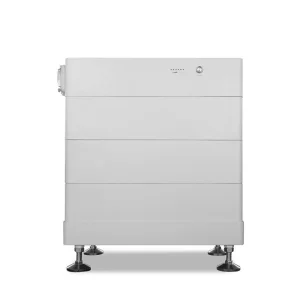
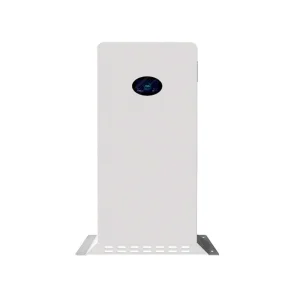
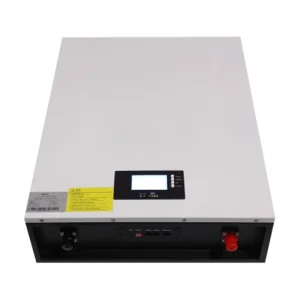
Advanced system integration for UK residential and commercial developers, fully compatible with domestic power export dynamics.
The solar energy landscape in the United Kingdom is undergoing an unprecedented transition. Driven by the legally binding commitment to achieve Net Zero greenhouse gas emissions by 2050 and the urgent need to secure energy independence, solar photovoltaic (PV) generation coupled with Battery Energy Storage Systems (BESS) has moved from a subsidized utility alternative to a core industrial asset. The decommissioning of fossil-fuel baseload stations and the deployment of volatile offshore wind necessitate robust, grid-forming intelligence at the consumption node. This is where high-quality solar inverters perform as the critical digital gatekeepers of power reliability.
Historically, the UK market relied on the Feed-in Tariff (FiT) regime to justify investment. Today, the commercial paradigm relies on the Smart Export Guarantee (SEG), dynamic grid services, and tariff arbitrage (such as peak-shaving against volatile Half-Hourly settlement costs like DUoS and TNUoS). Solar inverters destined for the UK market must satisfy rigorous Distribution Network Operator (DNO) regulations. Engineering Recommendation G98 (for installations up to 16A per phase) and G99 (for systems exceeding 16A per phase) govern connection requirements, mandating advanced active power control, reactive power regulation, frequency response capabilities, and fault ride-through thresholds. A failure to match these parameters can result in immediate grid disconnection or project vetoes from regional DNOs such as National Grid Electricity Distribution or UK Power Networks.
On a global scale, the technological architecture of solar inverters is shifting rapidly. The integration of silicon carbide (SiC) and gallium nitride (GaN) switching components allows modern power stages to operate at significantly higher switching frequencies. This translates to reduced thermal dissipation, smaller magnetic footprints, and efficiency curves that consistently peak above 98.8%. Crucially for EPC contractors, smaller equipment envelopes lead to lower balance-of-system (BOS) weights, saving substantial installation labor.
Furthermore, artificial intelligence and machine learning algorithms are moving from cloud management down to the edge. Edge computing in contemporary inverters enables real-time Maximum Power Point Tracking (MPPT) scanning, which overcomes complex shade profiles common in British architectural installations. Advanced Arc Fault Circuit Interrupter (AFCI) safety systems run deep learning patterns to isolate serial dc arcs instantly, drastically reducing fire hazards in dense industrial or residential retrofits.
Understanding local microclimates and policy conditions is key to ensuring continuous system output. The UK climate is characterized by high diffuse light ratios, moderate temperatures, and unpredictable coastal rain patterns. Solar equipment must adapt directly to these environmental baselines:
Tailored protection systems to satisfy DNO connection conditions, offering grid loss detection (Loss of Mains / LOM via Rate of Change of Frequency - RoCoF) and vector shift mitigation.
Highly sensitive startup voltages enable solar harvesting during low-irradiance winter seasons and overcast mornings typical of northern England and Scotland.
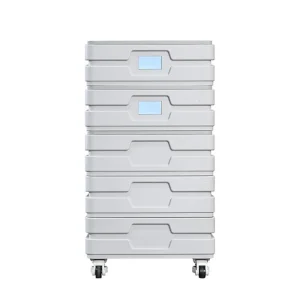
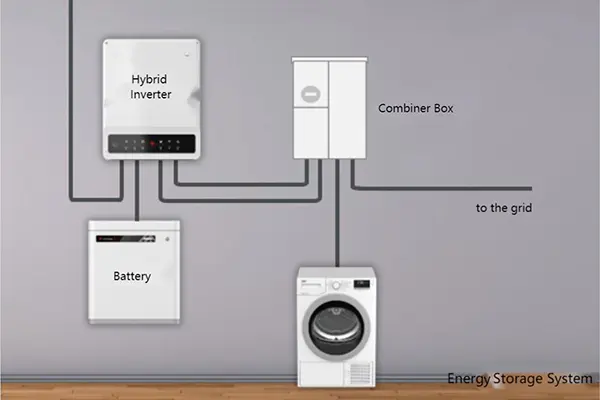
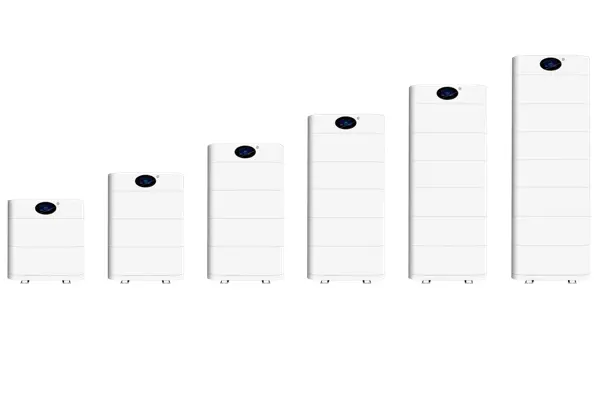
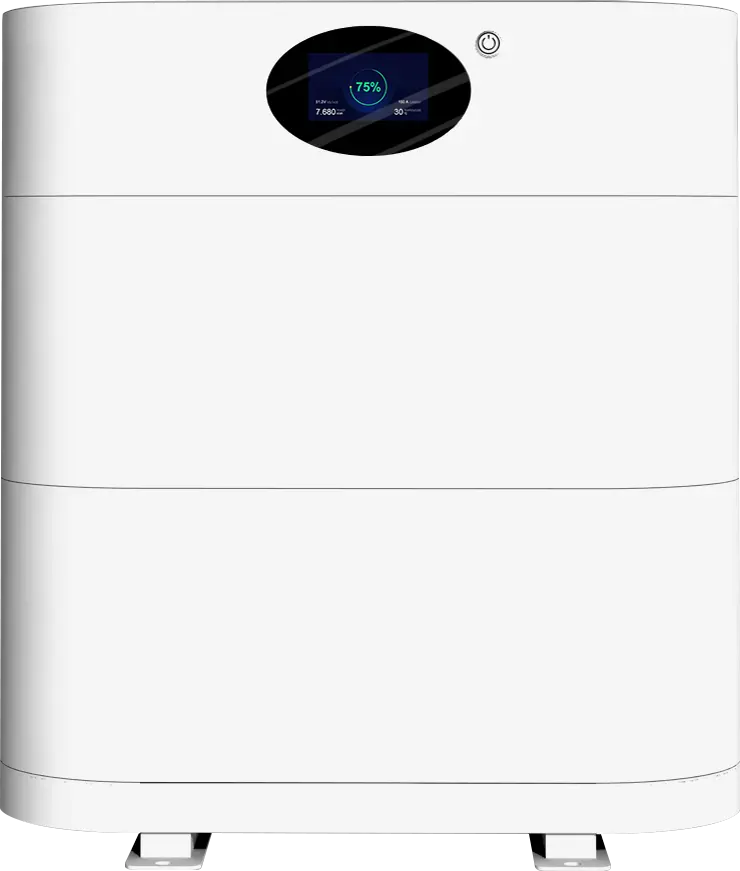
Direct communication and control protocols integrated for compatibility with high-voltage stackable LFP batteries and commercial energy storage enclosures.
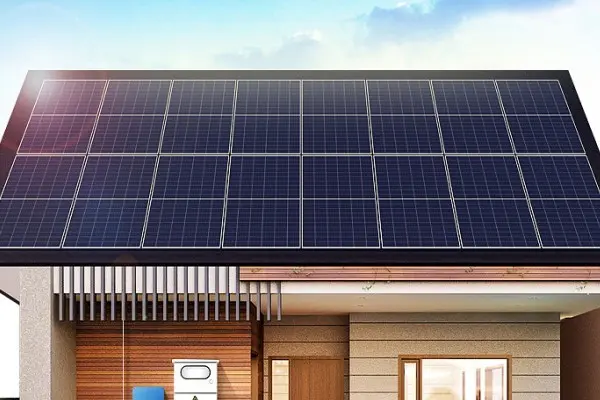
Another major driver is the integration of Building Integrated Photovoltaics (BIPV). Particularly across urban areas such as London, Manchester, and Birmingham, commercial buildings leverage advanced thin-film CdTe (Cadmium Telluride) solar technologies to turn curtain walls into generation arrays, demanding smart string inverters capable of managing multiple elevations and low-light behaviors.
The transition from grid-following to grid-forming inverters represents the next major technology leap. Grid-forming inverters behave as virtual synchronous generators, maintaining a stable voltage and frequency profile independently. This capability is paramount as coal and gas turbines phase out, removing natural physical inertia from the UK's National Grid.
Focuses on standard power conversion efficiency, static frequency response, and basic DNO communication interfaces.
Enables integration with dynamic UK energy tariffs (e.g., Octopus Energy, Agile, etc.), optimizing storage state-of-charge automatically depending on market pricing.
System-wide adaptation providing synthetic inertia to regional sub-stations, securing total energy resilience under blackout conditions.
Established in 2019 and headquartered in the prominent renewable tech hub of Xiamen, China, ELEMRO Energy has specialized in advanced new energy storage and electrical product solutions. Integrating research & development (R&D), state-of-the-art manufacturing, and global sales, ELEMRO is a market leader catering to over 250 enterprise clients spanning Europe, Southeast Asia, Africa, the Middle East, and the Americas.
Our commitment to technical rigor has powered rapid annual revenue growth, with global turnover exceeding 50 million USD in 2023. Our product design philosophies align with European safety standards (CE, TUV, UKCA), delivering highly reliable, localized system components engineered for decades of active operational lifecycles.
We leverage our industrial partnerships to supply complete decarbonization systems.
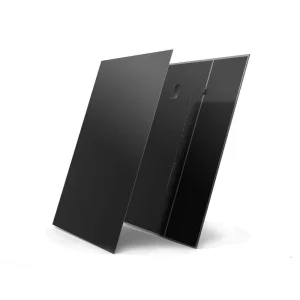
 Solar Glass (BIPV)
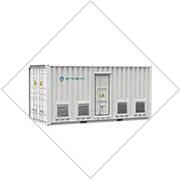 Energy Storage Container
 Car Port Solar Power
Request detailed pricing catalogs and certification documentation for UK distribution.
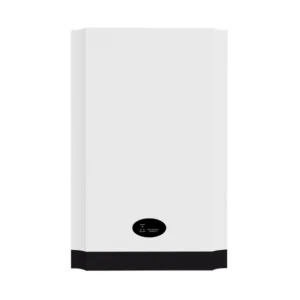
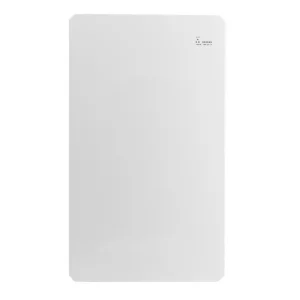
Send Inquiry NowPremium energy storage components optimized for seamless integration with hybrid solar inverters across Great Britain.
Expert insights compiled by ELEMRO R&D engineering teams addressing installer and client inquiries.
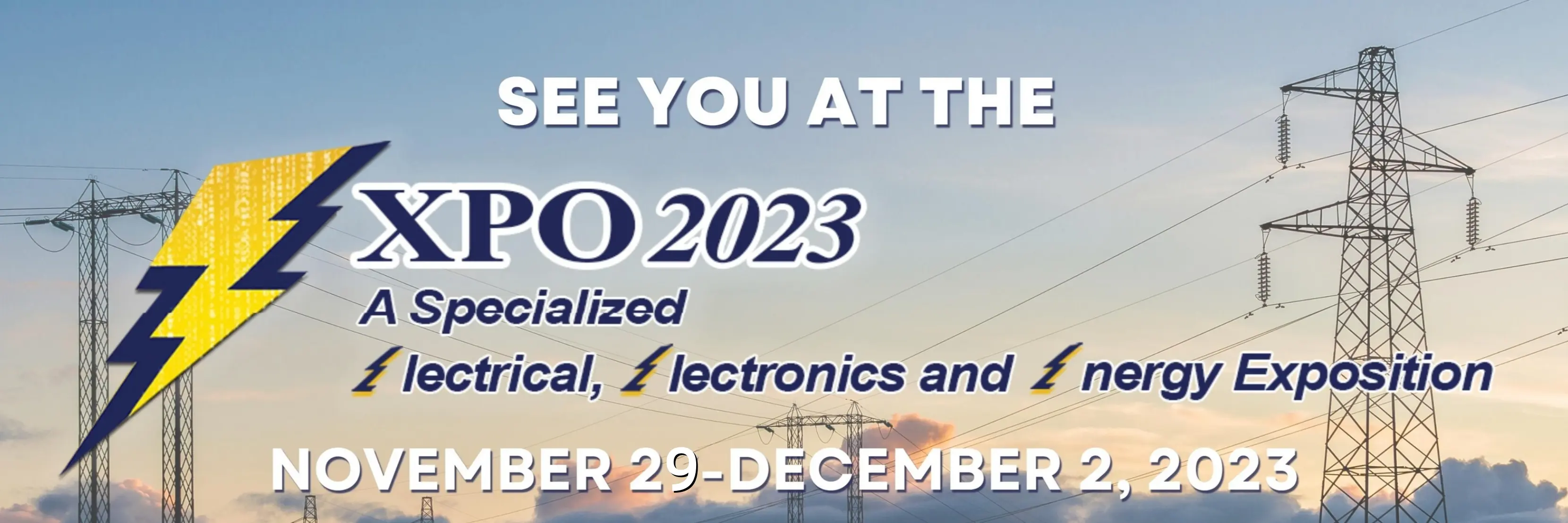
Read about energy trends, technological comparisons, and international expos.





 Elemro Energy