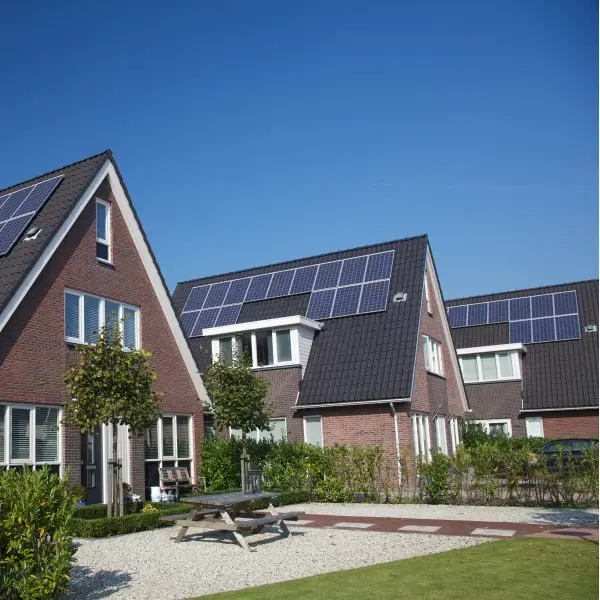
Portugal stands at the forefront of the European Union's energy transition, driven by the ambitious goals outlined in the PNIEC 2030 (Plano Nacional Energia e Clima). With plans to achieve over 85% of electricity generation from renewable sources by 2030, the demand for reliable, utility-grade solar components has reached unprecedented heights. The region's geographical advantages are undeniable: average solar radiance levels exceed 1,800 kWh/m² in the Alentejo and Algarve regions, making them prime zones for both Utility-Scale Photovoltaics and decentralized Self-Consumption Units (Unidades de Produção para Autoconsumo - UPAC).
Regulatory Context: Decree-Law no. 15/2022 restructured the Portuguese National Electrical System (SEN), simplifying authorization protocols for collective self-consumption projects (Autoconsumo Coletivo - ACC) and Renewable Energy Communities (Comunidades de Energia Renovável - CER). This has created a dynamic market requiring multi-MPPT solar inverters capable of managing complex local distribution challenges.
Connecting solar assets to the Portuguese distribution grid, managed primarily by E-Redes, requires strict compliance with European and national standards. Key requirements include:
Across both global markets and localized Portuguese project sites, energy developers face a crucial architectural decision: selecting between multi-string inverters and centralized inverter topologies. String inverters have secured dominant market share within commercial, industrial, and increasingly, utility projects due to their granular maximum power point tracking (MPPT), ease of maintenance, and minimized system down-time risks.
Industrial rooftops across Lisbon's logistics corridors and Porto's manufacturing hubs often present complex structures with varied orientations and potential shading from nearby buildings. By utilizing string inverters with up to 10 independent MPPTs, operators can prevent overall array degradation caused by mismatched module outputs. Furthermore, in the event of an inverter failure, only a fraction of the plant's production is lost, allowing rapid on-site replacement without requiring specialized crane services or heavy-duty logistics.

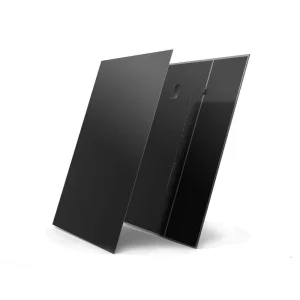
Advanced building-integrated solutions (BIPV) designed to turn facade glass into high-efficiency electricity generators under European building energy performance standards.
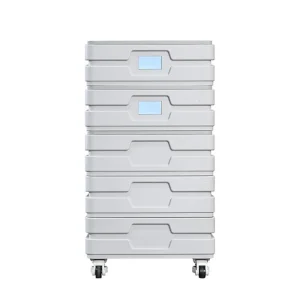
Utility-scale battery energy storage systems (BESS) integrating liquid cooling, intelligent thermal regulation, and high-safety LiFePO4 chemistry for grid stabilization.
Structural PV integration for commercial parking zones, creating electric vehicle charging infrastructure combined with local energy storage buffers.
Established in 2019 and headquartered in the green-energy technology hub of Xiamen, China, Elemro Energy has grown rapidly into a leading developer of integrated energy storage systems and electrical product solutions. Combining vertical integration in R&D, advanced manufacturing, and strategic international supply networks, Elemro caters to over 250 enterprise clients spanning Europe, Southeast Asia, Africa, the Middle East, and the Americas.
By prioritizing deep engineering expertise, rigorous quality control, and localization protocols (such as compliance with EU EN50549 regulations), Elemro ensures that developers, EPCs, and distributors receive top-tier, grid-compliant equipment. Reflecting this trust and continuous scaling, ELEMRO's annual turnover is expected to exceed $50 million USD in 2023.
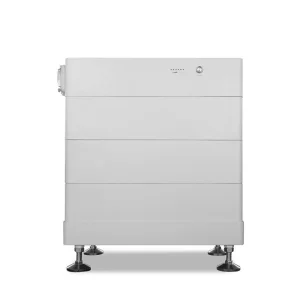
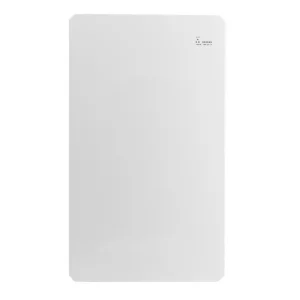
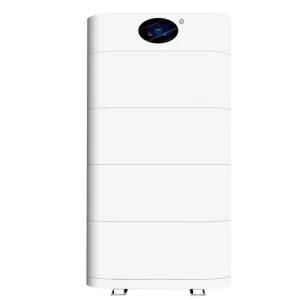
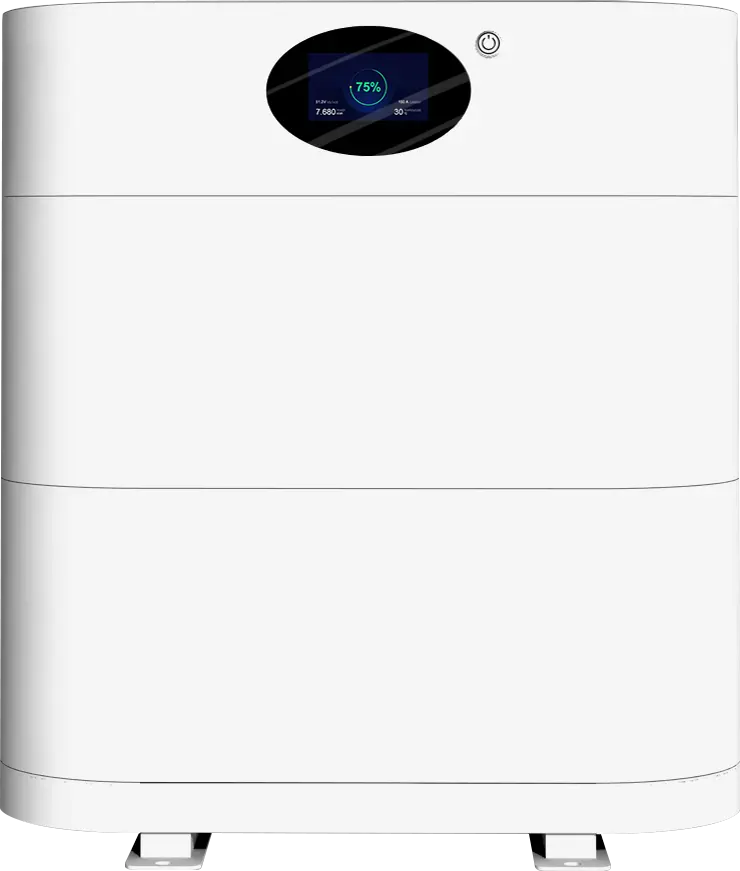
Whether deploying high-voltage stacked residential batteries in Faro, BIPV solar cells in historical Porto sites, or mega-scale energy containers for grid support in Sines, Elemro provides tailored supply logistics and localized technical assistance.
Inverter systems must be carefully chosen based on the operating dynamics of specific local applications. We design solutions for four distinct scenarios predominant in the Iberian market:
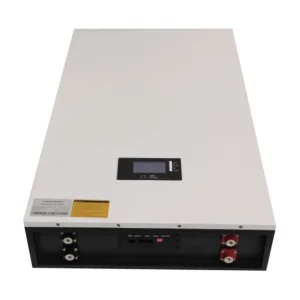
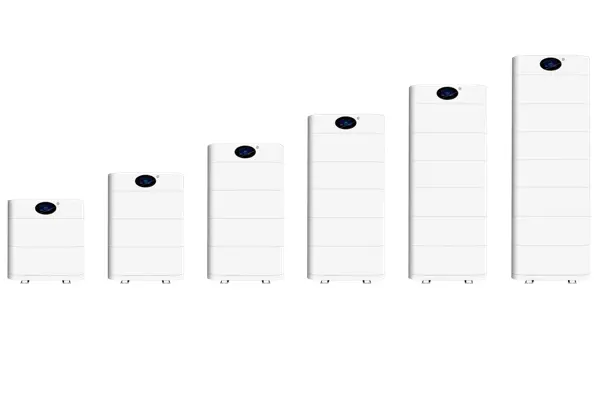
Portugal's vital agricultural export sector relies heavily on temperature-controlled warehouse corridors. Integrating heavy industrial hybrid inverters with Elemro high-voltage stackable battery units ensures continuous cooling, protecting stock against sudden grid failures while cutting daylight peak energy tariffs.
Water pumping networks in dry southern plains operate far from distribution lines. Solar-powered pumping systems using customized variable frequency drive (VFD) inverters convert DC directly into AC power for water pumps, eliminating diesel fuel costs and carbon emissions.
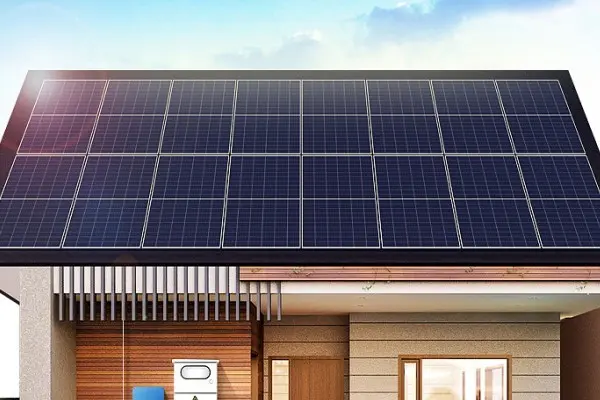
Preserving historical architectural heritage limits the installation of traditional bulky rooftop PV arrays. Elemro CdTe Cadmium Tellurium Thin Film Solar Cells are integrated directly into roofs or facade elements, supplying clean energy silently without disrupting architectural integrity.
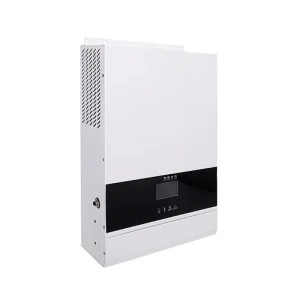
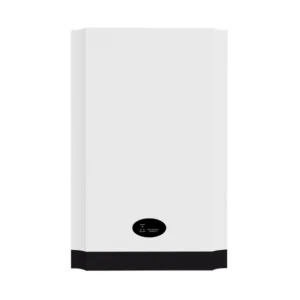
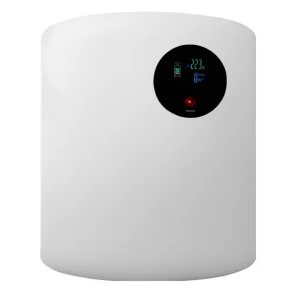
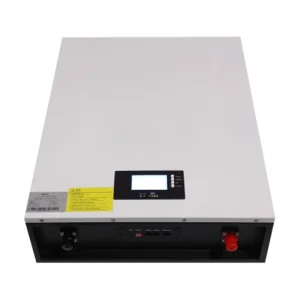
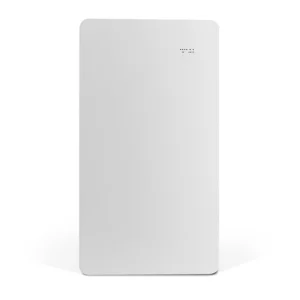
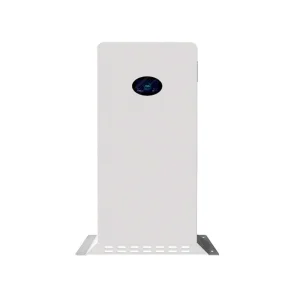
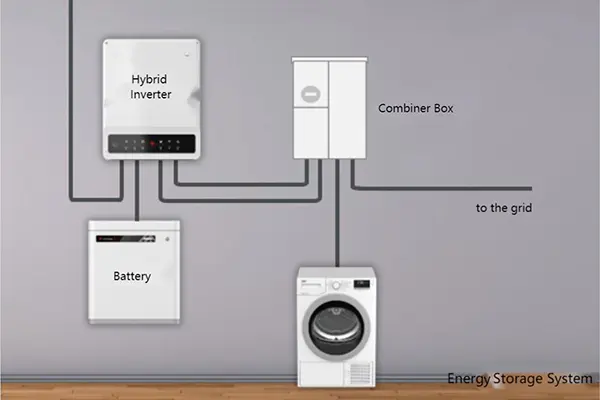
Coastal villas with swimming pools and EV charging demands utilize hybrid systems combining single-phase or three-phase hybrid inverters with WHLV 10kWh LFP wall-mounted batteries, targeting complete self-reliance from grid fluctuations.
Moving beyond simple grid-following designs. Our upcoming inverters integrate grid-forming software algorithms to dynamically simulate virtual inertia, supporting weak grids in rural Portuguese zones during transient disruptions.
Native software configuration allowing residential and fleet smart inverters to draw from and discharge back into Electric Vehicle batteries (Vehicle-to-Grid), transforming parked vehicles into active decentralized storage blocks.
Integrating machine learning directly into inverter controllers. The system dynamically monitors local meteorological forecasts and day-ahead OMIE market pricing to decide when to store, export, or prioritize domestic self-consumption.




Get in touch with our engineering division today to receive optimized electrical designs, certified inverter specifications, and bulk volume price lists. We reply to all inquiries within 24 hours.
 Elemro Energy