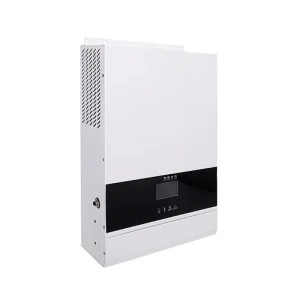
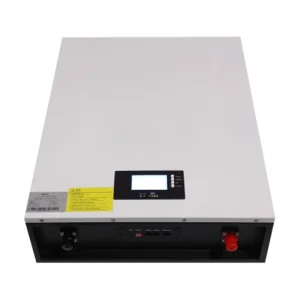
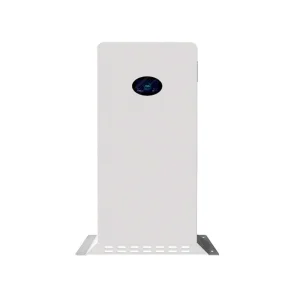
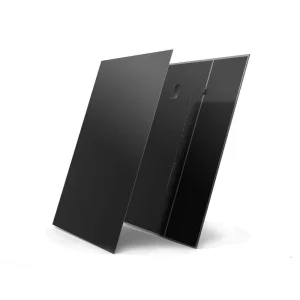
Egypt’s solar landscape is undergoing a monumental shift. Under the Integrated Sustainable Energy Strategy (ISES) 2035, the Egyptian government targets generating 42% of its electricity from renewable sources. Benefiting from exceptionally high direct normal irradiance (DNI) levels ranging from 2,000 to over 3,200 kWh/m² annually, the territory represents one of the most promising markets for solar deployment. However, scaling utility and commercial & industrial (C&I) solar projects requires navigating distinct local conditions.
SEO Keyword Insight: Egypt’s national grid, regulated by the Egyptian Electricity Utility and Consumer Protection Regulatory Agency (ERA), presents unique harmonic, voltage ride-through, and frequency stability criteria that demand highly configurable solar inverters with robust digital processing capabilities.
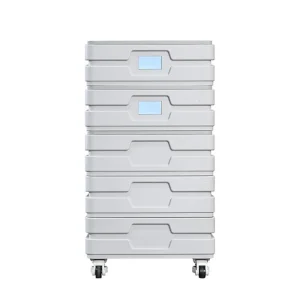
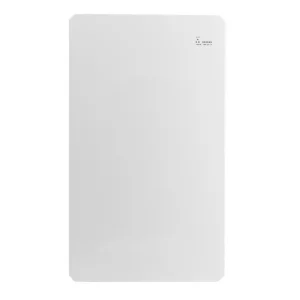
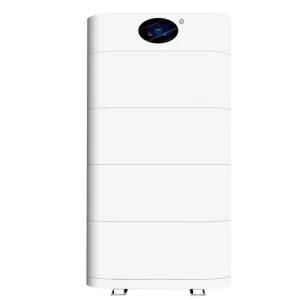
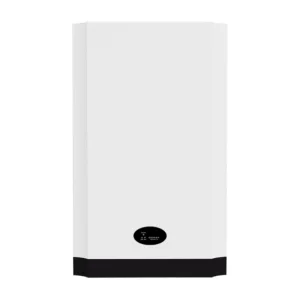
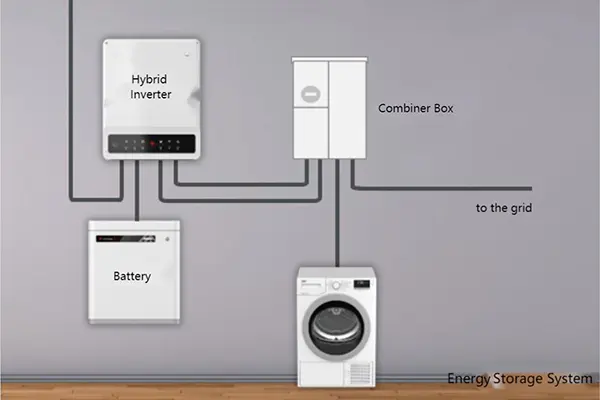
Additionally, rapid urban development, coupled with agricultural land reclamation initiatives across the Western Desert and the Nile Delta, has driven demand for independent power generation. High electricity tariffs for commercial operations and persistent fuel supply concerns make solar photovoltaic systems integrated with hybrid inverters and Battery Energy Storage Systems (BESS) a vital hedging tool for localized industrial zones, cold-chain warehouses, and deep-well water pumping facilities.
Operating solar power systems in Egypt means dealing with two main environmental threats: high heat and fine desert dust. In regions like Aswan, ambient temperatures routinely exceed 45°C, causing conventional solar inverters to hit their thermal limits and throttle output power. Our custom inverter platforms are engineered to perform without derating up to 50°C ambient temperatures, utilizing dual-speed active cooling and oversized internal heat sinks.
Sealed electronics bays protect sensitive control circuitry from fine particulate silica intrusion, avoiding dielectric failure.
Strategic hardware overhead guarantees components operate below their maximum thermal capacity even at peak noon solar irradiance.
Build-in potential-induced degradation mitigation ensures solar panels continue running at peak efficiency over decades of intense sun exposure.
Our units also feature Integrated Arc Fault Circuit Interrupters (AFCI) driven by AI algorithms. These detect local micro-arcs within milliseconds, shutting down operation to prevent fires in high-risk zones, such as petroleum processing facilities and rooftop retail installations across Egypt.
Different Egyptian industries face distinct challenges. Finding the right solution involves deploying tailored solar setups designed to integrate seamlessly with the existing power infrastructure.
Over 70% of new agricultural operations in the Western Desert rely on solar pumping. Our variable frequency drive (VFD) inverters convert DC power directly into variable AC power to run water pumps without expensive, high-maintenance batteries.
Designed for logistics hubs and manufacturing plants in Tenth of Ramadan and Sixth of October cities. These systems prioritize self-consumption, offering fast ROI and zero export capabilities to comply with local utility policies.
Perfect for remote resorts in the Red Sea and Sinai regions. Our hybrid inverters balance power from solar arrays, battery banks, diesel generators, and the local grid to optimize fuel savings and provide uninterrupted backup power.
We provide cleaner energy for a greener world.

Established in 2019, headquartered in Xiamen, China, Elemro Energy has been specialized in new energy storage and electrical product solutions with rich experience. It is the market leader in the new energy industry that unifies R&D, production, and sales. The products have been sold to more than 250 customers in Europe, Southeast Asia, Africa, Mid-east, America, etc. Since its establishment, ELEMRO’s revenue has been growing rapidly every year. ELEMRO’s annual turnover is expected to exceed 50 millions USD in year 2023.
About Us & Factory Tour
Producing reliable high-efficiency solar inverters requires modern, high-precision manufacturing. Operating from our state-of-the-art facility in Xiamen, China, we apply automated Factory 4.0 standards across our production lines. Automated Surface Mount Technology (SMT) guarantees accurate PCB soldering, reducing potential field failures due to thermal vibration and current spikes.
Every single inverter undergoes a battery of quality control assessments before leaving the factory gate. Our testing includes Automated Optical Inspections (AOI) to detect trace defects, environmental thermal-chamber burn-in tests to simulate harsh desert operating environments, and high-voltage insulation tests.
Using a centralized Manufacturing Execution System (MES), we track every component from raw silicon to the finished assembly. This complete traceability gives Egyptian EPC partners and developers full confidence that our hardware meets standard IEC 62109 certifications and local utility grid codes.
We know that logistics and shipping compliance can impact project timelines. To support Egyptian importers, our dedicated logistics team ensures complete alignment with Egypt's Advanced Cargo Information (ACID) system via the NAFEZA portal. This proactive documentation preparation keeps shipments moving smoothly through Alexandria, Damietta, and Sokhna ports without costly demurrage delays.
Furthermore, Elemro works alongside regional distributors and technical services teams throughout Cairo and Giza. We provide comprehensive commissioning assistance, direct field troubleshooting training, and quick access to spare parts warehouses to keep your operations up and running with minimal downtime.
Purchasing solar hardware is about more than just the initial price. Over a project's 25-year lifespan, maintenance and performance efficiency have a major impact on the Total Cost of Ownership (TCO) and Levelized Cost of Energy (LCOE). When selecting an inverter manufacturer, global procurement teams must weigh several critical operational factors:
1. DC/AC Over-sizing Ratio: Modern solar projects require inverters that support high DC/AC oversizing ratios, sometimes up to 1.5. This allows EPC projects in Egypt to maximize morning and late afternoon energy generation, keeping the system running at its full capacity for longer periods.
2. Advanced Diagnostics (IV Curve Scanning): Routine maintenance in remote desert locations can be costly. Integrated online IV curve scanning allows operators to identify panel faults, dust buildup, or degradation remotely, reducing the need for on-site technicians.
3. Warranty Structures: A standard 5-year warranty, with optional extension up to 10 years, secured by international underwriting, helps protect your investment against unexpected downtime.
 Elemro Energy