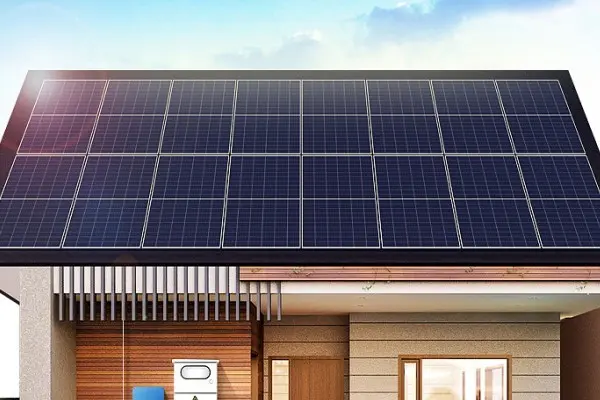
Solar Inverter Manufacturer & Factory in the Switzerland Market

Providing Swiss-certified grid stability, industrial-grade power transformation, and advanced BIPV solutions optimized for Alpine environments and strict European regulatory frameworks.

Switzerland-Optimized High-Performance Hardware Solutions

Premium grid-tied solar inverters, lithium battery energy storage systems, and advanced power management devices engineered to operate reliably in high-altitude environments.
Switzerland grid-tied solar inverter

Switzerland Grade High-Quality Solar system power inverter Product

Explore Specifications
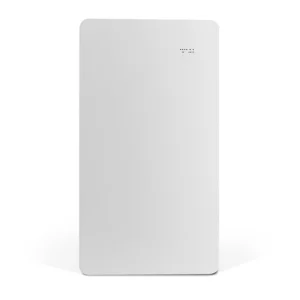
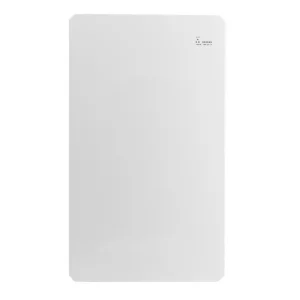
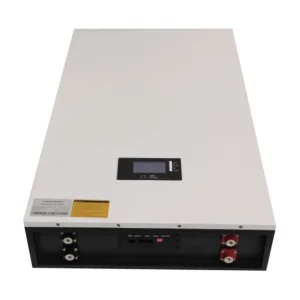
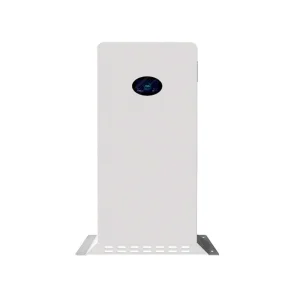
Switzerland wall-mounted energy storage

Swiss Alpine Edition High-Quality Wall-Mounted Lithium Battery Storage

Explore Specifications
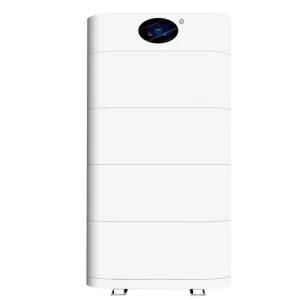
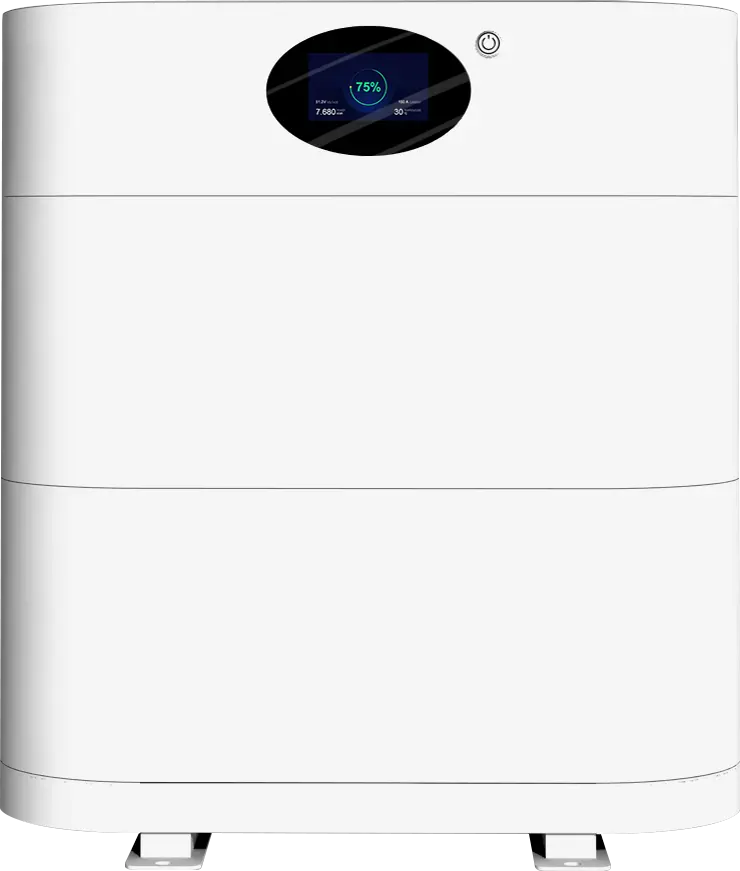
Elemro Shell 14.3kWh Swiss design

High-Quality Elemro SHELL 14.3kWh Solar Backup Battery for Swiss Households

Explore Specifications
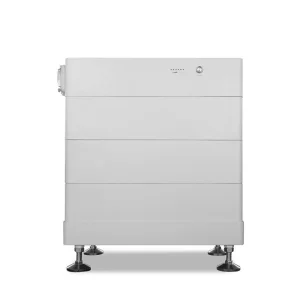
Elemro Shell 10.2kWh Swiss utility

High-Quality Elemro SHELL 10.2kWh Energy Storage Devices for Swiss Utility Projects

Explore Specifications

The Swiss Solar Market Landscape & Energy Strategy 2050

Switzerland’s path toward a decarbonized energy future is codified in its ambitious Energy Strategy 2050. With the gradual phasing out of nuclear power plants, which historically accounted for approximately 33% of the country’s electricity generation, solar energy has emerged as the cornerstone of the Swiss transition. The Federal Council targets an additional 34 TWh of renewable power production by 2050, requiring a massive acceleration of solar PV capacity installations across residential, commercial, industrial, and alpine terrains.

However, the Swiss grid presents strict power quality demands. Intermittent power injection must be managed through highly sophisticated solar inverters equipped with dynamic grid stabilization functions, active frequency regulation, and reactive power control. This has driven the Swiss market to prioritize high-efficiency, multi-MPPT inverters capable of maximizing yield under variable alpine conditions, where solar modules frequently face snow cover, cloud shading, and highly reflective albedo effects.

34 TWh
Target Renewable Generation by 2050
3,000m+
Alpine Installation Altitude Limit
>98.8%
Required Inverter Conversion Efficiency
Zero-Carbon
Swiss Grid Net-Zero Alignment

Technical Inverter Design for Swiss Topography & Alpine Climates

Operating solar systems in the Swiss Alps or highly urbanized cantons like Zurich and Geneva requires customized hardware design. Standard configurations fail to withstand the local environmental stresses.

Wide Bandgap (SiC) Integration

Our inverters integrate Silicon Carbide (SiC) power semiconductors, offering significantly reduced switching losses, higher thermal conductivity, and up to 99.2% European efficiency. This ensures maximum yield in low-light, high-altitude Swiss mountain regions.

Dynamic MPPT Algorithms

Dual-tracking and multi-string MPPT controllers are designed to mitigate mismatch losses caused by sudden cloud cover and localized snow shadows, common in the Swiss Mittelland and Alps. High-speed sweep tracking ensures fast recovery of the maximum power point.

Advanced Thermal Management

Utilizing high-reliability active fan cooling with intelligent speed control and IP66 sealing, our systems are engineered for high-altitude installation where thinner air limits natural convection heat dissipation. Tested for operations down to -30°C.

Inverter Efficiency Derating vs. Altitude in Swiss Alpine Applications

As PV projects scale up in high-elevation locations (e.g., AlpinSolar at the Muttsee dam, 2,500m above sea level), the low atmospheric pressure affects both dielectric insulation and convective thermal cooling of solar inverters. The table below outlines how our advanced design mitigates derating compared to standard commercial inverters:

Elevation (Meters) Standard Commercial Inverter Output Our Swiss Alpine-Optimized Inverter Thermal Dissipation Efficiency Insulation & Dielectric Integrity
0 - 1,000m 100% nominal capacity 100% nominal capacity Optimal (Natural Air Flow) Fully Rated (Esti Standard)
1,500m 94% capacity (thermal limit) 100% nominal capacity Enhanced Forced Air cooling Rated up to 1000V DC
2,000m 88% capacity (voltage limits) 100% nominal capacity Optimized heat sink array Internal clearance margins (+15%)
2,500m+ 79% capacity (significant de-rating) 95% capacity (industry leading) Dual redundancy fan configuration Specialized high-altitude gas discharge tubes

Global Enterprise Procurement & Supply Chain Optimization

For European EPC (Engineering, Procurement, and Construction) companies and global developers, solar inverter sourcing is no longer just about the upfront cost per watt. Modern procurement strategies are focused heavily on **Total Cost of Ownership (TCO)**, **long-term bankability**, **ESG compliance**, and **traceability** of critical raw materials.

In accordance with Europe's Corporate Sustainability Due Diligence Directive (CSDDD), Swiss enterprises demand complete clarity regarding supply chains. Our manufacturing facilities leverage state-of-the-art automation and strict quality management systems (ISO 9001, ISO 14001, ISO 45001) to verify component origins. From using Tier-1 semiconductors to ensuring cobalt-free lithium iron phosphate (LiFePo4) battery chemistry, we guarantee that every unit shipped to Basel, Geneva, or Zurich meets the highest ESG standards globally.

Additionally, our robust logistics channel minimizes lead times, offering direct factory-to-project shipping, customs clearance optimization through our European distribution center, and safety stockpiles of key warranty replacement modules.

Macro Industry Solutions: Beyond the Inverter

A solar system is only as strong as its weakest component. To provide comprehensive industrial energy independence, ELEMRO offers macro solutions integrating:

  • High-Voltage Containerized BESS: Scalable energy storage containers (up to 5MWh) designed for peak shaving, frequency control, and black-start capabilities in large manufacturing environments.
  • Building Integrated Photovoltaics (BIPV): Advanced CdTe (Cadmium Tellurium) thin-film solar modules that transform office glass facades and industrial roofing into active power generation units.
  • Microgrid Controllers: Intelligent EMS (Energy Management Systems) platforms that synchronize solar generation, battery status, industrial loads, and EV charging points in real-time.

About ELEMRO Energy

Established in 2019, headquartered in Xiamen, China, Elemro Energy has been specialized in new energy storage and electrical product solutions with rich experience. It is the market leader in the new energy industry that unifies R&D, production, and sales. The products have been sold to more than 250 customers in Europe, Southeast Asia, Africa, Mid-east, America, etc. Since its establishment, ELEMRO’s revenue has been growing rapidly every year. ELEMRO’s annual turnover is expected to exceed 50 millions USD in year 2023.

Our commitment is to "Power A Green Future" by integrating top-tier electrical engineering expertise with advanced lithium battery manufacturing to deliver scalable, safe, and highly efficient energy products to the global market, especially focusing on complex grid networks such as Switzerland's.

2019
Established Year
250+
Global B2B Customers
$50M+
2023 Projected Turnover
5+
Global R&D Hub Partnerships

Power A Green Future

We provide cleaner energy for a greener world through highly specialized industrial materials and structural solar solutions.

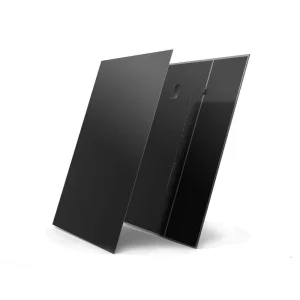
Solar Glass for Swiss BIPV Projects

Solar Glass

High-transparency photovoltaic glass designed for seamless architectural integration, thermal barrier insulation, and structural reliability in Swiss commercial buildings.

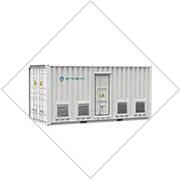
Energy Storage Container Switzerland Grid

Energy Storage Container

Megawatt-level modular utility batteries designed for industrial peak shaving, grid ancillary services, and heavy duty commercial protection.

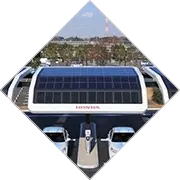
Car Port Solar Power Switzerland

Car Port Solar Power

Commercial-grade structural solar carports designed to optimize parking infrastructure into electric vehicle charging power houses.

Localization Support & Swiss Grid Compliance Safeguards

Navigating Swiss grid compliance requires deep understanding of federal electrical standards. The Federal Inspectorate for Heavy Current Installations (ESTI) enforces strict product testing before grid connection is permitted. Our entire range of commercial and industrial solar inverters carries complete documentation verifying compliance with:

  • EN 50549-1 / EN 50549-2: Compliant connection requirements for generators to distribution systems.
  • CE LVD & EMC Directive: Complete safety certification for voltage transients and electromagnetic emission.
  • VSE (Association of Swiss Electricity Companies) Guidelines: Integration of emergency grid disconnection logic.

Furthermore, our technical support service operates a dedicated regional maintenance network to guarantee quick dispatch of replacement components, onsite commissioning support, and comprehensive online training modules for certified local installers.

Technical Performance Checklist for Swiss Distribution Networks

Ensure your solar plant complies with local power grid connection directives before sourcing. All ELEMRO components feature:

Frequency Sensitive Mode (FSM) Active Standard Support
Reactive Power Control (Q(U) / Q(P)) Integrated Programmable
Low Voltage Ride Through (LVRT) Built-in Capability
Anti-Islanding Protection Dual Passive/Active Logic
Ethernet Modbus TCP / RTU SCADA Ready Protocols

Expert Q&A: Inverter and Energy Storage Integration in Switzerland

Comprehensive engineering perspectives addressing key technical questions from system integrators, EPC managers, and project developers.

1. What are the key Swiss regulations for solar inverter grid-connections? +
In Switzerland, solar inverters must comply with ESTI (Eidgenössisches Starkstrominspektorat) standards. Furthermore, compliance with the European standard EN 50549-1 (for low-voltage connections) and EN 50549-2 (for medium-voltage connections) is mandatory. The grid operators (such as BKW, EKZ, or EWZ) require dynamic reactive power control, frequency response settings, and automatic shut-off systems (anti-islanding) configured according to regional grid profiles.
2. How does operating in high-altitude Swiss alpine conditions affect inverter selection? +
High altitude implies lower atmospheric density, which reduces the heat dissipation capacity of the cooling systems. Typically, standard inverters experience thermal derating at elevations above 1,500 meters. For alpine projects, you must select inverters with advanced forced cooling systems or choose systems designed with component safety margins that prevent premature thermal derating. Insulating gaps inside the system must also be designed wider to prevent arc discharges in lower pressure atmospheres.
3. Why are Lithium Iron Phosphate (LiFePo4) batteries preferred for Swiss residential and commercial ESS? +
LiFePo4 chemistry offers superior thermal stability, a longer life cycle (typically >6,000 cycles at 80% DoD), and eliminates the risk of thermal runaway compared to standard NMC chemistries. This complies with Switzerland's strict VKF fire safety guidelines for building installations. Furthermore, they are ecologically friendly as they contain no toxic cobalt.
4. What is the efficiency curve of Wide Bandgap Silicon Carbide (SiC) inverters under low-light conditions? +
Silicon Carbide (SiC) semiconductors possess a wider bandgap than standard silicon. This enables fast switching with minimal power losses. In winter periods, which are prolonged in regions like the Alps, SiC inverters maintain up to 98% efficiency even under partial loads of 10-20% capacity, dramatically maximizing winter yield compared to conventional silicon-based systems.
5. How does snow albedo influence double-sided (bifacial) PV system inverters? +
Bifacial solar modules harvest back-reflected light from the snow, which raises the total output by up to 25% or 30%. This can lead to system clipping if the inverter is undersized. Inverters for alpine applications must support high DC-to-AC ratios (often up to 1.5 or greater) and high MPPT current inputs (15A to 20A per string) to accommodate peak currents generated by high albedo reflections.
6. Can ELEMRO Energy batteries be integrated with third-party inverter brands? +
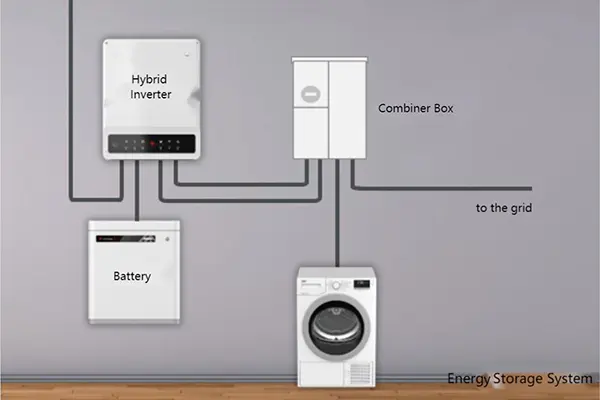
Yes, ELEMRO energy storage systems utilize open Modbus protocols and CAN/RS485 communications compatible with major European hybrid inverter brands. This ensures flexibility in design and smooth integration for developers.
7. What certifications are required to import and sell solar batteries in Switzerland? +
Key certifications include IEC 62619 for lithium cell safety, UN 38.3 for transport safety, CE marking, and compliance with the Swiss ordinance on return, taking back, and disposal of batteries (VREG), which enforces ecological recycling fees.
8. What are the benefits of CdTe thin-film panels for Swiss BIPV projects? +
CdTe thin-film technology offers a low temperature coefficient and performs exceptionally well under diffuse light conditions, shaded angles, and vertical installations (facades). This is highly beneficial in urban architecture where traditional silicon panels suffer from drop-offs in power output due to building shading.
9. How does dynamic grid management prevent distribution transformer overloading? +
Advanced solar inverters monitor the grid voltage at the connection point. If local voltage spikes occur due to high solar output, the inverter automatically adjusts its reactive power output to stabilize local voltage, preventing the need to disconnect the system and saving distribution assets from overload damage.
10. What is the typical return on investment (ROI) for industrial solar systems in Switzerland? +
With increasing grid tariffs and federal subsidies (Einmalvergütung), typical pay-back periods for C&I installations in Switzerland range between 6 and 9 years. Systems equipped with local storage (BESS) experience shorter ROI cycles due to reduced peak-demand charges from utilities.

Industrial Knowledge Base & Technical News

Stay updated with the latest technological developments in the solar storage industry directly from our R&D team.
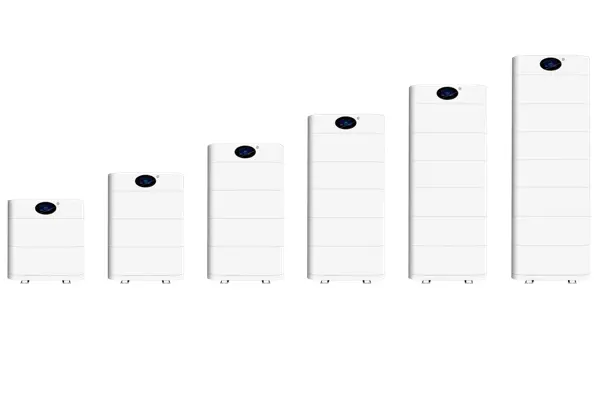
Complete Energy Storage & Solar Cells Product Catalog

Premium selection of LFP batteries, high-voltage stackable storage options, and specialized CdTe photovoltaic modules for BIPV project integration.
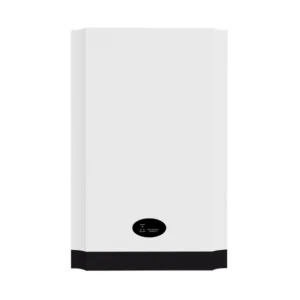
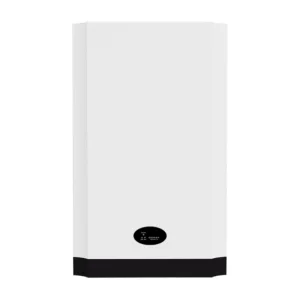
Elemro WHLV 10kWh Swiss Home Storage

High-Quality Elemro WHLV 10kWh Lifepo4 Battery for Home Battery Storage Switzerland

Explore Specifications
Elemro WHLV 5kWh Swiss Chalet Edition

Best Elemro WHLV 5kWh Solar Battery for House Zurich Projects

Explore Specifications
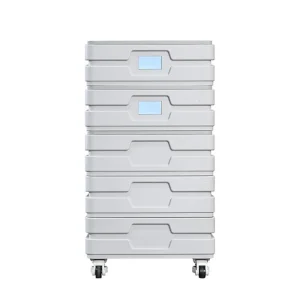
High-voltage stackable battery Swiss standard

High-Quality High-voltage storage LiFePo4 battery with stackable design Swiss Market

Explore Specifications
CdTe thin film cells Geneva BIPV

Best Elemro CdTe Cadmium Tellurium Thin Film Solar Cells for BIPV Projects Switzerland

Explore Specifications
Elemro WHLV 48V 200Ah Swiss C&I

Best Elemro WHLV 48V200Ah Solar Battery Storage Switzerland Market

Explore Specifications
High voltage energy lithium battery Switzerland

High-Quality High voltage energy storage lithium battery Product Switzerland

Explore Specifications
High voltage stacked energy storage Swiss homes

Best High Voltage Stacked Energy Storage Battery Swiss Standard

Explore Specifications
Elemro LCLV 14kWh backup Swiss Grid

Best Elemro LCLV 14kWh Solar Energy Storage System for Swiss Grid

Explore Specifications

Supporting Global Supply Chains and Verified Installation Standards

Partner Certificate Icon 1 Partner Certificate Icon 2 Partner Certificate Icon 3 Partner Certificate Icon 4 Partner Certificate Icon 5 Partner Certificate Icon 6 Partner Certificate Icon 7

Request Industrial Quotations & Engineering Support

For inquiries about our Swiss grid-compliant product catalog, dynamic price list, or tailored alpine engineering solutions, reach out to our global technical division today.

Send Inquiry Now

Our engineering team will get back to you with custom calculations within 24 hours.