Pre-engineered to comply with ComEd interconnection standards and certified under UL 1741 SB to ensure seamless resilience in extreme midwestern weather environments.
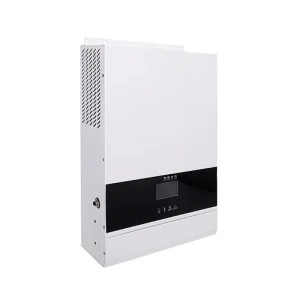
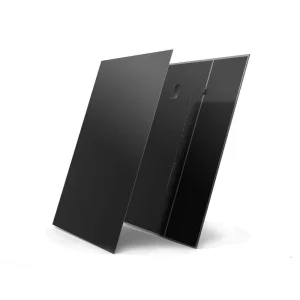
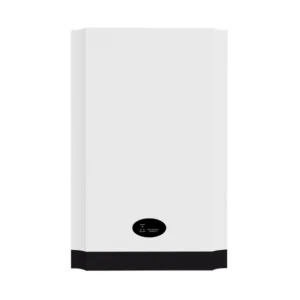
As the third-most populous metropolitan statistical area in the United States, Chicagoland represents a complex intersection of high-density industrial electricity demand, rigorous cold-climate operation parameters, and progressive state-level energy directives. The Illinois Climate and Equitable Jobs Act (CEJA) mandates 100% clean energy by 2050, accelerating the transition of utility systems, municipal infrastructures, and commercial & industrial (C&I) facilities from fossil-fuel baseline generation to localized photovoltaic microgrids. At the core of this transition lies the solar inverter—the critical computing and power conversion system that bridges raw DC power generated by solar arrays with the highly regulated AC grid overseen by ComEd (Commonwealth Edison).
Developing solar projects in the Chicago metropolitan area requires addressing several unique geographical and regulatory challenges. The region experiences extreme temperature variations, ranging from sub-zero winds during winter "polar vortex" events to high-humidity summer peaks. These conditions require solar inverters and energy storage systems with advanced thermal management. Standard outdoor installations are vulnerable to condensation, thermal shock, and early component degradation if not engineered to NEMA 4X (IP66) standards.
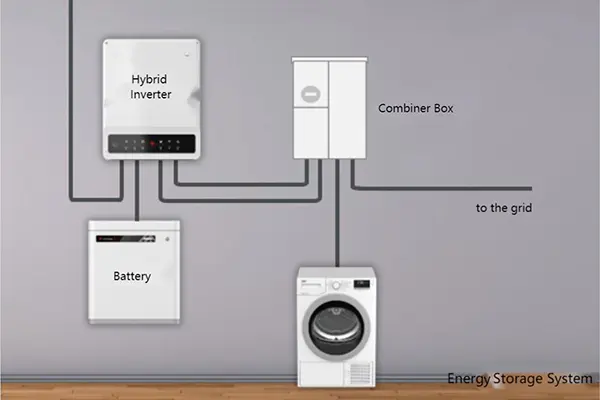
Furthermore, Chicago's C&I sector—comprising massive logistics hubs in the O'Hare corridor, manufacturing plants in Will and Cook Counties, and data centers throughout the metro area—demands high-capacity power systems. To maximize return on investment (ROI) under Illinois's Adjustable Block Program (also known as Illinois Shines), systems must be designed for maximum uptime and grid compatibility. Integrating solar inverters with battery energy storage systems (BESS) allows commercial enterprises to mitigate high demand charges under ComEd's commercial tariffs through peak-shaving and load-shifting strategies.
The ComEd electrical grid requires strict adherence to IEEE 1547-2018 standards for interconnecting distributed energy resources. Modern smart inverters serving Chicago must support advanced grid-support functions, such as voltage ride-through, frequency droop control, and dynamic reactive power support. ELEMRO's smart inverters feature built-in firmware conforming to UL 1741 SB, protecting the local distribution network while maximizing yield for the system owner.
The City of Chicago maintains its own distinct municipal electrical code, which historically incorporates specific variations from the National Electrical Code (NEC). Chicago's code emphasizes structural safety, wiring containment in metal conduit, and strict requirements for rapid shutdown systems to protect emergency personnel. For solar installations, this means the inverter and battery system must feature robust rapid shutdown controllers that lower DC system voltage to less than 30 volts within 30 seconds of activation.
To support EPC (Engineering, Procurement, and Construction) firms operating in Northern Illinois, ELEMRO offers comprehensive technical support, providing complete electrical schematics, PE (Professional Engineer) stamps when required, and pre-configured communication protocols that interface seamlessly with municipal monitoring networks. Our local partnerships ensure that shipping, commissioning, and on-site testing are conducted efficiently, reducing project lead times and streamlining the utility interconnection approval process.
The global energy storage and solar inverter market relies heavily on scale, manufacturing precision, and raw material access. Headquartered in the major industrial and shipping hub of Xiamen, China, ELEMRO leverages a world-class manufacturing supply chain. This configuration provides several key advantages for global buyers:
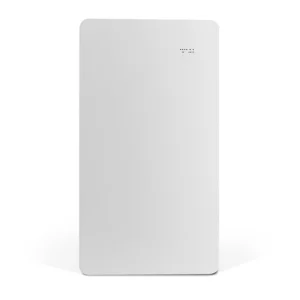
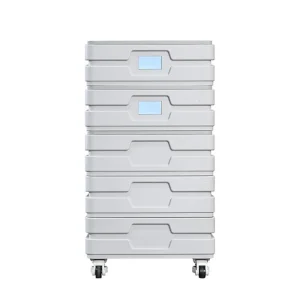
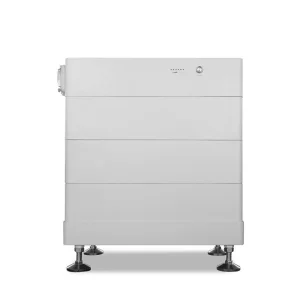
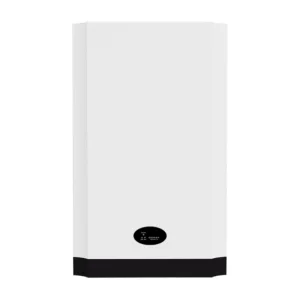
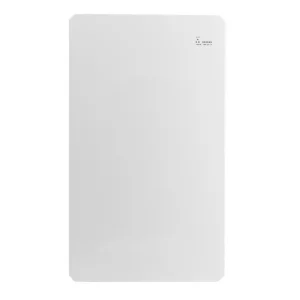
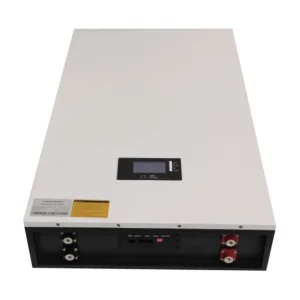
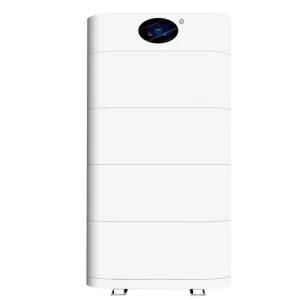
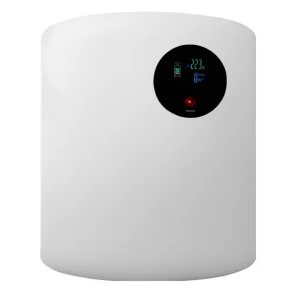
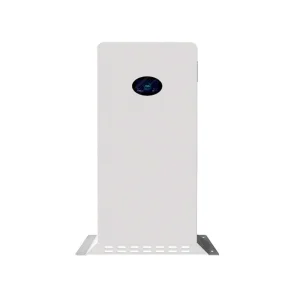
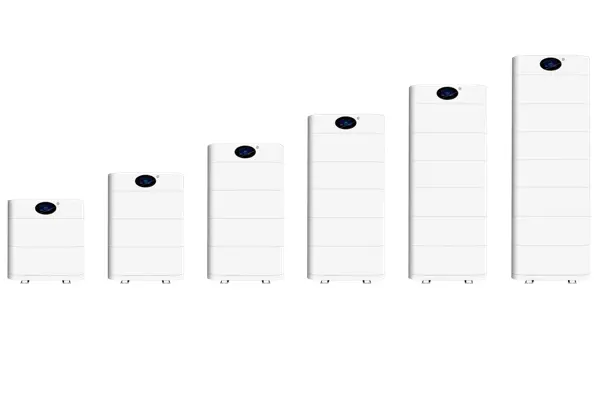
Industrial-grade lithium-iron-phosphate (LFP) energy storage units and high-voltage stacked battery banks built for peak performance in cold environments.
Enterprise procurement professionals and project developers evaluate utility-scale solar and energy storage components using strict financial and performance metrics. When selecting partners, developers focus closely on three main operational criteria:
The clean energy industry is transitioning from grid-following technology to advanced grid-forming systems. Traditional inverters rely on the presence of a stable utility voltage to synchronize their output. When grid outages occur, these units disconnect to prevent feeding power into a downed system. In contrast, grid-forming inverters can establish their own local voltage and frequency reference, serving as the foundation for independent microgrids.
ELEMRO's R&D department focuses on incorporating virtual synchronous generator (VSG) algorithms into our commercial hybrid systems. Additionally, we are shifting residential and commercial platforms from low-voltage (48V) setups to high-voltage (400V–800V) DC bus architectures. High-voltage systems help reduce transmission losses, decrease required copper cabling sizes, and improve the conversion efficiency of integrated battery storage units.

Established in 2019 and headquartered in Xiamen, China, Elemro Energy specializes in developing advanced energy storage systems and electrical product solutions. We operate as an integrated clean energy company combining R&D, production, and sales services.
Our solutions serve over 250 commercial, industrial, and residential customers across Europe, Southeast Asia, Africa, the Middle East, and the Americas. ELEMRO's annual turnover is expected to exceed 50 million USD, demonstrating our strong position and financial viability in the global renewable energy market.
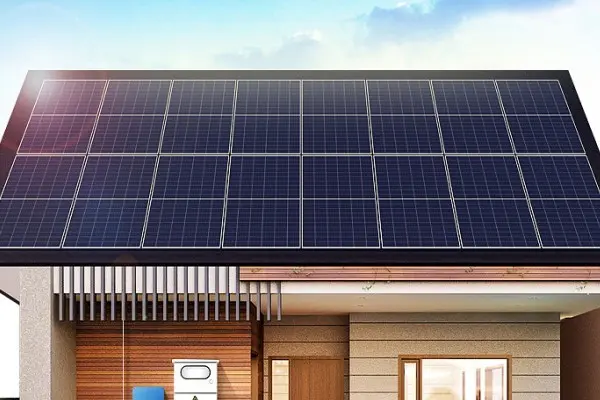
Deploying advanced solar inverters in Chicago involves several common installation scenarios, each with specific design and technical requirements:
Direct from our manufacturing catalogs, these platforms form the basis of our customized projects across North America and Europe.
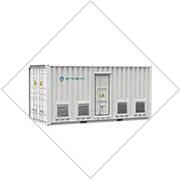
Request pricing, customization options, and certification documentation for your next commercial or industrial project. Our engineering team is ready to assist with design and integration support.
Send Inquiry NowRead about the latest developments in lithium chemistry, battery management system design, and commercial microgrid deployments.
Common questions about solar inverters, lithium batteries, and grid integration in the Chicago region.


 Elemro Energy