Deploy high-yield renewable architecture and structural storage to mitigate grid overload, reduce localized peak demand tariffs, and fulfill regulatory compliance.
New York is undergoing one of the most aggressive clean energy transitions in the United States. Driven by the **Climate Leadership and Community Protection Act (CLCPA)**, the state mandates 70% renewable electricity by 2030 and a fully zero-emission grid by 2040. In New York City, **Local Law 97 (LL97)** imposes severe financial penalties on buildings over 25,000 square feet that exceed specific carbon emission limits starting in 2024, with limits tightening dramatically in 2030.
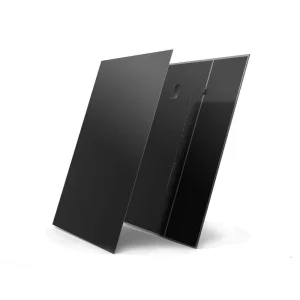
In high-density urban environments like Manhattan and Brooklyn, conventional rooftop solar array potential is limited due to roof equipment, shading, and limited surface area. This physical constraint positions **Building-Integrated Photovoltaics (BIPV)**—specifically PV Glass Panels—as the primary architectural vehicle to reduce operational carbon. By replacing traditional curtain walls, windows, skylights, and spandrel glass with advanced PV Glass, commercial skyscrapers can transform their extensive building envelopes into distributed vertical solar power plants.
In BIPV engineering, selecting the proper active material is crucial to match New York’s variable climatic patterns. The region experiences hot, humid summers, overcast skies, and severe winters with heavy snow accumulation. **Cadmium Tellurium (CdTe) Thin-Film Solar Cells** offer major performance advantages over crystalline silicon (c-Si) in complex urban facades:
| Performance Parameter | CdTe Thin-Film BIPV Glass | Crystalline Silicon (c-Si) Glass | New York Urban Project Impact |
|---|---|---|---|
| Temperature Coefficient | -0.25% / °C to -0.32% / °C | -0.38% / °C to -0.45% / °C | Higher summer power generation under high heat indices. |
| Shading Tolerance | High (Linear response to partial blockages) | Poor (Bypass diodes required, high risk of hot-spots) | Excellent performance in skyscraper shadows and self-shading. |
| Visual Translucency | 10% - 50% Adjustable (Continuous) | Segmented (Spaces between opaque cells) | Superior interior daylighting and glare control. |
| Embodied Carbon | Lowest among all solar technologies | Moderate to High | Supports LEED and Local Law 97 compliance from day one. |
The global PV glass supply chain relies on massive scale and high precision. Elemro Energy leverages the state-of-the-art production capacity of China’s leading industrial zones in Fujian and neighboring provinces. This geographic integration offers massive R&D and cost advantages:
We provide cleaner energy for a greener world through structural solar integration and utility-grade energy storage.
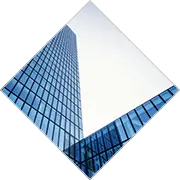
Double-glazed BIPV structural glazing units engineered with CdTe or crystalline silicon to replace traditional facade envelopes.
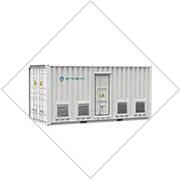
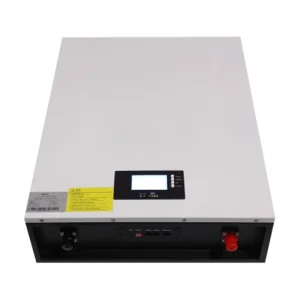
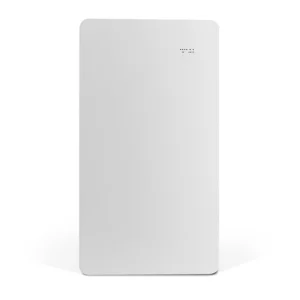
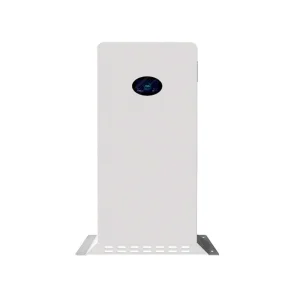
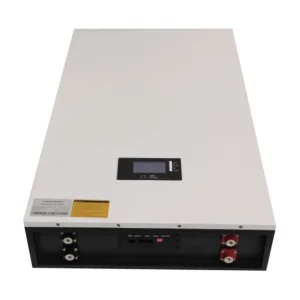
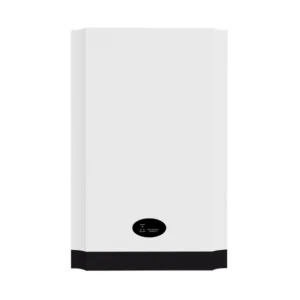
Megawatt-scale lithium iron phosphate (LiFePO4) outdoor containers with liquid-cooling thermal management for C&I grid support.
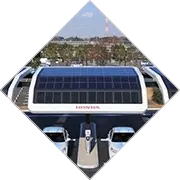
Pre-engineered structural PV framing systems optimized for commuter parking and fleet electrification applications.
Established in 2019, headquartered in Xiamen, China, Elemro Energy specializes in advanced new energy storage systems and electrical product solutions. As a market leader unifying R&D, production, and sales, our international footprint spans over 250 industrial partners in Europe, Southeast Asia, Africa, the Middle East, and the Americas. ELEMRO's annual turnover exceeded 50 million USD in 2023, reflecting rapid market adoption driven by strict engineering standards and global compliance protocols.
Integrating distributed PV glass and reliable storage yields significant operational cost reductions for diverse real estate sectors:
By replacing traditional curtain wall cladding with semi-transparent CdTe PV glass panels, building owners generate clean power directly from vertical structures, lowering building envelope heat gain and cutting carbon emission fines under LL97.
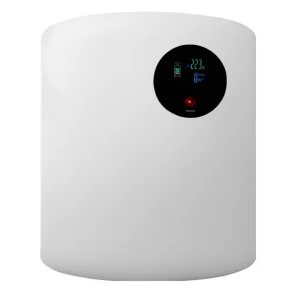
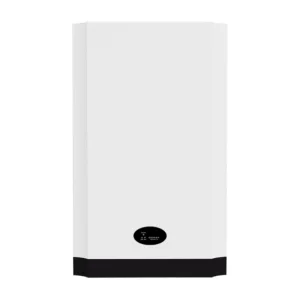
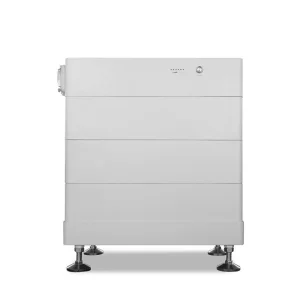
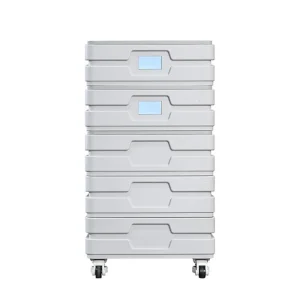
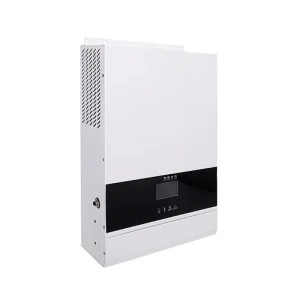
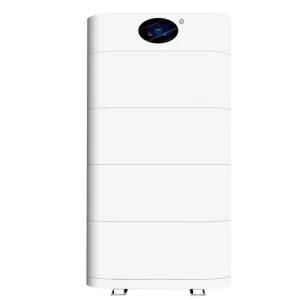
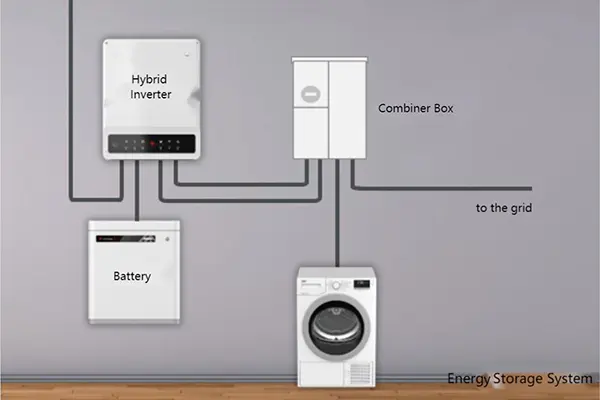
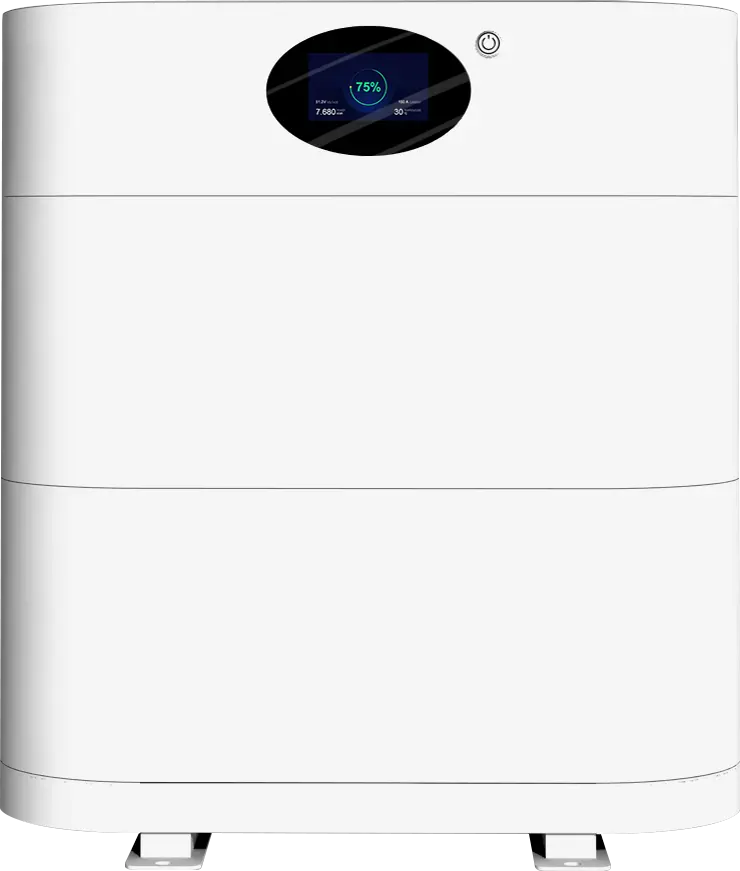
New York businesses incur steep demand charges during peak usage hours. Integrating stackable high-voltage LiFePO4 batteries with intelligent commercial inverters allows facilities to charge from PV arrays or off-peak utility hours, discharging when demand charges are highest.
Municipal parking lots and logistics hubs leverage heavy-duty solar carports to generate clean energy, protect fleet assets from extreme snow events, and feed power into local Microgrids.
Procuring commercial solar glass and battery energy storage products requires verification of international certification and electrical compatibility. Elemro Energy guarantees compliance under the following technical frameworks:
For deployment in the US market, components must meet strict standards. Our products satisfy: UL 1703 / IEC 61215 for PV Module safety and performance; UL 1973 / UL 9540A to guarantee thermal runaway mitigation in lithium battery systems; UN38.3 for battery transport safety.
We work directly with EPC contractors, architects, and electrical engineers in New York, customizing PV Glass dimensions, transparency levels, thermal transmission (U-value) coatings, and battery capacity scaling from 5kWh residential units up to multi-megawatt container systems.
Pair your PV Glass installations with tier-1 energy storage systems to secure uninterrupted operations and maximize local feed-in tariff incentives.
Our engineering support team offers comprehensive analysis of wind load, thermal insulation performance (U-value), and electrical compatibility with local utility guidelines in New York.
Send Inquiry NowStay updated with deep engineering insights, trade shows, and technological breakthroughs in the renewable energy industry.
Jul 07, 2023
Jul 07, 2023
Jul 07, 2023
Nov 26, 2023
Nov 10, 2023
Sep 15, 2023
Get quick answers to common engineering, procurement, and regulatory questions regarding PV Glass and Energy Storage systems in the New York market.
NYC Local Law 97 penalizes buildings over 25,000 square feet that exceed carbon limits. PV Glass integrates directly into curtain walls and window installations, turning passive building envelopes into active energy generation sources. The generated electricity offsets building usage, lowering your carbon footprint and avoiding severe municipal carbon fines.
CdTe thin film operates much more efficiently under diffuse light (cloudy conditions) and high degrees of shading, which is common in high-density areas of Manhattan and Brooklyn. It also features a lower temperature coefficient, generating more energy during the summer months compared to traditional crystalline silicon panels.
Yes. Our commercial and residential energy storage systems are certified under key US compliance frameworks, including UL 1973, UL 9540A, and UN38.3. Our solar modules and PV glass products are designed and manufactured to comply with UL 1703 and IEC international safety standards.
We provide a range of transparency options from 10% to 50% light transmission, enabling engineers to balance lighting comfort with energy efficiency. Size and thickness can be customized to match wind-load and insulation requirements (Double-Pane Insulating Glass Units) of New York architectural blueprints.
Thanks to our optimized logistics chain from Xiamen port, standard orders are processed and prepared within 30-45 days. Transit times to New York (Port of NY/NJ) vary by shipping line but typically take 30 days. Custom architectural BIPV orders include dedicated production planning to match construction timelines.




 Elemro Energy