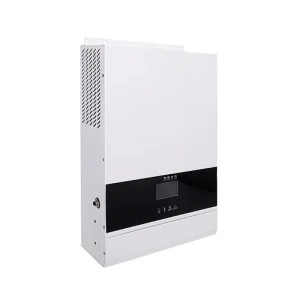
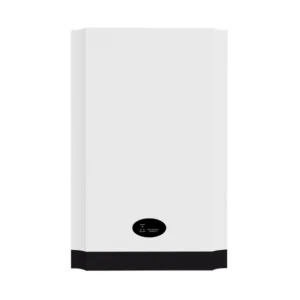
As the "Energy Capital of the World," Houston is undergoing a paradigm shift. Rising electrical transmission charges within the ERCOT market, coupled with increasingly severe weather events, have forced Commercial and Industrial (C&I) operators to rethink energy security and sustainability. Photovoltaic Glass Panels (PV Glass), particularly building-integrated photovoltaics (BIPV), have moved from niche architectural options to foundational components of resilient corporate microgrids.
By transforming building envelopes, warehouses, parking canopies, and industrial complexes into clean energy-generating assets, Houston enterprises are achieving deep decarbonization while securing critical infrastructure redundancy. In this whitepaper, we dissect the market conditions, manufacturing paradigms, and engineering dynamics of deploying state-of-the-art solar and energy storage architectures in the Texas Gulf Coast region.
BIPV Growth in Texas
Projected compound annual increase in industrial BIPV installations across the Gulf Coast over the next five years.
We provide cleaner energy for a greener world.

Highly resilient solar components engineered specifically to withstand thermal loads, grid volatility, and physical impacts common to Texas weather.
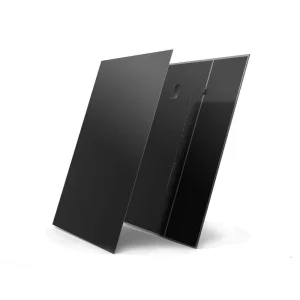
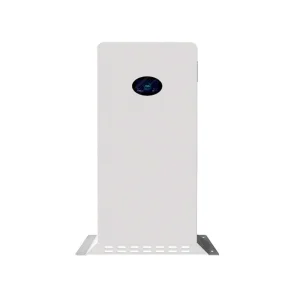
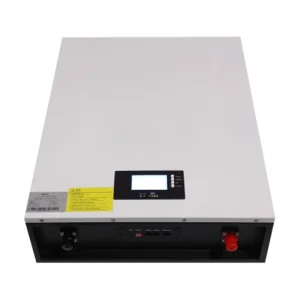
From a global perspective, the demand for Photovoltaic (PV) Glass is reaching unprecedented levels. Industrial developers are shifting from traditional ground-mounted systems to BIPV solutions to optimize urban footprint efficiency. PV glass panels act simultaneously as building enclosure materials (such as curtain walls, skylights, and facades) and power generation units.
In Houston, local factors amplify this global trend. The region faces a unique intersection of conditions:
By implementing CdTe thin-film panels, local projects benefit from optimal spectral response under cloudy or humid coastal conditions, capturing more diffused light than standard silicon technologies.
ASTM E1300 Wind Load Rating & UL 1703 Fire Resistance Class A.
Established in 2019 and headquartered in Xiamen, China, ELEMRO Energy has quickly established itself as a premier provider of new energy storage and electrical product solutions. Integrating research and development, smart manufacturing, and global sales pipelines, ELEMRO focuses on delivering reliability, safety, and performance.
Serving over 250 industrial and C&I clients across Europe, Southeast Asia, Africa, the Middle East, and the Americas, ELEMRO has maintained a robust year-on-year growth rate. With annual revenues exceeding 50 million USD, we continue to scale production capacities to meet the rising demand for PV Glass, smart hybrid inverters, and battery energy storage containers.
To scale solar deployment globally while maintaining economic feasibility, understanding the PV supply chain is crucial. Chinese production facilities, specifically those located in the high-tech manufacturing corridors of Fujian and Xiamen, offer unparalleled industrial efficiencies:
By bridging cutting-edge R&D with Texas structural standards, ELEMRO matches Chinese manufacturing speed with strict adherence to Western building codes (IBC and local Houston modifications).
Applying custom PV Glass and Energy Storage Systems to address practical commercial, civil, and industrial challenges in the Houston area.
Replacing standard glass curtain walls on downtown skyscrapers with CdTe solar glass panels. This generates clean power even under low-angle winter sunlight while reducing cooling load through integrated solar control glazing coatings.
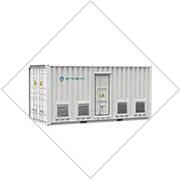
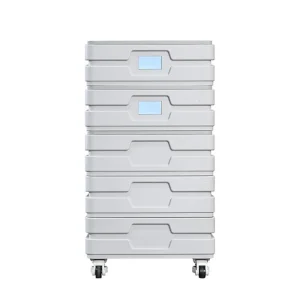
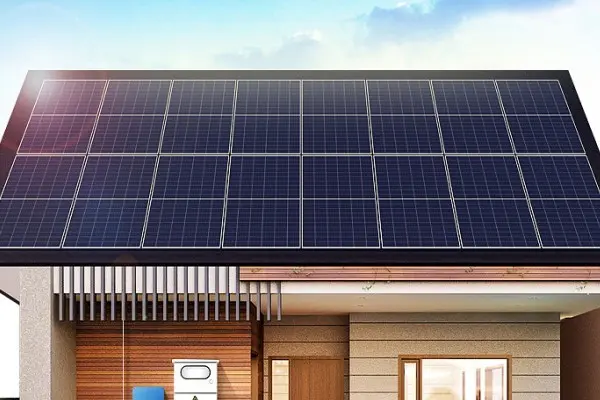
Houston's massive logistics warehouses and distribution hubs utilize large rooftops. Combining high-voltage stacked ESS batteries with lightweight PV panels creates an autonomous microgrid, securing cold storage assets against blackouts.
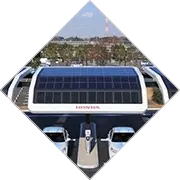
Houston corporate campuses and retail complexes utilize solar carports to generate local energy. These systems shade vehicles from intense Texas heat while feeding clean power directly to EV charging stations and building circuits.
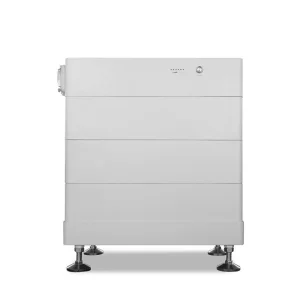
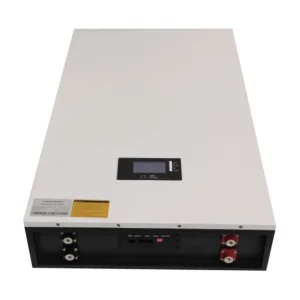
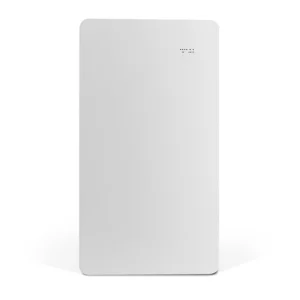
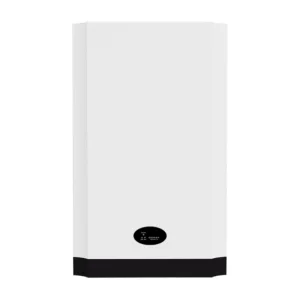
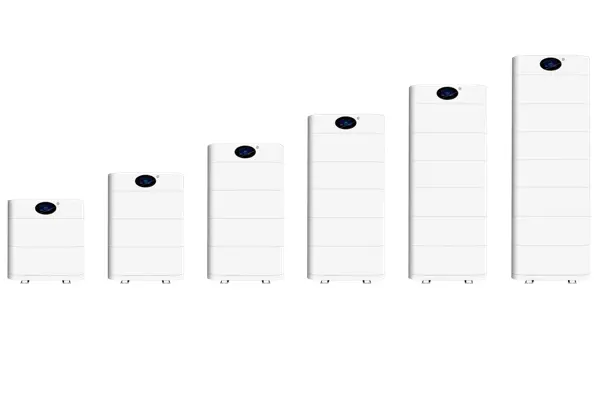
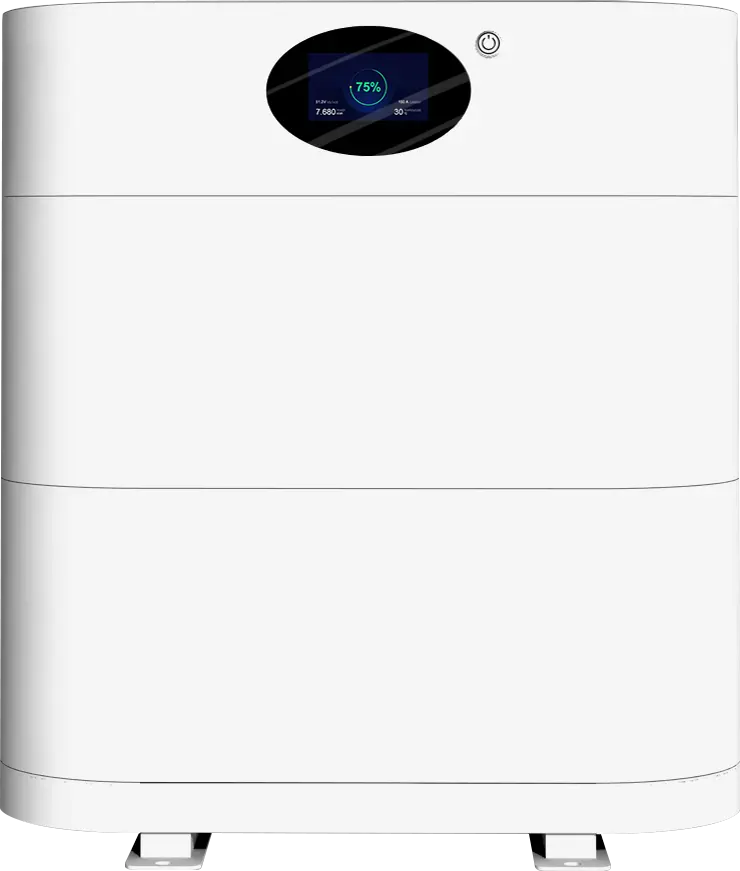
Explore our complete line of industrial energy products, featuring high-voltage storage architectures and high-density battery solutions.
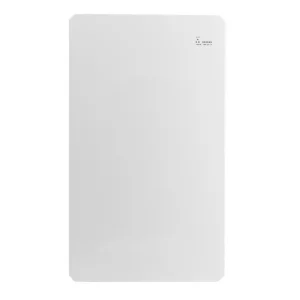
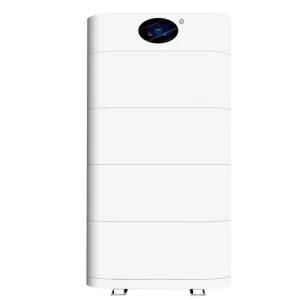
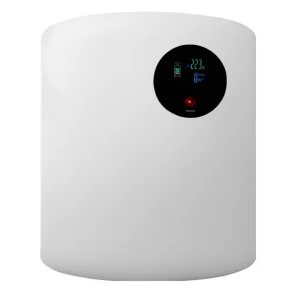
For procurement officers and lead structural engineers in major markets, evaluating PV Glass involves assessing key electrical, optical, and mechanical performance specifications:
All import structures are tested to support sustained design wind pressures up to 30 psf (pounds per square foot), aligning with regional ASCE wind speed maps.
Request Engineering FilesStay informed with detailed technical insights, case studies, and engineering briefs compiled by our energy solutions team.
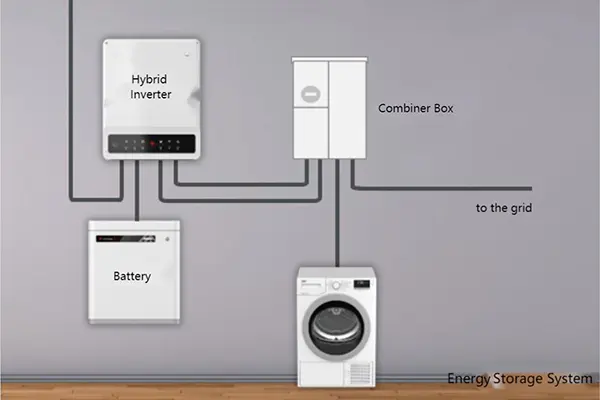
Find answers to common technical queries about installing PV Glass and Energy Storage Systems on commercial projects.
Houston's high summer temperatures trigger thermal degradation in standard silicon panels, reducing their electrical output. Cadmium Tellurium (CdTe) thin-film solar glass has a low negative temperature coefficient (typically -0.21%/°C), meaning it maintains higher power generation under intense heat. Additionally, CdTe performs well with diffused and humid light conditions, which are common along the Texas Gulf Coast.
Our PV glass products are laminated with multi-layer high-durability polymer inner layers (EVA/POE) and constructed from fully tempered safety glass. They meet ASTM standards for structural loads and are designed to comply with local wind load requirements (up to 2400 Pa or 150+ mph zones) when integrated into approved engineering framing systems.
Yes. Our high-voltage stacked battery energy storage systems (ESS) are designed for flexibility. Using standard communication protocols (such as Modbus/CAN), they integrate with modern hybrid and C&I inverters to enable peak-shaving, load-shifting, and emergency backup power.
Custom project timelines typically span 6 to 10 weeks. This includes technical drawing sign-off, glass tempering, lamination, wiring integration, test protocols, and port logistics from Xiamen. We manage shipping and provide documentation for customs clearance.
Double-glazed PV glass panels function as high-performance low-E glass. They block thermal infrared radiation, reducing heat transmission into the building interior. This lowers the building's U-value and reduces HVAC cooling loads, creating an additional layer of energy savings alongside direct solar power generation.
Get in touch with our design engineers and international supply chain experts to receive custom specifications, sizing proposals, and direct-factory pricing metrics within 24 hours.



 Elemro Energy