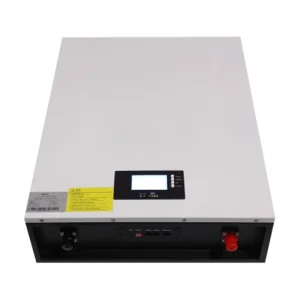
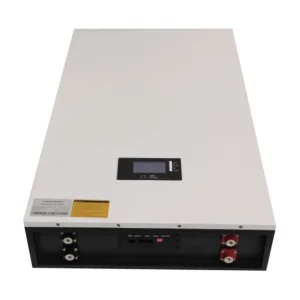
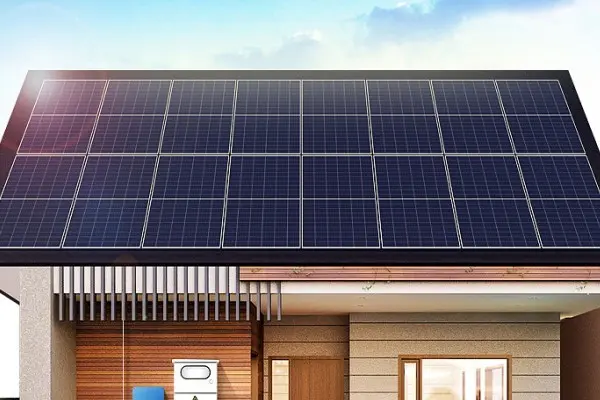
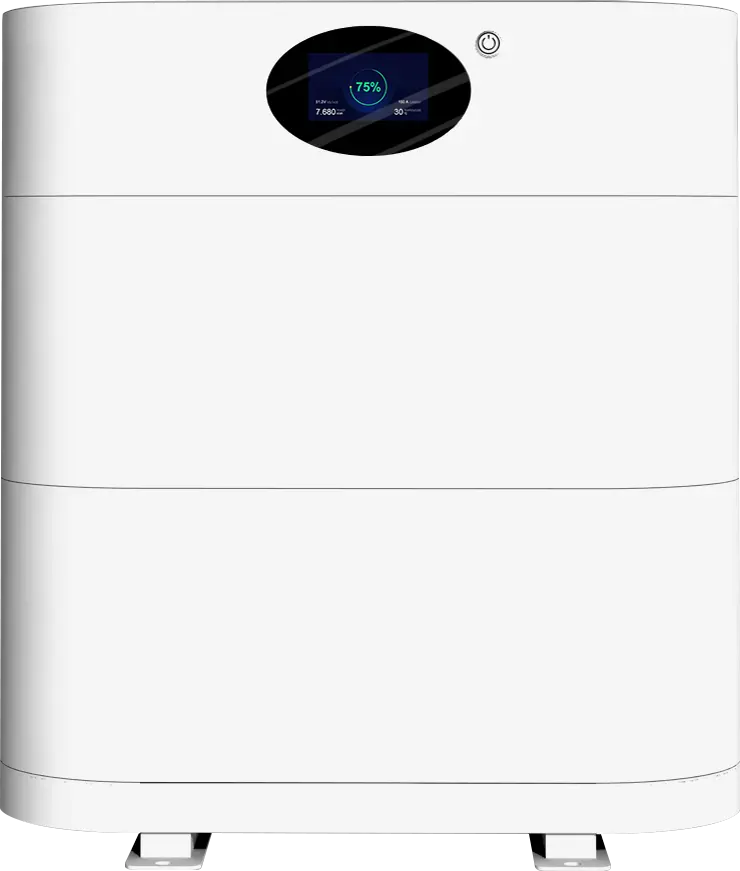
Optimized solar glass panels and localized energy storage assemblies developed for integration into Seoul's strict Zero-Energy Building (ZEB) infrastructure.
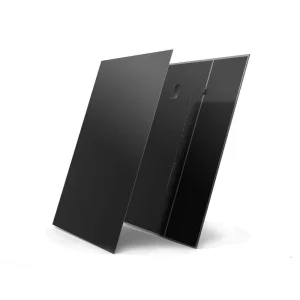
Seoul, the heart of South Korea's economic engine, is undergoing a sweeping architectural transformation. Under the Seoul Metropolitan Government's ambitious Net-Zero mandates and the updated framework of the Zero Energy Building (ZEB) Certification (which mandates ZEB compliance for newly constructed private buildings over 1,000 square meters), developers face a massive challenge. Traditional rooftop-based solar installations cannot provide sufficient surface area in densely packed districts like Yeouido, Gangnam, and Jongno. To achieve the required energy self-sufficiency rates, modern skyscrapers must convert their vertical envelopes into clean power plants. This is where Photovoltaic (PV) Glass Panels and Building-Integrated Photovoltaics (BIPV) become critical infrastructure components rather than optional aesthetic accents.
Architectural glazing in Seoul must withstand extreme environmental variations. High wind loads generated by the urban canyon effect require structural glazing that complies with the Korean Structural Design Code (KDS 41 12 00). Our specialized Cadmium Telluride (CdTe) thin-film solar glass exhibits phenomenal thermal stability and mechanical endurance, boasting wind load capacities up to 5400 Pa. Unlike standard crystalline silicon panels, CdTe technology possesses a superior temperature coefficient (-0.2%/°C), meaning it suffers minimal efficiency loss during Seoul's hot, humid summer months (where rooftop temperatures can exceed 75°C). Additionally, during the winter and the heavy cloud cover of the yellow dust season, CdTe panels maintain high performance under weak and diffuse light conditions, offering a higher overall energy yield than conventional technologies.

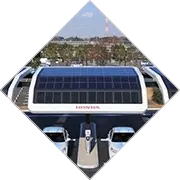
Combining world-class engineering with tailored localized services for the South Korean green transition.
Established in 2019 and headquartered in the high-tech industrial hub of Xiamen, China, Elemro Energy has rapidly emerged as a market leader in the clean tech sector. By unifying research and development, smart production lines, and global logistical networks, Elemro Energy supplies top-tier PV glass panels and utility-grade energy storage systems across five continents. In 2023, our annual turnover successfully surged past the 50 million USD milestone, serving over 250 corporate and municipal clients globally.
For the Metropolitan Area of Seoul, Elemro Energy provides end-to-end integration support. We bridge the gap between initial BIPV CAD design files and local electrical grid interconnection, aligning our solutions with Korea Electric Power Corporation (KEPCO) requirements. We ensure that every batch of solar glass panels and energy storage systems shipped to Seoul meets both international benchmarks and domestic certifications, including Korean Standard (KS) safety certifications.
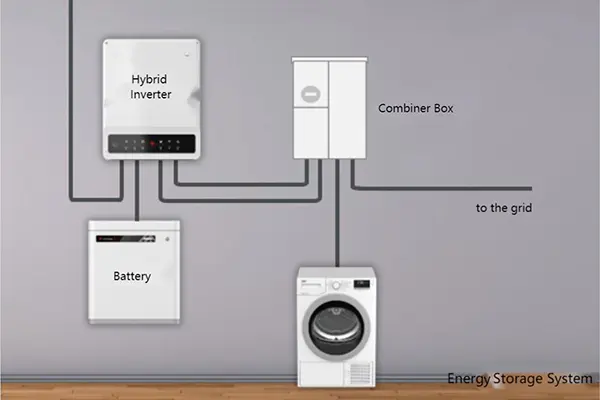
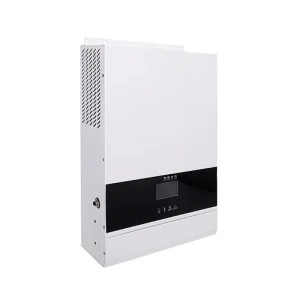
Implementing vertical solar energy solutions requires a deep understanding of urban power electronics. In massive high-rise developments, the raw DC power generated by high-density Cadmium Telluride thin-film panels must be gathered, optimized, and converted to AC with minimal harmonic distortion. Elemro Energy supplies fully matching high-voltage stacked energy storage systems and smart hybrid inverters that manage power distribution dynamically.
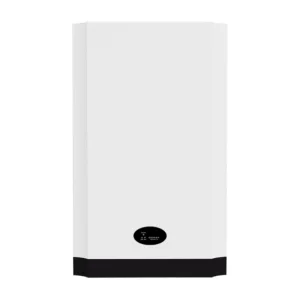
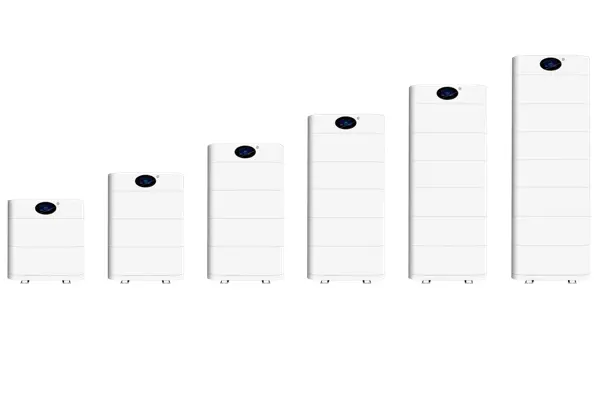
By integrating our stackable, high-voltage lithium battery energy storage systems (ESS) with the BIPV façade network, a facility transitions from a passive consumer of energy to a smart microgrid node. During peak load periods in Seoul (specifically between 2 PM and 5 PM in mid-summer), the local EMS (Energy Management System) draws power directly from the internal battery reserve, bypassing high time-of-use (TOU) tariffs imposed by local utilities. During low-demand nighttime periods, the batteries recharge using cheap off-peak power, creating a highly optimized, cost-saving cycle.
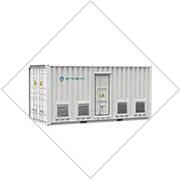
Deepening local infrastructure versatility with optimized off-grid & utility-scale backup equipment.
Building-integrated installations are subject to extremely rigorous safety assessments in South Korea. The national regulatory framework under the Korea Agency for Technology and Standards (KATS) enforces strict fire protection standards on building facade components. Elemro Energy's CdTe glass features Class A fire safety ratings, achieved through double-tempered structural safety glass assembly.
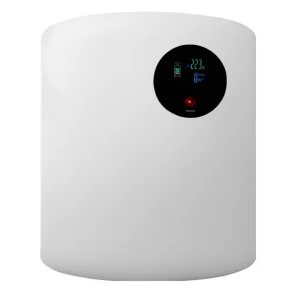
Furthermore, our battery energy systems utilize premium Lithium Iron Phosphate (LiFePO4) chemistry, widely recognized for its high thermal runaway threshold compared to traditional NCM batteries. Each battery cabinet is manufactured to exceed the standards of KC 62619 (the safety standard for industrial lithium batteries in Korea) and comes equipped with smart thermal monitoring and aerosol fire extinguishing subsystems.
To facilitate project completion timelines, we support architectural firms and construction engineers with complete mechanical load calculations, shadow simulations (to account for nearby high-rise shading patterns in downtown Seoul), and compliance reports for building permit submissions.
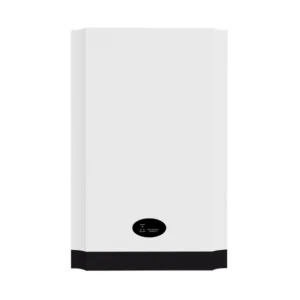
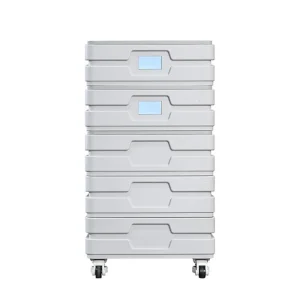
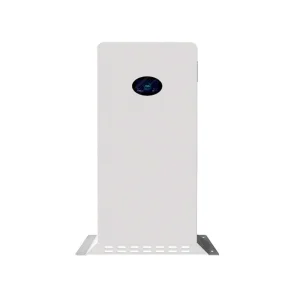
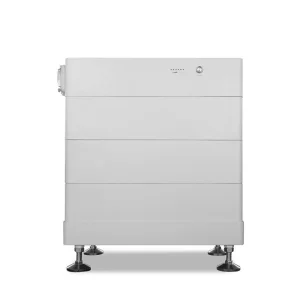
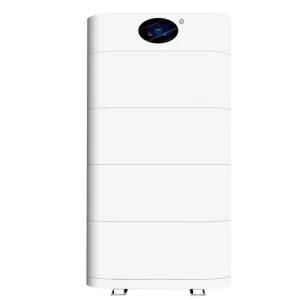
High-voltage battery assemblies, solar power inverters, and high-performance glass models designed to serve Seoul's commercial and industrial sectors.
As light-conversion efficiency continues to rise, Building-Integrated Photovoltaics (BIPV) will transition from supporting roles to becoming primary generators. Elemro Energy's research labs are focusing on optimizing CdTe bandgaps to capture a broader range of the solar spectrum, targeting architectural glass with conversion efficiencies exceeding 18% in semi-transparent configurations.
Furthermore, our battery energy storage lines are evolving to support higher power density architectures. We are engineering integrated smart-grid software interfaces that leverage machine learning to predict local solar yield and schedule building consumption profiles automatically. Over the next decade, as Seoul aims to achieve complete municipal decarbonization, these integrated BIPV-ESS ecosystems will serve as the backbone of decentralized urban power infrastructure.
Keep pace with the latest breakthroughs in smart microgrids, thin-film BIPV technologies, and global energy storage innovations.
Jul 07, 2023
Nov 26, 2023
Nov 10, 2023
Get professional answers to common technical, mechanical, and regulatory questions regarding BIPV systems and energy storage in South Korea.





Get in touch with our engineering team for custom BIPV glass design files, pricing options, and complete system integration support.
Send Inquiry Now Elemro Energy