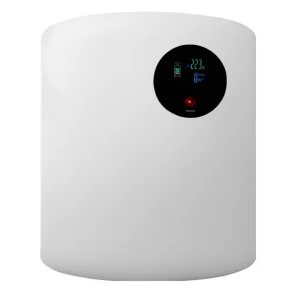
High-transmittance photovoltaic glass modules and engineered energy storage solutions optimized for the unique grid environment of São Tomé and Príncipe.
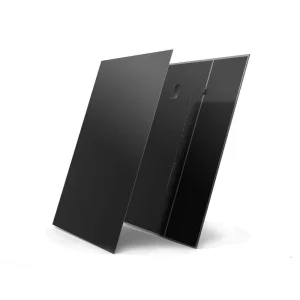
Established in 2019 and headquartered in the high-tech hub of Xiamen, China, ELEMRO Energy has emerged as a globally recognized market leader in the new energy storage and electrical product solutions industry. Our operation seamlessly unifies research and development (R&D), advanced manufacturing, and global sales channels. Today, ELEMRO stands at the forefront of the green transition, serving more than 250 industrial, commercial, and residential clients across Europe, Southeast Asia, Africa, the Middle East, and the Americas.
By leveraging China's Tier-1 PV glass manufacturing technologies and intelligent engineering, ELEMRO's annual turnover exceeded 50 million USD in 2023. Our mission is to engineer high-durability solar glass products and energy storage systems tailored specifically for markets requiring extreme climate tolerance and standalone grid architectures—most notably, the developing industrial and eco-tourism landscape of São Tomé and Príncipe.
São Tomé and Príncipe, an island nation situated in the Gulf of Guinea off the western coast of Central Africa, faces deep infrastructural challenges regarding its energy grid. Historically, the country has relied almost exclusively on expensive, imported diesel fuel for its thermal power plants. This reliance results in some of the highest levelized costs of electricity (LCOE) in the region, coupled with frequent load-shedding and high vulnerability to global supply-chain disruptions.
To mitigate these structural vulnerabilities, the government of São Tomé and Príncipe, alongside international development organizations, has targeted a transition to 50% renewable energy generation by 2030. Achieving this ambitious milestone requires deploying reliable, marine-grade PV systems that can withstand the archipelago's unique tropical conditions, characterized by high humidity, ambient temperatures averaging 27°C, and severe salt mist corrosion from the Atlantic Ocean.
In humid island climates, standard photovoltaic panels often suffer from accelerated degradation, such as Potential Induced Degradation (PID) and moisture ingress. Dual-glass (glass-on-glass) PV panels, manufactured with ultra-clear tempered glass and advanced encapsulation materials (such as POE), provide absolute protection against water vapor penetration and structural warping.
Furthermore, Building-Integrated Photovoltaics (BIPV)—specifically Cadmium Telluride (CdTe) thin-film solar glass—presents a highly attractive solution for São Tomé's growing sustainable tourism and hospitality sectors. Resorts, commercial offices, and public facilities can replace traditional windows, facades, and skylights with energy-producing solar glass, maintaining structural integrity and aesthetics while generating clean electricity on-site.
Designing a resilient solar array in São Tomé requires selecting the correct PV glass technology based on optical performance, temperature coefficients, and atmospheric conditions.
Traditional silicon PV modules exhibit high power degradation in tropical heat, with temperature coefficients around -0.4%/°C. ELEMRO's CdTe (Cadmium Telluride) thin-film glass operates with a vastly superior temperature coefficient of just -0.2%/°C. This ensures consistent yield even during peak afternoon heat waves in São Tomé.
Archipelagos frequently experience localized cloud covers and high moisture density, creating diffused light conditions. Thin-film CdTe glass captures a broader spectral range, generating power earlier in the morning and later in the evening compared to standard crystalline panels.
Dual-glass lamination acts as an absolute physical barrier. By enclosing the photovoltaic cells between two sheets of high-strength tempered glass, the system completely prevents salt-mist erosion, micro-cracking due to high tropical winds, and internal polarization-induced degradation.
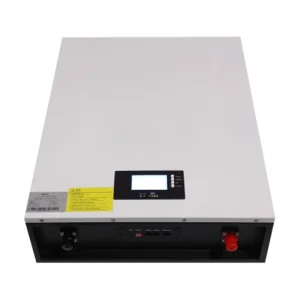
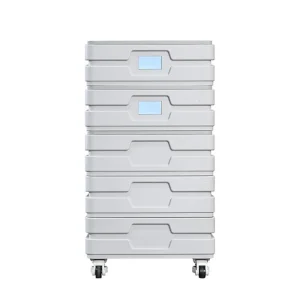
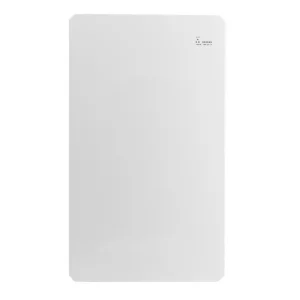
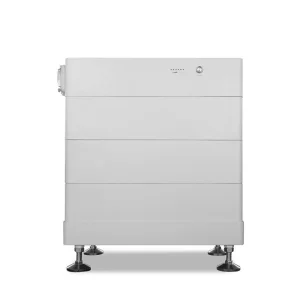
Incorporating intelligent energy storage systems (ESS) alongside PV glass arrays is critical for local grid stabilization. A typical off-grid or weak-grid application in São Tomé and Príncipe utilizes a hybrid energy storage topology. The PV glass generates energy during peak sun hours, direct-feeding loads and routing excess capacity to lithium iron phosphate (LiFePO4) battery banks. These high-density battery systems provide microgrid stability, peak shaving, and emergency power backup during overnight hours or extended cloud covers.
ELEMRO's state-of-the-art production network in Xiamen and regional manufacturing centers utilize advanced automation to assure quality, cost efficiency, and timely dispatch to West African ports.
Our PV glass manufacturing facilities deploy raw-material batching systems, fully automated float-glass furnaces, and precision CNC cutting and edge-grinding machinery. Every glass sheet undergoes optical scanning to detect micro-impurities, bubble inclusions, and surface deviations before it is certified for anti-reflective coating application. This ensures a solar light transmittance of over 94%.
Before packing, ELEMRO products undergo rigorous test protocols in simulated environment chambers. These tests verify structural resilience under wind loads up to 5400 Pa, snow loads up to 2400 Pa, and extreme salt-spray exposure (Class 6 rating), ensuring complete survival in the high-humidity coastal zones of São Tomé and Santo António.
Transporting fragile glass modules and heavy lithium battery systems to island nations requires high-level logistics coordination. ELEMRO provides specialized container loading schemes using reinforced steel-frame crates to prevent transit breakages. We coordinate closely with global shipping lines serving African hubs, arranging secure transfer points to ensure timely, intact arrivals at the Port of São Tomé.
To address energy access gaps, ELEMRO offers comprehensive, modular systems designed for fast deployment and minimal local maintenance overheads.
Integrate semi-transparent CdTe BIPV glass into resort awnings, skylights, and balconies. Generate localized clean power silently, preserving the architectural aesthetics of São Tomé's world-class eco-tourism sites.
Equip coastal warehouses and logistics depots with double-glass anti-saline PV panels. Pair them with containerized energy storage units to sustain refrigeration and cargo handling without diesel generator noise.
Deploy localized energy clusters combining rooftop PV glass panels with stackable LiFePO4 batteries to supply uninterrupted power to rural communities, clinics, and educational centers across the islands.
Operating in São Tomé and Príncipe requires deep familiarity with local custom codes, port logistics, and technical grid guidelines. ELEMRO ensures full compliance with international engineering benchmarks and provides localized, virtual commissioning support for installation contractors.
We coordinate closely with local import brokers at the Port of São Tomé to supply all required import document packages, including Certificate of Origin, product test reports, and customs-compliant packing lists, minimizing duty delays and logistics headaches.
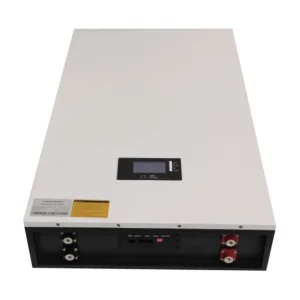
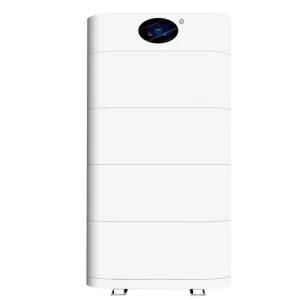
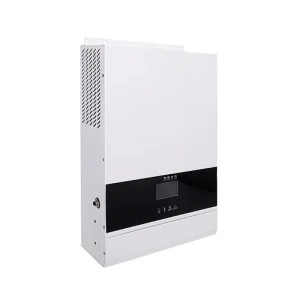
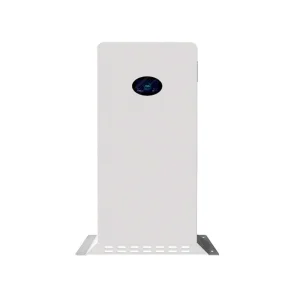
Consult a Regional ExpertChoose from our diverse line of energy storage devices and system inverters to establish a secure microgrid in the São Tomé market.
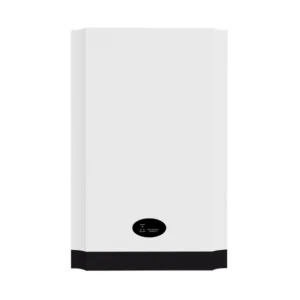

Solar Glass
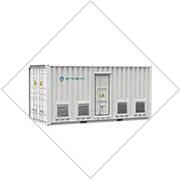
Energy Storage
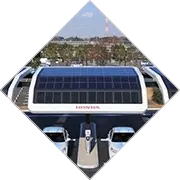
Solar Car Port
Expert answers to standard technical, commercial, and operational questions for developers deploying hardware in Central African archipelagos.
Standard backsheet panels suffer from moisture permeation when exposed to constant tropical humidity and salt air, causing early internal corrosion and delamination. Double-glass modules encase the solar cells within two impenetrable layers of glass, eliminating water vapor ingress and ensuring long-term power conversion performance.
CdTe thin-film modules feature a much lower temperature coefficient (around -0.2%/°C compared to c-Si's -0.4%/°C). Consequently, as temperatures exceed 25°C, CdTe glass maintains higher output rates. Furthermore, CdTe possesses a better spectral response in cloudy, rainy, or hazy environments, maximizing energy generation in tropical zones.
Typical manufacturing lead time ranges from 15 to 25 days depending on the volume and customization of the PV glass. Sea freight from Xiamen to the Port of São Tomé generally takes 45 to 60 days via direct routes to regional West African transit hubs (such as Pointe-Noire or Luanda) before final connection to São Tomé. ELEMRO manages all structural ocean crates to assure zero breakages during this voyage.
Yes, our R&D department offers variable light transmission values ranging from 10% to 50%. This allows commercial projects to balance solar heat gain coefficients (SHGC), aesthetic indoor lighting requirements, and power generation capacities.
We highly recommend our Lithium Iron Phosphate (LiFePO4) battery line. Compared to cobalt-based lithium batteries, LiFePO4 offers superior thermal stability, safety margins under intense ambient heat, and an extended life expectancy exceeding 6,000 charge-discharge cycles.
We supply full engineering schematic packages, inverter grid-tied certificates (including anti-islanding parameters), and comprehensive electrical documentation to help your local engineering contractor secure regulatory approvals with EMAE (Empresa de Água e Electricidade) quickly.
Get in touch with ELEMRO's senior technical engineers to receive customized PV glass designs, mechanical load simulations, and localized ESS system configurations for your São Tomé project.
Send Inquiry Now Elemro Energy