Engineered to withstand rigorous climatic conditions, offering optimized power output, low maintenance, and high structural safety.
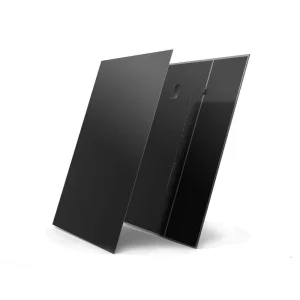
High-efficiency thin-film PV glass designed specifically for architectural building integration (BIPV) in US cities. Provides superior performance under diffused light.
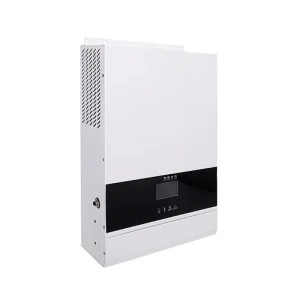
Smart utility-grade and residential solar inverters configured for seamless integration with US split-phase grids and energy management platforms.
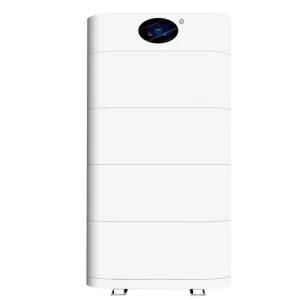
Scalable high-voltage LiFePO4 battery stacks configured for peak-shaving, commercial grid support, and backup security in high-demand US zones.
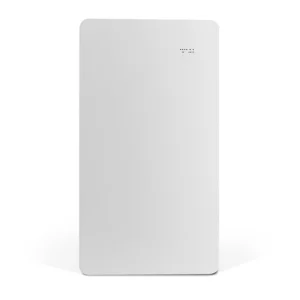
Elegant, all-in-one home power security backup unit featuring robust thermal management, microgrid resilience, and high cycle life.
The United States solar industry is undergoing an unprecedented structural transition. Propelled by the Inflation Reduction Act (IRA) of 2022, developers and building architects are no longer viewing solar panels merely as add-on utility modules. Instead, the focus has shifted toward building-integrated photovoltaics (BIPV) and structural photovoltaic glass panels that serve as both the exterior envelope and the generation system of modern commercial and industrial infrastructure.
Federal directives, such as domestic content manufacturing bonuses, have prompted a sharp rise in demand for premium solar glass substrates, specifically CdTe (Cadmium Telluride) thin-film panels. These technologies are highly valued for their low-temperature coefficients and exceptional performance in real-world diffused lighting conditions, typical of metropolitan regions such as New York, Chicago, and the Pacific Northwest.
Under current US tax codes, qualified commercial solar projects utilizing high-performance PV glass can benefit from a substantial Investment Tax Credit (ITC) boost if they meet strict local-sourcing guidelines. This makes partnerships with advanced PV glass manufacturers essential for project developers aiming to secure maximum ROI.
From a global vantage point, PV glass manufacturing is a highly specialized, capital-intensive discipline. The raw material requirements require low-iron silica sand with iron oxide concentrations strictly below 150 ppm to ensure optical transmission rates exceeding 91.5% for textured glass. In the United States, importing finished solar glass faces logistics challenges and tariff barriers, prompting localized engineering support and integration networks to bridge the gap.
The industry is moving toward larger panel dimensions (M10 and G12 wafer standards) and thinner glass options (2.0mm + 2.0mm bifacial and 1.6mm ultra-thin configurations) to reduce structural load on building facades. At the same time, CdTe thin-film variants have consolidated their role as the primary BIPV glass standard for skyscrapers, owing to their uniform aesthetic appearance, customizable transparency levels (ranging from 10% to 50% light transmission), and superior fire-safety ratings (Class A) required by strict local urban municipal building codes across the United States.
How developers, engineers, and utilities are deploying advanced glass and energy storage solutions across diverse climates.
In high-density metropolises like Chicago, Boston, and San Francisco, conventional rooftop solar footprint is highly limited. Commercial builders are implementing CdTe PV glass panels directly into double-skin facades, windows, and spandrel panels. These systems mitigate solar heat gain, significantly reducing HVAC load, while simultaneously generating clean, decentralized power directly at the load source.
In states frequently impacted by extreme weather events—such as Texas (grid instability) and Florida (hurricanes)—commercial manufacturing complexes are pairing solar glass canopies and carports with local high-voltage battery storage vaults. These configurations protect logistics depots from unexpected blackouts and provide continuous emergency power.
California's stringent Title 24 Building Energy Efficiency Standards mandate that newly constructed residential properties must aim for net-zero energy compliance. This requirement has driven the mass integration of aesthetic photovoltaic roof shingle glass, backed by stackable LFP home energy storage batteries, to optimize solar self-consumption and manage peak-demand periods.
Established in 2019, headquartered in Xiamen, China, Elemro Energy has specialized in developing advanced, new energy storage and electrical product solutions with deep engineering expertise. We serve as a market leader in the clean energy industry, unifying R&D, manufacturing, quality assurance, and global sales channels.
Our advanced systems are trusted by over 250 customers across Europe, Southeast Asia, Africa, the Middle East, and the Americas. ELEMRO's annual turnover is expected to exceed 50 million USD in 2023, driven by a commitment to quality, robust technological innovations, and deep client support.

Premium architectural BIPV panels and high-efficiency thin film cells.
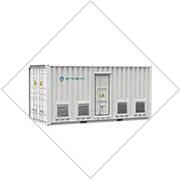
Industrial scale thermal-regulated battery storage systems.
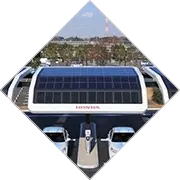
Engineered structural PV framing & durable structural solutions.
Browse our extensive, UL-tested selection of high-efficiency CdTe solar glass panels, residential backup units, and high-voltage grid storage systems.
High-performance BIPV glass panels featuring customized transparency for integration into commercial skyscraper curtain walls and roofs.
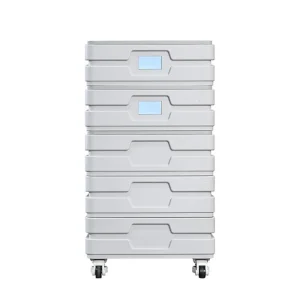
Modular, stackable home energy storage system. Easily expands storage capacity from 5kWh up to 30kWh with tool-free interconnection.
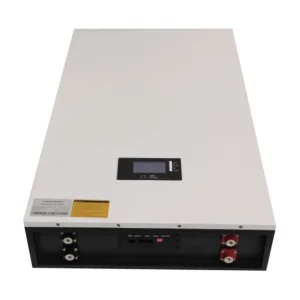
Robust, wall-mounted or rack-mounted 48V telecom-grade battery designed for heavy cyclical backup loads in demanding grid environments.
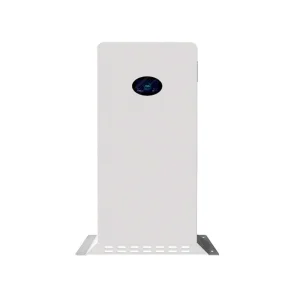
All-in-one low-voltage smart battery storage module optimized for off-grid operations and microgrid residential applications.
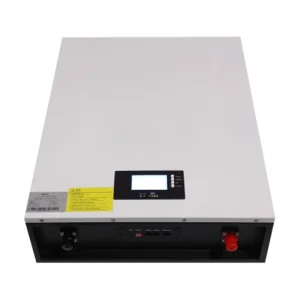
Standard 19-inch rack-mount lithium battery modules designed to integrate with major hybrid inverters for industrial microgrids.

Highly efficient residential backup battery. Features a space-saving footprint, smart BMS communication, and a long cycle life.
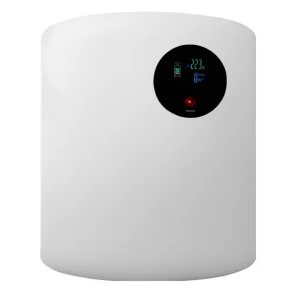
Ultra-thin wall-mountable home energy storage units with smart integrated LCD performance tracking and automated bypass switches.
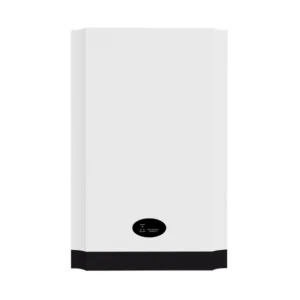
High-capacity 10kWh LiFePO4 residential module. Delivers clean power back up during peak rate hours and unexpected blackouts.
The convergence of glass chemistry and semiconductor material science is redefining building envelopes. By shifting from standard silicon wafers to thin-film Cadmium Telluride (CdTe) and emerging perovskite-silicon tandem configurations, commercial buildings can transform exterior surfaces into active generators without compromising architectural aesthetics.
Key technological breakthroughs shaping the future of PV glass include:
Understanding the key physical differentiators between standard crystalline silicon glass facades and advanced CdTe thin-film panels:
| Metric | Standard c-Si | CdTe Thin-Film |
|---|---|---|
| Temp. Coefficient | -0.39% / °C | -0.21% / °C |
| Diffused Light Yield | Moderate | High (+12%) |
| Aesthetic Uniformity | Grid lines visible | Homogeneous |
| Carbon Footprint | High | Lowest (Closed-loop) |
Combining structural envelope glass with advanced storage microgrids for grid compliance, security, and sustainability.
Complete system architectural support spanning structural glazing, customized electrical junction layouts, and optimized string inverters configured for code-compliant building distribution. Helps commercial facilities meet carbon offset mandates.
Deploying modular Lithium-Iron-Phosphate (LFP) high-voltage container storage arrays to capture power generated during high-generation periods. Stored power is discharged during peak demand billing hours, lowering demand charges.
Microgrid controls that automatically disconnect from the public utility grid during line failures. Keeps essential hospital services, corporate data infrastructure, and logistics storage facilities running uninterrupted.
Providing technical clarity, architectural feasibility insight, and compliance answers for US project developers.
Explore our deep-dive technical resources and industry updates on PV glass, battery storage systems, and inverter technologies.
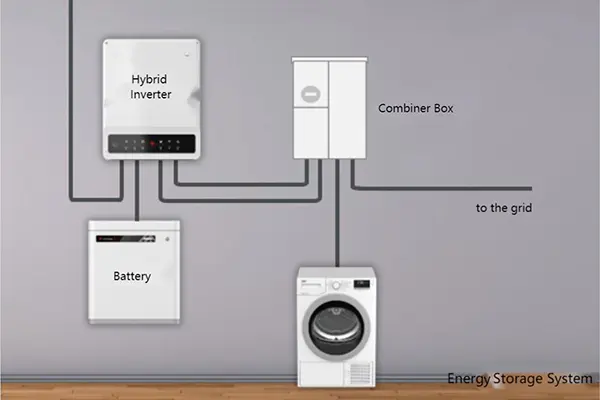
An engineering review analyzing system topologies and efficiency gains in modern hybrid residential inverter configurations.
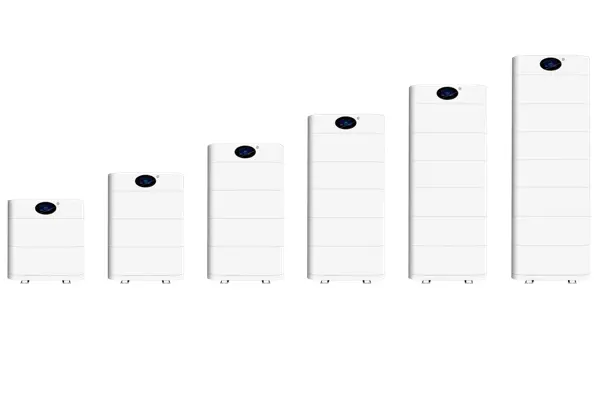
Evaluating thermal runaways, cyclic lifespans, degradation properties, and LFP vs NMC options for solar systems.
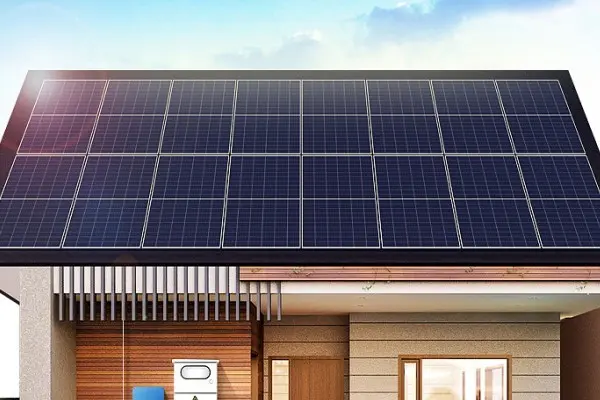
Operational scenarios highlighting peak shifting, microgrids, and off-grid performance across commercial properties.
Planning a BIPV project or looking to integrate solar storage system components? Contact us for specialized design assistance, compliance details, and comprehensive volume pricing.


 Elemro Energy