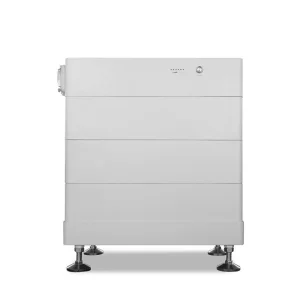
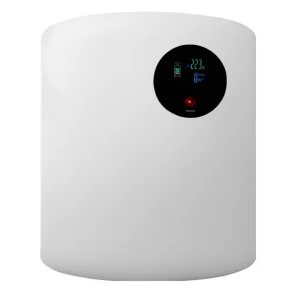
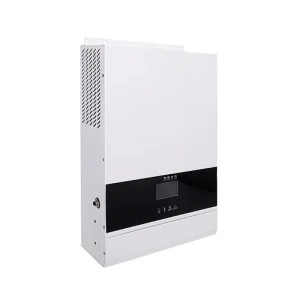
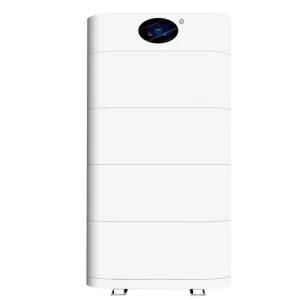
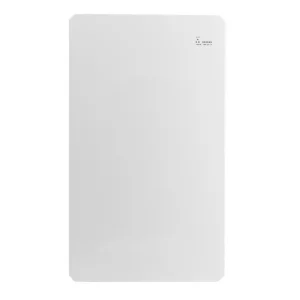
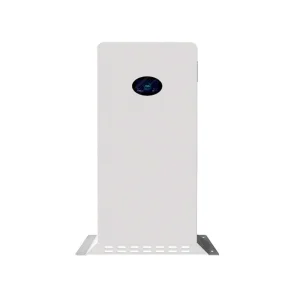
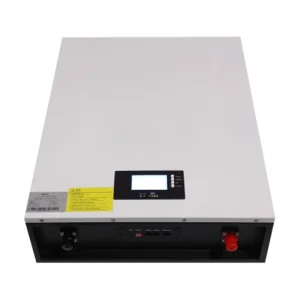
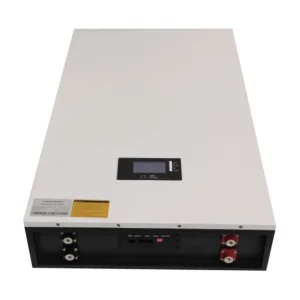
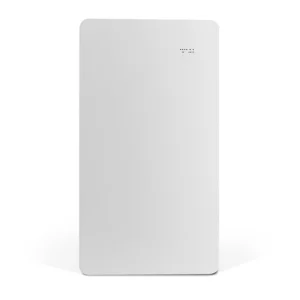
High-durability solar glass architectures and modular lithium storage frameworks engineered to withstand intensive radiant heat.
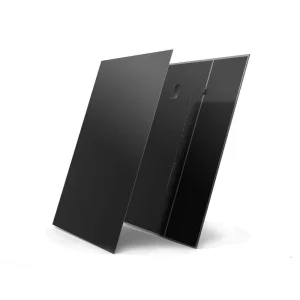
As the Kingdom of Saudi Arabia advances its historic transformation plan, Saudi Vision 2030, the city of Riyadh is emerging as one of the world's most dynamic hubs for clean architectural engineering. With the National Renewable Energy Program (NREP) targeting massive grid-level solar contribution, building-integrated photovoltaics (BIPV) and specialized PV Glass Panels have transitioned from experimental technologies to absolute regulatory standards. Riyadh's unique geographic location coordinates high solar irradiance with demanding atmospheric conditions, making the specification of correct materials critical to project success.
This industry report examines the current state of PV glass manufacturing, material optimizations for GCC climates, and integration strategies for commercial, industrial, and high-end residential applications. We look deeply at structural criteria such as thermal coefficients, soiling mitigation coatings, and Cadmium Telluride (CdTe) thin-film integration, which are shaping the Riyadh skyline.
Riyadh’s construction boom, highlighted by gigaprojects like the King Salman Park, the expansion of the King Abdullah Financial District (KAFD), and new residential corridors, requires innovative energy solutions. The local energy profile is characterized by massive summer air-conditioning peak loads. Conventional concrete facades are increasingly replaced by double-glazed active PV glass units that generate electrical power while reducing thermal heat gain.
Key factors driving the local demand for specialized PV Glass include:
Standard solar glass technologies developed for temperate climates often experience accelerated degradation in Riyadh. The combination of intense ultraviolet (UV) exposure, sand-storm friction, and extreme thermal cycling requires specialized structural designs.
Cadmium Telluride (CdTe) glass exhibits a low temperature coefficient (-0.21%/°C), meaning it maintains high generation capacity even as ambient surfaces climb past 65°C.
A primary failure point in Riyadh is sand accumulation. Advanced PV glass incorporates titanium dioxide (TiO2) coatings that decompose organic dirt via photocatalytic action.
By pairing dual layers of tempered glass with argon gas insulation, our PV glass panels achieve low U-values, preventing structural thermal transference.
Crystalline silicon (c-Si) solar panels lose up to 0.4% efficiency for every degree Celsius rise above 25°C. In Riyadh, midday operational temperatures of roof installations can easily reach 75°C, resulting in a significant generation capacity loss. In contrast, CdTe Thin-Film PV Glass exhibits superior performance under high-temperature conditions. Its spectral response is better aligned with Riyadh's atmospheric conditions, allowing it to capture more diffuse blue light during dusty or overcast days.
Deploying major architectural solar projects requires a combination of global technology manufacturing and responsive local logistics. Elemro Energy bridges the gap by engineering advanced systems in state-of-the-art facilities in Xiamen, China, and delivering customized, project-specific designs to developers across Saudi Arabia. Through a reliable network of logistics partners, we ensure safe shipping, customs clearing under SASO mandates, and secure on-site delivery in Riyadh.
Our localized services cover the following operational steps:
Modern glass skyscrapers in Riyadh's central business districts are major candidates for BIPV curtains. By replacing standard architectural cladding with semi-transparent CdTe thin-film panels, structures can generate local power without losing interior light quality. Customized transmittancy ratios (from 10% to 50% transparency) allow architects to design projects that match dynamic aesthetic preferences.
With massive open-air parking lots exposed to intense sunlight, corporate campuses in Riyadh use solar carports to generate energy while protecting vehicle fleets. Incorporating double-glass solar panels into structural canopies offers shading and energy generation, reducing regional heat-island effects.
Logistics complexes on the outskirts of Riyadh can suffer from grid connection delays. Integrating high-performance PV glass with large-scale Energy Storage Containers and Lithium Storage systems allows these logistics hubs to operate self-sufficiently, powering HVAC systems, lighting, and heavy machinery.
Interested in deploying BIPV or solar storage systems for your next development project in Riyadh?
Get a Customized Engineering QuoteEntering the Saudi energy sector requires strict compliance with domestic and international safety standards. All photovoltaic modules and energy storage units shipped to Riyadh undergo rigorous performance and safety validation, including:
The future of PV glass in the Middle East lies in structural materials integration. Over the next decade, we anticipate several technological advancements:
Expert technical answers regarding solar integration under Middle Eastern operating conditions.
The complete line of Elemro smart energy technologies and battery modules optimized for regional integration.
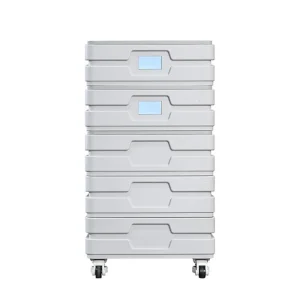
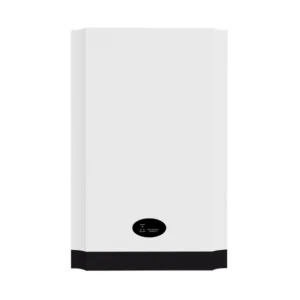
Established in 2019, headquartered in Xiamen, China, Elemro Energy is an industry leader in new energy storage technologies and specialized BIPV electrical product solutions. Our core focus combines state-of-the-art research, precision engineering, and responsive technical support to deliver customized systems to architectural projects worldwide.
Currently serving clients across Europe, Southeast Asia, Africa, the Middle East, and the Americas, Elemro Energy is driving global clean energy transitions. Our customized PV Glass and storage designs are specifically adapted to meet local compliance requirements and environmental challenges, helping developers build more sustainable projects.
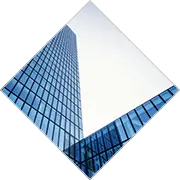 Solar Glass
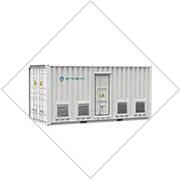 Energy Containers
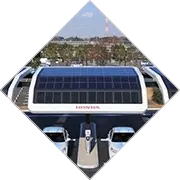 Solar Carports




Submit your design requirements and thermal parameters. Our engineering team will provide custom layout layouts and price estimations within 24 hours.
 Elemro Energy