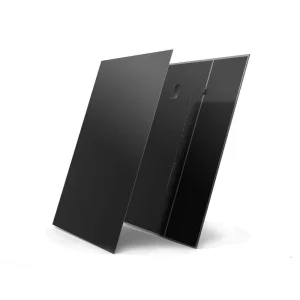
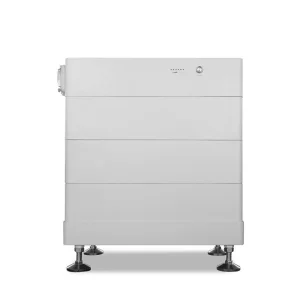
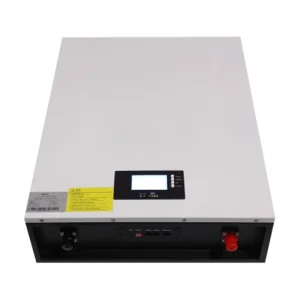
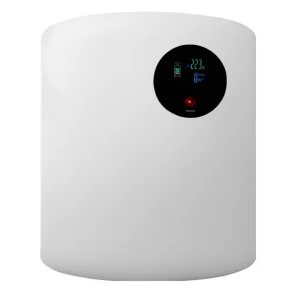
Advanced CdTe thin-film modules and high-density energy storage arrays engineered to maintain operational integrity in Russian sub-zero conditions.
The Russian Federation represents one of the most unique geographic and climatic frontiers for photovoltaic (PV) deployment globally. Spanning eleven time zones with environmental profiles ranging from moderate European territories to hyper-frigid Siberian expanses, Russia requires solar infrastructure that breaks past standard template configurations. The demand for PV glass panels and specialized energy storage in the Russian market is driven by grid modernization initiatives, decentralized energy policies in remote zones, and the rapid growth of large-scale industrial microgrids.
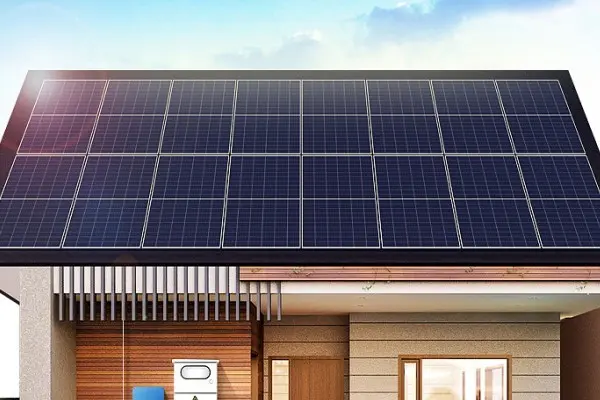
In regions such as Altai, Astrakhan, Orenburg, Bashkortostan, and the Far East, solar irradiance levels exceed initial historical expectations, matching those of Central and Southern Europe. However, implementing solar arrays in these regions demands specialized components. The outer-facing layer—the PV Glass Panel—must withstand extreme thermal contraction, severe wind loads, heavy seasonal snow cover, and intense UV exposure, all while maintaining high solar transmittance coefficients. Consequently, Russian EPC contractors and industrial developers are increasingly procuring from advanced factories capable of fabricating double-glass and Cadmium Tellurium (CdTe) thin-film modules specifically optimized for extreme operations.
Globally, the photovoltaic glass market is undergoing a structural shift towards bifacial modules. Bifacial solar technology uses double-glass assemblies (glass-on-glass) to generate power from both sides, capturing direct sunlight on the front and albedo (reflected light) on the rear. This global shift is highly relevant for the Russian market.
Russia experiences extended periods of ground snow cover. Snow has an exceptionally high albedo coefficient, reflecting up to 80-90% of incident solar radiation. Under these conditions, a high-quality double-glass bifacial PV panel, paired with a reliable racking system, can generate up to 25-30% extra energy yield by capturing reflected light from the snow. Standard plastic backsheets cannot handle the mechanical stresses of freezing and thawing, which leads to premature delamination. Double-glass modules use chemical-resistant, tempered front and rear glass sheets to shield sensitive silicon cells from moisture ingress and structural warping.
China produces over 85% of the world's photovoltaic glass, driven by vertically integrated supply chains, high-quality quartz sand reserves, and advanced production lines. For Russian importers, Chinese factories offer distinct operational benefits:
SEO Insight & Information Gain: When sourcing PV glass for Russia, verify that the manufacturer uses low-iron raw quartz sand (with an Fe2O3 content under 150 ppm). High-iron glass absorbs more light in the near-infrared spectrum, reducing overall efficiency—especially under low-angle winter sunlight.
Urban architectural projects in Russia are increasingly integrating CdTe (Cadmium Tellurium) thin-film solar glass directly into building envelopes. CdTe glass functions as both structural glazing and active power-generating modules. It performs exceptionally well in low-light and diffuse-light environments, making it ideal for northern latitudes with high cloud cover.
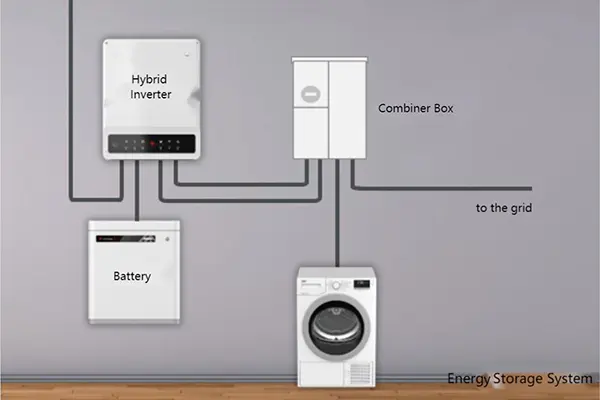
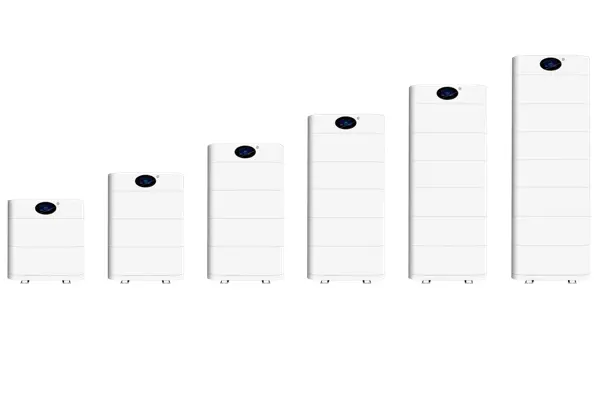
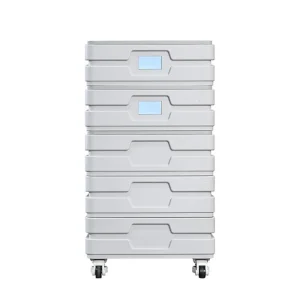
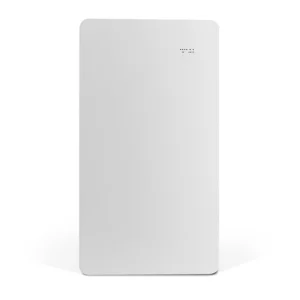
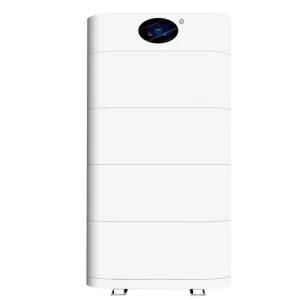
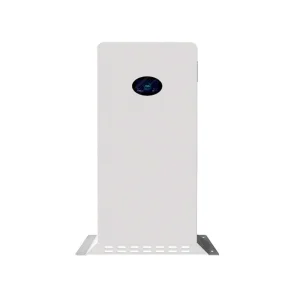
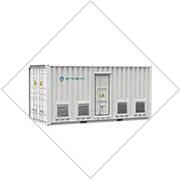
Industrial mining sites in Yakutia and Magadan operate on isolated microgrids powered by diesel generators. Fuel transportation to these areas is highly expensive. Integrating localized PV arrays paired with containerized battery storage (such as the Elemro SHELL systems) reduces fuel dependency by up to 40%. These arrays require heavy-duty double-glass panels that can withstand temperatures below -50°C without cracking.
Established in 2019 and headquartered in Xiamen, China, ELEMRO Energy specializes in clean energy storage and electrical product solutions. We operate as an integrated developer, unifying research and development, manufacturing, and global sales.
Our products serve more than 250 customers across Europe, Central Asia, Southeast Asia, the Middle East, Africa, and the Americas. ELEMRO's annual turnover is expected to exceed 50 million USD in 2023, reflecting our commitment to reliable clean energy technologies.
About Us & Technical Capabilities
Stay up to date with the latest advancements in PV module design, grid integration, and solar battery storage technologies.
Explore our globally certified products, designed for high electrical performance and mechanical durability.


 Elemro Energy