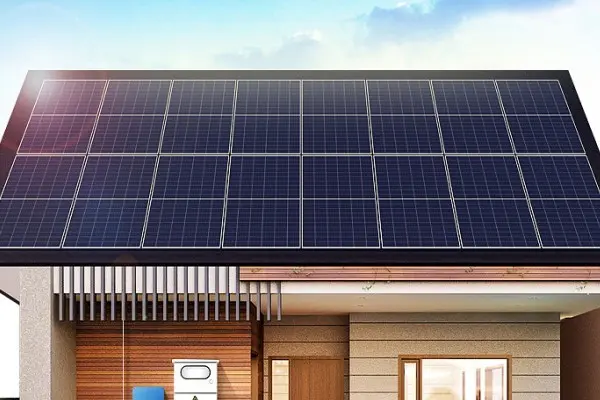
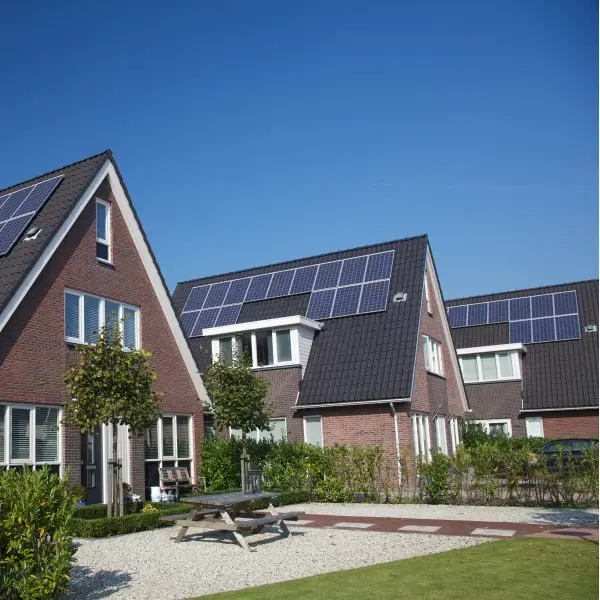
Providing cleaner, highly integrated solar glass and high-capacity storage technologies to meet rigorous European carbon targets.

Structural Building Integrated Photovoltaics (BIPV) customized for Dutch architectural and low-light performance standards.
Explore CdTe BIPV →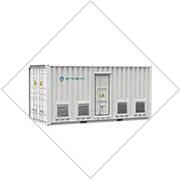
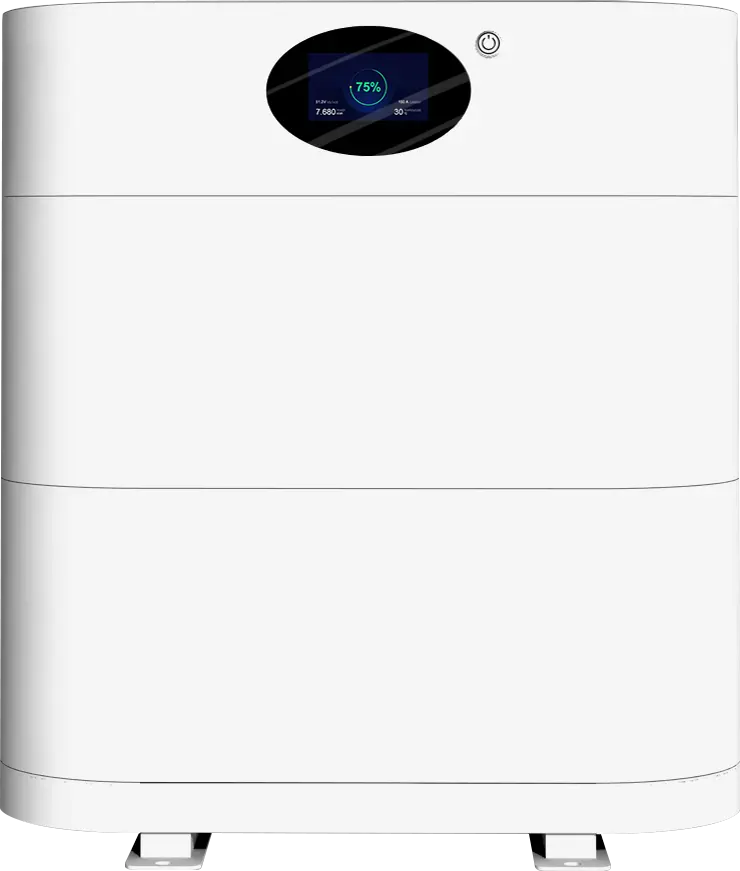
Utility-scale energy storage solutions engineered for Dutch commercial grid stabilization and congestion relief.
Explore Energy Storage →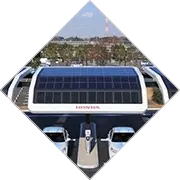
Dual-purpose solar parking structures combining high durability PV glass panels with intelligent EV charging hubs.
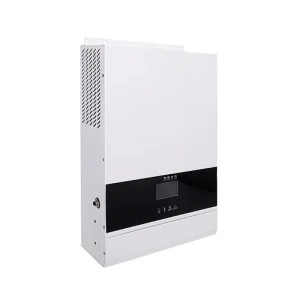
Explore Inverters →Advanced power solutions designed for maximum reliability and local compliance in the Netherlands, optimizing clean energy yield.
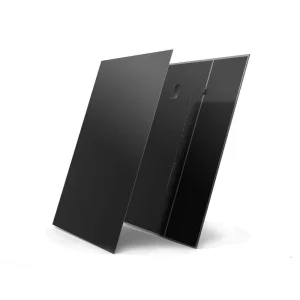
Established in 2019, headquartered in Xiamen, China, Elemro Energy has specialized in state-of-the-art new energy storage and electrical product solutions. Unifying dedicated R&D, automated high-throughput manufacturing, and complex global supply chain sales, Elemro has quickly risen to become an industry leader. Serving over 250 commercial clients in Europe, Southeast Asia, Africa, the Middle East, and the Americas, our annual turnover reached a milestone of 50 million USD in 2023.
By tailoring our structural PV glass and smart energy storage lineup to the specific regulatory demands of European grids, we ensure that commercial, agricultural, and residential installations deliver optimal performance and full compliance with local building ordinances.
Fully compliant with EN 61215, EN 61730, and local Dutch Netbeheerder requirements.
Streamlined ocean freight routes from Xiamen to Rotterdam for rapid project deployment.
The Dutch solar energy landscape has evolved rapidly, driven by the Climate Act (Klimaatwet) target to reduce greenhouse gas emissions by 55% by 2030. However, this growth faces two main challenges: a highly congested electricity grid and a scarcity of open land. As a result, the Netherlands is shifting from traditional ground-mounted PV farms to Building Integrated Photovoltaics (BIPV) and high-density rooftop systems.
Architects and project developers in regions like South Holland, North Holland, and Utrecht are increasingly integrating PV Glass Panels into building envelopes. By turning facades, canopies, and office windows into clean power generators, BIPV directly addresses the land limitations of one of Europe's most densely populated nations. These systems also help buildings meet the stringent BENG (Bijna Energieneutrale Gebouwen) requirements, which mandate near-zero energy consumption for all new construction.
The Netherlands experiences a temperate maritime climate characterized by mild summers, cool winters, and a high proportion of diffuse, indirect sunlight (often exceeding 60% of annual solar irradiance). Under these overcast sky conditions, traditional crystalline silicon panels experience significant drops in efficiency due to spectral limitations. This is where Cadmium Telluride (CdTe) thin-film solar glass excels. CdTe technology features a wider spectral absorption range and a superior temperature coefficient (-0.20%/°C compared to -0.35%/°C for c-Si), enabling it to generate up to 10-15% more cumulative energy annually under typical Dutch diffuse light.
Furthermore, coastal sites in Zeeland and Groningen demand excellent resilience against salt mist corrosion. Our dual-glass laminated PV panels are engineered with high-density PVB (polyvinyl butyral) or POE encapulsants, achieving complete hermetic sealing. This protects the thin-film semiconductor from moisture ingress and salt-induced degradation, ensuring a reliable 25+ year lifespan in harsh coastal environments.
Building Integrated Photovoltaics must serve a dual purpose: they must generate electricity while acting as robust structural elements of the building envelope. This integration requires careful balance of electrical output, light transmission, thermal performance, and architectural aesthetics.
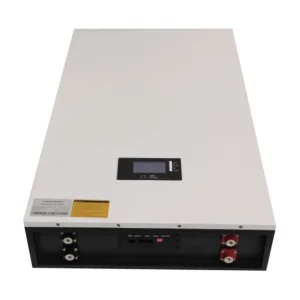
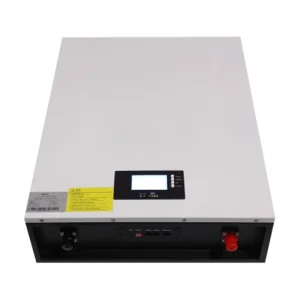
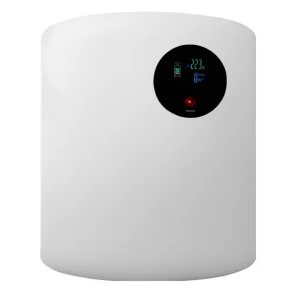
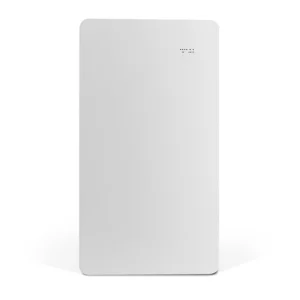
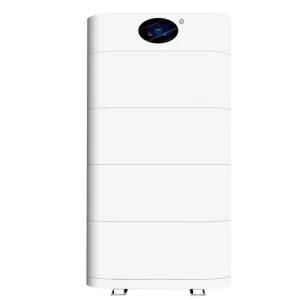
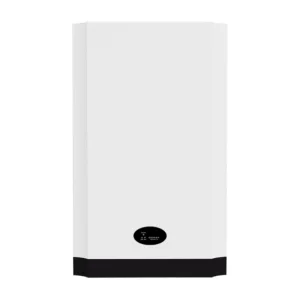
Complete your renewable energy infrastructure with our high-voltage battery arrays and backup power solutions, designed to bypass Dutch grid congestion.
Procuring PV Glass Panels directly from our production base in Xiamen, China, offers significant cost and technical advantages for international developers. Xiamen is a premier global hub for solar technology manufacturing, glass processing, and export logistics. By locating our production facilities here, Elemro combines cost-effective manufacturing with cutting-edge R&D and strict quality control.
Our manufacturing facility uses fully automated co-sublimation lines for CdTe deposition. This ensures sub-micron thickness control of the photovoltaic layers, resulting in highly uniform power production across every square meter of glass. We source raw sheet glass from Tier-1 manufacturers, ensuring excellent flatness and minimal impurities. This high material quality is essential for preventing delamination under the thermal stresses of Central and Northern European climates.
Importing large-format structural glass panels requires specialized transport logistics. Our team handles the entire process, using custom wooden A-frames and climate-controlled containers to prevent moisture accumulation during sea transit. With regular departures from the Port of Xiamen directly to the Port of Rotterdam, we offer predictable lead times and reliable project scheduling. All shipments include complete documentation, including Flash Test reports, CE certifications, and declarations of conformity, ensuring smooth customs clearance and compliance with EU import regulations.
The Dutch national grid faces severe transmission capacity limits (netcongestie), particularly in industrial zones like Westpoort in Amsterdam and the Port of Rotterdam. The TenneT transmission network frequently restricts new commercial solar connections or limits feed-in capacity. At the same time, the gradual phase-out of the net metering scheme (Salderingsregeling) reduces the financial returns of exporting solar energy directly back to the grid.
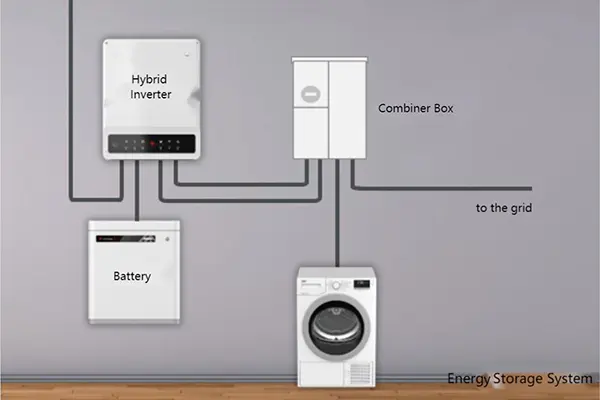
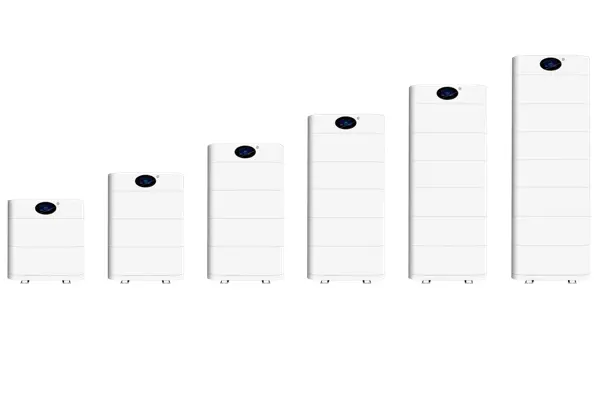
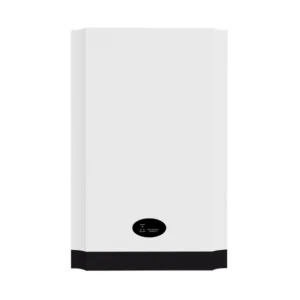
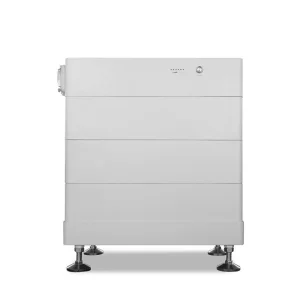
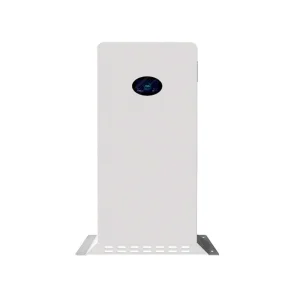
To maximize ROI, Dutch PV glass systems should be paired with local Battery Energy Storage Systems (BESS). Elemro's high-voltage stacked LiFePO4 battery storage units enable effective peak-shaving and maximize self-consumption. By storing excess solar generation during midday peaks and discharging it during high-tariff periods, businesses can bypass grid injection limits, secure uninterrupted backup power, and reduce overall energy costs.
For design engineers and MEP consultants comparing solar glass options, the table below highlights the performance differences between CdTe and traditional crystalline silicon (c-Si) in Northern European environments:
| Performance Parameter | Elemro CdTe Thin-Film Glass | Standard Monocrystalline (c-Si) | Dutch Market Impact |
|---|---|---|---|
| Temperature Coefficient | -0.20% / °C | -0.35% / °C | Higher output during peak summer heatwaves |
| Low-Light Performance | Excellent (Spectral range down to 350nm) | Moderate (Drops under overcast skies) | Up to 15% more yield in cloudy Dutch weather |
| Shading Tolerance | High (Linear loss, bypass diodes optional) | Low (Substantial drop from partial shade) | Ideal for urban sites with building shadows |
| Visible Light Transmission | Customizable (10% to 50%) | Opaque (0% VLT) | Can replace standard facade and canopy glazing |
| Fire Class Rating | Class A (Double Glass configuration) | Class C (Standard backsheet) | Fully complies with Bouwbesluit high-rise codes |
Yes. Our double-glass CdTe BIPV modules are manufactured to comply with key European standards, including EN 61215 and EN 61730. Crucially for Dutch building projects, they meet safety glass standard EN 12600 and carry a Class A fire rating (EN 13501-1), satisfying the fire protection requirements of the Dutch Bouwbesluit for facades and overhead glazing.
CdTe thin-film panels have a wider spectral response range, allowing them to absorb shorter wavelength light. Under diffuse or overcast conditions, which are common in the Netherlands, CdTe panels maintain high energy conversion rates. This can yield up to 10-15% more power over the course of a year compared to crystalline modules of the same nominal rating.
Yes. We offer customizable Visible Light Transmission (VLT) levels from 10% (darker tint, higher power density) to 50% (higher transparency, lower power density). This flexibility allows architects to design building facades that balance clean energy generation with natural lighting and solar heat gain control.
Typically, production takes 3 to 5 weeks depending on custom size requirements, followed by approximately 4 to 5 weeks of ocean freight transit from the Port of Xiamen to the Port of Rotterdam. We supply full logistics tracking, custom crating, and marine insurance to ensure safe arrival on-site.
Stay updated with our latest technical whitepapers, case studies, and engineering guides on energy transition trends.




 Elemro Energy