Highly durable solutions engineered to meet local wind loads and solar output profiles across the North and South Islands.
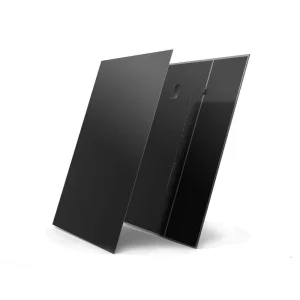
New Zealand's commitment to achieving a net-zero carbon economy by 2050 has sparked an unprecedented demand for localized renewable energy infrastructure. The building sector accounts for approximately 20% of the country’s carbon footprint. Consequently, architects, EPC contractors, and property developers in major hubs like Auckland, Wellington, and Christchurch are transitioning from traditional building envelopes to active solar facades using Building-Integrated Photovoltaics (BIPV) and specialized PV Glass Panels.
Operating under New Zealand’s unique environmental profile—which features intense UV radiation, high maritime salt spray, and localized seismic challenges—requires building materials that exceed standard safety expectations. PV glass panels deployed here must comply strictly with AS/NZS 5033 (installation and safety requirements for photovoltaic arrays) and AS/NZS 1170.2 (structural wind action design). The integration of solar active glass enables developers to capture solar energy across vertical building surfaces, offsetting energy demands during peak morning and afternoon hours when horizontal rooftop systems are less efficient.
When selecting PV glass panels for commercial projects, engineering procurement coordinators (EPCs) face a choice between Cadmium Telluride (CdTe) thin-film systems and standard Crystalline Silicon (c-Si) technologies. For vertical and facade-based applications in New Zealand, CdTe thin-film offers critical performance advantages:
CdTe thin-film panels maintain high energy conversion rates even as temperatures rise, outperforming traditional silicon panels which degrade faster under peak sun exposure.
Due to New Zealand's frequently overcast maritime weather patterns, CdTe's wider spectral absorption range captures more energy from indirect, diffuse light conditions.
Thin-film technology allows for adjustable transparency levels (from 10% to 50%), enabling engineers to balance solar energy harvesting with daylight requirements inside offices.
Furthermore, Elemro Energy’s custom PV glass configurations utilize high-durability double-glazed structures. This delivers thermal insulation that meets or exceeds the requirements of the updated Clause H1 (Energy Efficiency) of the New Zealand Building Code, keeping HVAC operating expenses low.
Established in 2019 and headquartered in Xiamen, China, Elemro Energy has built a reputation as an industry-leading provider of new energy storage systems and electrical product solutions.
Annual Turnover Expectation
Elemro Energy is a market leader that unifies R&D, production, and sales. Serving over 250 high-profile clients across Europe, Southeast Asia, Africa, the Middle East, and the Americas, we have constructed reliable distribution lines to service New Zealand's commercial and residential installers.
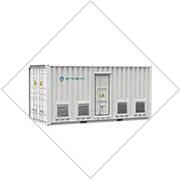
By optimizing our manufacturing lines in Xiamen, we deliver premium-grade solar glass, high-voltage battery storage arrays, and energy storage containers that are certified under world-class regulatory standards. We help New Zealand properties bridge the gap between architectural aesthetic and high-performance energy generation.

For international buyers and procurement divisions, supply chain reliability is just as critical as raw cell efficiency. Global events and logistical delays highlight the value of our robust, automated factory operations. Elemro Energy leverages China's advanced Factory 4.0 manufacturing practices to ensure product quality and steady delivery:
This systematic approach helps safeguard project timelines for builders. By consolidating advanced R&D and manufacturing, we help Kiwi projects minimize delays and lower the overall levelized cost of energy (LCOE).
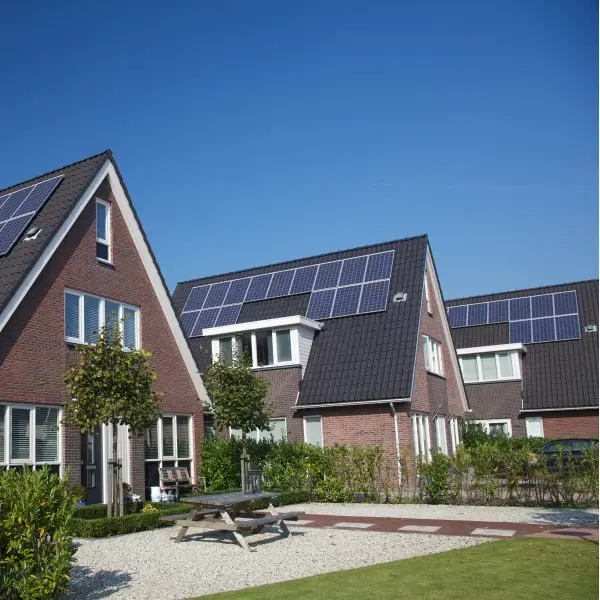
Our solar components and battery systems are versatile, serving key applications across New Zealand's diverse climates:
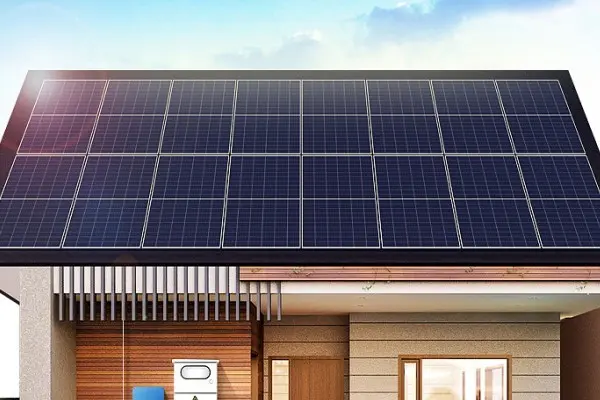
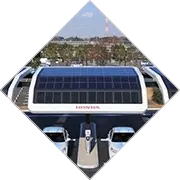
Our CdTe thin-film solar glass functions as an active building envelope, harvesting energy from solar radiation while reducing interior glare and cooling costs.
High-voltage lithium batteries and backup systems help local agricultural facilities stabilize power supply, preventing outages during peak processing times.
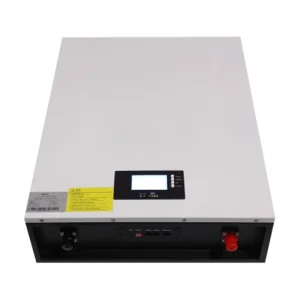
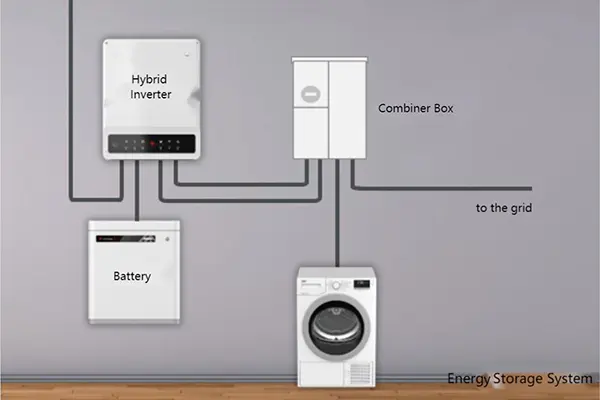
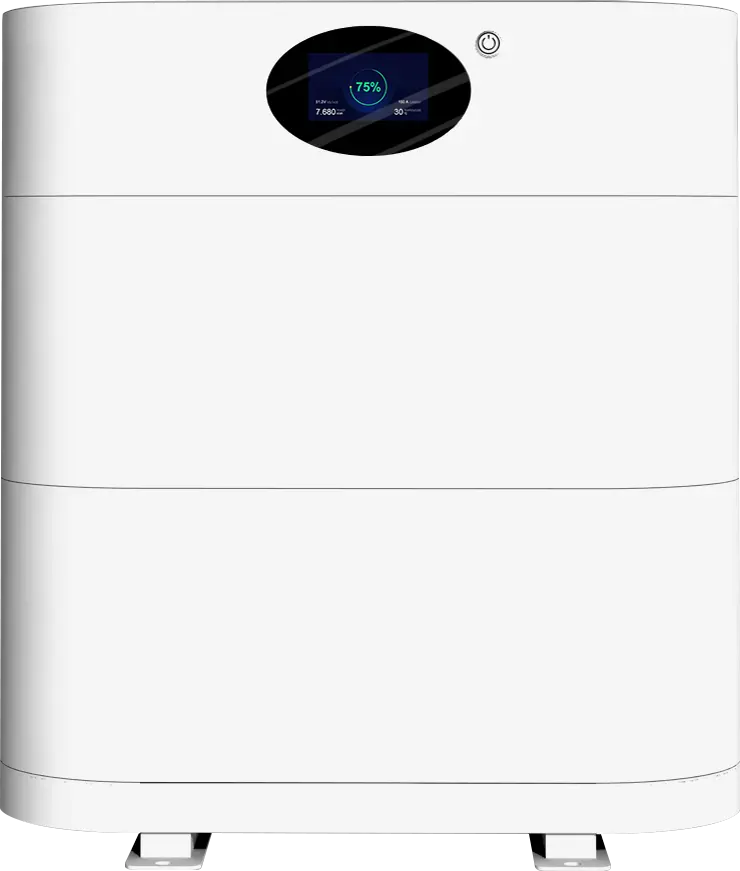
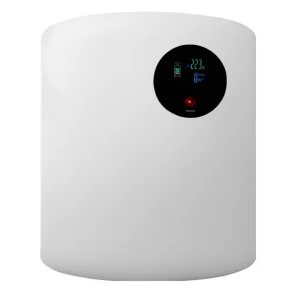
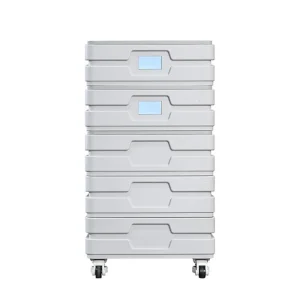
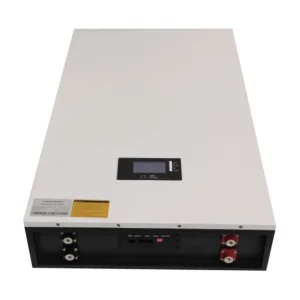
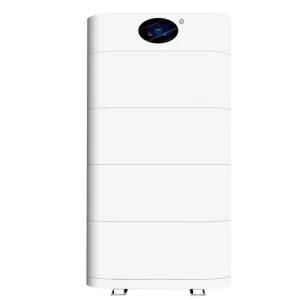
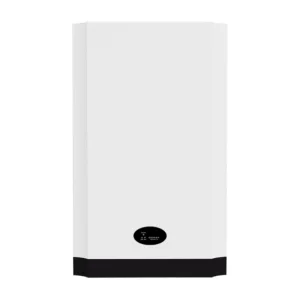
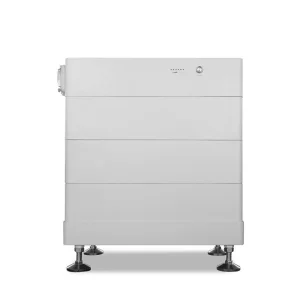
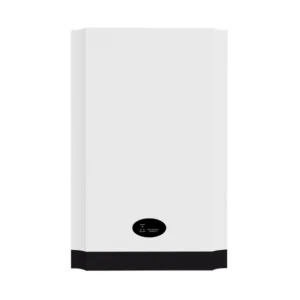
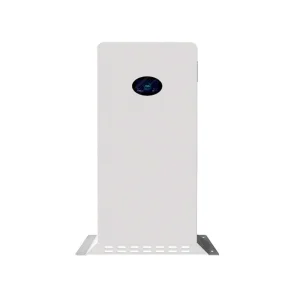
Wall-mounted and stackable energy systems store daytime solar energy to provide reliable power during cold winter evenings, reducing grid dependence.
This comparison outlines key performance characteristics of current solar technologies, helping engineers select the optimal system for their site requirements:
| Parameter | CdTe PV Glass (Elemro) | Standard Mono-Si PV | Poly-Si PV |
|---|---|---|---|
| Temperature Co-efficient | -0.21%/°C | -0.39%/°C | -0.42%/°C |
| Shading Sensitivity | Minimal (Linear degradation) | High (Bypass diode dependent) | High (Significant drop) |
| Aesthetic Customization | High (Varying transparency) | Low (Opaque only) | None |
| Wind Action Resilience | Up to 5400 Pa (Reinforced) | Up to 2400 Pa | Up to 2400 Pa |
Technical and regulatory insights for solar installations in New Zealand.
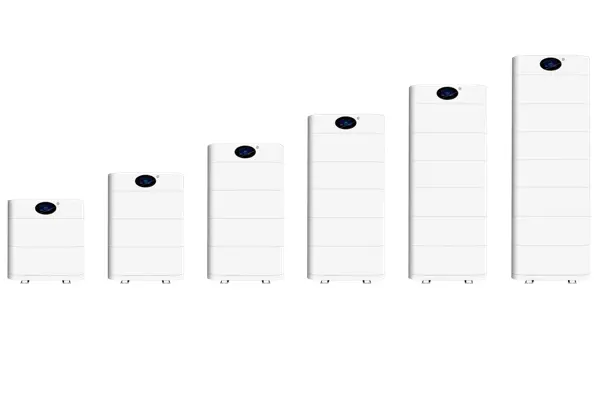
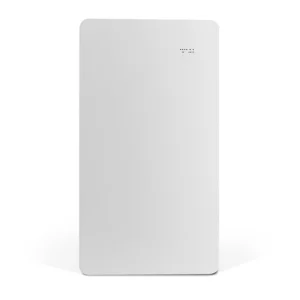
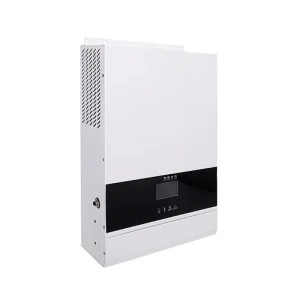
Explore our technical catalog of storage devices and smart inverters, designed for seamless compatibility with our solar glass products.




 Elemro Energy