 Elemro Energy

An Analytical Outlook of Photovoltaic Glass & Energy Integration in the Paris Market
As cities globally transition toward decarbonized futures under net-zero mandates, Paris presents a unique architectural and meteorological landscape. Guided by the ambitious Plan Climat de Paris, which aims for carbon neutrality by 2050 and 100% renewable energy consumption, the demand for clean electricity generation integrated directly into the urban fabric has escalated. However, this deployment is bounded by strict architectural preservation guidelines governed by the Architectes des Bâtiments de France (ABF), alongside typical Western European light conditions.
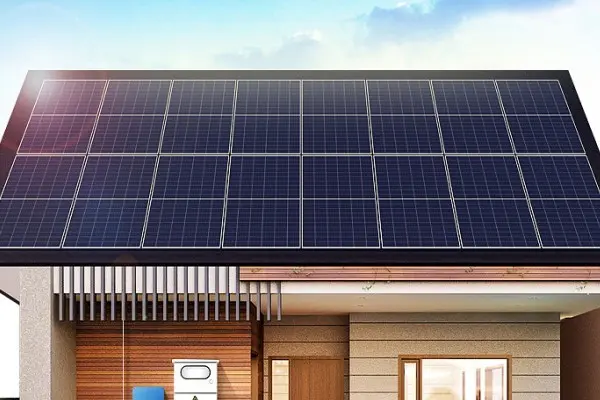
For project developers, architects, and engineering procurement contractors (EPCs) operating within the Île-de-France region, deploying standard solar panels is often challenging due to aesthetic, structural, and regulatory constraints. Building-Integrated Photovoltaics (BIPV), particularly advanced Cadmium Telluride (CdTe) thin-film photovoltaic glass panels, present an ideal solution. This document explores the technological dynamics, regulatory frameworks, localized applications, and energy storage architectures required to execute viable solar strategies in Paris.
1. Local Regulatory & Architectural Context in Paris
Urban development in Paris is constrained by historical preservation guidelines. The typical Haussmannian facades, zinc roofs, and heritage preservation zones require that any external solar addition must be visually non-intrusive.
- The PLU (Plan Local d'Urbanisme): Establishes strict parameters regarding material modifications on facades and roofs visible from public spaces. Traditional blue-tinted crystalline silicon panels with aluminum frames are rarely approved in heritage districts.
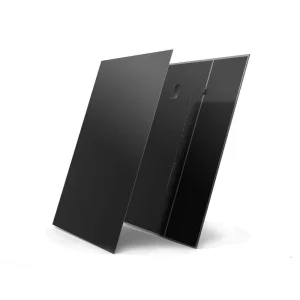
- CdTe Thin-Film PV Glass Solutions: Cadmium Telluride PV panels can be customized in terms of color (slate gray, dark black, bronze) and light transmittance. This enables them to mimic traditional roofing materials or integrate seamlessly into glass curtain walls, gaining ABF compliance.
- The Solar Cadaster (Cadastre Solaire de Paris): Mapping initiatives show that over 20% of the flat-roof surfaces and facade exposures of modern structures in the 13th, 14th, and 15th arrondissements, plus La Défense business district, possess suitable irradiance (approx. 1,100 to 1,200 kWh/m²/year) for solar collection.
2. Global PV Glass Industry & Materials Science
The global PV glass market is shifting from purely functional glass coverings toward active semiconductor integrations. The two primary technologies dominating global architectural deployments are:
Crystalline Silicon (c-Si) BIPV: Uses standard silicon wafers laminated between glass sheets. While offering high peak efficiency under direct sunlight (18-22%), they suffer from high temperature coefficients and rapid power degradation under partial shading or overcast conditions common in Paris.
Cadmium Telluride (CdTe) Thin Film: Exhibits superior performance in diffuse light, a lower temperature coefficient (-0.25%/°C compared to c-Si's -0.4%/°C), and uniform aesthetics. The semiconductor layer is directly deposited onto glass, creating a homogeneous, sleek aesthetic profile suitable for glass facades and windows.
3. Technological Roadmap & Future Outlook (2025–2030)
Technological roadmaps point toward two major developments:
- Perovskite-Silicon Tandem Glass: Expected to break commercial efficiency barriers past 28%, tandem glass stacks a semi-transparent thin-film layer over a crystalline cell, harvesting blue and red spectrums simultaneously.
- Electrochromic Smart BIPV: Combining thermal insulation, light transmission adjustments (smart tinting), and active power generation into a single double-glazed window unit.
- Ultra-Low Carbon Footprint Manufacturing: Compliance with the French Bilan Carbone methodology. Manufacturers must certify their lifecycle carbon footprint to win public contracts, favoring clean manufacturing and recycling of raw materials.
4. Industrial Integration & System Reliability
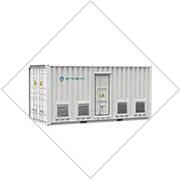
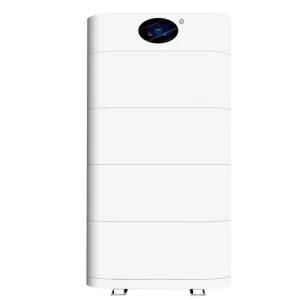
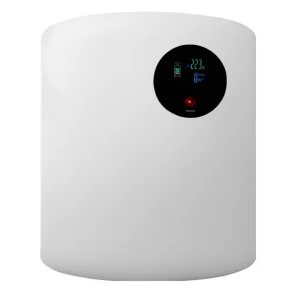
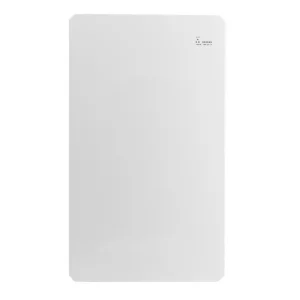
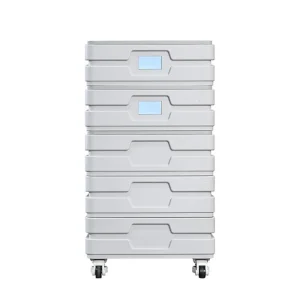
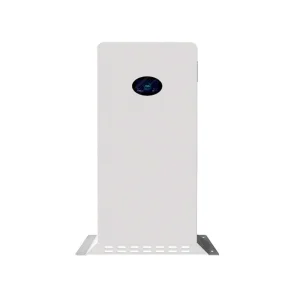
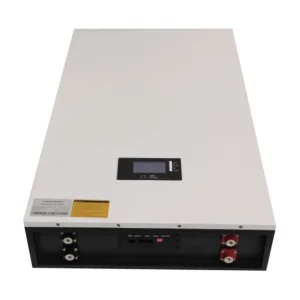
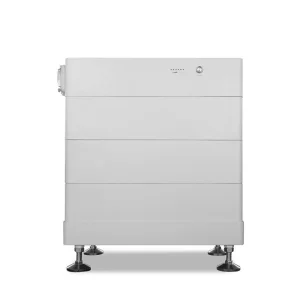
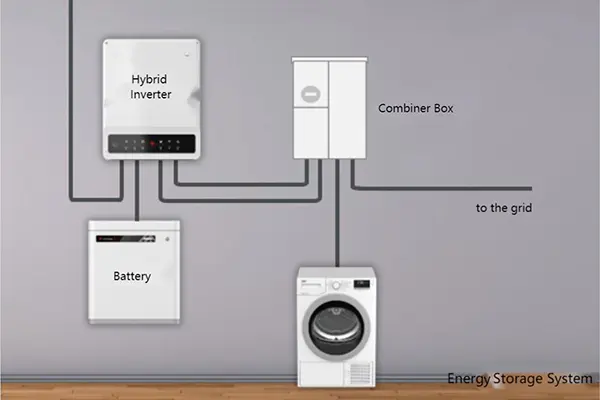
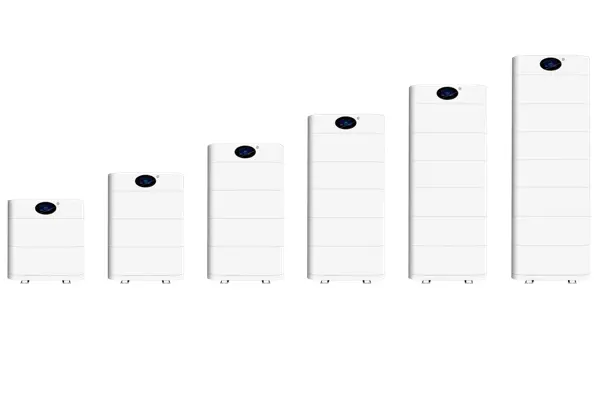
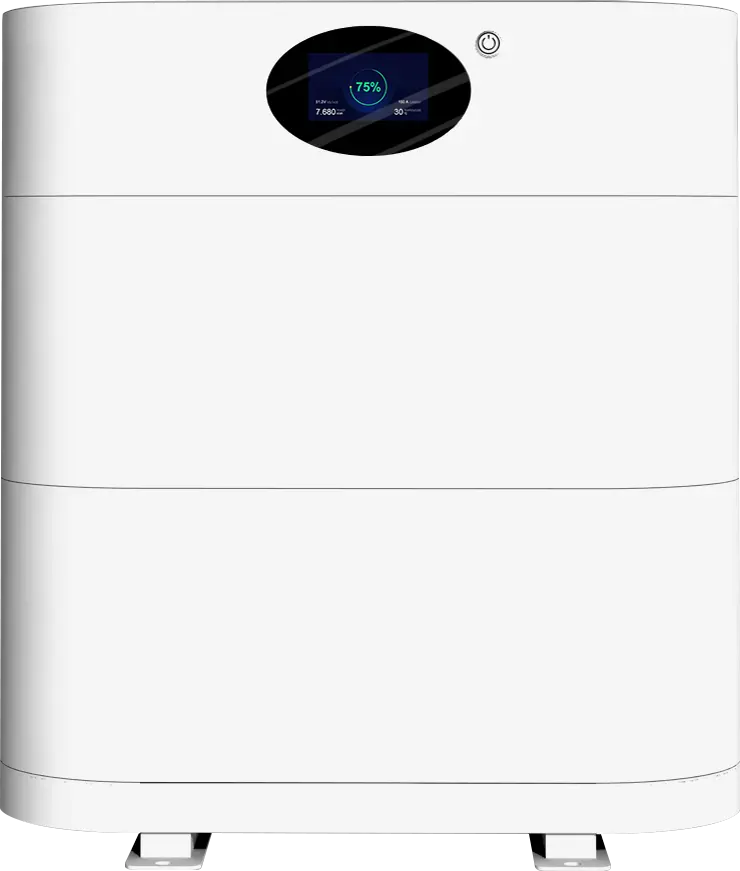
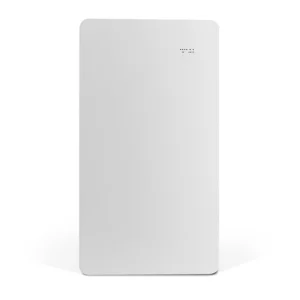
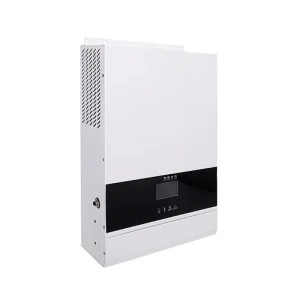
In addition to high-efficiency solar harvesting, modern BIPV installations must connect to robust, local energy storage networks. In Paris, grid regulations enforced by Enedis require smart-grid compliance and peak-shaving capability. Integrating high-voltage LiFePO4 battery storage units alongside hybrid solar inverters mitigates the issues of solar intermittency. This combination ensures that surplus solar energy generated during midday is stored and utilized during evening peak hours, lowering the Levelized Cost of Energy (LCOE) for commercial operators.
About ELEMRO Energy
Established in 2019 and headquartered in Xiamen, China, Elemro Energy specializes in new energy storage and electrical product solutions. As an integrated R&D, production, and sales enterprise, Elemro has expanded its footprint globally, serving over 250 enterprise clients across Europe, Southeast Asia, Africa, the Middle East, and the Americas. Focused on reliable clean energy solutions, ELEMRO's annual turnover is projected to exceed 50 million USD in 2023.