High-efficiency solar solutions engineered for integration in Hungarian architectural, commercial, and utility contexts.
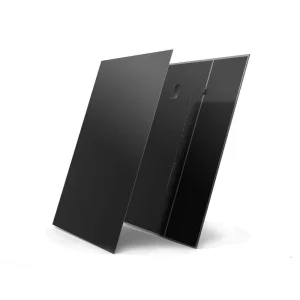
Hungary is undergoing an unprecedented energy transition. Driven by the revision of its National Energy and Climate Plan (NECP), the Hungarian state targets over 12 GW of installed photovoltaic (PV) capacity by 2030. Historically reliant on traditional energy sources and localized imports, Hungary’s transition to solar energy represents both an environmental mandate and a macroeconomic security strategy. Industrial expansion in cities such as Debrecen, Győr, and Kecskemét—led by massive automotive hubs and battery manufacturing gigafactories—has triggered a massive surge in commercial and industrial (C&I) electricity demand.
Traditional utility-scale solar arrays face challenges in Hungary due to strict agricultural land protection policies. Consequently, structural developers must pivot to the built environment. BIPV solutions transform standard glass facades, building envelopes, skylights, and windows into energy-generating surfaces. This eliminates dual-land usage concerns and mitigates regional grid transmission losses by producing power exactly where it is consumed.
Furthermore, because Hungary experiences significant seasonal temperature shifts, the thermal stability of solar panels is critical. Our Cadmium Telluride (CdTe) thin-film solar glass features an exceptionally low temperature coefficient, ensuring stable energy yield even during peak Hungarian summer heatwaves when traditional silicon panels experience efficiency drops.

Understanding the physics behind photovoltaic glass panel integration is essential for energy planners, facade engineers, and developers across Central Europe. Depending on project demands, two primary technology pathways are utilized: Cadmium Telluride (CdTe) thin-film and crystalline silicon (c-Si) double-glass laminates.
| Performance Metric | CdTe Thin-Film PV Glass | c-Si Double-Glass Modules | Strategic Benefit for Hungarian Projects |
|---|---|---|---|
| Temperature Coefficient | -0.20% / °C to -0.25% / °C | -0.35% / °C to -0.40% / °C | Mitigates output loss during summer peaks in the Great Hungarian Plain. |
| Low-light Performance | Exceptional (High spectral response in blue/infrared) | Moderate (Highly dependent on direct sunlight) | Generates consistent energy during foggy and overcast Hungarian winters. |
| Aesthetic Customization | Highly customizable (Colors, transmission rates 10%-90%) | Structured patterns (Cell gap configurations) | Perfect for historic preservation zones in Budapest and Pecs. |
| Shedding and Angle Tolerance | High tolerance to shading (Diodes not restricted) | High susceptibility to partial shade limitations | Maintains yield on complex urban facades and roof designs. |
For BIPV projects in Hungary, balance is required to maximize solar generation while maintaining indoor comfort. Light transmittance levels can be adjusted between 10% and 50% for glass facades. Higher transparency levels are used in office building skylights, providing natural interior lighting while lowering cooling costs through optimized solar heat gain coefficients (SHGC).
Hungary's regulatory updates—including the transition from net-metering (szaldó elszámolás) to gross billing (bruttó elszámolás)—mean commercial users must maximize their self-consumption. Here are the primary application areas where our BIPV panels provide high value:
Hungary's logistics corridors (along the M0, M1, and M5 motorways) host major distribution hubs. Replacing traditional metal cladding with energy-generating PV glass walls turns these large surface areas into clean energy generators.
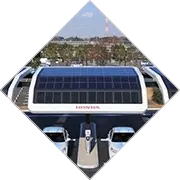
With EV infrastructure expanding rapidly in Hungary, solar carports offer shading for vehicles while providing direct local green energy to fast-charging stations, reducing peak demand on municipal grids.
Budapest's historic districts require solutions that maintain visual heritage. Custom-designed CdTe PV glass panels can match original aesthetics, allowing public buildings to meet EU carbon-reduction mandates without altering historic views.
Reliable Lithium Iron Phosphate (LiFePO4) storage technology optimized for residential backup, industrial load management, and microgrid applications.
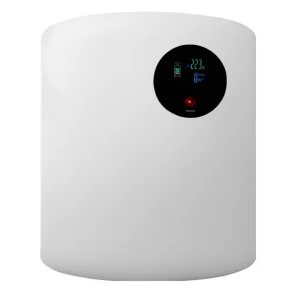
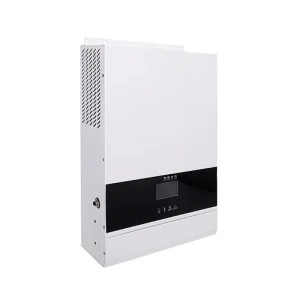
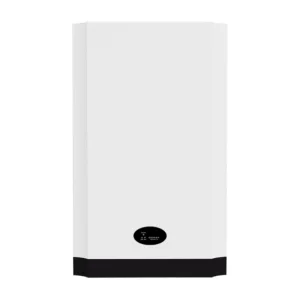
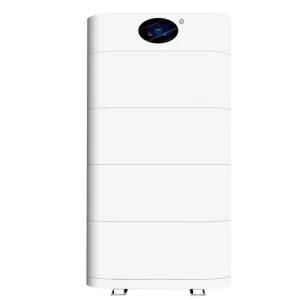
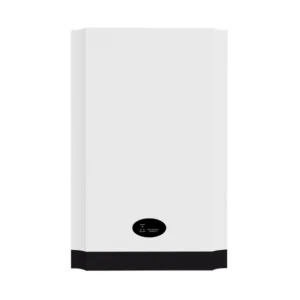
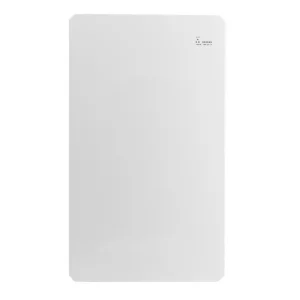
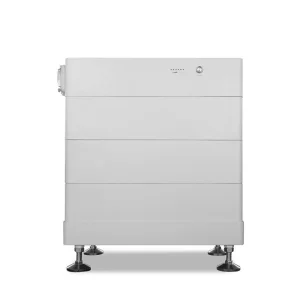
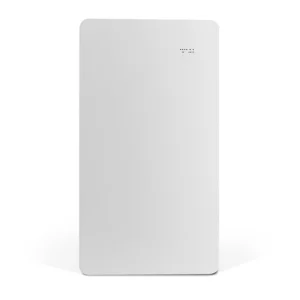
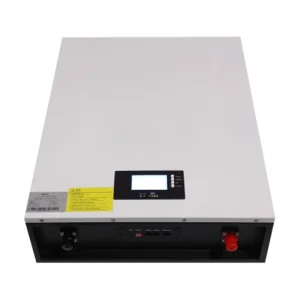
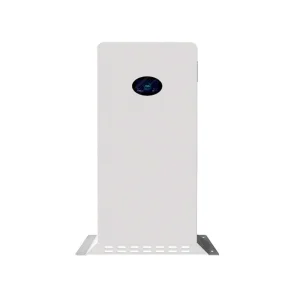
As solar adoption accelerates across Hungary, the national utility operator (MAVIR) must manage increased generation volatility. This requires combining energy-generating building structures with localized energy storage. The modern technical roadmap focuses on integrating BIPV facades with intelligent battery systems to shift generated power to meet peak demand times.
Implementing high-voltage stacked battery systems helps commercial and industrial properties avoid grid-imbalance penalties under Hungarian regulations. Incorporating energy storage systems (ESS) at the point of consumption helps smooth output peaks, provides grid frequency containment reserve (FCR), and allows businesses to operate independently during grid outages.
We provide cleaner energy for a greener world through advanced integration of solar technologies and manufacturing excellence.
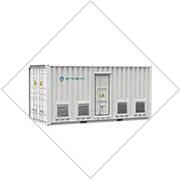
Established in 2019 and headquartered in Xiamen, China, Elemro Energy specializes in smart energy storage and comprehensive electrical product solutions. As an integrated manufacturer combining research and development, production, and international sales, we supply clean energy technologies to over 250 commercial and industrial clients across Europe, Southeast Asia, Africa, the Middle East, and the Americas.
By leveraging advanced production facilities and quality control systems, Elemro Energy delivers components that meet demanding European reliability standards. Our product catalog spans from Building-Integrated Photovoltaic (BIPV) glass panels to high-voltage home storage batteries and utility-scale energy storage containers, helping clients achieve energy independence.
Learn More About Our FactoryAnswers to common technical questions regarding PV Glass and energy storage projects in Hungary.




Are you planning a Building-Integrated Photovoltaic project or commercial energy storage installation in Hungary? Contact our technical engineering team for customization options, system modeling support, and wholesale price sheets.
We aim to respond to all inquiries within 24 business hours.
 Elemro Energy