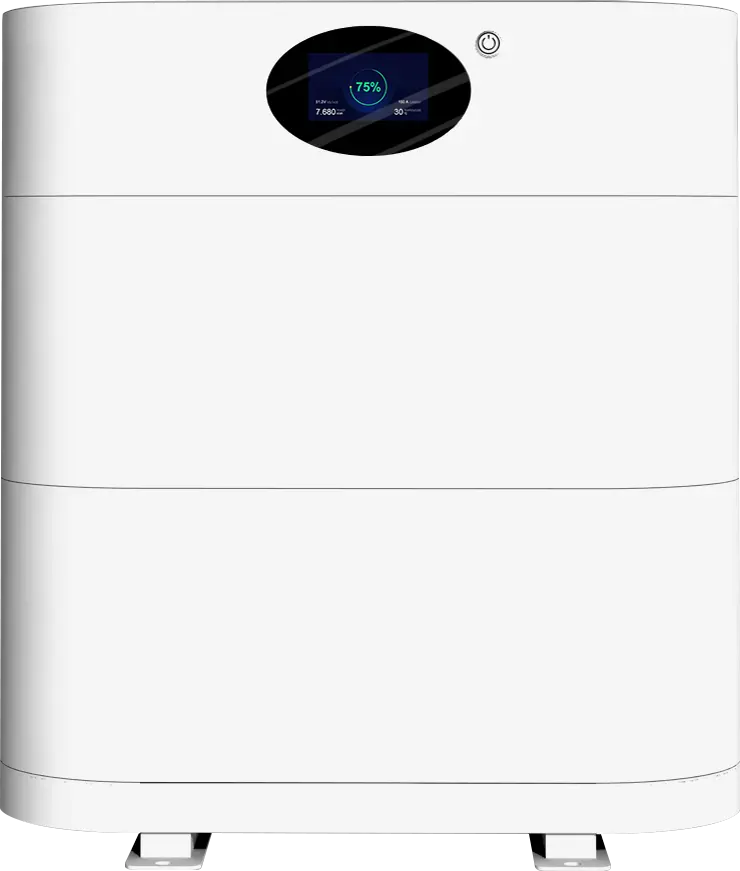
Premium Solar Modules & Battery Units Designed for Maximum Climate Resilience and Grid Integration in Anatolian Zones
As Turkey shifts dynamically towards decarbonizing its core industries, local manufacturers and builders face critical energy challenges. Located uniquely at the crossroads of Europe and Asia, Turkey possesses exceptional annual solar irradiation rates—surpassing 1,520 kWh/m² across central Anatolia and the Mediterranean coastline. This high solar profile makes photovoltaic systems, specifically building-integrated photovoltaics (BIPV) and advanced PV glass panels, a dominant driver of commercial energy resilience.
Under the Turkish Ministry of Energy and Natural Resources' updated National Energy Plan, the nation targets an extraordinary expansion of its solar generation capacity to 53 GW by 2035. However, matching local capacity growth with consistent energy availability requires more than simple roof-mounted solar grids. High-efficiency PV glass panels, combined with specialized Battery Energy Storage Systems (BESS), represent the modern framework for minimizing operational losses and grid vulnerability in regional Turkish Organised Industrial Zones (OSBs).
"To succeed in the Turkish market, factories require rugged materials that survive microclimate extremes—from the freezing winter temperatures of Kayseri and Ankara to the intensive hot-soiling conditions of Izmir and Gaziantep."

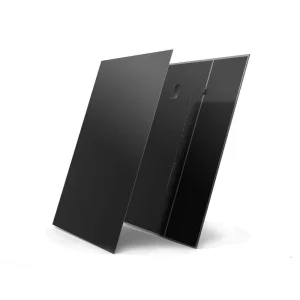
Optimized thermal stability and light transmission specifically for BIPV structures.
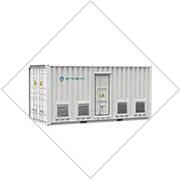
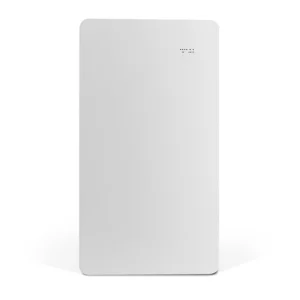
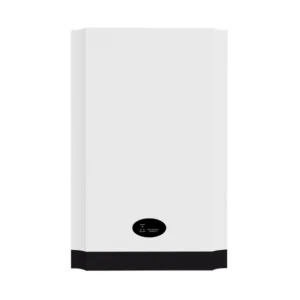
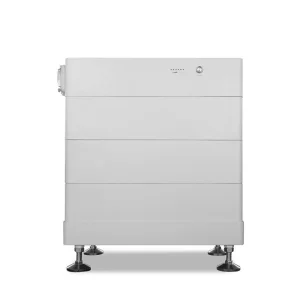
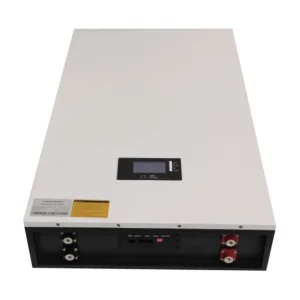
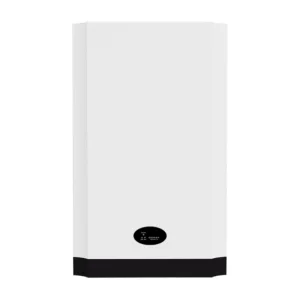
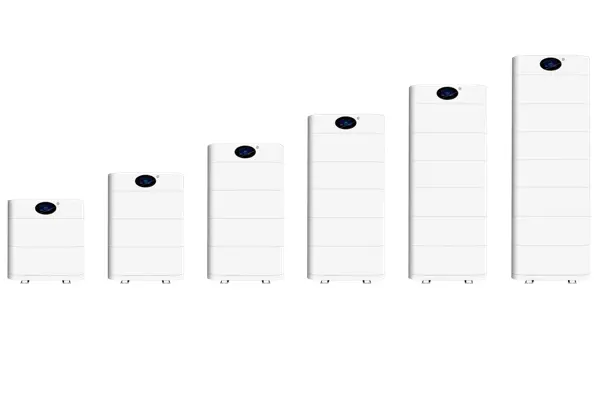
LFP-based containerized battery networks engineered for peak-shaving in Turkey's OSBs.
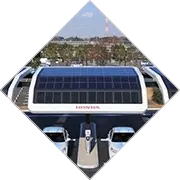
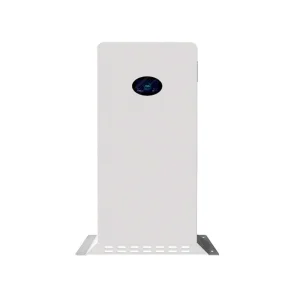
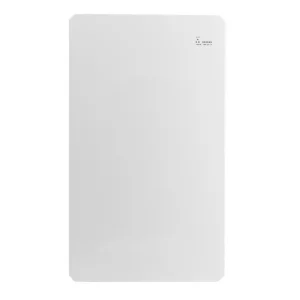
Dual-purpose charging structures maximizing structural PV glass space in corporate facilities.
Projected 2023 Turnover
Global Industrial Clients
CE & IEC Compliant Standards
Established Leadership
In B2B purchasing, selecting the right manufacturing origin and supply channels dictates a project's overall ROI. Large Turkish construction firms and infrastructure partners often struggle with compliance mismatches, shipping uncertainties, and local grid connection certificates. Elemro Energy, headquartered in Xiamen, China, has built a specialized logistics network supporting maritime transit straight to critical Turkish maritime gates: Ambarli (Istanbul), Mersin, and Izmir ports.
Furthermore, Turkey's regulatory climate requires precise conformity assessments. Imports of energy solutions are heavily scrutinized under the EU-Turkey Customs Union protocols, meaning CE marking and compliance certificates are not optional. Our advanced PV glass models and storage equipment meet standard IEC 61215 and IEC 61730 criteria, bypassing common customs blockages and streamlining project execution phases.
For BIPV (Building-Integrated Photovoltaics), standard glass does not cut it. Heavy dust layers common to Turkey's dry plains can lower solar output by up to 15% annually. Our CdTe (Cadmium Telluride) thin-film systems offer a superior temperature coefficient (-0.20%/°C) compared to standard crystalline silicon, ensuring consistent power output even in high-heat zones without sacrificing aesthetic architectural style.
As Turkey’s industrial electricity prices fluctuate during peak hours (17:00–22:00), local enterprises utilize our intelligent LFP battery storage systems to shave peak loads, ensuring stable factory operations and saving significant operating costs.
High-transparency PV glass modules replace standard exterior panels on office buildings and commercial plazas in Istanbul and Ankara, converting facades into clean, localized power generation hubs.
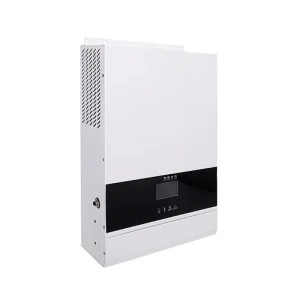
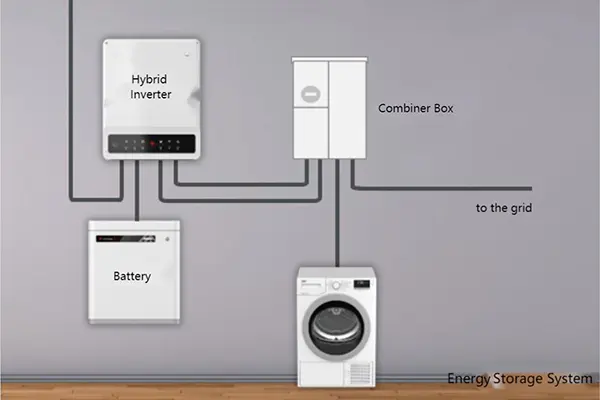
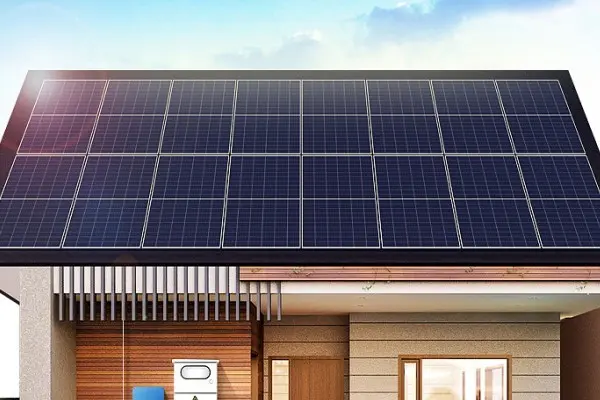
Integrating solar arrays, high-voltage battery banks, and hybrid smart inverters to create independent power loops for remote agricultural and mining facilities throughout rural Anatolia.
Explore Elemro's Advanced High-Voltage Lithium Systems and Stackable Storage Devices Optimized for the Turkish Energy Sector
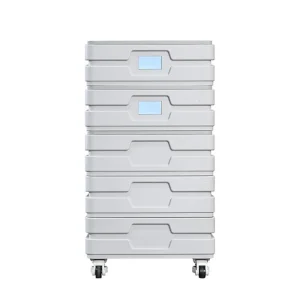
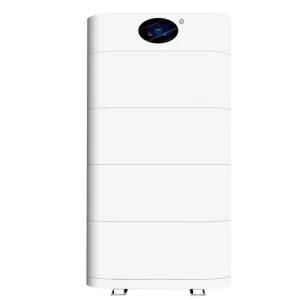
Looking to the next decade of power developments, global energy systems are evolving toward higher voltages and smarter local distribution networks. For high-density systems, traditional 48V low-voltage layouts are transitioning toward high-voltage stacked battery configurations. By working in operating windows exceeding 400V, these stackable LiFePO4 modules minimize internal power conversion losses, slash thermal heat output, and allow for smaller, more efficient wiring systems.
Parallel to storage developments, BIPV technology is transitioning from simple structural glass to smart architectural skins. In urban high-rises across Ankara and Istanbul, standard curtain walls are being replaced by light-transmitting CdTe glass. This double-layer glass structure offers sound dampening, thermal insulation, and reliable power generation. Elemro’s strategic roadmap focuses on marrying clean energy capture with durable structural integrity, giving architects a green and functional building block.
Importantly, as Turkish industries face strict European carbon import adjustments (CBAM), optimizing localized clean energy generation on-site is no longer just about cutting power bills; it is key to preserving international trade competitiveness.
Established in 2019 and headquartered in Xiamen, China, Elemro Energy has built a global reputation for innovation, quality, and comprehensive customer support in the renewable sector. We integrate state-of-the-art research and development, modern manufacturing facilities, and client-focused sales systems under one roof to deliver high-performing clean energy solutions.
Today, our specialized solar glass panels, battery storage containers, and high-voltage home battery solutions support over 250 industrial partners across Europe, Southeast Asia, the Middle East, and the Americas. Driven by steady growth and technical excellence, Elemro Energy’s annual turnover is expected to cross $50 million USD in 2023, reflecting the trust and quality validation of our international commercial partners.
Our systems undergo rigorous test cycles to comply with national codes and international standards across varied industrial applications:
Direct maritime links from China to major Turkish shipping terminals ensure fast and secure equipment transport.
Stay updated with our latest industry developments, exhibition invites, and professional energy guides.
Answering key compliance, integration, and procurement questions from builders and buyers in Turkey.
To import photovoltaic glass and battery energy systems into Turkey, products must hold the European CE mark and comply with the EU-Turkey Customs Union protocols. Key certifications include IEC 61215 and IEC 61730 for PV modules, and IEC 62619 for lithium batteries. All of Elemro's products are fully tested and certified under these international criteria, ensuring smooth customs processing at major Turkish ports.
CdTe (Cadmium Telluride) thin-film solar cells perform exceptionally well in Turkey's hot summer climates. Unlike standard crystalline silicon panels, which experience power drops under high temperatures, CdTe thin-film panels have a low temperature coefficient of -0.20%/°C. They also handle dust layers and shading well, making them ideal for urban BIPV facades in dry regions like Central Anatolia.
Turkey's industrial electricity tariffs vary by time of day, with peak pricing during evening hours (17:00–22:00). An Elemro Battery Energy Storage System (BESS) charges during lower-tariff daytime periods and discharges during peak hours. This peak-shaving strategy protects factories from high dynamic energy bills and stabilizes operations against local grid fluctuations.
Our high-quality LiFePO4 (Lithium Iron Phosphate) home and industrial batteries are rated for over 6,000 charge cycles at an 80% Depth of Discharge (DoD). This translates to more than 15 years of reliable daily operation, backed by built-in Smart BMS monitoring systems to safeguard against overvoltage, temperature spikes, and circuit anomalies.
We work closely with local logistics partners and customs brokers to manage shipments from our facilities to major Turkish port hubs, including Istanbul (Ambarli), Mersin, and Izmir. We provide full packing lists, origin certificates, and safety datasheets (UN38.3/MSDS) to minimize delays and support delivery straight to project sites or local warehouses.
Yes, our double-glazed PV glass panels are structural-grade building elements. They are tested to withstand mechanical loads up to 5400 Pa (equivalent to heavy snow loads) and wind loads up to 2400 Pa. This structural resilience makes them suitable for use across mountainous regions in Eastern Turkey, as well as high-rise urban developments.
Through our comprehensive OEM/ODM services, Turkish engineers can customize battery capacity limits, voltage parameters, and exterior chassis designs to fit unique space limits. Our technical support team assists in designing complete system configurations, from selecting suitable hybrid inverters to sizing containerized utility batteries.
Looking to implement PV Glass or Battery Storage in a Turkish project? Submit an inquiry today, and our technical specialists will reach out within 24 hours with custom designs and competitive price quotes.
Send Inquiry Now





 Elemro Energy