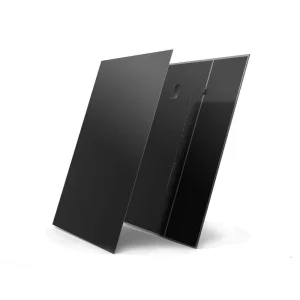
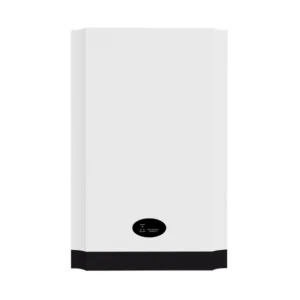
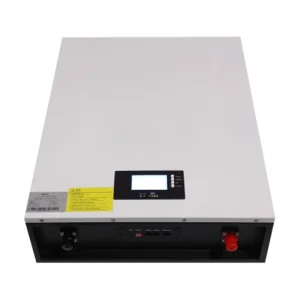
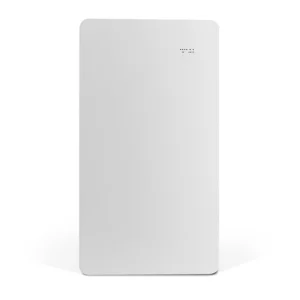
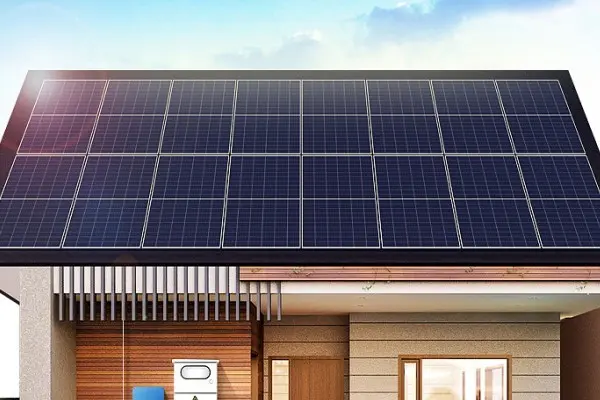
Advanced building materials engineered to meet Kansai's rigorous performance, structural, and aesthetic requirements.
As Japan accelerates its progress toward carbon neutrality by 2050, the metropolitan area of Osaka and the broader Kansai region are undergoing a profound transformation. Driven by stringent local mandates, including the Osaka Prefecture Global Warming Prevention Ordinance, commercial enterprises and industrial stakeholders are increasingly compelled to incorporate localized renewable energy solutions directly into their architectural footprints. Building-Integrated Photovoltaics (BIPV), featuring state-of-the-art photovoltaic (PV) glass panels, represent a structural shift from passive building envelopes to active energy generators.
In dense industrial zones like the Osaka Bay and Yodogawa wards, spatial constraints render traditional utility-scale solar arrays impractical. Roof space is limited, and real estate values are extremely high. Consequently, vertical building structures, factory facades, and parking structure canopies have emerged as prime locations for solar harvesting. Photovoltaic glass panels serve a dual purpose: replacing conventional glass facades, skylights, and windows while generating clean electricity on-site.
ELEMRO Energy is uniquely positioned to address this market. By combining advanced Chinese supply chain efficiencies with strict adherence to Japanese building standards, we offer PV glass panels that deliver superior performance under low-light conditions—a crucial factor in Osaka's humid, subtropical climate which frequently experiences overcast and rainy seasons.
Engineered to withstand regional typhoons, our double-glazed, tempered PV glass complies with rigorous JIS R 3109 wind pressure standards.
CdTe thin-film panels feature a lower temperature coefficient than crystalline silicon, ensuring superior energy yield during hot Osaka summers.
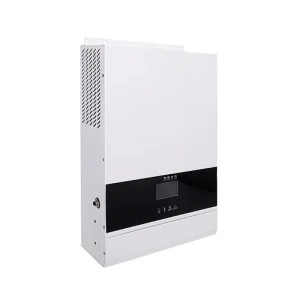
All inverters, lithium battery energy storage systems, and PV glass integration modules are pre-approved to simplify grid connection procedures.
Choosing the correct semiconductor material is vital for achieving high ROI on BIPV systems. In Osaka's urban landscape, where shading from neighboring skyscrapers and non-ideal orientation angles are common, CdTe (Cadmium Telluride) thin-film technology outperforms standard crystalline silicon (c-Si) in several key areas:
| Performance Metrics | ELEMRO CdTe Thin-Film PV Glass | Standard Crystalline Silicon (c-Si) | Osaka Market Impact |
|---|---|---|---|
| Temperature Coefficient | -0.25%/°C | -0.41%/°C | Up to 15% higher energy yield in summer temperatures above 35°C. |
| Shading Tolerance | High (Linear degradation due to parallel cell configuration) | Low (Partial shading can shut down entire modules) | Crucial for Osaka's dense high-rise architecture. |
| Spectral Sensitivity | Broad absorption spectrum (excellent in low-light and diffuse light) | Narrow absorption spectrum (requires direct solar irradiance) | Ensures active power generation during cloudy and rainy seasons. |
| Aesthetics & Transparency | Customizable transparency (10% to 50%), solid architectural colors | Opaque; visible cells and metallic busbars | Meets high visual standards for modern commercial structures in Osaka. |
Deploying photovoltaic systems in Japan requires navigating complex regulatory frameworks. ELEMRO Energy ensures all clean energy installations are fully compliant with the following standards:
ELEMRO Energy acts as a key bridge between China’s advanced photovoltaic manufacturing sector and the Japanese energy market. Operating from our headquarters in Xiamen, China, we leverage extensive R&D and supply chain networks to provide high-quality solar products at competitive prices.
By purchasing from ELEMRO, Osaka-based developers and EPC contractors benefit from:
Get in touch with our local technical engineering team. We provide customized BIPV configurations, wind load calculations, and energy storage system designs within 24 hours.
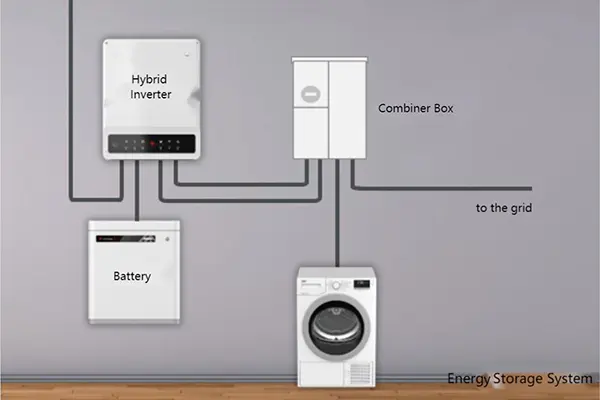
Send Inquiry NowSolar energy generation is variable. To maximize the value of PV glass installations, commercial properties in Osaka must integrate Battery Energy Storage Systems (BESS). Osaka’s commercial electricity tariffs feature significant demand charges based on peak consumption periods.
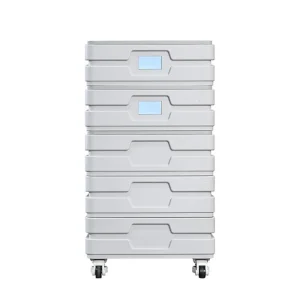
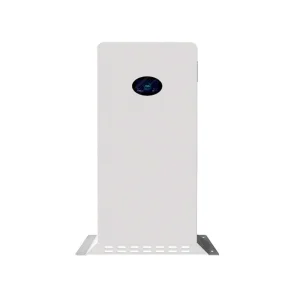
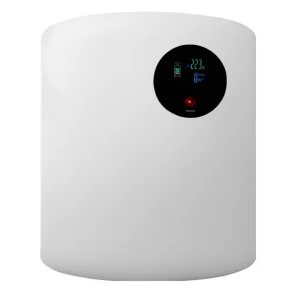
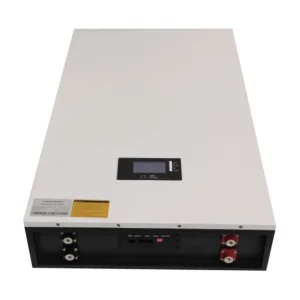
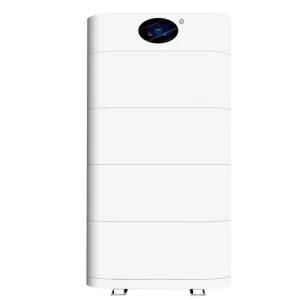
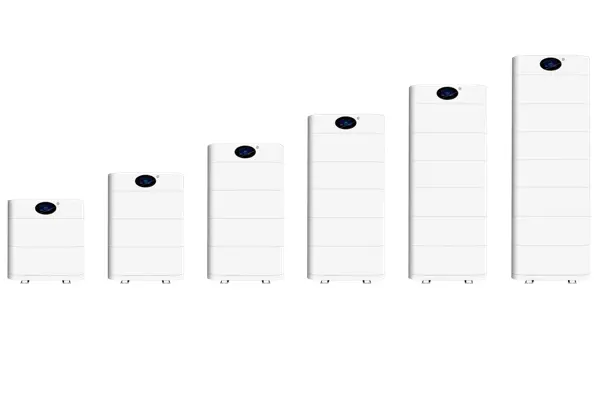
ELEMRO’s stackable lithium iron phosphate (LiFePO4) battery systems are designed to address this challenge by storing excess energy generated during the day and discharging it during peak rate periods (typically between 1:00 PM and 4:00 PM during Osaka summers). This practice, known as peak shaving, reduces overall demand charges and provides backup power during grid outages, ensuring business continuity.
We provide cleaner energy for a greener world.

Advanced photovoltaic building materials for sustainable facades.
Megawatt-scale battery systems designed for industrial grid support.
Turnkey structural canopy installations for commercial parking lots.
Established in 2019, headquartered in Xiamen, China, Elemro Energy has been specialized in new energy storage and electrical product solutions with rich experience. It is the market leader in the new energy industry that unifies R&D, production, and sales. The products have been sold to more than 250 customers in Europe, Southeast Asia, Africa, Mid-east, America, etc. Since its establishment, ELEMRO’s revenue has been growing rapidly every year. ELEMRO’s annual turnover is expected to exceed 50 millions USD in year 2023.
Contact Our Global Sales Team
Engineered for high performance, long lifespans, and seamless integration with clean energy infrastructure in Western Japan.
Detailed technical advice for project engineers, procurement managers, and commercial building developers in Western Japan.
Stay updated with the latest technological developments in BIPV systems, lithium chemistry, and regional energy markets.




 Elemro Energy