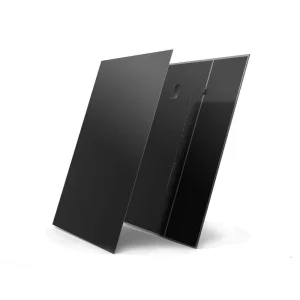
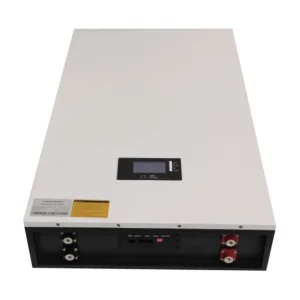
Optimized solar glass materials and localized infrastructure components designed to satisfy strict California structural building codes.
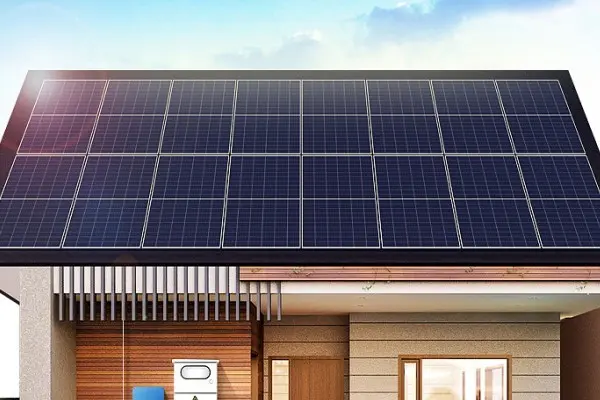
The San Francisco Bay Area stands as a global epicenter of building-integrated decarbonization. Spurred on by the aggressive decarbonization standards of the California Energy Code (Title 24, Part 6), real estate developers, structural engineers, and design firms face pressure to convert typical structural facades into active generation assets. In dense municipal zones like San Francisco, horizontal rooftop space is a finite commodity. This limitation elevates the critical role of Building Integrated Photovoltaics (BIPV) and high-yield PV Glass Panels.
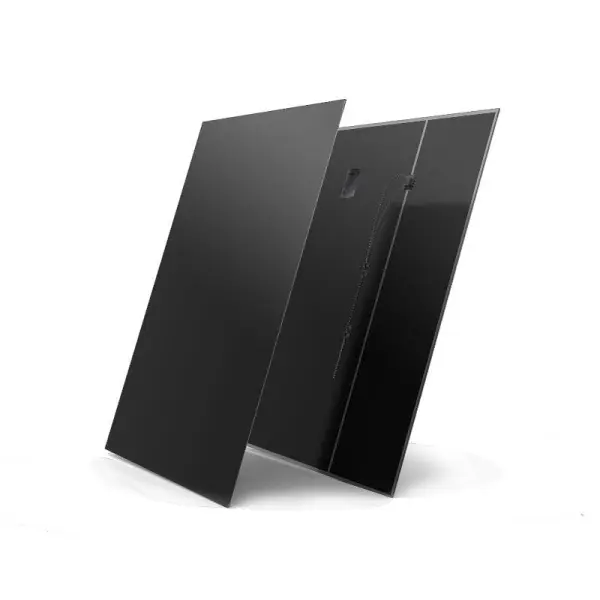
Unlike traditional silicon solar modules, which require separate structural racks, modern architectural PV glass serves as both the building envelope and the power generator. By engineering double-glazed thermal glass units embedded with Cadmium Telluride (CdTe) thin-film layers, factories now supply materials that satisfy mechanical load guidelines, wind resistance, and energy production.
Selecting the appropriate solar panel technology is a critical decision for structural engineers. While crystalline silicon (c-Si) remains the standard for utility-scale open farms, Cadmium Telluride (CdTe) thin-film technology is ideal for vertical building skins. This is particularly true in San Francisco, where coastal microclimates create frequent fog cover and diffused light conditions.
CdTe exhibits a superior bandgap (1.45 eV) compared to crystalline silicon (1.1 eV), allowing it to absorb a wider spectrum of light, especially under overcast skies. Furthermore, the low thermal coefficient of CdTe prevents power degradation during hot, high-ambient sun hours.
| Performance Metric | CdTe Thin-Film PV Glass | Crystalline Silicon (c-Si) Double-Glass | San Francisco Architectural Advantage |
|---|---|---|---|
| Low-Light Power Output | High (90-95% relative performance) | Standard (75-80% relative performance) | Higher cumulative output during morning coastal fog. |
| Temperature Coefficient | -0.20% / °C | -0.38% / °C to -0.45% / °C | Maintains stable generation values in changing microclimates. |
| Light Transmission Range | Customizable (10% to 50% transparency) | Opaque (Requires space between silicon cells) | Offers uniform lighting design with no dot patterns. |
| Seismic Stress Performance | Excellent (Uniform thin-film deposition) | Moderate (Interconnected silicon wafer points) | Withstands shear stress without internal cell cracking. |
Sourcing PV glass for structural integration in San Francisco requires compliance with the stringent engineering guidelines of the American Society of Civil Engineers (ASCE 7) and the International Building Code (IBC). The region's proximity to the San Andreas fault zone places structural designs under Risk Category III and IV.
Our factory partners produce PV glass panels utilizing laminated double-tempered or heat-strengthened configurations. By bonding the active semiconductor layer between two sheets of high-clarity structural glass using robust PVB (polyvinyl butyral) or POE (polyolefin elastomer) resin layers, the panels achieve mechanical integrity comparable to traditional curtain wall glass. These assemblies prevent catastrophic shattering, holding all fragments securely in the frame even in the event of severe seismic shifting or high-velocity wind-load shocks.
Our panels are tested and certified to international standards:
Sourcing commercial-grade PV glass from our advanced production hub in Xiamen, China, provides Western developers with access to a highly optimized supply chain. Our Industry 4.0 factories integrate automation, inline laser isolation, and automated inspection to maintain strict production tolerances.
By consolidating material raw inputs—including ultra-clear low-iron float glass, high-purity cadmium compounds, and advanced EVA/POE encapsulation films—under one manufacturing ecosystem, we reduce production losses. This allows us to supply certified BIPV components at a competitive cost per square meter.
For projects in the San Francisco Bay Area, we offer direct shipping options to the Port of Oakland. This logistics pathway bypasses costly interior transshipments, ensuring delivery of fragile, large-format PV glass panels directly to construction staging zones.
Established in 2019, headquartered in Xiamen, China, Elemro Energy has been specialized in new energy storage and electrical product solutions with rich experience. It is the market leader in the new energy industry that unifies R&D, production, and sales. The products have been sold to more than 250 customers in Europe, Southeast Asia, Africa, Mid-east, America, etc. Since its establishment, ELEMRO’s revenue has been growing rapidly every year. ELEMRO’s annual turnover is expected to exceed 50 millions USD in year 2023.
About UsExplore our specialized energy hardware deployed in commercial projects worldwide.
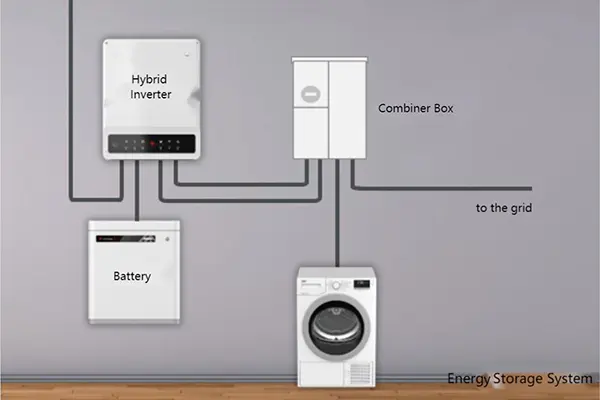
Under California's updated Net Billing Tariff (NEM 3.0), the value of exporting solar power directly to the grid during peak generation hours has been reduced by approximately 75-80%. For commercial entities in San Francisco, installing PV glass panels without a dedicated energy storage system (ESS) is no longer economically viable. To maximize return on investment (ROI), generation and consumption must be balanced locally.
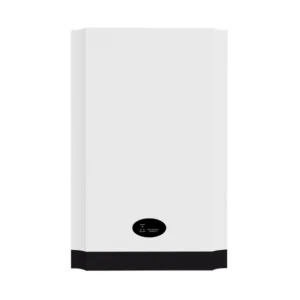
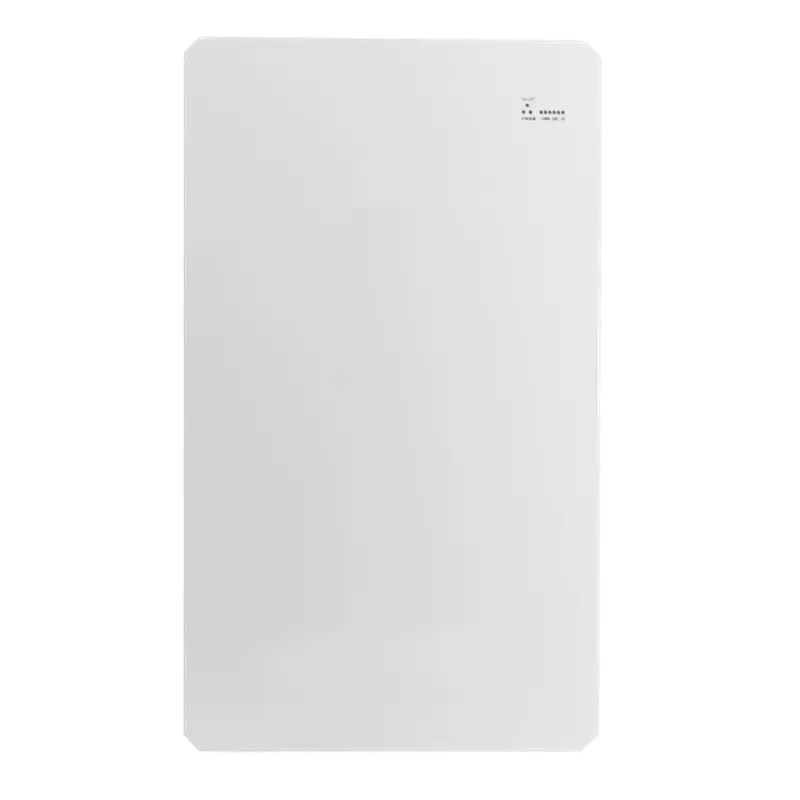
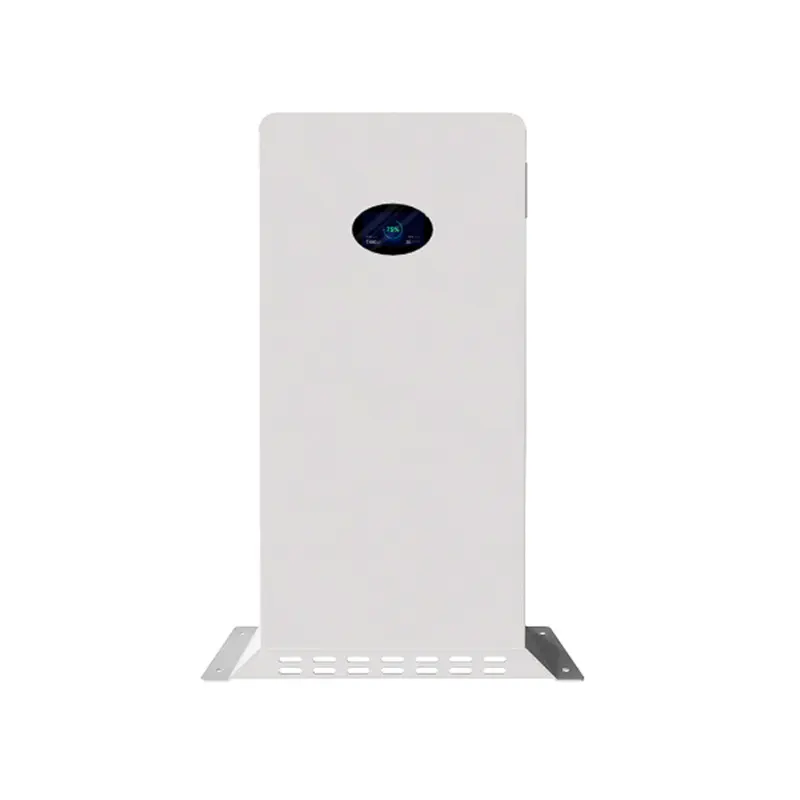
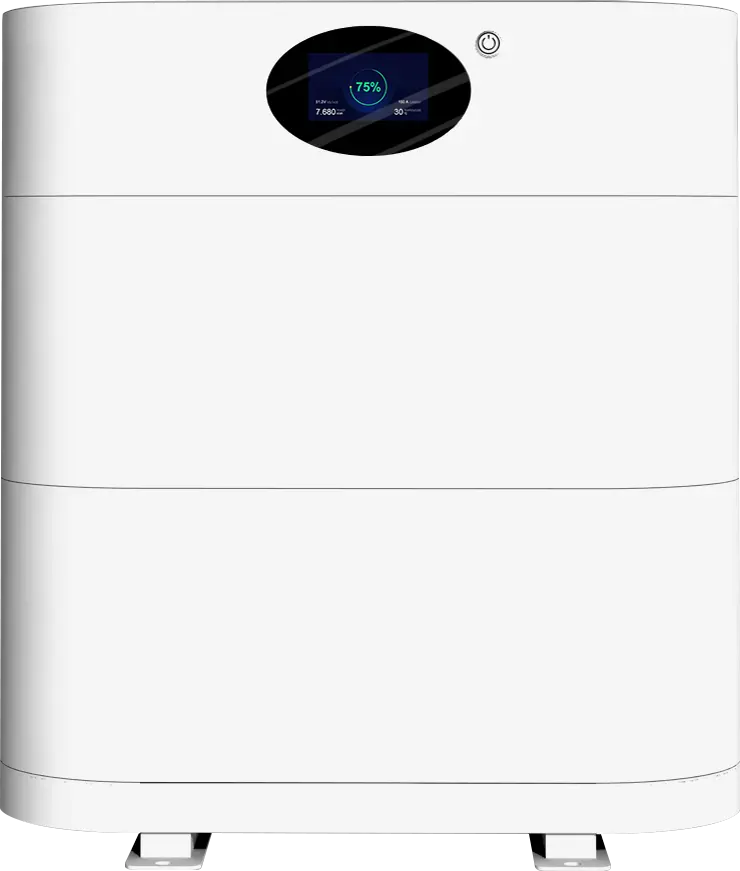
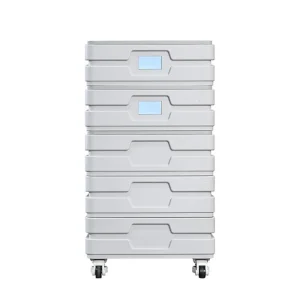
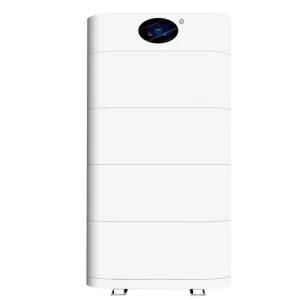
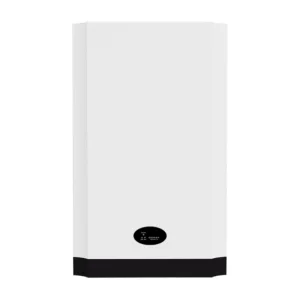
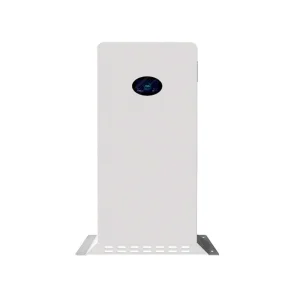
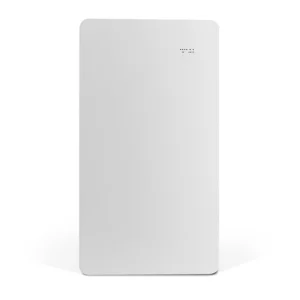
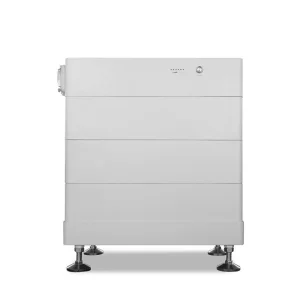
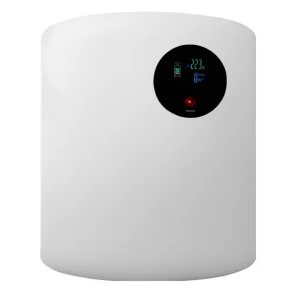
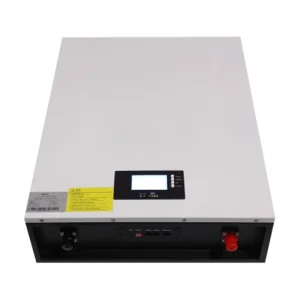
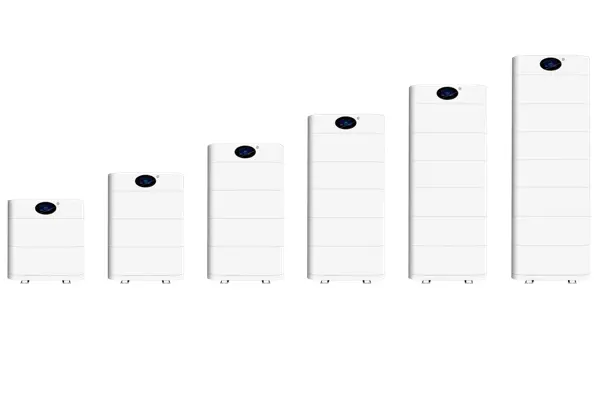
By combining thin-film PV glass facades with intelligent battery energy storage systems (such as the Elemro WHLV and SHELL high-voltage lithium battery series), building owners can capture excess solar energy generated during midday. This stored energy can then be used to offset peak grid rates during the late afternoon and early evening hours, when local utility charges are at their highest.
Expert structural engineering and product sourcing guidance for San Francisco BIPV procurement.
A: San Francisco is subject to frequent coastal fog and cloud cover. CdTe technology features a wider bandgap that performs more efficiently under diffused light compared to crystalline silicon. Additionally, its low temperature coefficient ensures stable energy production during fluctuating weather conditions, while its uniform aesthetic makes it ideal for glass facades.
A: Our PV glass panels are manufactured using laminated, double-tempered safety glass compliant with ASTM E1300 standards. They are designed to withstand structural stresses in high-risk seismic zones (Risk Category III and IV) when installed in approved framing systems, ensuring they remain structurally secure in the event of building movement.
A: All PV glass components and storage batteries conform to international safety regulations, including UL 1703 and UL 61730 for PV modules, and UL 9540A for residential/commercial lithium battery storage systems, satisfying local US municipal building and electrical inspections.
A: Our main manufacturing hub in Xiamen utilizes automated processes and high-throughput production lines to ensure a reliable supply of raw materials and finished goods. This helps protect projects in the US against component shortages and delays.
A: Yes. Our double-glazed and laminated PV units can be tailored to meet specific project needs, including custom transparency levels (ranging from 10% to 50%), dimensions, and colors, allowing them to integrate into modern glass curtain walls.
Technical articles, technology updates, and project case studies from our engineering team.
High-quality components manufactured to international engineering standards, with support for global distribution.




 Elemro Energy