Premier selection of industrial-grade PV glass materials and system integrations tailored for Central Japan's climatic resilience.
We provide cleaner energy for a greener world.

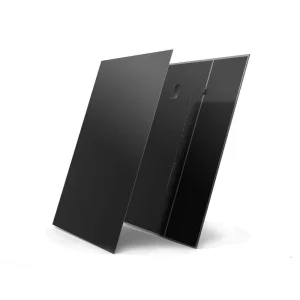
High-transmittance tempered solar glass engineered to resist mechanical loads while maximizing photon capture under Nagoya's shifting seasonal irradiance.
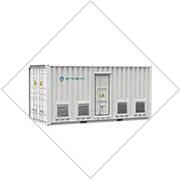
Megawatt-scale thermal-managed containerized ESS designed for peak-shaving, microgrid resilience, and frequency regulation in modern smart factories.
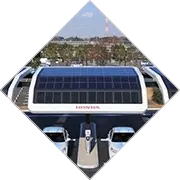
Dual-purpose commercial structure solutions combining high-durability framing with aesthetic BIPV panels for local factory staff parking lots.
As the capital of Aichi Prefecture, Nagoya is the engine room of Japanese manufacturing. Dominated by automotive conglomerates, aerospace facilities, and heavy industrial machinery giants, the region's electricity consumption remains exceptionally high. The Tokyo-imposed Net-Zero emissions target by 2050 has forced a massive transition towards onsite renewable power generation. However, Nagoya’s urban and industrial architecture presents distinct structural parameters: limited space, strict seismic building codes, and typhoon wind pressure vectors (conforming to Japanese JIS R 3206 safety guidelines).
Traditional silicon modules, while cost-efficient, are often too heavy for aging factory roofs or lack the aesthetic compatibility required for new urban complexes. This has catalyzed an unprecedented demand for high-performance Solar Glass and Cadmium Telluride (CdTe) thin-film solar panels. These materials operate not just as energy harvesting units, but as structural glass alternatives for skylights, modern facades, and automated warehouse roofing, offering superior performance even under oblique light angles and cloudy conditions.
Established in 2019, headquartered in Xiamen, China. ELEMRO is a market leader unifying R&D, precision manufacturing, and international supply chain orchestration.
Partner With UsNavigating the global energy transition requires robust partnerships with manufacturing entities that operate at the cutting edge of industrial automation. Our manufacturing footprint in China leverages Factory 4.0 smart infrastructure. This encompasses automated laser processing, computerized edge grinding, inline optical scanners for micro-crack detection, and robotic thermal tempering systems. This state-of-the-art framework guarantees consistent glass density, flat-surface calibration, and exceptional mechanical strength.
From our strategically selected hubs near Xiamen, we mitigate global supply chain vulnerabilities by integrating raw material sourcing, ingot production, glass coating, and panel assembly into a cohesive manufacturing workflow. For buyers in Nagoya and wider Japan, this translates into shorter lead times, lower transport risk, and complete compliance with Japanese safety and structural standards.
Tailored PV glass panels and energy storage configurations optimized for the sub-tropical climates and strict architecture profiles of Aichi Prefecture.
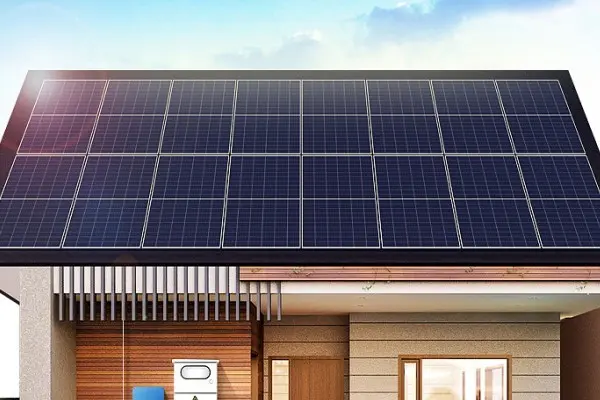
Older manufacturing plants in industrial zones like Toyota City and Nagoya Harbor benefit from lightweight thin-film PV glass retrofits, preserving structural margins while supplying direct off-grid operational energy.
High-density retail districts near Nagoya Station utilize CdTe thin-film glass panels as exterior curtain walls. This integrates architectural design with energy generation, lowering operational costs and satisfying local ESG criteria.
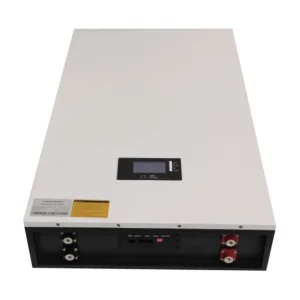
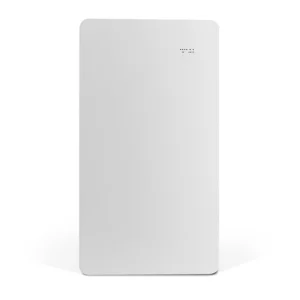
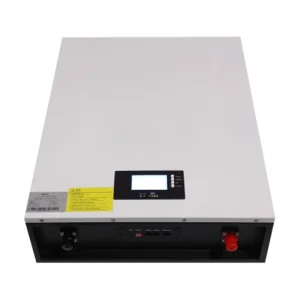
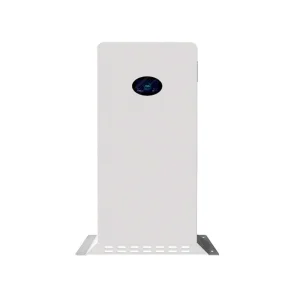
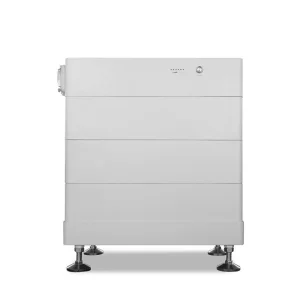
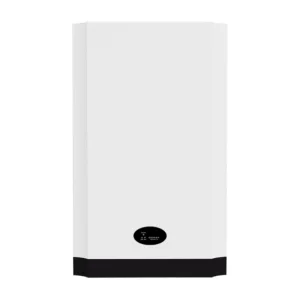
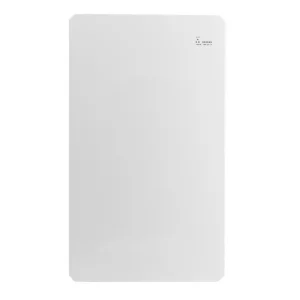
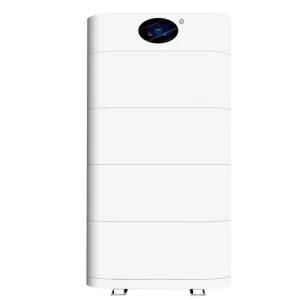
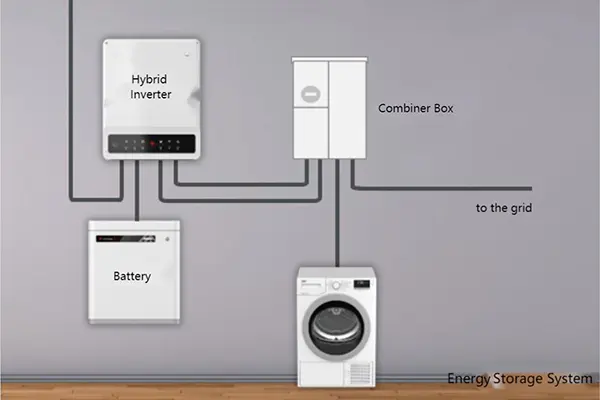
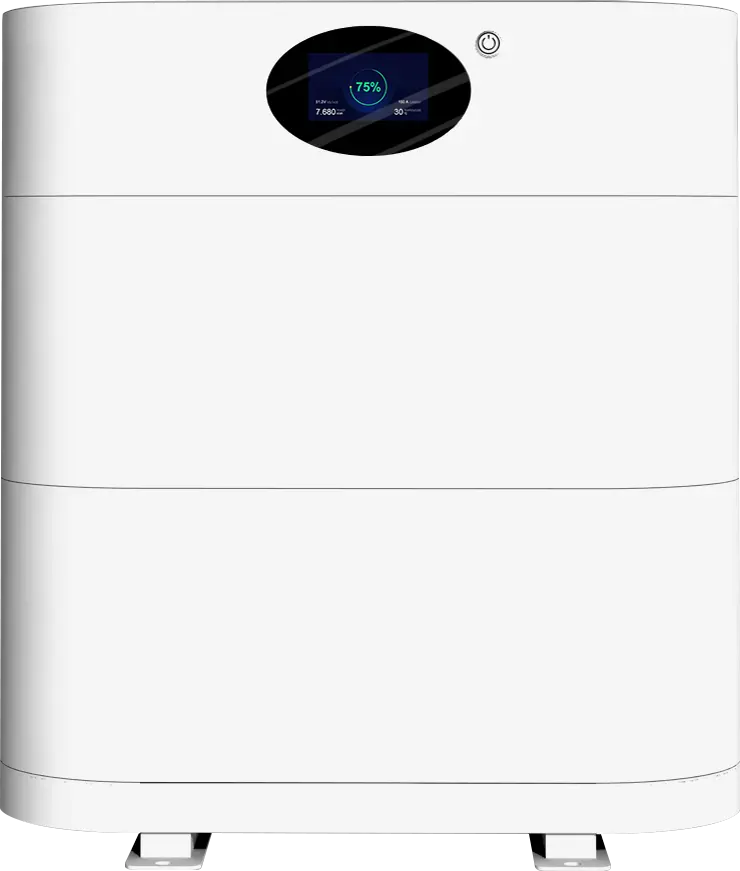
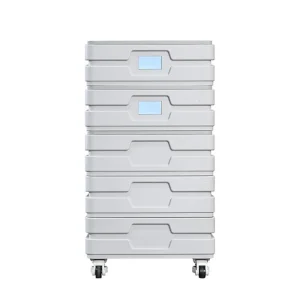
Utilizing Elemro's high-voltage stackable storage batteries and modular containers, logistics centers along Nagoya Port establish localized microgrids. These store daytime solar power for overnight freight management operations.
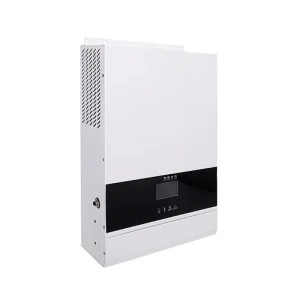
Browse our selection of specialized photovoltaic modules, residential/commercial battery packages, and power conversion systems.
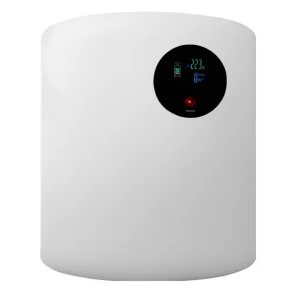
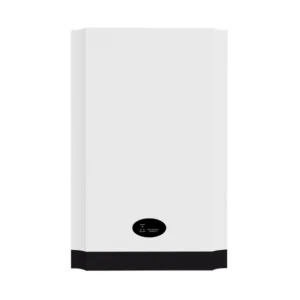
Procuring solar modules and safety structural elements for industrial projects requires a deep understanding of standard engineering criteria. In the high-demand regions of Central Japan, solar installations must endure specific environmental factors. Key manufacturing parameters include:
| Specification Metric | Standard Value Required | Practical Benefit for Nagoya Installers |
|---|---|---|
| Glass Transmittance (ARC-Coated) | > 91.5% - 94% | Ensures maximum light capture during winters and cloudy seasons in Aichi. |
| Wind Pressure Resistance | Up to 2400 Pa - 5400 Pa | Protects installations against extreme typhoon gusts. |
| Lamination Materials | POE / EVA double-layer encapsulate | Avoids Potential Induced Degradation (PID) in coastal, humid regions. |
| CdTe Temperature Coefficient | -0.25%/°C | Performs better than crystalline silicon during high-temperature summers. |
In addition to strict product ratings, modern buyers require end-to-end traceablity. Our manufacturing process ensures that all raw quartz resources, sheet glass production steps, and module assembly metrics are transparently documented. This supports compliance with modern corporate environmental audits.
Stay updated with our technical assessments, industry insights, and event announcements.
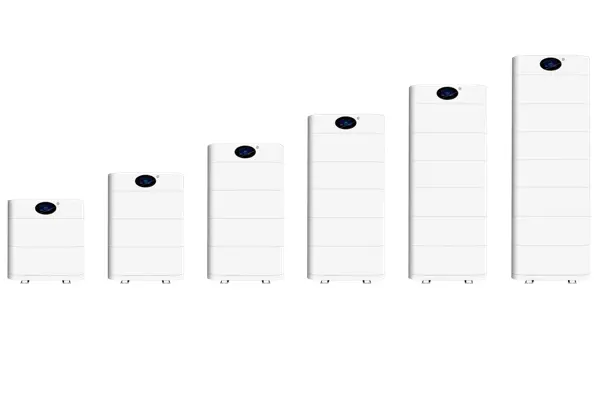

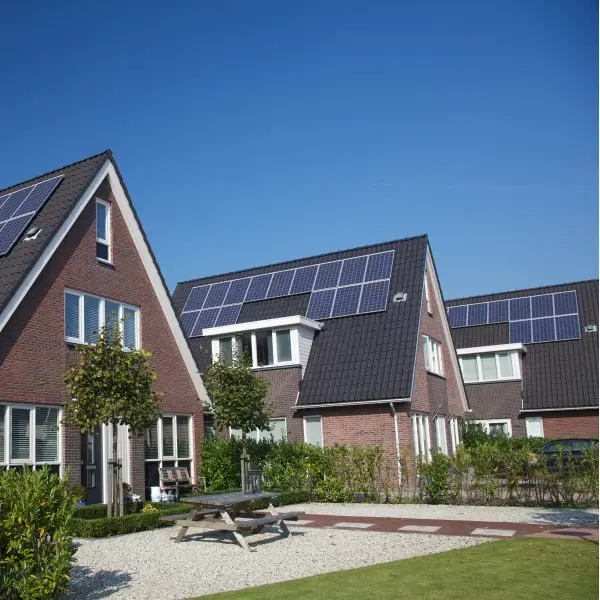
Clear, engineering-focused answers to common procurement questions from solar developers in the Chubu region.





Our engineering team offers customized calculations, localized logistics planning, and technical support for commercial solar and energy storage designs in the Nagoya market.
 Elemro Energy