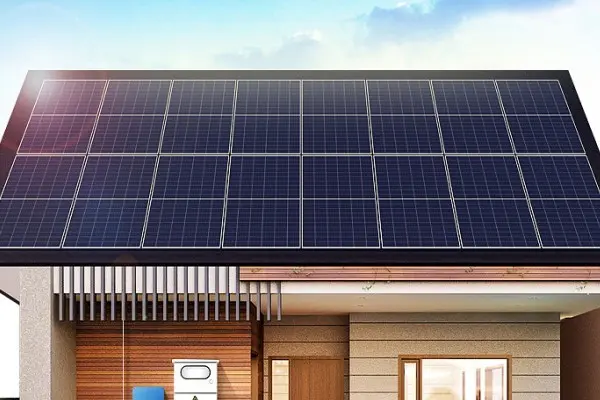
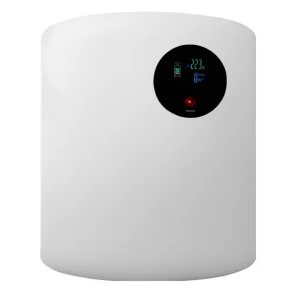
Engineered for high-performing architectural integrations and energy backup resilience across commercial developments in Sydney and global urban zones.
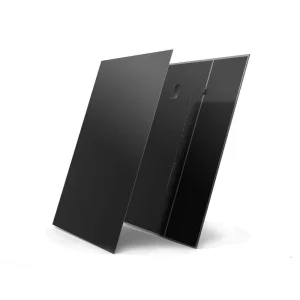
As Sydney accelerates its transition toward a low-carbon economy under the NSW Net Zero Plan Stage 1: 2020–2030, the demand for building-integrated clean energy tech has shifted. No longer restricted to conventional rooftop solar arrays, modern developers, urban architects, and facade consultants are aggressively integrating PV Glass Panels (Photovoltaic Glass) directly into the thermal envelopes of modern high-rises and large commercial facilities. This deep-dive whitepaper addresses the market conditions, technical parameters, and global manufacturing linkages that position Sydney as a primary destination for advanced solar facade architectures.
Sydney's commercial property sector is facing a dual challenge: skyrocketing grid tariffs and stringent environmental targets, such as NABERS energy ratings and green star benchmarks. The geographical characteristics of the Greater Sydney Area—characterized by significant sunlight levels balanced by intense marine winds—require materials that provide robust performance and durable structural protection.
In precincts like Parramatta, Barangaroo, and the emerging Western Sydney Aerotropolis, spatial constraints prevent horizontal solar array expansions. Therefore, vertically oriented BIPV installations (such as transparent and semi-transparent Cadmium Telluride [CdTe] thin-film windows and spandrel panels) have become crucial structural assets. These systems turn vertical space into high-efficiency power generation modules, enabling commercial buildings to achieve energy independence.
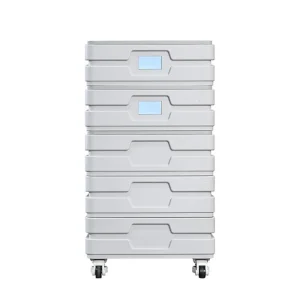
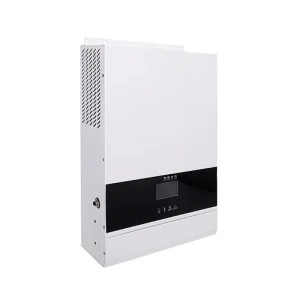
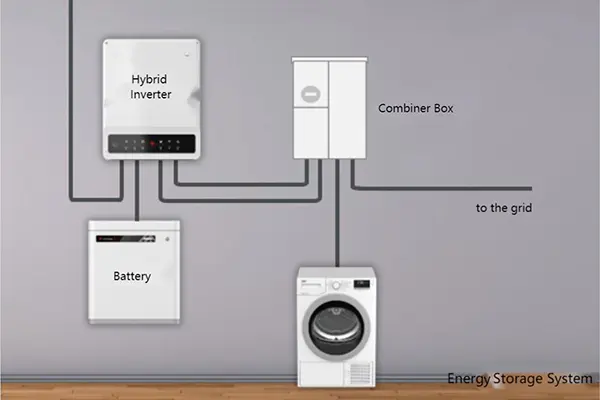
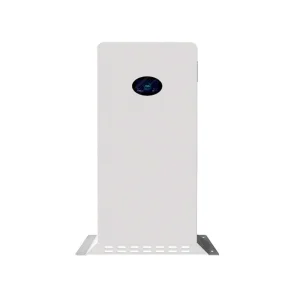
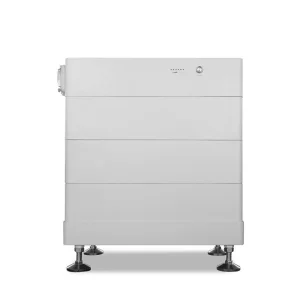
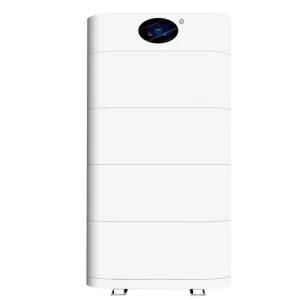
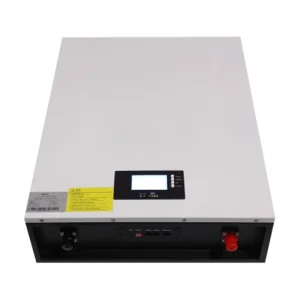
Global procurement specialists looking to source PV glass panels for Australian projects must balance local regulatory compliance with cost-effective manufacturing logistics. Sourcing high-quality PV Glass and Energy Storage Systems (ESS) directly from specialized factories ensures high production volumes and precise custom cuts.
A key technical consideration in Sydney's urban core is the performance comparison between Cadmium Telluride (CdTe) thin-film panels and traditional Crystalline Silicon (c-Si) cells:
The next decade of PV glass engineering focuses on maximizing efficiency through material science innovations. Researchers and advanced factories are currently developing Perovskite-Silicon tandem cells, which aim to push commercial BIPV efficiency beyond 28%. Additionally, self-cleaning hydrophobic coatings are becoming standard, reducing maintenance costs and urban dirt accumulation in high-density areas. Future systems will also integrate smart sensors directly into the glass laminates, communicating with Building Management Systems (BMS) to optimize real-time energy flow and climate control.
Deploying solar glass panels in Sydney requires strict adherence to Australian building codes and electrical standards. Any imported PV Glass must carry valid certifications to ensure structural integrity and safety:
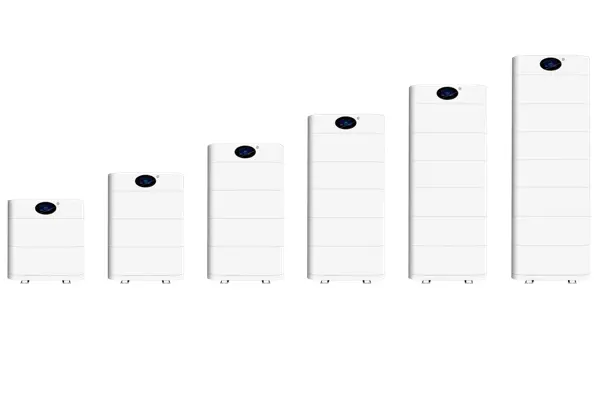
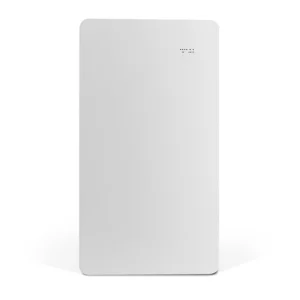
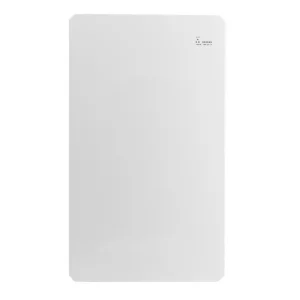
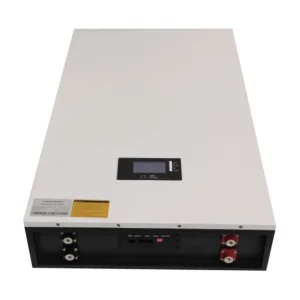
We provide cleaner energy for a greener world. By combining state-of-the-art PV glass panel engineering with modular, high-voltage battery storage architectures, we offer comprehensive turn-key systems to satisfy the most demanding architectural, commercial, and industrial engineering profiles globally.
Established in 2019, headquartered in Xiamen, China, Elemro Energy has specialized in new energy storage and electrical product solutions with rich industry experience. As a leader in the new energy sector, we integrate R&D, production, and sales under one roof. Our products serve over 250 global clients across Europe, Southeast Asia, Africa, the Middle East, and the Americas. Since our founding, ELEMRO's annual turnover has grown rapidly, exceeding $50 million USD.
Receive comprehensive engineering consultations, static calculations, and factory-direct price estimates within 24 hours.
Send Inquiry NowCritical structural, mechanical, and logistical questions answered by our engineering and compliance teams.
Stay informed with technical insights on solar glass innovation, energy storage, and industrial energy solutions.
High-grade battery assemblies, inverters, and thin-film elements certified for Sydney industrial integrations.





 Elemro Energy