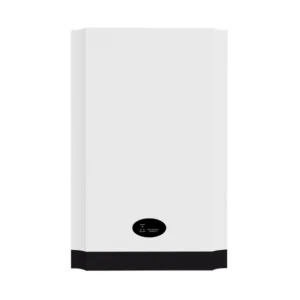
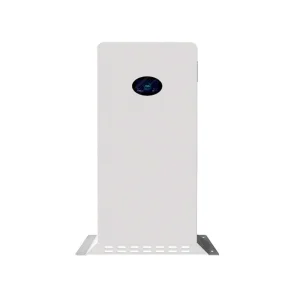
Engineered for high desert temperatures and robust utility-scale integration, our primary components lead the clean energy transition.
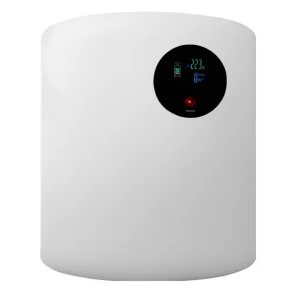
Algeria stands at the threshold of a historic energy transition. Historically reliant on hydrocarbon exports, the nation is pivoting toward a sustainable future under the Algerian National Renewable Energy and Energy Efficiency Program. This program aims to achieve 15,000 Megawatts (MW) of renewable capacity by 2035, with solar photovoltaic (PV) technology acting as the core pillar. Given the country's vast landmass—80% of which is comprised of the Sahara Desert—Algeria boasts some of the highest solar irradiance levels in the world, averaging over 3,000 hours of sunshine annually. However, deploying solar modules in arid environments presents extreme engineering hurdles, specifically high temperatures, particulate accumulation (soiling), and sand abrasion. Addressing these challenges requires high-durability PV Glass Panels, thermal-resistant Cadmium Telluride (CdTe) thin-film solar architectures, and high-capacity Lithium Iron Phosphate (LiFePO4) storage systems.
In North Africa, ordinary solar modules face rapid degradation. High desert temperatures increase the operational temperature of panels, which in conventional crystalline silicon (c-Si) cells leads to severe efficiency drops due to a high negative temperature coefficient (typically -0.4%/°C to -0.45%/°C). To mitigate this, specialized PV Glass Panels integrated with advanced coatings are crucial. Solar glass used in Algerian microgrids must possess high thermal resilience and anti-reflective properties that maximize light capture at low solar angles. Furthermore, windblown sand acts as a natural abrasive, scratching the surface of standard glass and permanently degrading light transmittance. Advanced PV glass factories in China now produce self-cleaning, anti-soiling, and sand-abrasion-resistant coatings (specifically silicon dioxide and titanium dioxide-based nanostructures) that withstand desert storms while maintaining a light transmittance of over 98.5% over a 25-year operational lifespan.
Building-Integrated Photovoltaics (BIPV) are rapidly transforming modern urban landscapes in cities like Algiers, Oran, and Constantine. The Algerian government's green building initiatives promote the integration of solar generation directly into building envelopes (facades, skylights, and windows). For these applications, Cadmium Telluride (CdTe) thin-film solar cells are superior to conventional silicon panels. CdTe has a lower temperature coefficient of approximately -0.2%/°C, allowing it to perform far better in hot Mediterranean and Saharan climates. Additionally, CdTe thin-film modules offer superior spectral response in humid and dusty environments, capturing diffuse light that would otherwise be lost. ELEMRO's CdTe thin-film solutions provide aesthetic flexibility (with variable transparency and custom color options) combined with robust energy generation, making them the standard choice for major administrative and commercial building upgrades throughout the Algerian coastal and inland regions.
As massive solar farms—such as the 2,000 MW PV projects spearheaded by Sonelgaz—are integrated into the national grid, matching supply and demand becomes a key technical challenge. The intermittent nature of solar energy in remote Saharan nodes demands robust utility-scale and localized battery storage systems. Without adequate Energy Storage Systems (ESS), grid congestion and voltage fluctuations restrict the utility of renewable investments. To ensure grid resilience, industrial buyers in Algeria are deploying lithium-based battery storage systems, primarily utilizing Lithium Iron Phosphate (LiFePO4) chemistry. LiFePO4 is globally recognized as the safest and most chemically stable energy storage technology, capable of operating at elevated ambient temperatures without thermal runaway risks. Stackable, high-voltage battery designs facilitate modular scalability, allowing remote agricultural hubs and gas production fields in the south to construct independent microgrids that run seamlessly 24/7.
China is the global leader in photovoltaic technology, representing over 80% of the global PV supply chain capacity. For Algerian procurement officers, sourcing PV components directly from Tier-1 Chinese manufacturers like ELEMRO Energy ensures significant capital expenditure (CAPEX) savings, cutting-edge technology, and scalable production timelines. Located in the technology hub of Xiamen, China, ELEMRO leverages a vertically integrated supply chain encompassing raw silica purification, high-precision glass tempering, automated CdTe deposition, and automated LiFePO4 battery pack assembly. This concentrated infrastructure minimizes logistics delays, ensures rigorous quality control (under ISO 9001, CE, TÜV, and UL certifications), and offers Algerian contractors custom engineering support tailored to regional regulatory requirements.

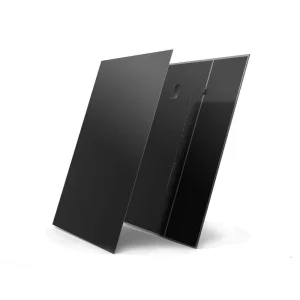
High-transmittance, ultra-durable photovoltaic glass panels tailored for harsh Saharan environments.
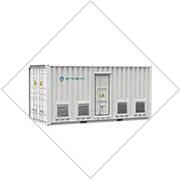
Megawatt-scale thermal-managed battery systems ensuring continuous power supply in off-grid sectors.
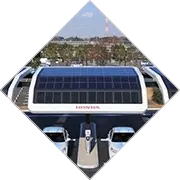
Advanced urban carports integrating solar glass panel arrays and integrated EV charging infrastructure.
Established in 2019 and headquartered in the coastal technology hub of Xiamen, China, ELEMRO Energy specializes in state-of-the-art energy storage systems and clean energy components. As a market leader, we consolidate R&D, manufacturing, and international distribution under a singular umbrella. To date, ELEMRO's global outreach spans over 250 industrial customers across Europe, Southeast Asia, Africa, the Middle East, and the Americas. Reflecting our rapid growth, ELEMRO's annual turnover exceeded 50 Million USD by the end of 2023. Our commitment to Algeria's market is built on engineering reliable products that endure complex Saharan weather patterns.
Explore our extensive range of high-efficiency energy storage solutions and advanced photovoltaic products.
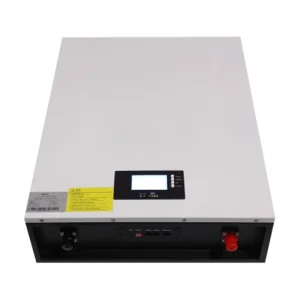
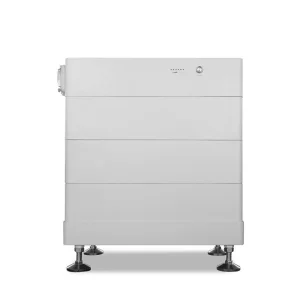
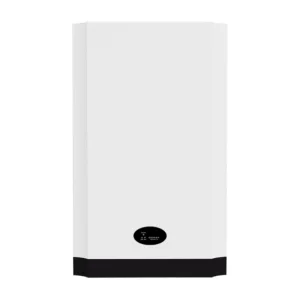
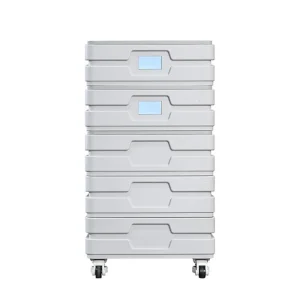
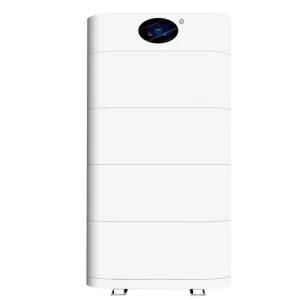
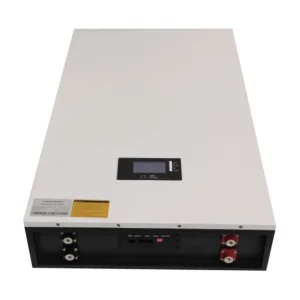
Premium backup solutions and smart inverters, maximizing the efficiency of your solar configuration.
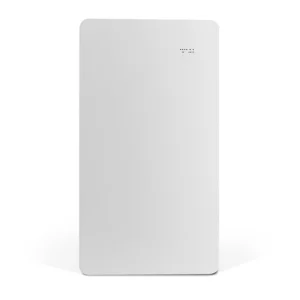
Heavy-duty domestic backup power design, protecting local clinics, server systems, and offices from regional blackouts.
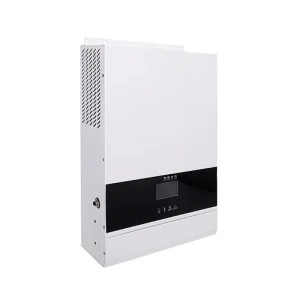
Efficient DC to AC conversion designed to interface directly with regional grid standards and high temperature margins.
Purchasing utility-grade solar components requires meticulous technical evaluation. In line with the E-E-A-T framework, ELEMRO outlines the key factors B2B procurement officers must check before finalized agreements:
In Algeria's desert climates, components undergo accelerated aging. Procurement agents must verify compliance with standard certifications:
Algerian shipping routes from China usually clear through key deep-water maritime ports: the Port of Algiers, Port of Oran, and Port of Skikda. Experienced suppliers like ELEMRO manage Incoterms (CIF, FOB, and DDP), working closely with Algerian freight forwarders to ensure compliance with the Bank of Algeria’s currency and import policies, including EUR.1 movement certificates where applicable.
Important Procurement Advice:
Always verify sand-abrasion resistance (ISO 20567-1) when ordering PV glass. Uncoated glass will experience micro-fractures in Saharan crosswinds, leading to a severe decline in optical transmission within the first 36 months of installation.
The integration of IoT (Internet of Things) into renewable assets has become mandatory. ELEMRO's battery storage products contain proprietary Battery Management Systems (BMS) with built-in remote CANbus and RS485 communication protocols. This allows municipal operators in Algiers to monitor cell voltage, temperature, and depth of discharge (DoD) of batteries situated thousands of kilometers away in rural Adrar or Tamanrasset. Real-time diagnostic telemetry reduces operation and maintenance (O&M) overhead by enabling predictive maintenance, ensuring that potential issues are identified before they lead to regional grid dropouts.
Professional engineering answers to queries concerning solar glass panels and energy storage systems in Algeria.
Stay informed with the latest technological developments and regional reports directly from our engineering team.
Our engineering and commercial sales division will respond to your custom requirements within 24 hours.




 Elemro Energy