 Elemro Energy
Japan ESS Industry Analysis & Deep Technical Whitepaper
The global energy transition is no longer a futuristic goal; it is a current industrial reality. In Japan, the adoption of Energy Storage Systems (ESS) is growing rapidly, driven by the government's target of achieving carbon neutrality by 2050. This whitepaper analyzes the current commercial, industrial, and regulatory landscape of ESS in Japan. It evaluates the technological requirements, safety certifications, and supply chain dynamics that global procurement agents and system integrators must understand when implementing high-capacity battery installations.
2050
Net Zero Target
JIS C
8715-2 Safety Std
LiFePO4
Primary Chemistry
1. The Commercial & Industrial (C&I) ESS Market Landscape in Japan
Japan's electricity market is highly regulated, technologically advanced, and prone to natural disasters. These factors make the country a unique market for stationary energy storage systems. The Ministry of Economy, Trade and Industry (METI) has systematically adjusted the Feed-in Tariff (FIT) framework to a Feed-in Premium (FIP) scheme. This policy shift encourages renewable energy self-consumption and microgrid coordination over simple grid feed-in models.
In the Commercial and Industrial (C&I) sector, factories, logistics hubs, and commercial centers face high electricity demand charges. Peak shaving and load shifting using smart LiFePO4 battery systems have become critical strategies for reducing operational costs. By discharging stored solar or grid-energy during peak periods, Japanese businesses can reduce their peak demand metrics, lowering their overall utility rates.
In addition, Virtual Power Plants (VPPs) are emerging as a key part of the Japanese energy landscape. High-voltage battery systems are linked through IoT platforms to aggregate capacity, allowing businesses to participate in demand response programs and receive compensation from transmission system operators (TSOs) for supporting grid stability.
2. Localized Compliance, Regulation, and Certification
The Japanese market has strict safety and quality standards. Any ESS deployment must comply with local regulations to qualify for grid connection, receive municipal subsidies, and secure insurance coverage:
- METI (Ministry of Economy, Trade and Industry) Notifications: Lithium-ion battery systems must comply with the Electrical Appliance and Material Safety Act (DENAN). This requires strict structural testing, thermal runaway prevention, and insulation resistance verification.
- JIS C 8715-2 Standards: This standard outlines the safety requirements for industrial secondary lithium cells and batteries. It requires rigorous testing for drop impacts, internal short circuits, overcharges, thermal abuse, and mechanical shocks.
- JET Certification: Administered by the Japan Electrical Safety & Environment Technology Laboratories, JET certification acts as proof of quality and safety. Many commercial projects and municipal subsidy programs require ESS equipment to be JET certified.
- Fire Service Act (消防法 - Shobouhou): Large-scale battery storage facilities must comply with strict fire safety requirements, including specific indoor layout clearances, fire suppression systems, and thermal barrier structures.
3. Supply Chain Optimization: The Role of China's Manufacturing Ecosystem
To deploy cost-effective, high-capacity projects, Japanese system integrators increasingly partner with leading Chinese manufacturers. Chinese battery production hubs, such as those in Xiamen, Fujian, offer significant supply chain advantages:
Raw Material Security: Chinese manufacturers maintain robust relationships with key upstream suppliers of lithium iron phosphate (LiFePO4) cathode materials, graphite anodes, and high-performance separators. This ensures stable pricing and production capacity, even during periods of high global demand.
Advanced Manufacturing Processes: Factories utilize fully automated assembly lines, high-precision cell sorting systems, and strict X-ray quality controls. This ensures cell consistency, which helps maximize the lifecycle and reliability of multi-megawatt systems.
Integrated R&D and Customization: Chinese manufacturers can customize structural enclosures, optimize liquid cooling systems, and program Battery Management System (BMS) communication protocols to integrate with Japanese PCS (Power Conditioning System) brands, such as Nichicon, Tabuchi, and OMRON.
4. Key Enterprise Procurement Guidelines for Global Projects
When purchasing ESS equipment for Japanese projects, procurement agents should evaluate several key performance indicators (KPIs) to ensure long-term ROI:
- Round-Trip Efficiency (RTE): High-efficiency systems (with RTE > 90%) minimize energy losses during charge-discharge cycles, reducing operational costs over the lifetime of the project.
- Battery Management System (BMS) Capabilities: A reliable BMS must support CAN, RS485, and Modbus TCP communications, enabling real-time cell-level diagnostics, state-of-health (SOH) tracking, and active cell balancing.
- Thermal Management: Industrial systems require robust thermal management. Liquid cooling designs provide better temperature consistency across large packs compared to forced air systems, extending the cycle life of the cells.
- After-Sales and Technical Support: Local technical support, available spare parts, and remote diagnostic systems are critical for minimizing downtime in C&I applications.
5. Local Application Scenarios in Japan
Our ESS products are designed for several key application scenarios across Japan:
- Agricultural Solar Integration (Agri-PV): Combining solar glass greenhouses with stackable high-voltage LiFePO4 batteries ensures stable, off-grid power for climate-control systems, minimizing reliance on regional grids.
- Disaster Recovery & Business Continuity (BCP): Installed at logistics centers and hospitals to provide emergency power during grid outages caused by typhoons or seismic events.
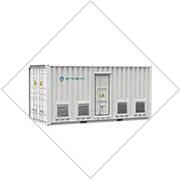
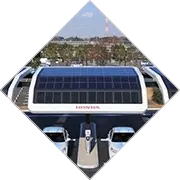
- C&I Carport Solar Storage: Utilizing solar carports with high-capacity containerized storage to charge corporate EV fleets while managing facility peak load.
- Virtual Power Plant (VPP) Networks: Connecting commercial building battery installations into a central control network to support regional frequency regulation.
6. Technological Trends: The Next Generation of ESS
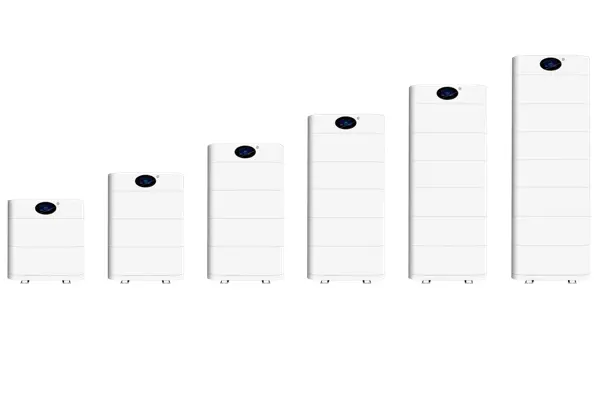
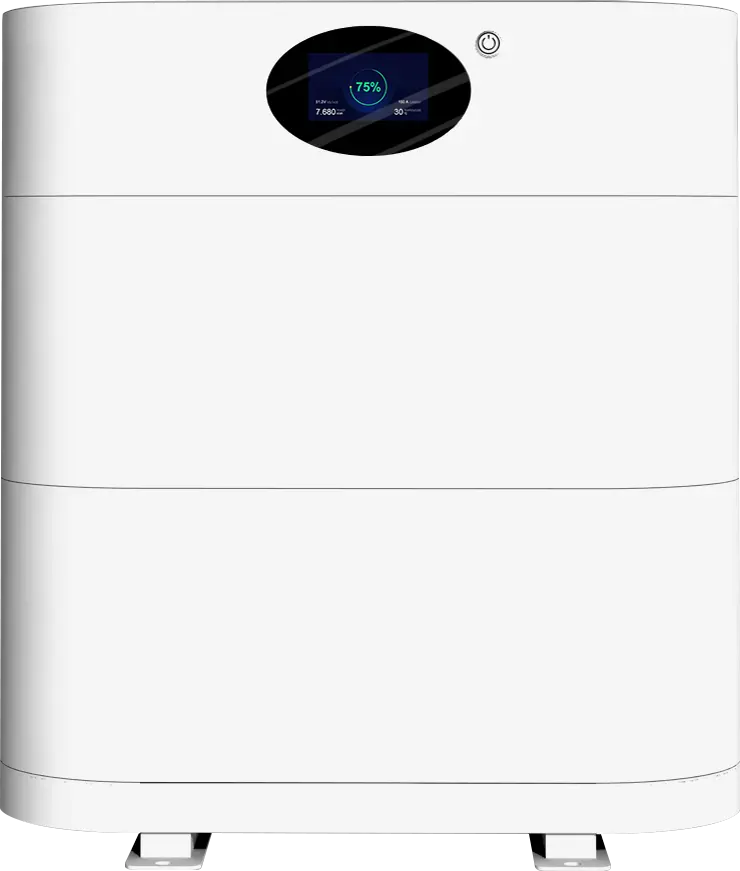
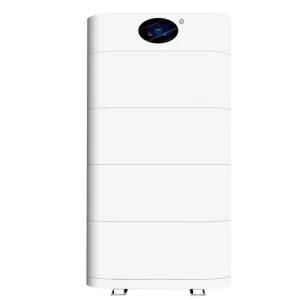
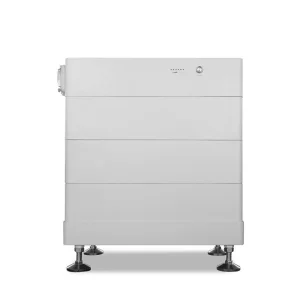
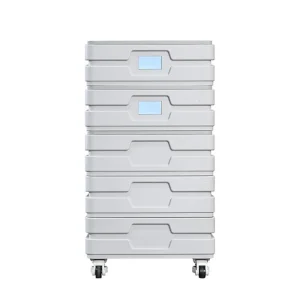
The industry is moving toward solid-state designs, sodium-ion alternatives, and AI-driven energy management software. Current high-voltage stacked systems offer modular layouts that allow users to easily expand capacity as their energy needs grow. Integrating cloud-based diagnostic platforms helps predict thermal anomalies before they occur, ensuring safer operations in dense urban environments.