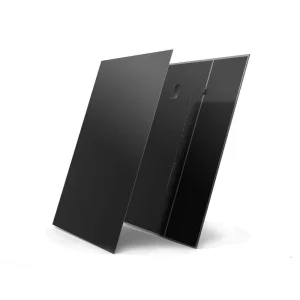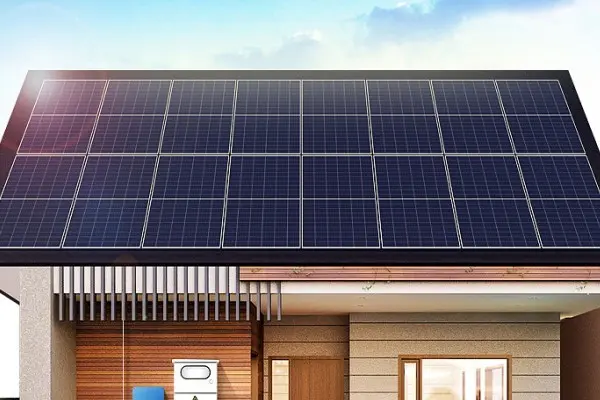
Innovative building-integrated photovoltaic (BIPV) solutions designed to harvest solar energy from architectural facades and structures.
Large-scale, modular utility and C&I containerized ESS systems equipped with advanced liquid cooling and comprehensive fire suppression.
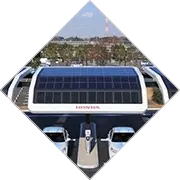
Integrated structures combining EV charging infrastructure with high-efficiency solar canopies and robust battery bank storage.
The Los Angeles basin is currently experiencing one of the most radical energy transitions in modern history. Driven by the ambitious goals of the **LA100 study** (targeting 100% clean energy by 2035) and California's state-wide mandates, the reliance on traditional fossil fuel peaker plants is being rapidly phased out. In their place, decentralized, intelligent infrastructure is required to support the local distribution grid managed by the Los Angeles Department of Water and Power (LADWP) and Southern California Edison (SCE).
For industrial, commercial, and residential energy consumers in Southern California, this transition introduces severe challenges and lucrative opportunities. The grid is increasingly vulnerable to extreme weather events, high-heat summer surges, and the threat of wildfire-induced Public Safety Power Shutoffs (PSPS). To maintain operational continuity and insulate businesses from astronomical demand charges, local enterprises are turning to high-capacity **Energy Storage Systems (ESS)**.
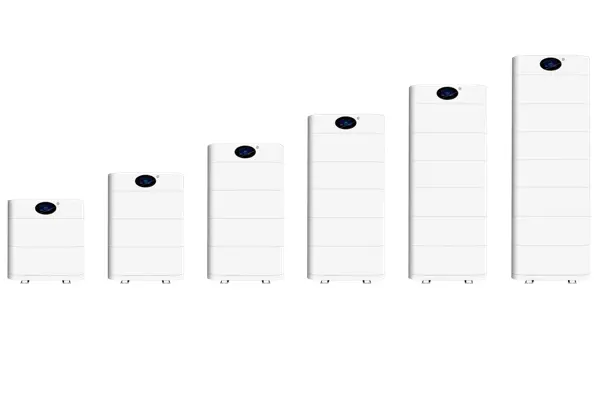
Under the Net Billing Tariff (NEM 3.0), the export rate for residential solar electricity has been reduced by approximately 75-80%. This regulatory alteration drastically extends the payback period of traditional solar arrays unless they are paired with a smart lithium-ion ESS. By storing excess solar generation on-site during midday peak production periods, consumers can leverage **Self-Consumption Optimization (SCO)**. Elemro's high-voltage stackable battery architectures provide the rapid response times and high efficiency required to capitalize on this shifting tariff design, ensuring maximum ROI for regional project developers.
To meet the stringent safety standards enforced by the **California Public Utilities Commission (CPUC)** and local building ordinances (such as the strict Los Angeles Department of Building and Safety - LADBS codes), modern ESS manufacturers must prioritize thermal stability and lifecycle longevity.
At Elemro Energy, our core technology utilizes **Lithium Iron Phosphate (LiFePO4)** chemistry. Unlike traditional Nickel Manganese Cobalt (NMC) chemistries, LiFePO4 cells do not contain cobalt, eliminate the threat of runaway oxygen release, and possess a significantly higher thermal runaway temperature threshold (exceeding 270°C). This makes LiFePO4 the preferred choice for dense urban environments like Downtown LA, Pasadena, and Santa Monica, where safety clearances are tight and building codes demand compliance with **UL 9540** (Standard for Energy Storage Systems and Equipment) and **UL 9540A** (Test Method for Evaluating Thermal Runaway Fire Propagation).
Historically, residential and light commercial battery banks operated on low-voltage (48V) architectures. While 48V systems are highly reliable, they suffer from higher line losses and require thicker copper cabling when scaling up capacity. Elemro's high-voltage stacked energy storage systems utilize series-connected battery modules to achieve system voltages exceeding 400V. This high-voltage setup allows for:
The geography of Los Angeles requires localized energy solutions. Microclimates, terrain-driven grid vulnerabilities, and local industrial zones dictate unique operational demands for energy storage:
The logistics hubs, distribution warehouses, and manufacturing facilities spanning East LA and the Inland Empire run large logistics operations requiring heavy material handling machinery and EV delivery fleets. Elemro’s containerized battery systems provide active peak shaving to keep demand charges below peak thresholds. Our software platforms integrate directly with local building management systems to automatically discharge stored energy when the facility’s draw exceeds a pre-determined kW limit.
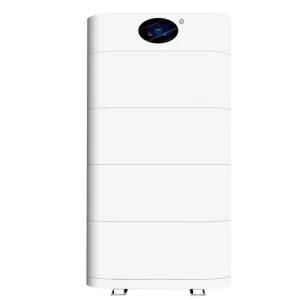
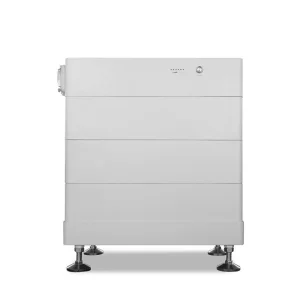
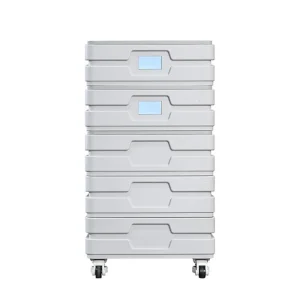
For communities positioned along the Wildland-Urban Interface (WUI), public safety power shutoffs are a frequent reality. Elemro’s stackable high-voltage LiFePO4 batteries serve as robust microgrid hubs. When the main utility lines are shut down during high-wind events, our advanced battery management systems isolate the home or facility from the grid in milliseconds, transitioning to off-grid mode to keep critical communication, refrigeration, and security systems fully active.
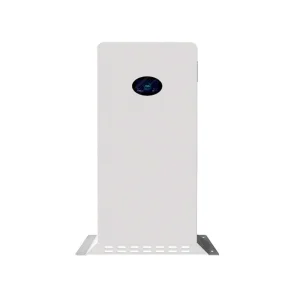
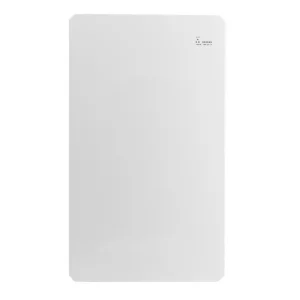
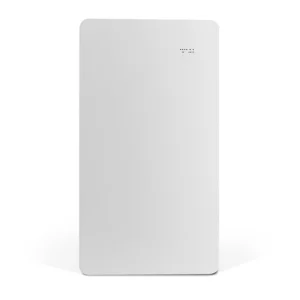
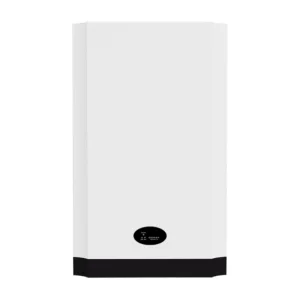
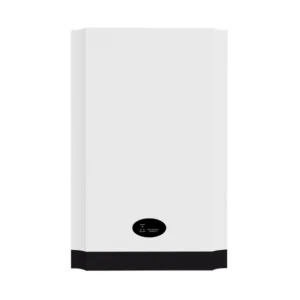
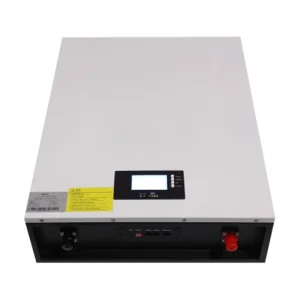
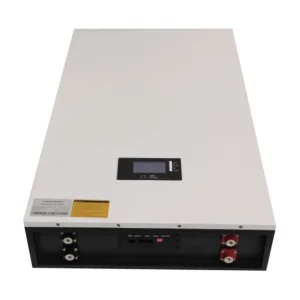
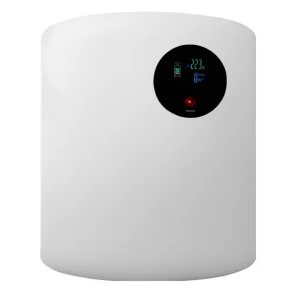
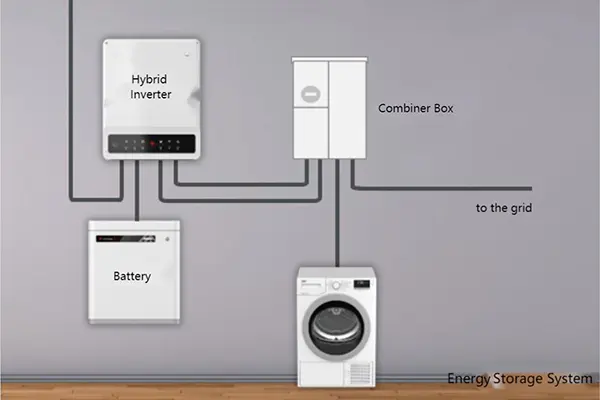
In the densely populated areas of the LA Basin, space is at a premium. Elemro’s wall-mounted lithium-ion units offer a sleek, space-saving footprint suitable for garage or outdoor installations. These devices interface with local utility dynamic rate schedules to discharge during peak pricing windows (typically 4 PM to 9 PM), saving homeowners hundreds of dollars annually on their electricity bills.
The global ESS market is projected to grow at a Compound Annual Growth Rate (CAGR) of over 25% from 2024 to 2030. The growth is fueled by aggressive decarbonization mandates in both North America and Western Europe, alongside dropping battery raw material prices (specifically lithium carbonate).
We are transitioning from simple "battery backup" architectures to intelligent, grid-interactive distributed energy systems. The technology roadmap is shifting toward:
Established in 2019 and headquartered in Xiamen, China, Elemro Energy has established itself as an innovative force in the new energy storage sector. We are a vertically integrated enterprise that unifies R&D, advanced automated production, and global distribution.
Our dedication to engineering excellence and localized compliance has allowed us to deliver systems to over 250 satisfied clients across Europe, Southeast Asia, Africa, the Middle East, and the Americas. ELEMRO's annual turnover is expected to exceed 50 million USD in year 2023, driven by a rapid expansion of our product lineup and strategic local partnerships.
Send Inquiry Now
Get in touch with our team of engineers to receive technical details, sizing configurations, and a comprehensive quote for your Los Angeles commercial or residential project.
Send Inquiry Now




 Elemro Energy