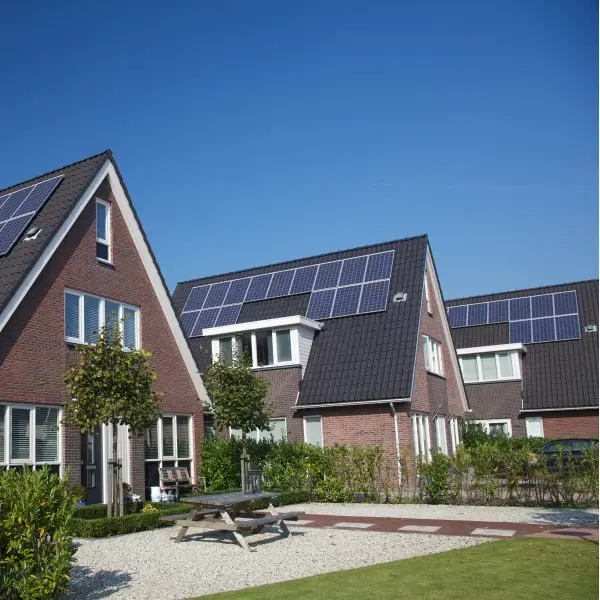
The Kingdom of Belgium is undergoing one of the most critical energy transitions in Western Europe. Faced with the gradual phasing out of its nuclear fleet (Doel and Tihange nuclear plants) and a rapid increase in offshore wind capacity from the North Sea, the Belgian national transmission system operator (TSO), Elia, faces severe challenges in grid stabilization. Power grid congestion, frequency fluctuations, and high peak capacity tariffs (the newly implemented "capaciteitstarief" in Flanders) demand robust and high-performance Energy Storage Systems (ESS).
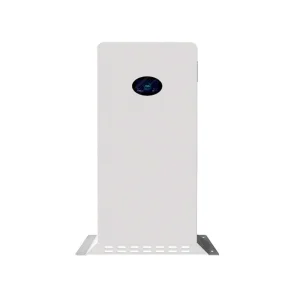
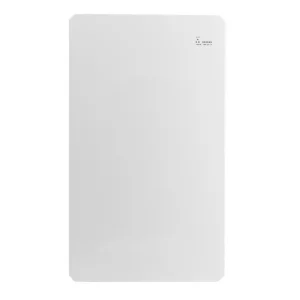
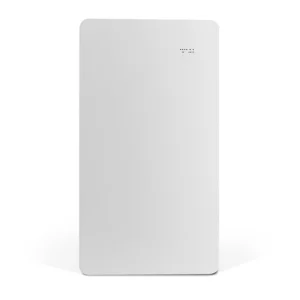
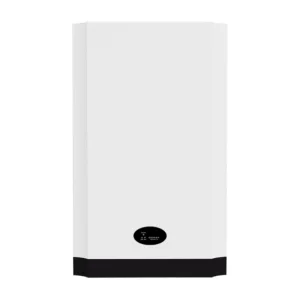
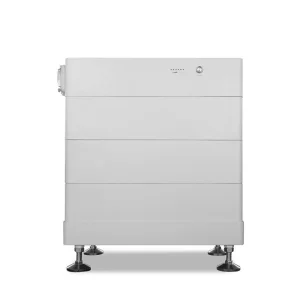
To avoid grid imbalance penalties and capitalize on dynamic energy tariffs, commercial enterprises, industrial facilities, and municipal utility providers across Flanders, Wallonia, and Brussels are deploying commercial LFP battery cabinets and containerized solutions. ESS factories capable of integrating direct tier-1 cells with robust European compliance standards are serving as critical infrastructure enablers.
The manufacturing dynamics of Energy Storage Systems (ESS) are highly globalized. China stands at the epicentre of raw material refining, cell manufacturing, and battery management system (BMS) logic development, representing over 75% of global output. However, localizing these technologies to fit the complex grid requirements of Western European countries, particularly Belgium, requires a profound understanding of local safety directives, grid compliance (such as the Synergrid C10/11 certification standard in Belgium), and thermal management challenges.
Established in 2019, with headquarters in the technology hub of Xiamen, China, ELEMRO Energy has positioned itself at this crucial intersection. By uniting advanced research and development (R&D) in Xiamen with direct market feedback from over 250 European, Southeast Asian, and African commercial installers, ELEMRO has engineered systems that meet the rigorous CE, IEC 62619, and UN38.3 certifications.
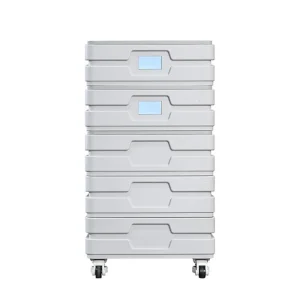
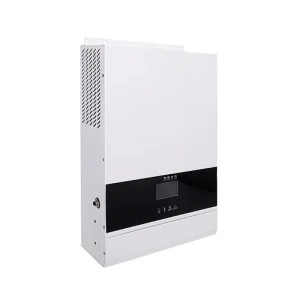
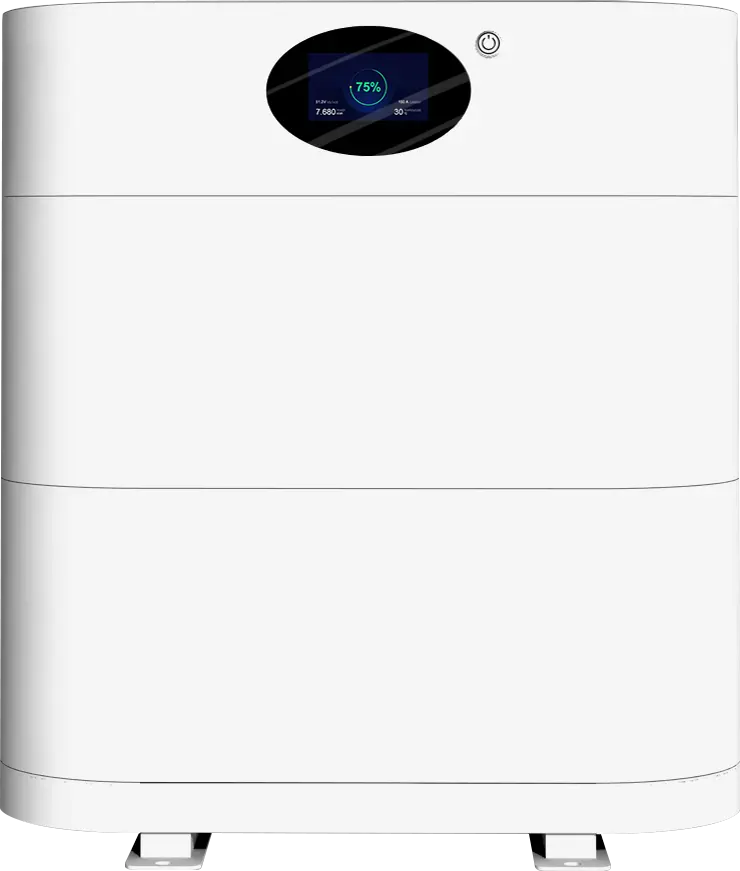
Globally, the ESS market is shifting rapidly from low-voltage (48V) systems to High-Voltage (HV) stacked configurations. High-voltage systems minimize transmission losses through cables and match the input parameters of three-phase hybrid inverters commonly required for commercial establishments in Wallonian and Flemish industrial zones.
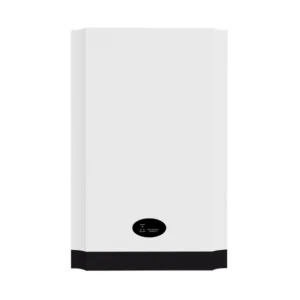
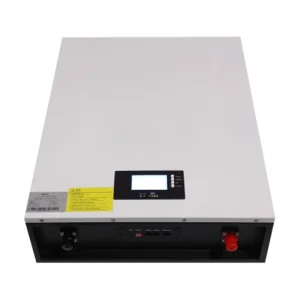
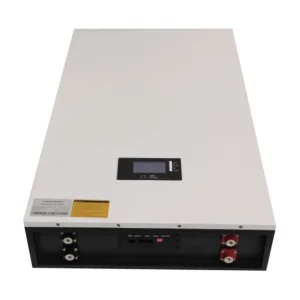
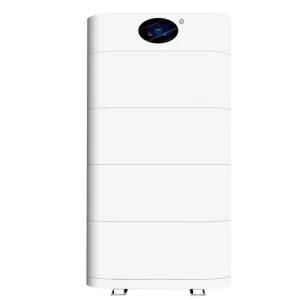
With the Flemish energy regulator (VREG) introducing capacity tariffs, industrial sites near Antwerp Ports and Brussels outskirts use stacked high-voltage battery banks to discharge during machinery startup times, successfully flattening their peak grid demand curves.
Belgian real estate projects are increasingly adopting CdTe (Cadmium Telluride) thin-film solar glass paired with local ESS cabinets. Energy generated via structural glass facades is stored locally, supplying zero-carbon energy to office buildings during dark Belgian winter months.
Larger containerized energy systems are integrated into localized microgrids across industrial zones in Wallonia. These assets respond within milliseconds to frequency grid instabilities, offering high-frequency primary reserve services (FCR) to Elia.
We provide cleaner, smarter energy storage systems and structures for a greener world.

Highly efficient photovoltaic architectural glass panels ideal for facade-integrated building designs in European cities.
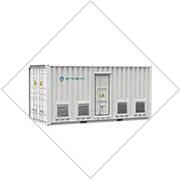
Heavy duty containerized utility-scale LFP battery systems fitted with automated liquid cooling and fire suppression.
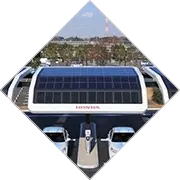
Smart solar-canopy carports integrated directly with EV chargers and local ESS for commercial fleet optimization.
Established in 2019, headquartered in Xiamen, China, Elemro Energy has been specialized in new energy storage and electrical product solutions with rich experience. It is a market leader in the new energy industry that unifies R&D, production, and sales. The products have been sold to more than 250 customers in Europe, Southeast Asia, Africa, Mid-east, America, etc. Since its establishment, ELEMRO’s revenue has been growing rapidly every year. ELEMRO’s annual turnover is expected to exceed 50 millions USD in year 2023.
As the market for energy storage matures, technological diversification is picking up pace. Several trends will dominate the Belgian and wider European commercial landscape over the next five years:
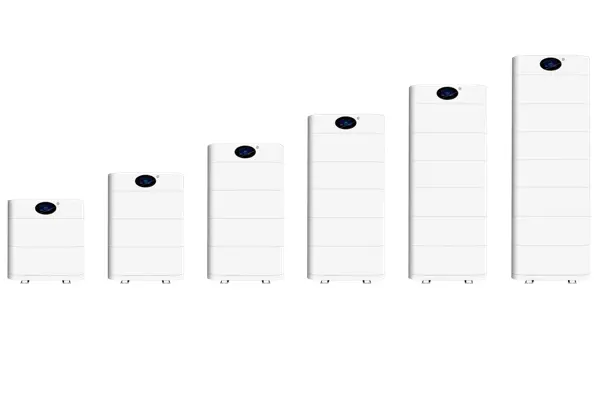
By stacking lithium battery modules in series (rather than parallel), systems can run at voltages upwards of 400V to 800V. This decreases current flow, resulting in cooler running temperatures, higher efficiency, and compatibility with direct high-power commercial hybrid inverters.
The EU's battery passport initiative places strict demands on supply chain sustainability. The move towards cobalt-free LiFePO4 (LFP) chemistries is already standard, but research into sodium-ion batteries for stationary storage and solid-state systems will soon reduce reliance on lithium.
In addition, the integration of Smart EMS (Energy Management Systems) powered by machine learning algorithms is transforming batteries from dumb storage cabinets to intelligent financial arbitrage machines. These systems monitor day-ahead hourly spot prices (such as the EPEX SPOT BE indexes) and automatically pre-charge the battery cells using low-cost energy, discharging them when prices spike or local industrial demand peaks.
Start a green and convenient life with Elemro Energy. Fully certified for Western European power grids.
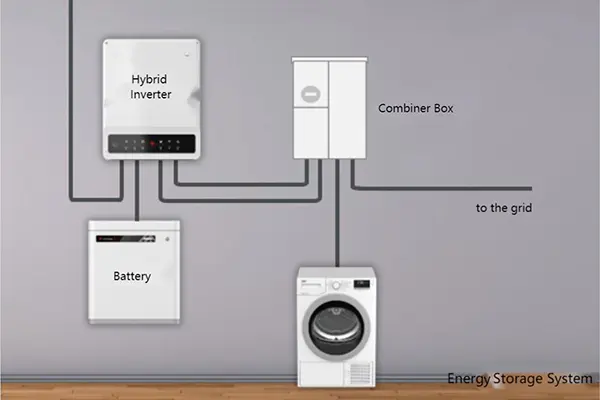
Understanding how hybrid inverters bridge DC battery capacity with the AC utility grid.
Comparing battery chemistries: Lifepo4 vs NMC and why safety profiles dictate grid standards.
Detailed layout maps for integrating battery cabinets inside dynamic power grids.
Showcasing ELEMRO's newest modular solar power platforms at South East Asia energy expo.
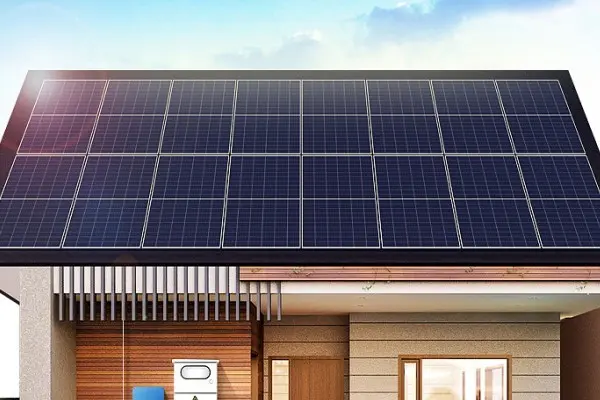
From solar glass building facades to heavy utility ground mounts in industrial parks.
Deep dive into modular pack thermal behaviors, integrated fire dampers, and BMS safety codes.
Yes. Grid coupling in Belgium requires inverters and energy storage units to adhere to the strict C10/11 certification standards dictated by Synergrid. ELEMRO's home systems and stackable battery packs work in combination with major European three-phase hybrid inverters that carry full C10/11 certification. We recommend checking with our engineering sales team to match your local distribution system operator (DSO) requirements (e.g., Fluvius in Flanders, ORES or RESA in Wallonia).
The Flemish capacity tariff (capaciteitstarief) calculates part of the electricity bill based on the highest average monthly peak (measured in kW over a 15-minute window). ELEMRO LiFePO4 (LFP) systems offer high continuous discharge capabilities (1C rates). When commercial equipment starts up, the battery system immediately supplies the required peak power, preventing your grid draw from creating a massive spike. This peak-shaving process drastically reduces monthly utility tariff brackets.
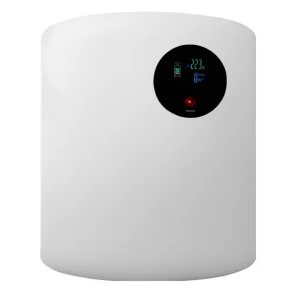
Yes, our containerized ESS units and premium wall-mounted modules feature high ingress protection ratings (typically IP54 or IP65). However, Belgium experiences low winter temperatures that can slow lithium-ion transfer rates. Our large-scale systems are configured with integrated thermal management systems (heating elements/liquid cooling) to ensure cells remain within their optimal operating range of 15°C to 25°C, ensuring high cycle lifespans and preventing low-temperature degradation.
Given Belgium's electricity pricing structures (which are among the highest in Europe for commercial consumers), a typical C&I facility pairing solar PV arrays with an ELEMRO battery system sees a full return on investment (ROI) within 5.5 to 7.5 years. Factors accelerating this include peak tariff reduction, participation in grid balancing secondary markets, and high self-consumption offsets.
For inquiries about our products, global factory capacities, or customized containerized battery pricelists, please leave your inquiry with us. Our technical support team will contact you within 24 hours with a comprehensive engineering estimate.
 Elemro Energy