 Elemro Energy
ESS Battery Systems in Austria: A Strategic Overview of the Commercial & Industrial Energy Storage Market
In accordance with Austria’s Renewable Energy Expansion Act (Erneuerbaren-Ausbau-Gesetz, EAG), the nation has charted a strict course to cover 100% of its national electricity consumption from domestic renewable energy sources by 2030. Achieving this ambitious mandate requires more than just scaling photovoltaic installations and wind turbines; it demands a massive, resilient infrastructure of stationary Energy Storage Systems (ESS). Battery storage systems act as the stabilizing cornerstone of the modern power network, mitigating grid congestion, providing auxiliary services, and maximizing internal consumption in industrial, commercial, and agricultural installations.
From the industrial valleys of Upper Austria to the tourist infrastructures and mountain stations of Tyrol, the demand for localized energy storage has seen exponential growth. High-voltage lithium iron phosphate (LiFePO4) storage batteries are emerging as the standard technology of choice due to their inherent thermal stability, safety profile, long cycle life, and compatibility with Central European grid safety compliance certifications (such as OVE Richtlinie R20, TOR Erzeuger, and EN 62619).
Key Market Insight: Information Gain for Austrian Operators
Unlike standard battery systems, ESS deployed in alpine regions must deal with extreme temperature variations and strict environmental protection standards. Industrial batteries require localized fluid cooling or heating and advanced active balancing BMS to maintain nominal performance without compromising cell integrity.
Global vs. Local Commercial and Industrial (C&I) ESS Battery Dynamics
The Global Battery Manufacturing Supply Chain
On a global scale, the energy storage supply chain has shifted heavily toward high-density lithium iron phosphate (LiFePO4) chemistries, leaving traditional lead-acid systems and even nickel-manganese-cobalt (NMC) batteries behind for stationary applications. This transition is motivated by three main factors: raw material availability, thermal runaway resistance, and long-term levelized cost of storage (LCOS). The integration of automated cell-to-pack (CTP) manufacturing processes has further reduced system-level costs, making megawatt-scale deployments economically viable for private corporations.
The Austrian C&I Storage Reality
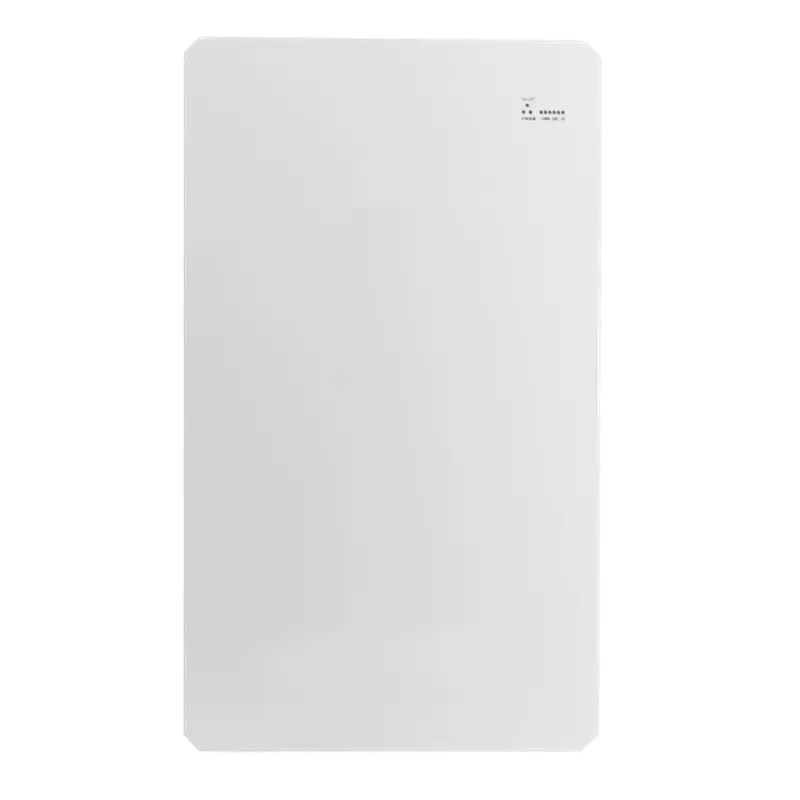
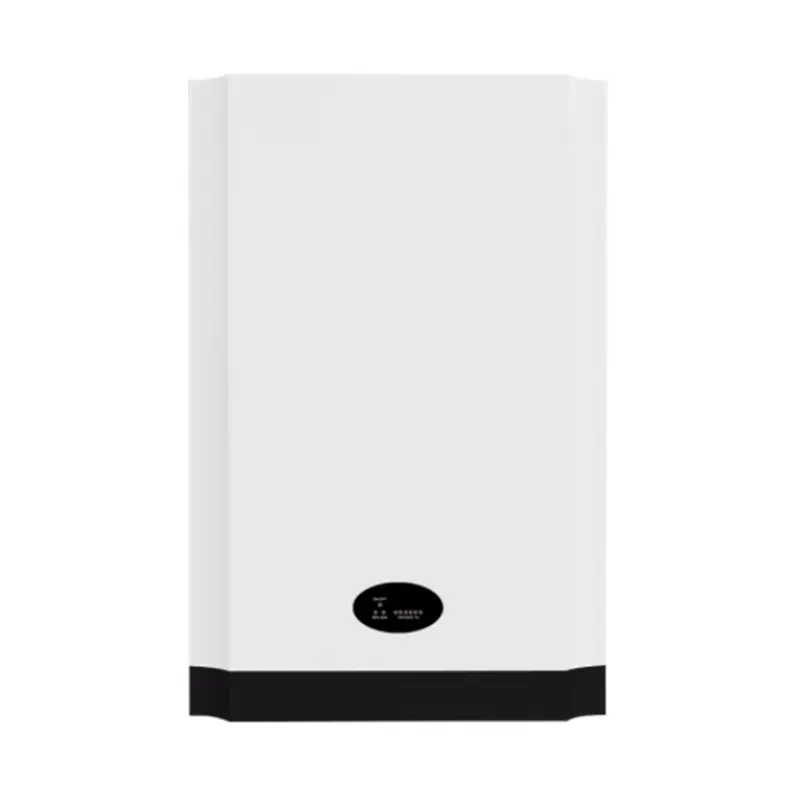
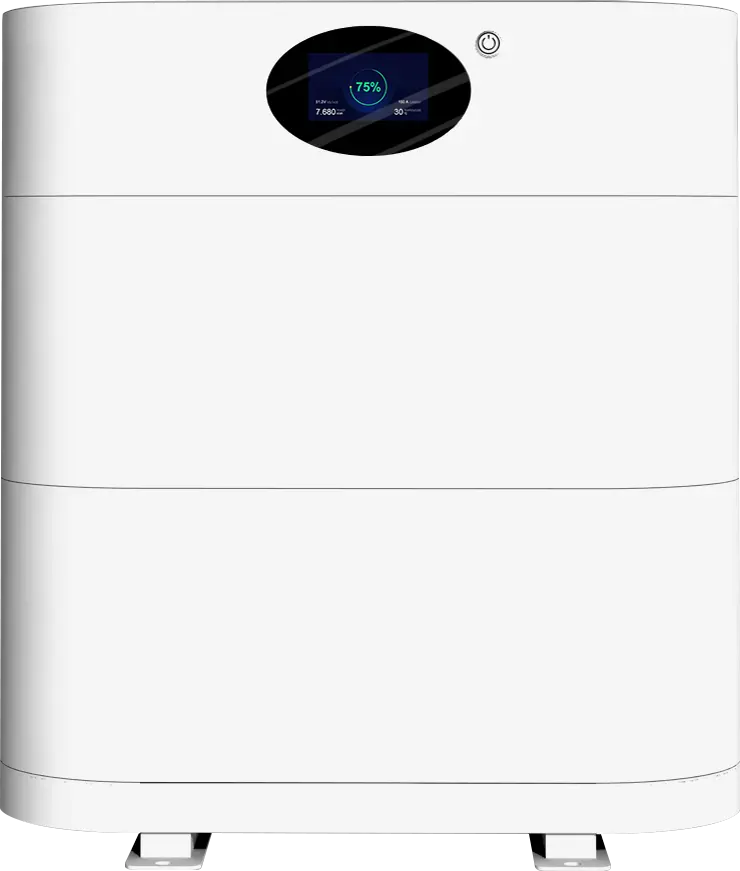
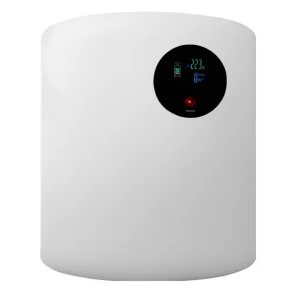
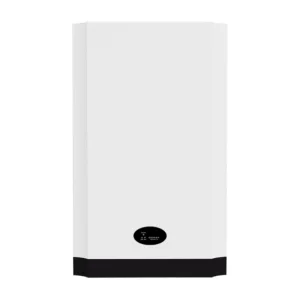
For Austrian enterprises, energy tariff volatility and grid usage charges (Netznutzungsentgelt) have made peak-shaving (reducing peak load demands from the grid) a primary driver for ROI. Austrian companies face distinct demand-charge pricing models where even a single 15-minute load spike can escalate energy bills for the entire billing cycle. By installing customized ESS configurations, such as the Elemro Shell 10.2kWh or scalable high-voltage stackable lithium battery units, businesses can buffer load peaks, smooth their consumption profile, and establish localized microgrids that guarantee uninterruptible power supply (UPS) during regional grid maintenance.
Technical Analysis of Core ESS Systems
To assist project engineers and energy consultants in selecting the optimal system architecture for Austrian grid conditions, we have compiled the technical comparison below outlining different system tiers:
| System Type | Nominal Chemistry | Voltage Range | Standard Certifications | Typical Applications |
|---|---|---|---|---|
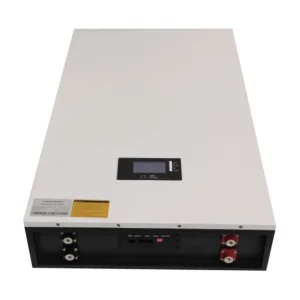
| Low-Voltage Rackmounted (e.g., WHLV series) | LiFePO4 (LFP) | 48V - 51.2V | CE, UN38.3, IEC 62619 | Residential backup, small commercial sites, remote telecommunication hubs. |
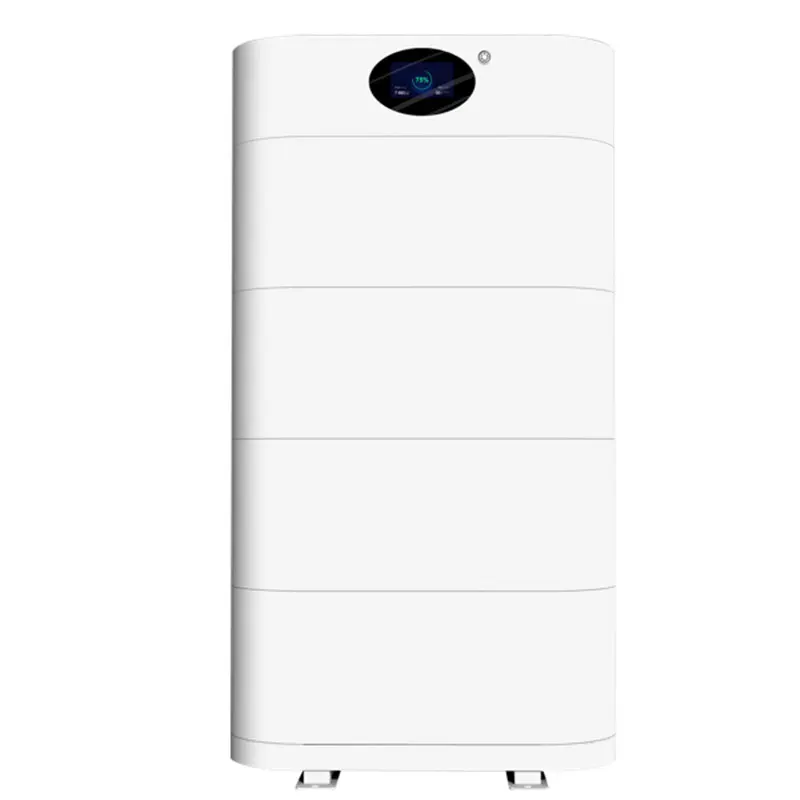
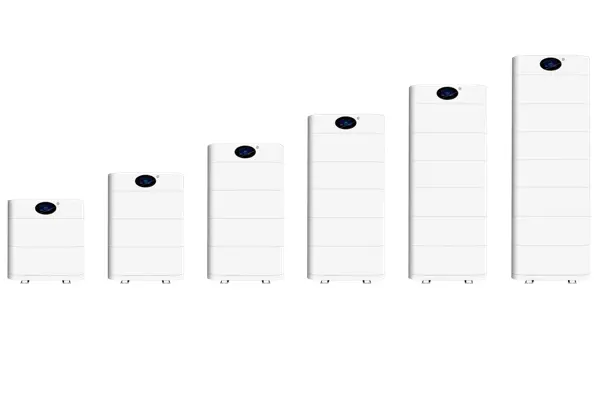
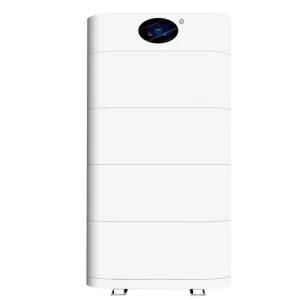
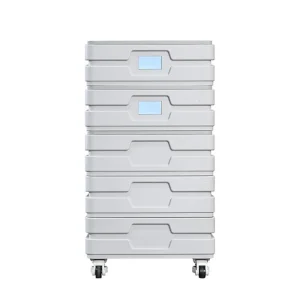
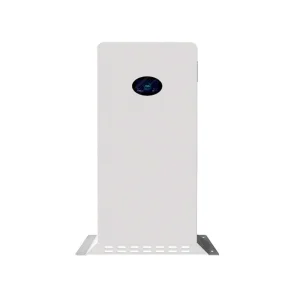
| High-Voltage Stackable Systems | LiFePO4 (LFP) | 200V - 800V | EN 62619, VDE-AR-E 2510-50 | C&I Peak Shaving, high-power EV charging support, microgrid integration. |
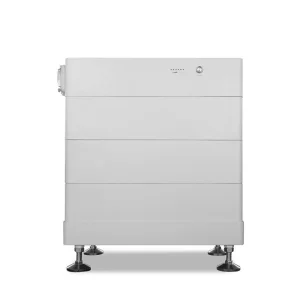
| All-In-One Shell Cabinets (e.g., SHELL series) | LiFePO4 (LFP) | Multi-module system | CE, TOR Erzeuger Type A | Medium industrial plants, agricultural PV farms, tourism operations. |
Localized Application Scenarios in Austria
1. Alpine Tourism & Ski Resorts Infrastructure
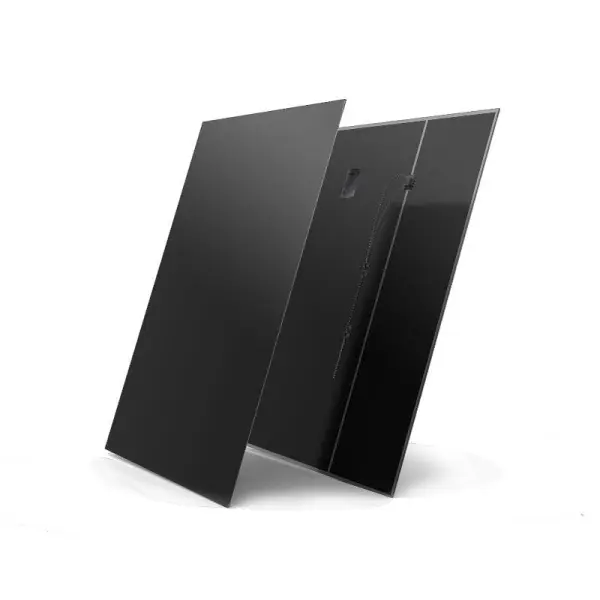
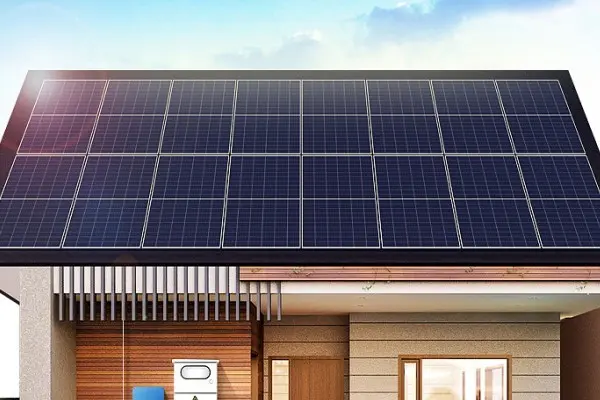
Austrian ski resorts represent a unique energy profile characterized by high demand spikes during snowmaking operations and cable car startups, alongside high solar generation potentials during sunny winter days (thanks to albedo effects). High-voltage stackable ESS battery systems allow alpine operators to capture excess solar power produced by BIPV (Building Integrated Photovoltaics) installations and discharge it instantly during high-load lift startup sequences. This reduces local grid dependency and helps preserve the delicate alpine environment.
2. Agriculture-PV (Agri-PV) and Off-grid Mountain Farming
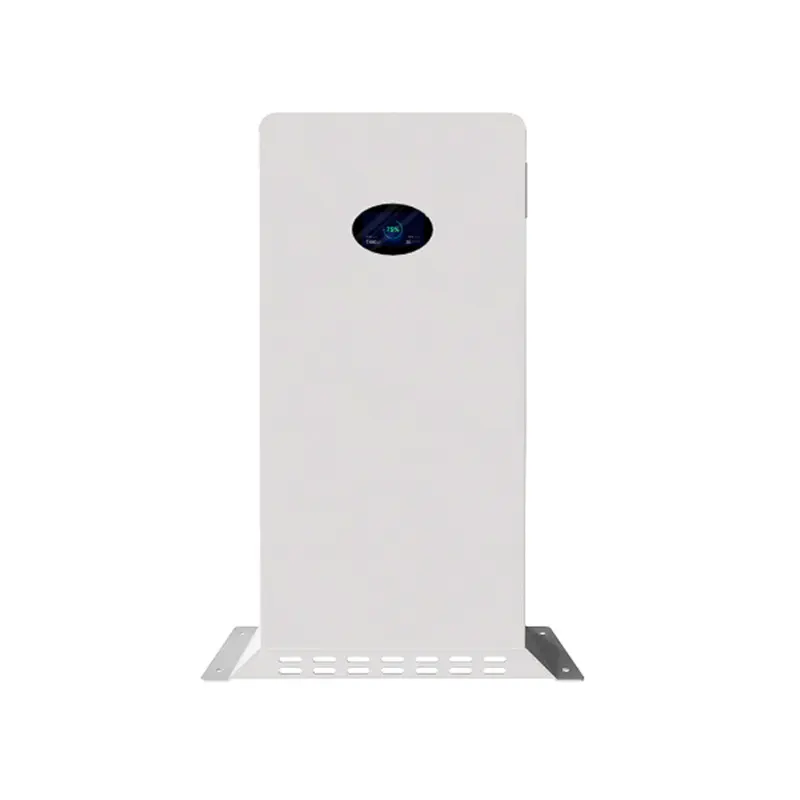
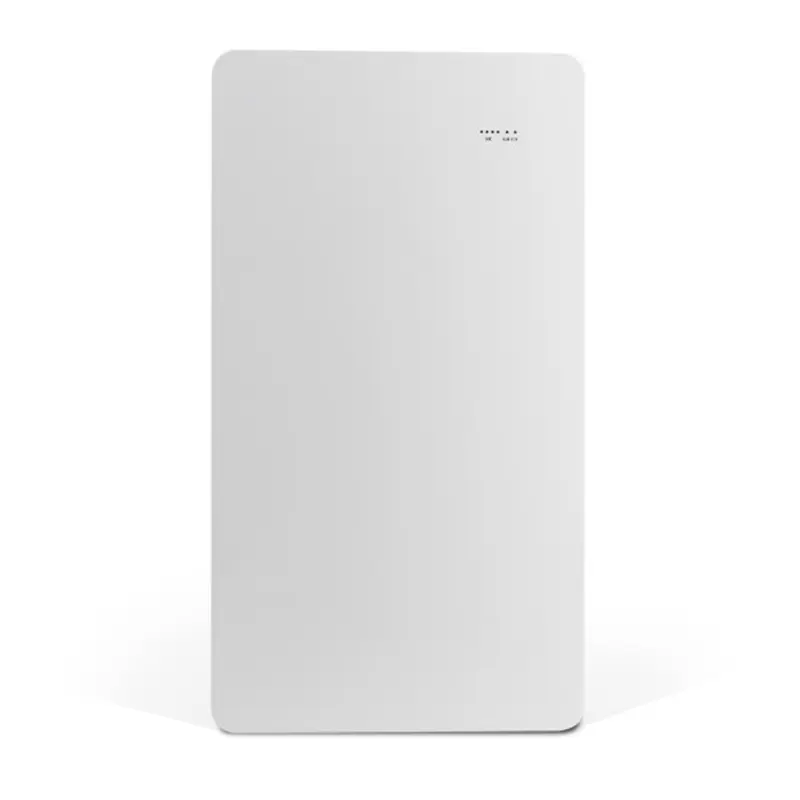
Under Austria's agricultural green initiatives, combined solar and farming setups (Agri-PV) are expanding rapidly. However, rural distribution networks in regions like Styria or Carinthia are frequently limited in their export capacities. Here, localized LCLV 14kWh energy storage systems act as a buffer, storing generated solar energy during peak solar hours and discharging it for automated feeding systems, milking machines, and electric machinery recharging during the evening.
3. Commercial EV Fleet Charging Plazas
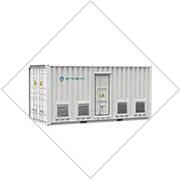
As logistics companies in Austria convert their fleets to electric trucks and vans, the grid demands for fast-charging hubs (150kW+ DC chargers) can easily overwhelm local substations. Deploying a modular high-voltage energy storage container allows operators to install multi-megawatt chargers without paying for costly grid upgrades. The batteries charge slowly from the grid or local PV arrays during low-demand periods and discharge rapidly at high currents to charge incoming vehicles.
Technological Roadmap and Future Outlook
The battery industry is moving rapidly toward intelligent, cloud-integrated battery assets. The future of ESS batteries in Austria involves several key technical shifts:
- Active BMS with AI Degradation Analysis: Traditional Battery Management Systems monitor basic parameters like voltage and temperature. Next-generation systems incorporate digital twin technology to predict remaining useful life (RUL) and optimize active cell balancing in real-time, prolonging battery life past 8,000 cycles.
- Virtual Power Plant (VPP) Integration: By utilizing standardized communications interfaces (such as Modbus TCP, SunSpec, or OpenADR), distributed Elemro ESS installations can be grouped together into a VPP. This allows battery owners to participate in Austrian grid service markets (such as Primary Control Reserve, PCR) and generate additional revenue streams.
- Sodium-ion & Solid-state Chemistries: While LiFePO4 remains the undisputed commercial leader today, alternative battery chemistries are being tested for low-temperature alpine installations where lithium performance drops.
Macro Industry Solutions & System Integration
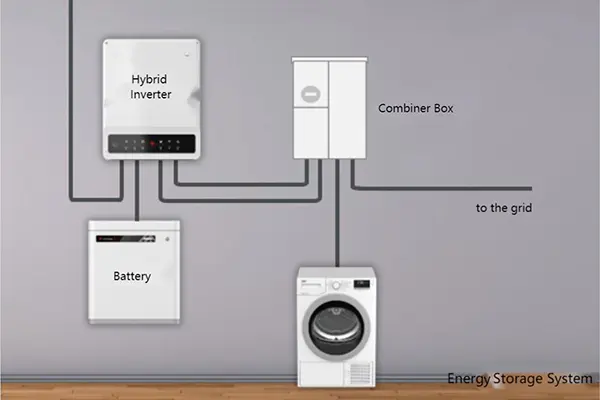
Successful execution of an industrial ESS project requires a system-oriented approach. Battery systems must be integrated with robust hybrid inverters (e.g., Fronius, SMA, or customized industrial PCS units) and smart energy management platforms (EMS). Our modular solutions, ranging from 5kWh residential units up to containerized megawatt installations, are designed to interface seamlessly with building management systems via industrial protocols, facilitating dynamic peak-load management and optimized self-consumption rates.
Optimize Your Austrian Energy Storage Project Today
Get in touch with our team of technical engineers for system sizing, compliance consulting (OVE R20), and direct factory pricing.
Send Inquiry Now