High-Quality Solar With Battery Storage Cost: Manufacturer & Factory Insights

Analyze Levelized Cost of Storage (LCOS), supply chain dynamics, and high-performance commercial & residential energy storage systems directly engineered in China.

Industry Whitepaper Analysis

Evaluating the Total Economics: Solar With Battery Storage Cost Structures

Deploying solar photovoltaic systems combined with battery energy storage systems (BESS) represents the absolute vanguard of clean energy security. However, for utility scale investors, commercial operations, and B2B procurement professionals, navigating the financial metrics—specifically the CapEx, OpEx, and Levelized Cost of Storage (LCOS)—demands a granular look.

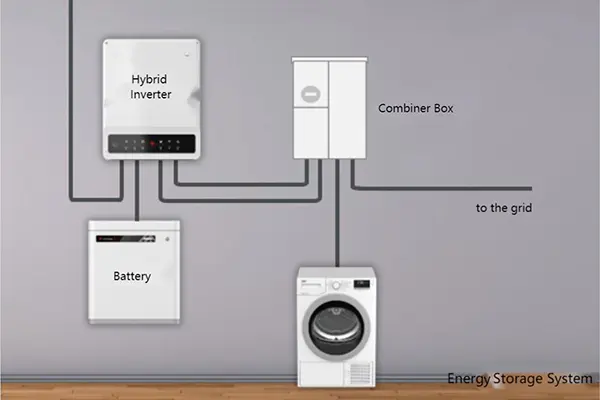
The total cost of solar with battery storage is typically segmented into three primary zones: PV generation components, battery pack assembly, and the Balance of System (BoS), including power conversion systems (PCS), energy management platforms, and physical integration assets. By optimizing chemistry configurations (e.g., opting for Lithium Iron Phosphate - LiFePO4 over Nickel Manganese Cobalt - NMC) and capitalizing on industrial clusters in mainland China, global buyers can lower initial capital expenditure by up to 35-40% compared to localized western assembly.

CapEx Breakdown: What Drives the Price per kWh?

BESS costs are fundamentally governed by the cost of battery cells. A factory-integrated solution consolidates engineering costs:

  • Battery Cells (45% - 55% of Storage Cost): Tier 1 LiFePO4 chemistry remains the benchmark. Fluctuations in raw material inputs like lithium carbonate and iron phosphate dictate cell prices.
  • BMS & Thermal Management (15%): Intelligent Battery Management Systems protect cells from thermal runaway. Advanced systems utilize liquid-cooling to guarantee a longer lifespan.
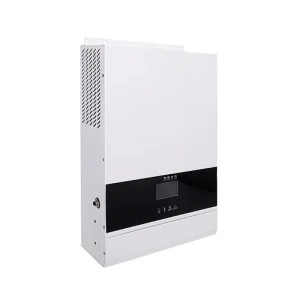
  • Power Conversion (PCS) & Inverters (15% - 20%): Bi-directional inverters manage the AC/DC transition efficiently.
  • Installation, EPC & Structural Engineering (15%): Enclosures, local electrical permits, and site preparation.

Upstream Dominance: The Chinese Factory Cost Advantage

China remains the uncontested center for solar-plus-storage fabrication. The geographic concentration of raw material processors, cell manufacturers, pack designers, and inverter engineers yields massive structural efficiencies.

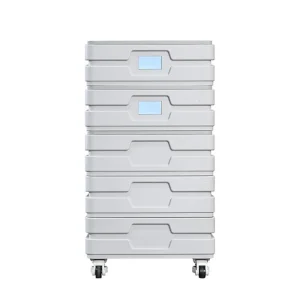
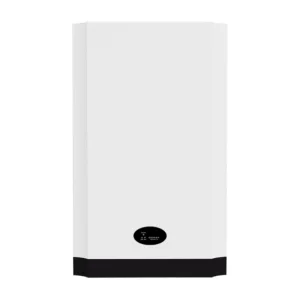
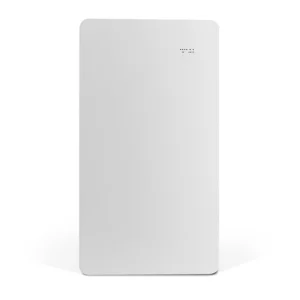
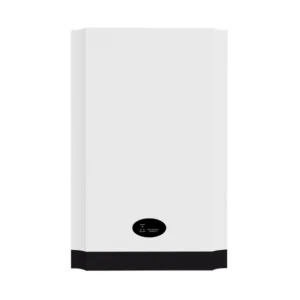
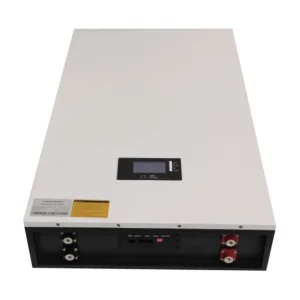
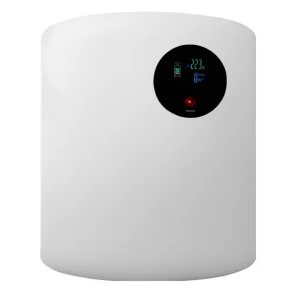
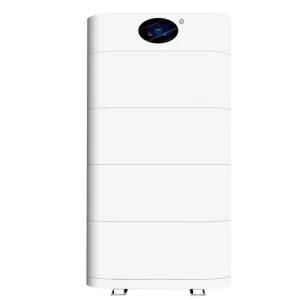
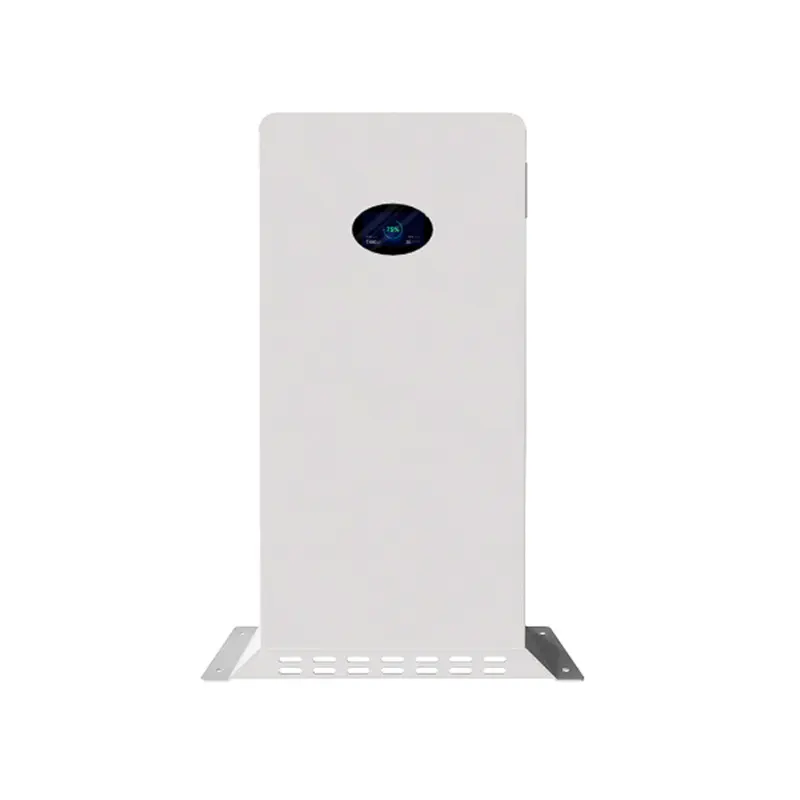
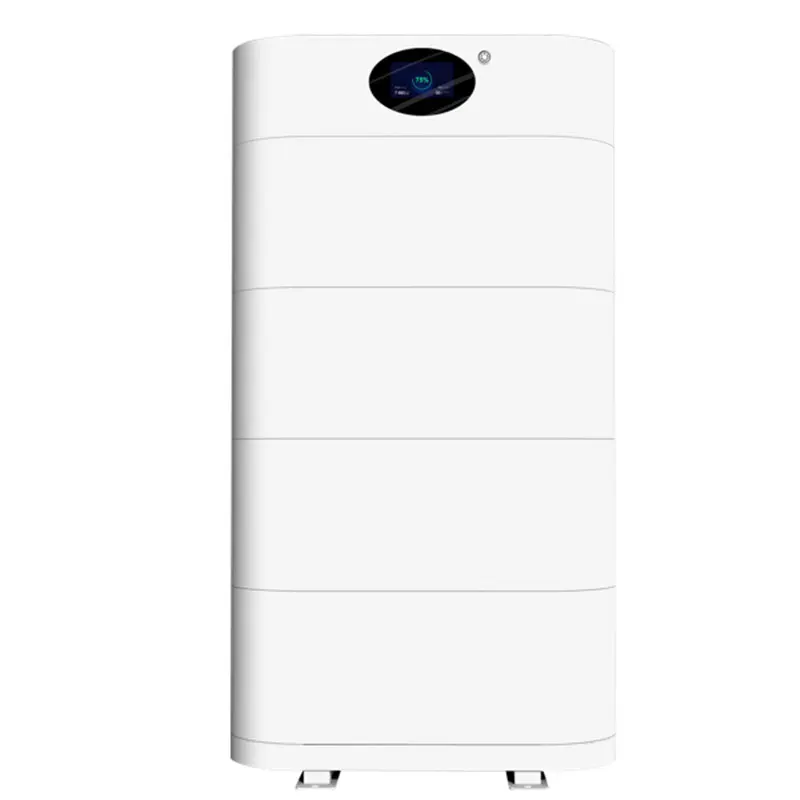
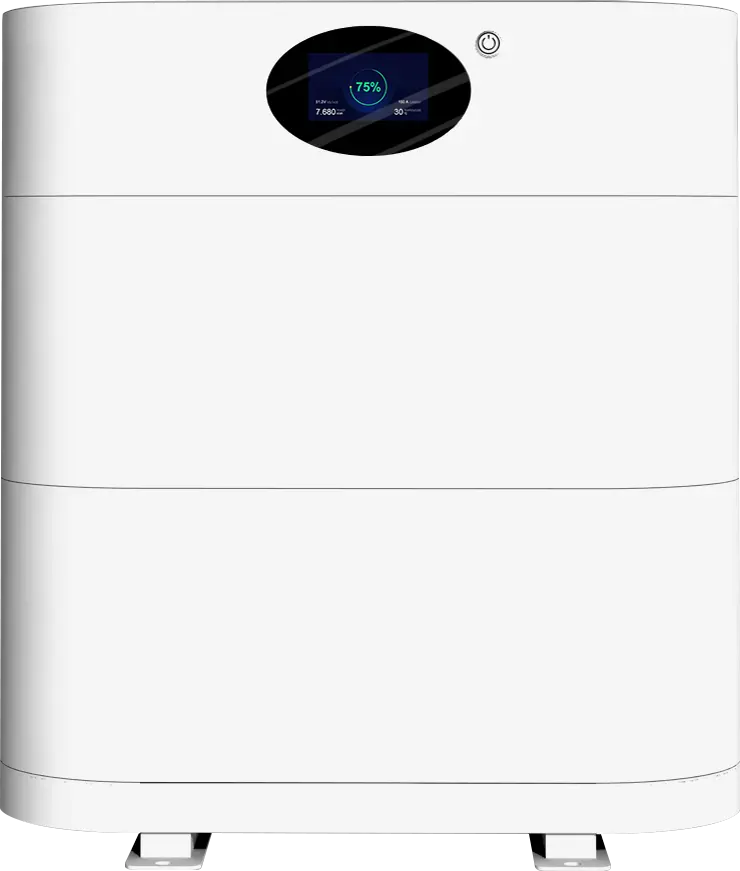
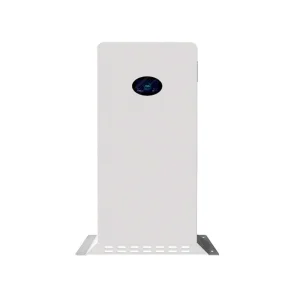
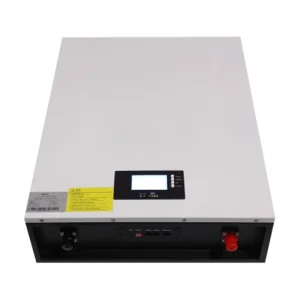
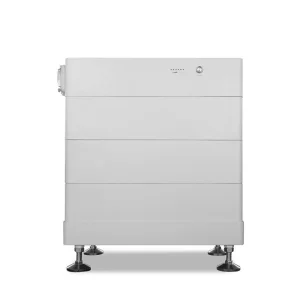
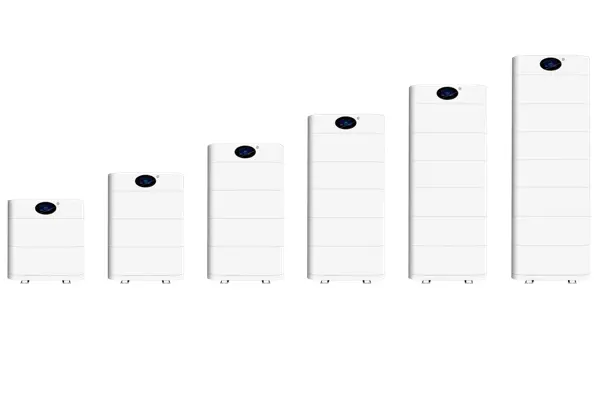
By working directly with manufacturers situated in key energy hubs like Xiamen, global buyers bypass intermediary margins. Elemro Energy, headquartered in Xiamen, typifies this dynamic—offering vertically integrated designs that merge high-voltage stackable battery units, solar thin-film cells, and rugged utility container systems under a streamlined, export-ready platform. The cost efficiencies are achieved through automated high-throughput production lines, low logistics costs via proximate shipping ports, and advanced R&D amortization across large global portfolios.

50M+
Annual Turnover (USD)
250+
Global Enterprise Clients
6000+
Battery Cycle Life (80% DoD)
2019
Established Year
Our Mission

Power A Green Future

We provide cleaner energy for a greener world.

Solar Glass

Solar Glass

Energy Storage Container

Energy Storage Container

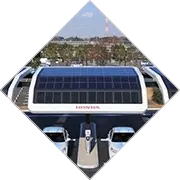
Car Port Solar Power

Car Port Solar Power

Market Leader

ELEMRO Energy

Established in 2019, headquartered in Xiamen, China, Elemro Energy has been specialized in new energy storage and electrical product solutions with rich experience. It is the market leader in the new energy industry that unifies R&D, production, and sales. The products have been sold to more than 250 customers in Europe, Southeast Asia, Africa, Mid-east, America, etc. Since its establishment, ELEMRO’s revenue has been growing rapidly every year. ELEMRO’s annual turnover is expected to exceed 50 millions USD in year 2023.

About Us
ELEMRO Factory Manufacturing
Techno-Economic Roadmap

B2B Sourcing Metrics: Global Enterprise Demand & Procurement Scenarios

B2B buyers, including commercial EPC (Engineering, Procurement, and Construction) firms, utility grid engineers, and industrial campus asset managers, prioritize reliability, compliance certifications, and integration flexibilities. Buying high-quality systems means aligning physical specifications with clear local financial dynamics (e.g. peak-valley tariff structures, utility demand charge limits, and feed-in tariffs).

1. Commercial & Industrial (C&I) Microgrids

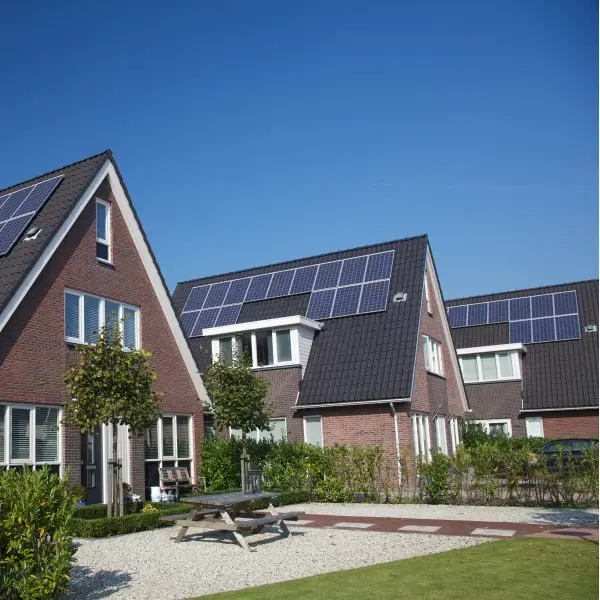
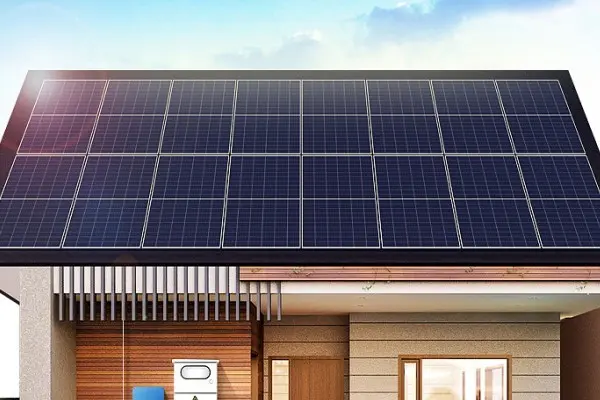
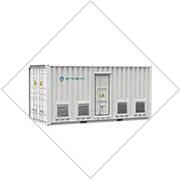
For manufacturing factories, a power interruption translates directly to manufacturing line downtime and hundreds of thousands of dollars in lost yield. Sourcing a containerized modular battery storage setup—such as the Elemro Energy Storage Container—integrated with a localized solar rooftop array allows companies to peak-shave and store solar power generated during peak solar irradiation hours.

2. BIPV (Building-Integrated Photovoltaics) for Smart Infrastructure

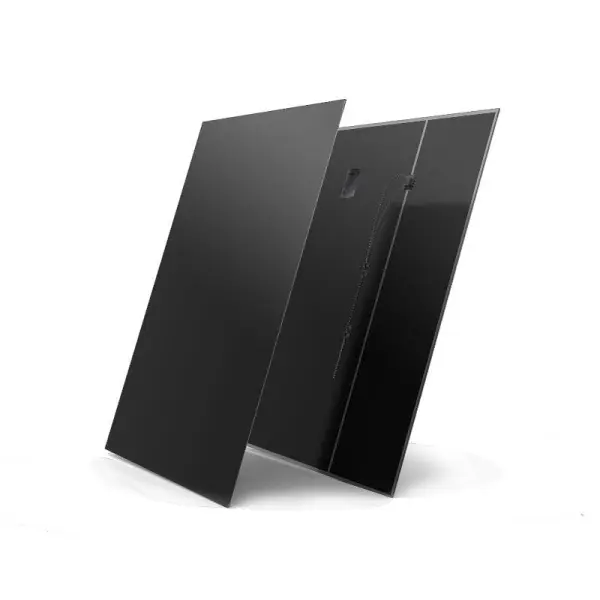
Modern architecture utilizes the structural envelope of buildings to capture clean energy. Sourcing cadmium telluride (CdTe) thin-film solar modules allows for architectural glass integration (solar windows, cladding facades) that handles shade and low-light conditions better than silicon panels.

Global Quality Certifications: Safeguarding the Asset

When sourcing BESS from China, compliance with global safety regulations is non-negotiable. Leading factories maintain strict production lines carrying:

  • UL 1973 & UL 9540A: Critical for North American installations, verifying safety thresholds under thermal runaway events.
  • IEC 62619 & CE Markings: Required compliance for safety parameters within the EU.
  • UN38.3 Certification: Crucial for the global transport of lithium-ion batteries by road, sea, or air.

Elemro Energy enforces strict factory-level qualification stages to verify structural integrity and electrical tolerances, offering complete engineering documentation, electrical schematics, and factory acceptance test (FAT) reports.
FAQ

Solar & Battery Cost Questions

Q1: How do battery chemistry differences impact system costs?
A: Lithium Iron Phosphate (LiFePO4) typically costs less than nickel-manganese-cobalt (NMC) chemistries on a dollar-per-kWh basis and offers double the cycle life. This configuration lowers the Levelized Cost of Storage (LCOS) over a typical 10-year operating horizon, despite having slightly lower energy density.
Q2: Why is the price difference so large between High Voltage and Low Voltage batteries?
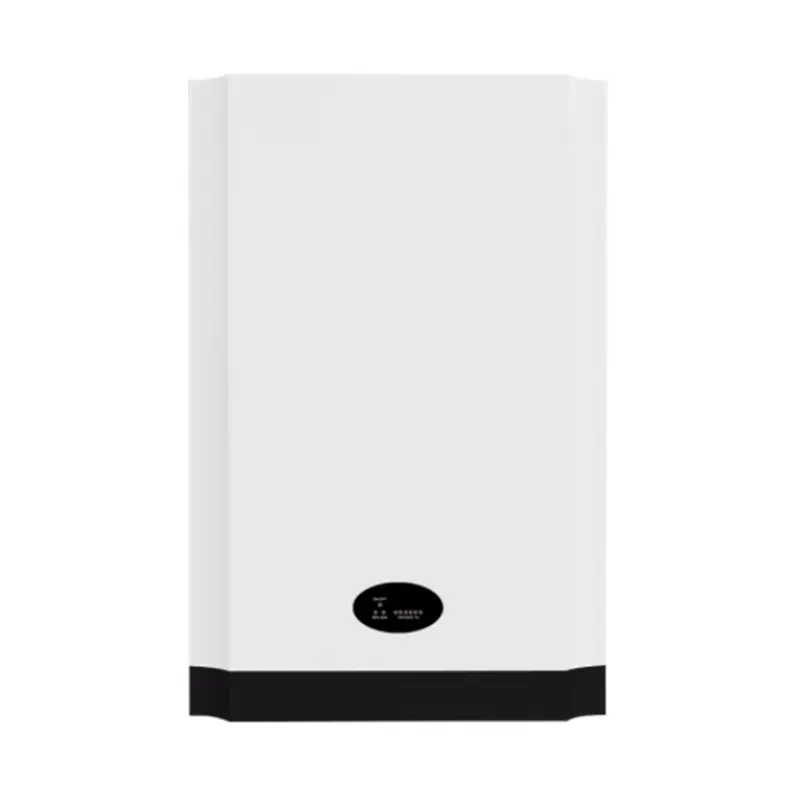
A: High Voltage systems (HV, typically 200V - 800V) offer better round-trip efficiency, less heat loss, and integrate seamlessly with large multi-string utility inverters. High-voltage setups require precise cell balancing and complex BMS architectures, which carries a higher initial cost compared to residential 48V Low Voltage (LV) options, but reduces BoS and installation costs in larger applications.
Q3: How does local ambient temperature control impact the total system costs?
A: Operating lithium-ion batteries outside their optimal 15°C to 25°C window speeds up degradation. Implementing advanced HVAC liquid cooling systems instead of simple forced air increases initial CapEx by about 10-15%, but protects cell lifecycle, mitigating cell replacement costs in hot environments.
Q4: What are the key shipping compliance requirements for international projects?
A: Lithium battery systems are classified as Class 9 Dangerous Goods. Exporting requires UN38.3 test summaries, MSDS documentation, and compliance with packaging instructions. Partnering with experienced Chinese manufacturers ensures customs clearance protocols are managed correctly.
Q5: How can a global purchaser audit a Chinese factory effectively?
A: B2B purchasers should verify ISO 9001/14001 compliance, trace cell manufacturing origin (checking for Tier 1 brand integration), inspect automated weld lines, and review factory thermal run testing logs. Modern manufacturers offer virtual live audits and detailed traceability reports for validation.

For inquiries about our products or pricelist, please leave your email to us and we will be in touch within 24 hours.

Inquiry For Pricelist
Collaborative Network

Industry Partners & Quality Standards

Partner Logo
Partner Logo
Partner Logo
Partner Logo
Partner Logo
Partner Logo
Partner Logo
Partner Logo
Partner Logo
Partner Logo
Partner Logo
Partner Logo
Partner Logo
Partner Logo
Partner Logo