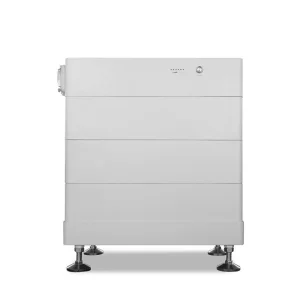
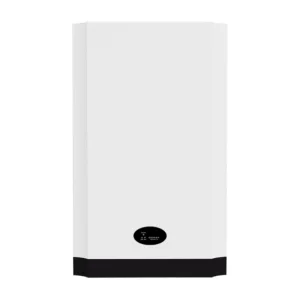
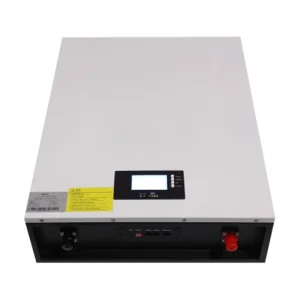
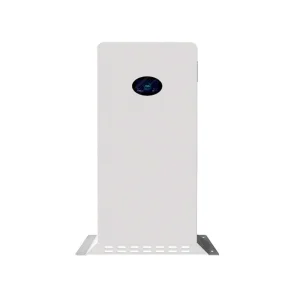
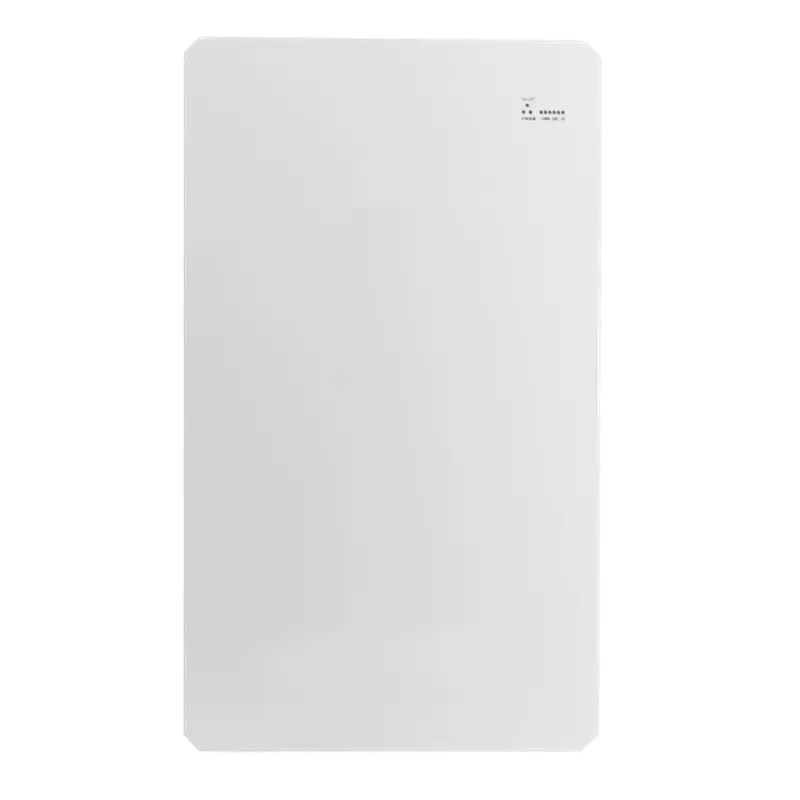
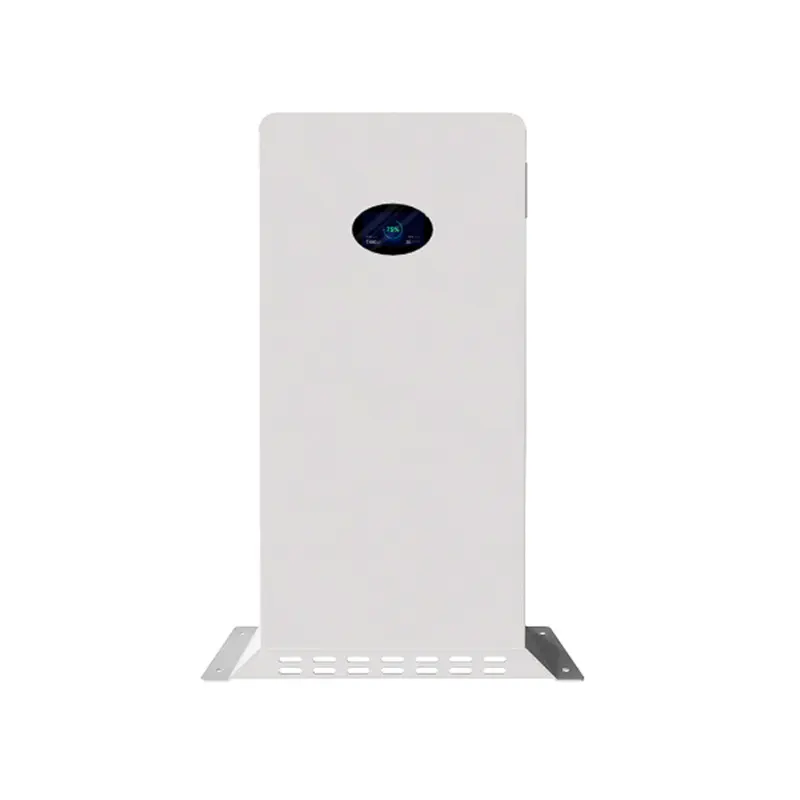
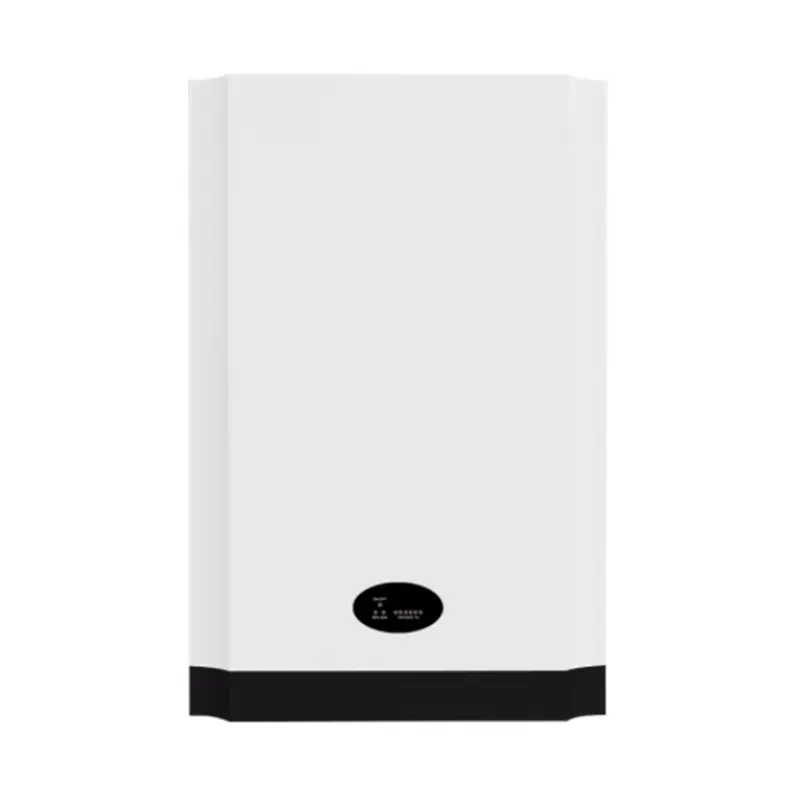
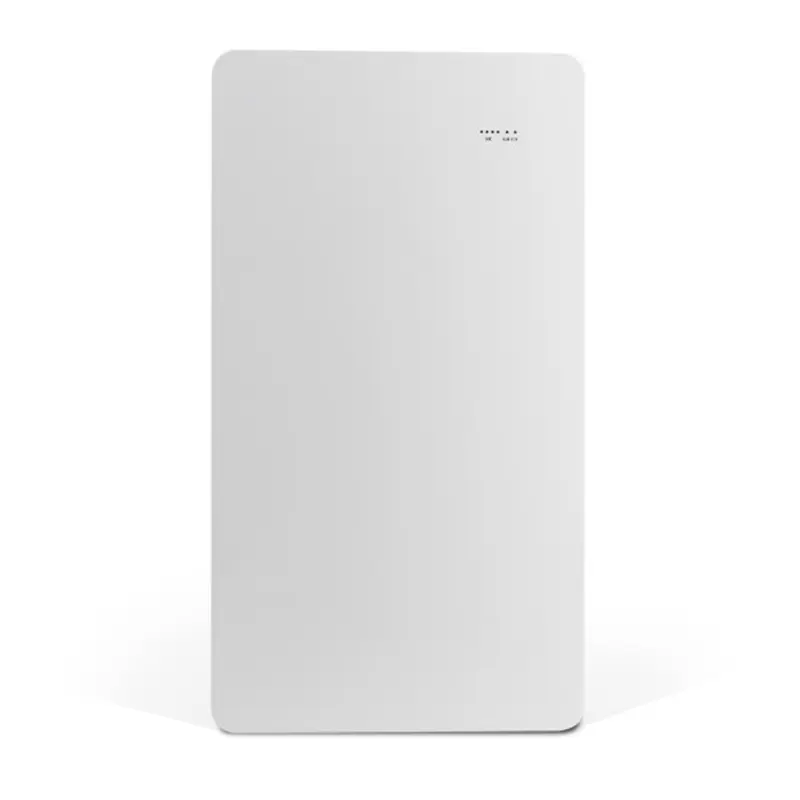
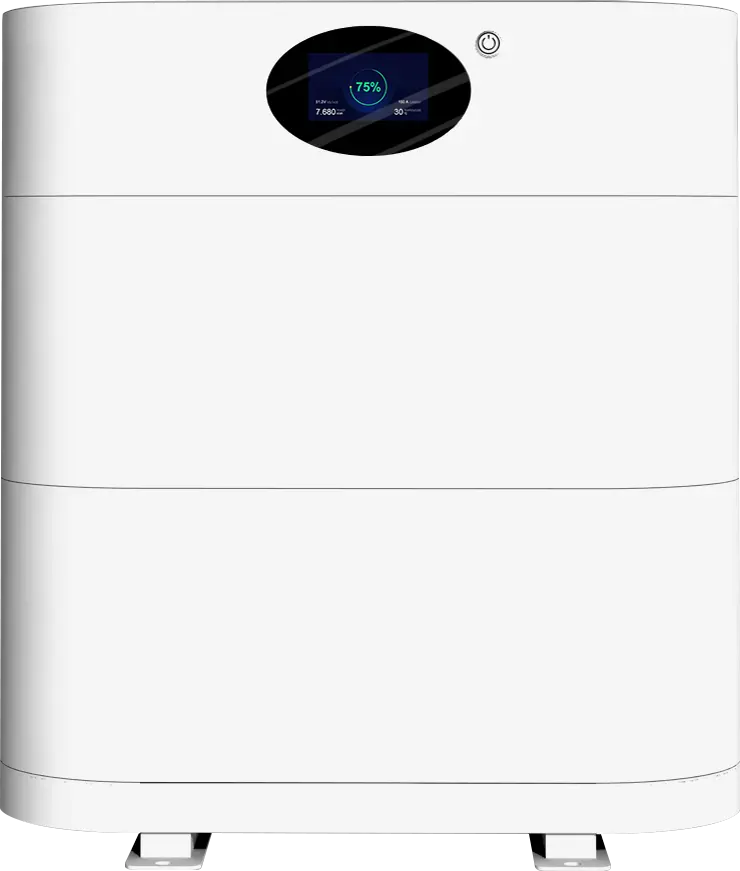
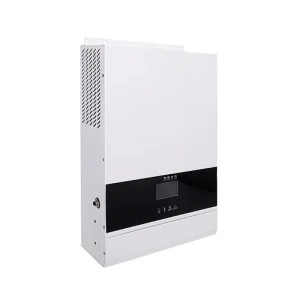
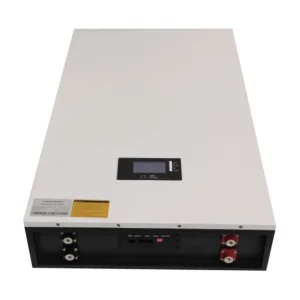
Explore our industrial-leading battery packs engineered by ELEMRO to deliver premium safety benchmarks with optimized Levelized Cost of Storage (LCOS).
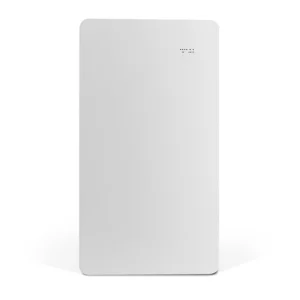
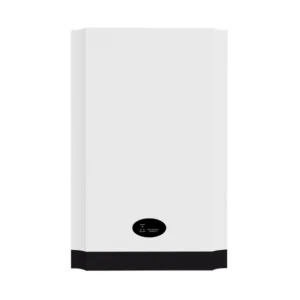
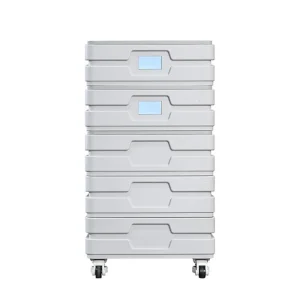
The global transition to net-zero carbon operations has positioned solar energy storage systems (ESS) as a vital component of infrastructure stability. However, analyzing the cost profile of a high-quality solar storage battery requires a multi-dimensional perspective. It is not merely the initial acquisition cost that dictates economic returns, but the Levelized Cost of Storage (LCOS), which integrates cycle efficiency, depth of discharge (DoD), and cell longevity.
Key drivers behind manufacturing costs include raw material sourcing (particularly battery-grade lithium carbonate and precursor chemical agents), cleanroom operational scale, automated thermal management testing, and intelligent battery management system (BMS) integration. As high-quality factories implement gigawatt-hour (GWh) automation processes, the unit cost has shifted downward, making Tier-1 lithium iron phosphate (LiFePO4) chemistries the global standard for industrial, commercial, and residential networks.
Cobalt-free chemistries like LiFePO4 mitigate supply chain volatilities while providing excellent thermal stability, lower degradation profiles, and reduced manufacturing footprints.
Smart factories with high precision laser welding and computerized charge-discharge aging test systems guarantee pack uniformity and eliminate early cell failures.
Optimal Cycles @ 80% DoD
Annual Expected Turnover (USD)
Global Industrial Customers
Automated Quality Assurance Testing
Established in 2019 and headquartered in the high-tech logistics hub of Xiamen, China, ELEMRO Energy has specialized in engineering and distributing state-of-the-art new energy storage and electrical product solutions. Our unified structure seamlessly integrates core R&D, advanced automated manufacturing, and a global logistics/sales footprint.
Our solutions are deployed in over 250 markets across Europe, Southeast Asia, Africa, the Middle East, and the Americas. Elemro’s steady growth tracks our dedication to quality, with our annual turnover expected to surpass 50 million USD. We work closely with EPC companies and distributors to optimize solar battery costs, ensuring our clients achieve rapid ROIs on their renewable setups.

Providing clean energy hardware infrastructure designed for the next era of industrial sustainability.

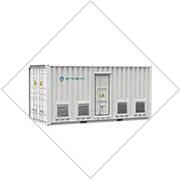
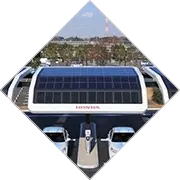
A comprehensive overview of how battery configuration, chemical stability, and system integration directly govern long-term operational costs.
| Battery Topology | Ideal Application Profile | Key Cost Drivers | LCOS Impact Index |
|---|---|---|---|
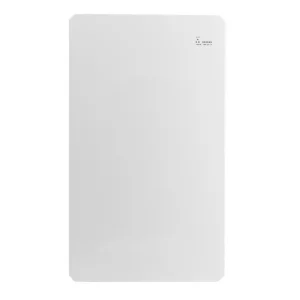
| Low-Voltage (48V) Parallel Wall Systems | Residential off-grid & micro-backup | BMS isolation circuitry, chassis metalwork | Highly cost-efficient short-term; moderate expansion costs. |
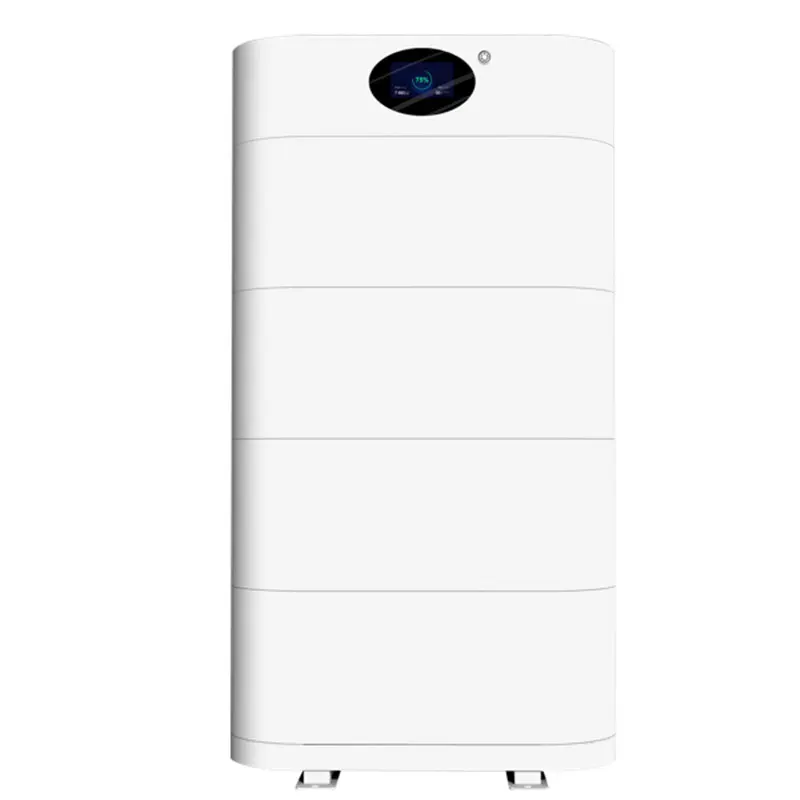
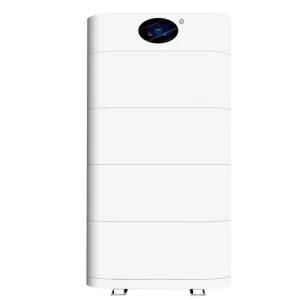
| High-Voltage (HV) Stacked Architectures | Large residential & small C&I grids | Series balance management, cell matching algorithms | Higher initial capital expense; excellent round-trip efficiency. |
| Containerized Megawatt Systems | Utility-scale grid clipping & peak shaving | Liquid cooling modules, fire suppression integrations | Lowest cost per MWh over a 15-year lifecycle window. |
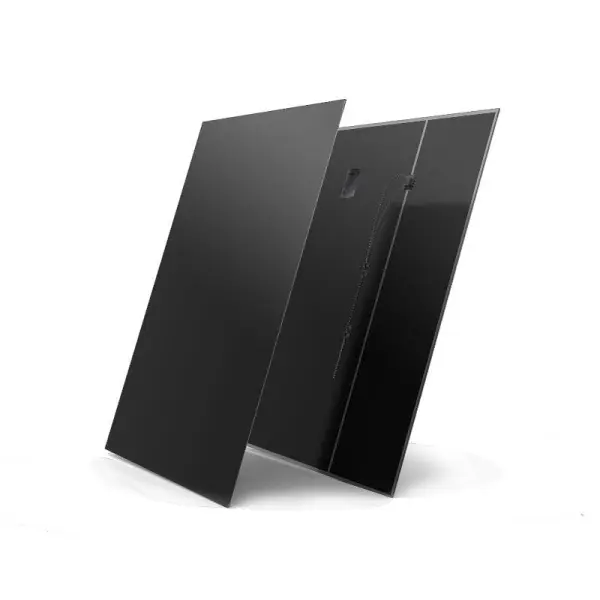
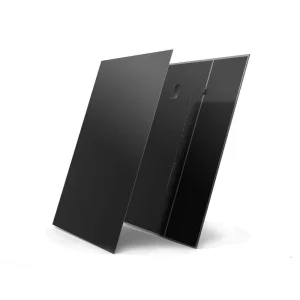
| BIPV Integrated CdTe Film Systems | Building facade power integration | Co-deposition manufacturing processes, glass tempering | Saves structural facade costs while generating local energy. |
Every product manufactured in Elemro factories incorporates an intelligent Battery Management System designed to protect cells from overcurrent, overvoltage, and thermal runaway. A reliable BMS ensures that individual cells age uniformly, directly postponing battery pack retirement dates. By maintaining strict control over cellular dynamics, our systems boast a lower cycle decay rate, reducing the total cost of ownership (TCO) for end customers.
High-quality manufacturers prioritize strict quality controls. Our production protocols conform to leading global frameworks, ensuring our solar storage batteries pass CE, UN38.3, IEC 62619, and UL standards. By utilizing high-grade manufacturing practices, we significantly reduce project installation barriers and liability insurance costs for commercial developers.
Start a green and convenient life with Elemro Energy. Explore our core lineup of residential and commercial storage systems.
Stay updated with our technical team's breakdowns of home energy storage, battery designs, and exhibition invitations.
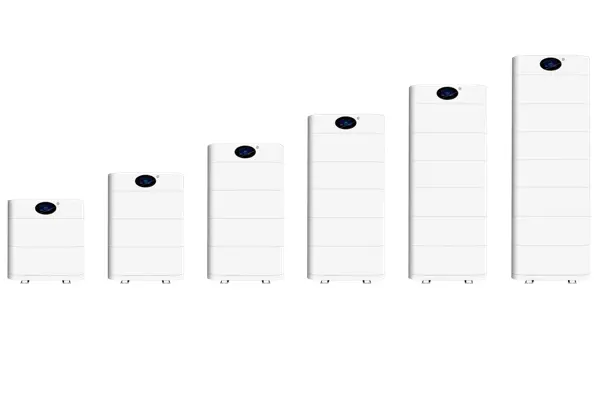
Jul 07, 2023
Nov 26, 2023
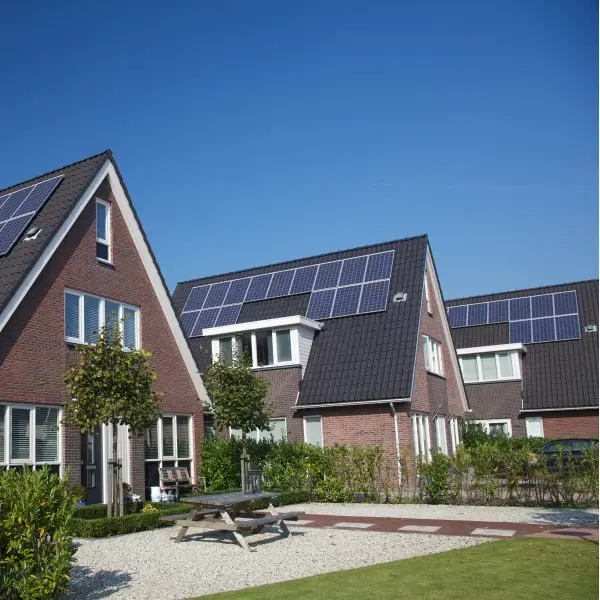
Nov 10, 2023
Get professional answers from ELEMRO Energy's core technical directors regarding performance, cost matrices, and OEM/ODM collaborations.
Q1: What factors directly dictate the cost of a high-quality solar storage battery?
A: The manufacturing cost is largely driven by cell chemisty, production automation capacity, and quality verification standards. LiFePO4 cells require raw materials like high-purity lithium carbonate. High-quality factories invest extensively in automated testing procedures (e.g., cell sorting, laser welding, and high-temp aging tests) to ensure long-term cell balance. Over time, high cycle numbers (e.g., 6000 cycles) offset the initial cost by lowering the cost per cycle.
Q2: How does a stackable high-voltage system compare to a wall-mounted low-voltage battery in terms of installation costs?
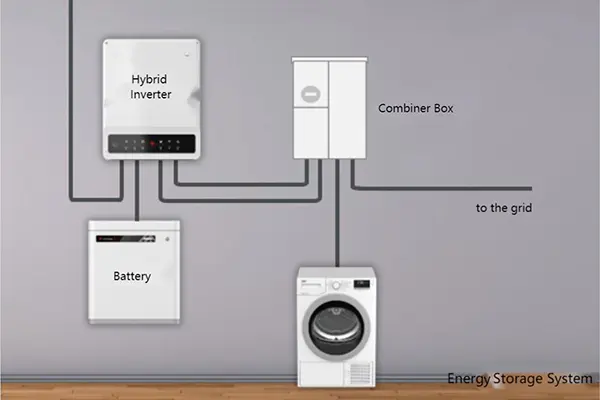
A: Stackable high-voltage (HV) systems reduce installation time because they connect modularly without extensive external wiring. HV setups also increase the round-trip efficiency of matching hybrid inverters, reducing power losses during conversion. Low-voltage (LV) systems are simpler and less costly upfront, but parallel additions demand thick copper cabling and additional fuse components, which raises installer labor fees.
Q3: Why is ELEMRO Energy considered a leading OEM/ODM partner for battery storage projects?
A: Based in Xiamen, China, ELEMRO maintains a strong supply chain network. We unify R&D, structural design, BMS integration, and testing. This vertical integration allows us to supply competitive pricing structures without compromising on global standards (UN38.3, CE, IEC62619). We assist partners with customized logos, specialized modular capacities, and local site integrations.
Q4: What are the lifecycle expectations for LiFePO4 chemistry compared to NMC in utility-scale containers?
A: Lithium Iron Phosphate (LiFePO4) offers superior calendar and cycle life compared to NMC (Nickel Manganese Cobalt). Typically, high-quality LiFePO4 systems maintain 80% state of health after 6000 complete cycles, whereas NMC systems usually show degradation after 2000-3000 cycles. Furthermore, LiFePO4's chemical structure eliminates the risk of thermal runaway, making it the safest option for large-scale containerized systems.
Browse our expanded selection of thin-film solar technologies, specialized inverters, and high-capacity home storage systems.





 Elemro Energy