The global transition to green energy infrastructure demands resilient, robust, and highly efficient backup energy systems. At the heart of this revolution is the optimization of Battery Energy Storage Systems (BESS) designed to resolve the intermittent nature of solar and wind resources. As grid operators and industrial enterprises seek greater independence, solar backup batteries have transitioned from luxury components to core assets. Our role as a primary manufacturing partner is to guarantee stability, long cycle life, and thermal resilience under severe operational conditions.
The international energy market is witnessing an unprecedented shift in electrochemical cell selection. While traditional Lead-Acid and early-generation Nickel Manganese Cobalt (NMC) chemistries dominated early markets, Lithium Iron Phosphate (LiFePO4) has become the undisputed standard. LiFePO4 offers unmatched structural stability and resistance to thermal runaway. In commercial settings, systems must support dynamic load shifting and peak shaving to reduce demand charges, requiring batteries that can handle high C-rates and cycle continuously for over 10-15 years. Furthermore, modular stackable architectures are replacing static cabinet designs, allowing operators to scale up to megawatt-scale applications without modifying existing configurations.
"The modern paradigm for energy deployment focuses on minimizing Levelized Cost of Storage (LCOS). Achieving this requires optimized thermal management, active balancing Battery Management Systems (BMS), and Tier-1 A-grade cell chemistries."
International procurement managers face persistent bottlenecks when sourcing energy storage equipment. The main hurdles include:

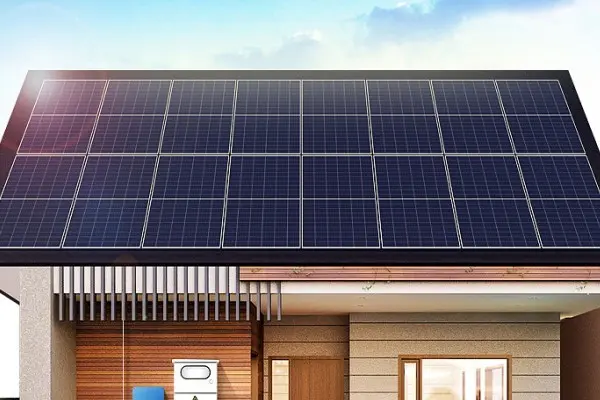
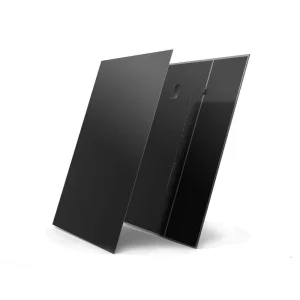
Double-glass panels engineered for optimized light capture, superior PID resistance, and extreme weather endurance.
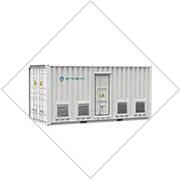
Large-scale modular containers complete with liquid cooling, HVAC, gas suppression, and multi-tier BMS safeguards.
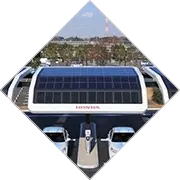
High-efficiency structures blending dual-purpose spatial utilization with localized storage systems for EV fleets.
Operating out of Xiamen, China, ELEMRO Energy utilizes highly automated assembly lines that integrate smart quality control systems. Our Smart Factory 4.0 framework guarantees that every battery pack meets strict safety standards:
Every individual cell undergoes screening for voltage, internal resistance, and capacity consistency before assembly, reducing the risk of imbalance.
Robotic laser welding of busbars guarantees robust connections under high mechanical vibration and thermal cycling conditions.
Advanced cycle simulators verify safety limits, communication functionality, and capacity efficiency prior to shipping.
By coupling localized mineral resources with advanced manufacturing technology, we stabilize production pricing, reducing the impact of raw material price hikes. This enables ELEMRO to maintain high-quality components and short delivery times, even during peak global demand.
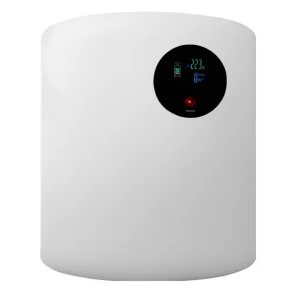
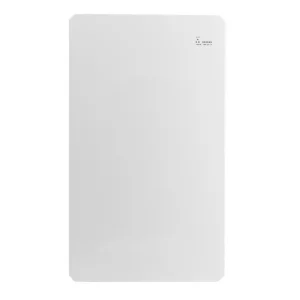
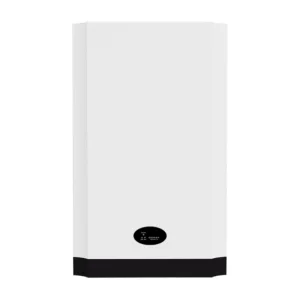
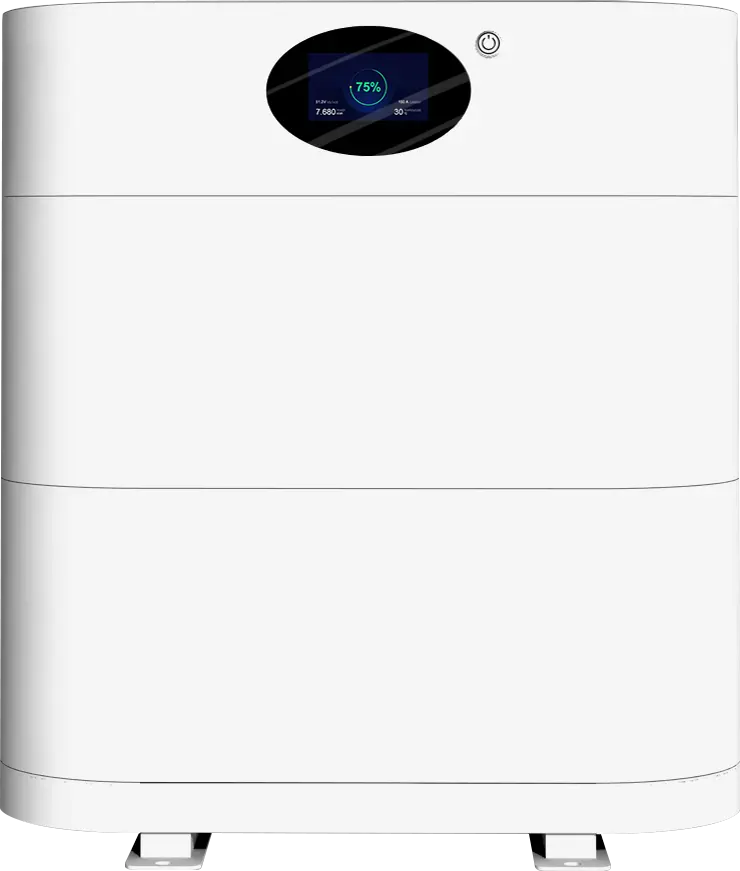
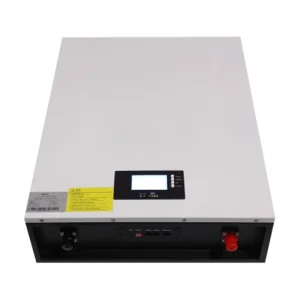
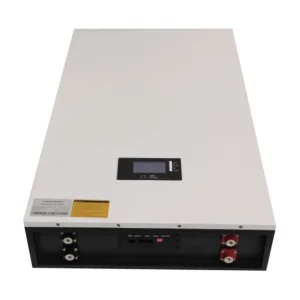
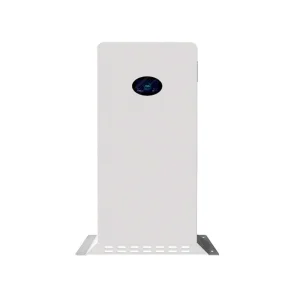
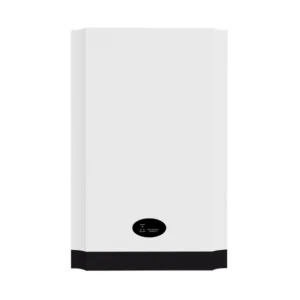
Selecting the right battery system depends heavily on your specific deployment case. For residential applications, compact units like the Elemro SHELL 10.2kWh and 14.3kWh offer elegant wall-mounted configurations that fit neatly into utility rooms. These systems prioritize high cycle counts, safe operation, and compatibility with popular consumer hybrid inverters.
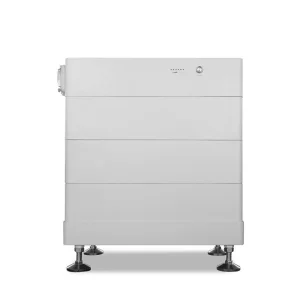
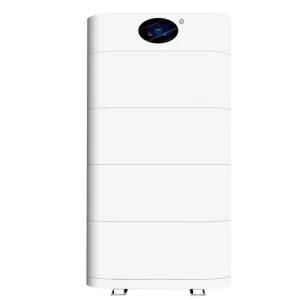
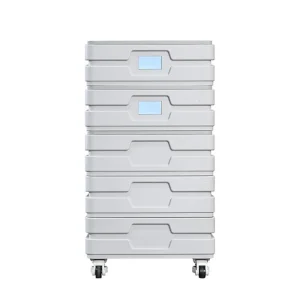
In contrast, commercial and industrial properties require robust high-voltage options. Stackable models, such as our High-Voltage Stacked Storage Systems, minimize electrical losses, simplify installation, and facilitate scalable scaling up to hundreds of kilowatt-hours. These systems support continuous peak load reduction and serve as vital backup power sources for hospitals, data centers, and advanced manufacturing operations.
Established in 2019 and headquartered in Xiamen, China, ELEMRO Energy has specialized in providing new energy storage and electrical product solutions. We operate as a comprehensive new energy company, bringing R&D, manufacturing, quality assurance, and global logistics under one roof.
Our products serve more than 250 enterprise buyers in Europe, Southeast Asia, Africa, the Middle East, and the Americas. ELEMRO's annual turnover is expected to exceed 50 million USD in 2023, driven by a commitment to reliability, compliance, and custom design options.
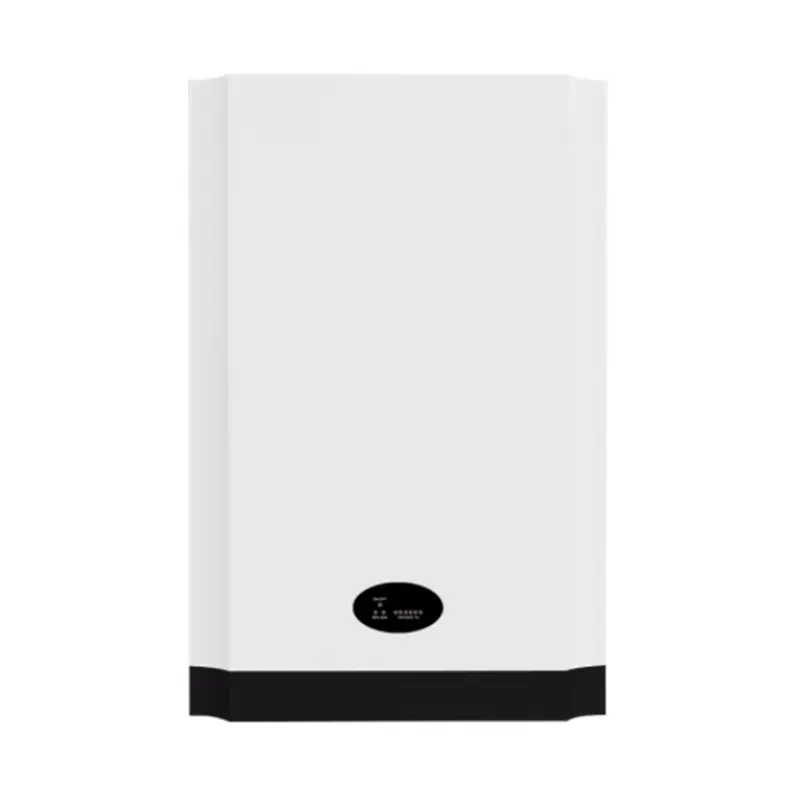
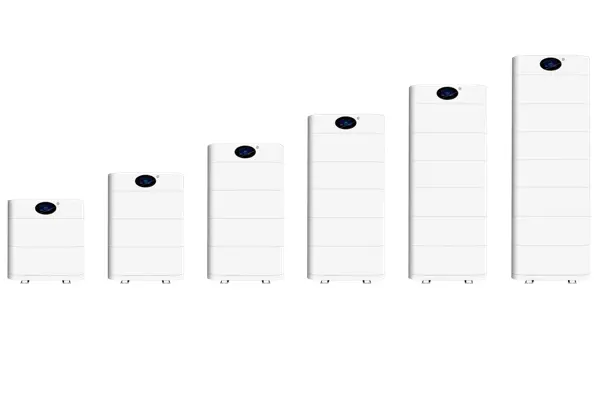
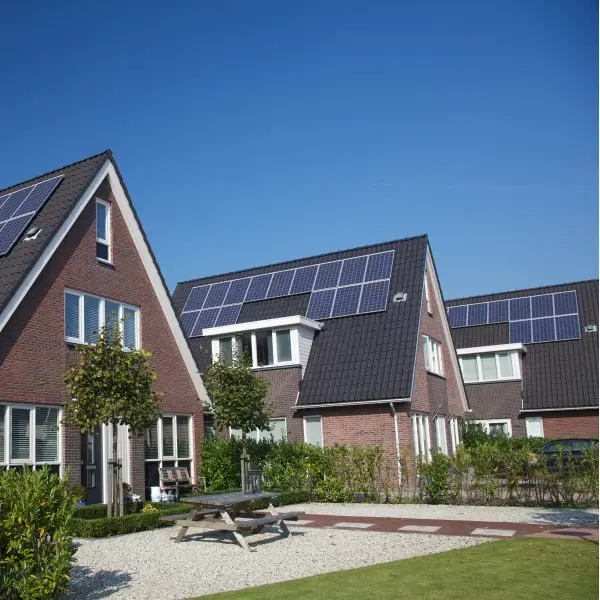
Our systems utilize EV-grade A-class Lithium Iron Phosphate (LiFePO4) cells, providing over 6000 cycles at 80% Depth of Discharge (DOD) under nominal operating temperatures of 25°C. This translates to an operational design life of over 15 years in typical residential and light commercial applications.
ELEMRO's smart BMS features multi-tier protection logic. It continually monitors cell voltage, pack temperature, and system current. The BMS will automatically trigger load isolation if cell temperatures exceed safety thresholds, and incorporates active cell balancing to keep all cells aligned during charge and discharge.
Low-voltage batteries (typically 48V/51.2V) require higher current to deliver the same power, requiring thicker cabling and resulting in minor resistive transmission losses. High-voltage stackable configurations link battery cells in series, raising the system voltage (often up to 400V or higher). This enables direct, high-efficiency coupling with high-voltage hybrid inverters, minimizing conversion losses and speeding up installation.
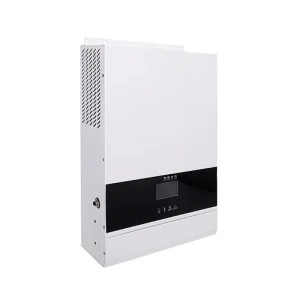
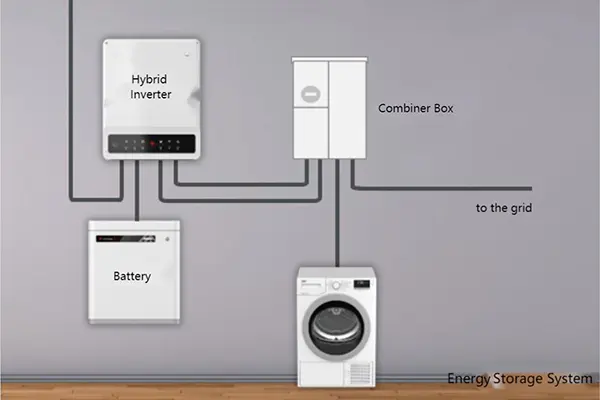
Yes. Our internal R&D engineering has pre-configured our BMS firmware to support direct CAN/RS485 communication protocols with leading hybrid inverter brands, including SMA, Victron Energy, Growatt, Deye, and Solis. Custom communication protocols can also be programmed for volume orders.
Submit your project specifications or inquiry details below. Our technical engineering division will respond with comprehensive system integration layouts and price points within 24 hours.





 Elemro Energy