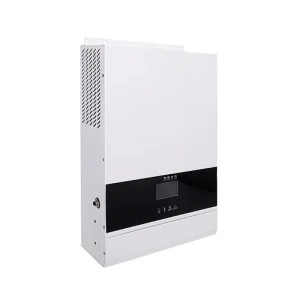
High-Quality Solar Panels And Batteries For Home Manufacturers & Products

Decentralized Energy Infrastructure: Integrating Tier-1 PV Systems, BIPV Technology, and Stackable Smart Storage Solutions for Global Residential Applications.

Leading Residential Energy Storage Solutions

Explore our top-tier catalog of highly efficient, stackable, and wall-mounted energy storage systems configured to maximize round-trip efficiency and ensure grid independence.
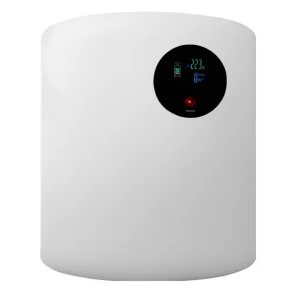
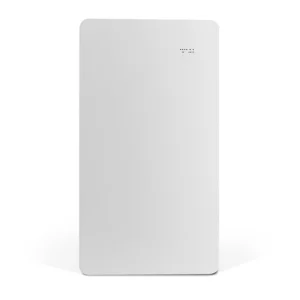
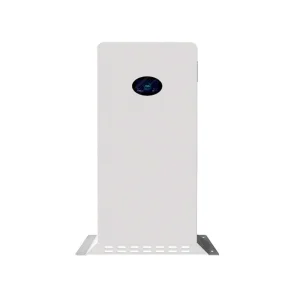
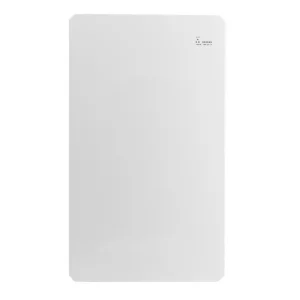
High-Quality Wall-Mounted Lithium Battery Energy Storage Systems

High-Quality Wall-Mounted Lithium Battery Energy Storage Systems

View Product Details
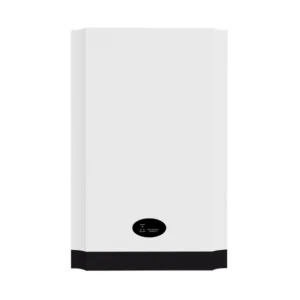
Elemro SHELL 14.3kWh Solar Backup Battery

High-Quality Elemro SHELL 14.3kWh Solar Backup Battery Manufacturer

View Product Details
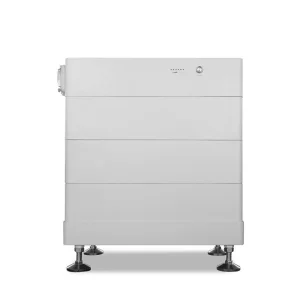
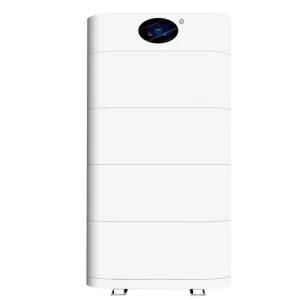
High Voltage Stacked Energy Storage Battery

Best High Voltage Stacked Energy Storage Battery Manufacturers, Factories

View Product Details
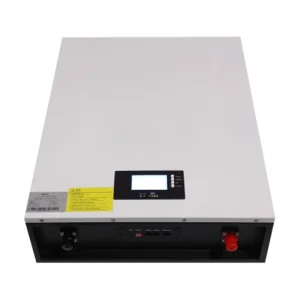
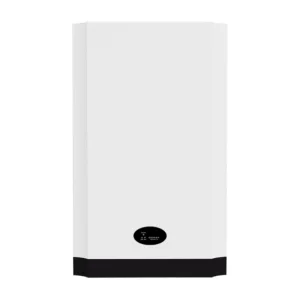
Elemro WHLV 48V100Ah ESS Battery

High-Quality Elemro WHLV 48V100Ah ESS Battery Factories

View Product Details
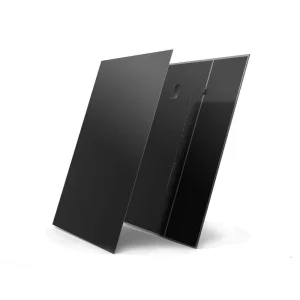
Elemro CdTe Cadmium Tellurium Thin Film Solar Cells

Best Elemro CdTe Cadmium Tellurium Thin Film Solar Cells for BIPV Projects

View Product Details
Elemro LCLV 14kWh Solar Energy Storage System

Best Elemro LCLV 14kWh Solar Energy Storage System Manufacturer

View Product Details
Elemro SHELL 10.2kWh Energy Storage Devices

High-Quality Elemro SHELL 10.2kWh Energy Storage Devices Manufacturer

View Product Details
Elemro WHLV 10kWh Lifepo4 Battery for Home Battery Storage

High-Quality Elemro WHLV 10kWh Lifepo4 Battery for Home Battery Storage

View Product Details

ELEMRO Energy: Power A Green Future

Established in 2019 and headquartered in Xiamen, China, ELEMRO Energy has rapidly emerged as a pioneer in the global clean energy transition. With a core focus on new energy storage systems and state-of-the-art electrical solutions, we integrate advanced research and development (R&D), massive manufacturing capability, and global distribution.

Our technology stack spans residential energy storage batteries, building-integrated photovoltaics (BIPV), commercial energy storage containers, and carport solar systems. Our products have earned the trust of over 250 enterprise clients, distributors, and EPC installers across Europe, Southeast Asia, Africa, the Middle East, and the Americas. Underpinning this expansion is a robust financial structure: ELEMRO’s revenue has grown exponentially year-over-year, with annual turnover exceeding 50 million USD. We are committed to supplying cleaner, smarter, and more cost-effective energy solutions for a greener world.

2019
Established Year
250+
Global Clients
$50M+
2023 Turnover
Solar Glass

Solar Glass

Aesthetic BIPV panels designed for building integration and durability.
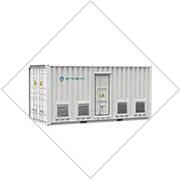
Energy Storage Container

Energy Storage Container

Megawatt-level utility and commercial containment systems.
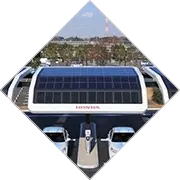
Car Port Solar Power

Car Port Solar Power

Modern structure integration optimizing urban space for clean mobility.

Residential Solar & Battery Industry Dynamics

1. High-Voltage vs. Low-Voltage Architectures

In residential energy storage systems (BESS), the transition from traditional 48V low-voltage (LV) setups to high-voltage (HV) systems (typically >200V to 400V) represents a major leap in thermodynamic efficiency. High-voltage battery systems interface directly with hybrid inverters, slashing the thermal load and conversion losses inherent in boosting low voltage up to AC line levels.

Our stackable systems minimize current levels, allowing installers to use thinner, more cost-effective cabling, reducing installation labor and point-of-failure risks. For modern smart homes with fluctuating peak-demand profiles (heat pumps, EV fast charging), HV systems deliver the instantaneous output capacity needed without compromising long-term cell health.

2. LiFePO4 Chemistry & Thermal Runaway Safety

Safety is the absolute cornerstone of home installations. The industry has standardized heavily on Lithium Iron Phosphate (LiFePO4) chemistry due to its structural stability. Unlike ternary lithium (NMC) cells, LiFePO4 cells feature a covalent P-O bond that withstands higher temperatures without releasing oxygen, virtually eliminating the risk of thermal runaway.

Moreover, our high-precision Battery Management Systems (BMS) continuously monitor temperature, cell-voltage equilibrium, and state-of-charge (SoC). Over-charge, over-discharge, and over-current protections are integrated natively into the physical design, guaranteeing a cycle life exceeding 6,000 cycles at 80% Depth of Discharge (DoD).

3. Building-Integrated Photovoltaics (BIPV)

Traditional bulky solar panel installations are giving way to sleek building materials that actively generate power. Building-Integrated Photovoltaics (BIPV) incorporate Cadmium Telluride (CdTe) thin-film solar technologies directly into windows, facades, and roofs.

CdTe thin-film systems offer excellent temperature coefficients, allowing them to remain highly efficient even under extreme summer temperatures when traditional crystalline silicon panels experience significant voltage drops. They also boast superior performance under diffused light, rendering them ideal for vertical facades and urban architectural applications.

Global Enterprise & B2B Procurement Standards

How tier-1 distributors, commercial developers, and regional installers structure procurement to satisfy strict performance and regulatory requirements.

Certifications & Bankability

B2B buyers prioritize regulatory compliance to avoid liability and ensure smooth project approvals. All grid-connected residential hardware must satisfy international standards including CE, TUV, UL9540A, and UN38.3. This compliance assures utility companies and home insurers that the equipment is safe for continuous grid operation.

CE | TUV | UL9540A | UN38.3 | IEC62619

Modularity & Scaleability

Installers demand flexibility. A home storage system must be easily customizable based on customer budgets and building footprints. Stackable modular designs (from 5kWh scaling up to 14.3kWh and beyond) allow distributors to optimize their inventory by stocking standard modular units that satisfy both budget-conscious residential projects and large estate upgrades.

Stackable Modular Design

Supply Chain Integration

Consistent component supply, direct factory support, and localized warehousing are crucial for maintaining construction schedules. Our integrated R&D and production facilities in Xiamen ensure that large orders can be processed, packaged, and shipped globally with minimal lead times. This resilience cushions B2B buyers against sudden market price spikes.

Direct Factory Pipeline & Logistics

Grid Compliance & Technological Roadmap

Global Grid Synchronization & Interconnection

Integrating battery systems with regional electrical grids requires strict compliance with specific grid codes. Different regions mandate distinct safety configurations. For instance, in North America, systems must satisfy UL 1741 SB and IEEE 1547 standards. These codes govern how solar inverters interact with the utility grid during outages, ensuring automatic disconnects to prevent hazardous islanding.

In Australia and European nations, compliance with AS/NZS 4777.2 and EN 50549 is mandatory. These standards dictate active power response profiles, voltage ride-through limits, and grid support behaviors (such as reactive power regulation). Elemro's high-voltage stackable battery and inverter solutions are engineered with programmable software profiles to align with these regional parameters automatically.

Research & Technology Roadmap (2024 - 2026)

Phase 1: Advanced Solid-State Chemistry & Next-Gen BMS
Development of semi-solid state chemistries to achieve volumetric energy densities beyond 280 Wh/kg while maintaining zero thermal runaway risk. Integrated AI-driven predictive health monitoring algorithms.
Phase 2: Ultra-thin CdTe Building-Integrated Glass
Scaling high-efficiency Cadmium Telluride thin-film glass structures for aesthetic residential glass facades, achieving transparency rates of 30% while retaining over 12% solar conversion efficiency.
Phase 3: Virtual Power Plant (VPP) Integration & P2P Energy Trading
Native integration of software API protocols allowing decentralized home energy networks to trade excess battery reserves back to municipal grids during peak consumption cycles.

ELEMRO News & Market Insights

Stay up to date with the latest technical updates, installation best practices, and international exhibitions from Elemro Energy.
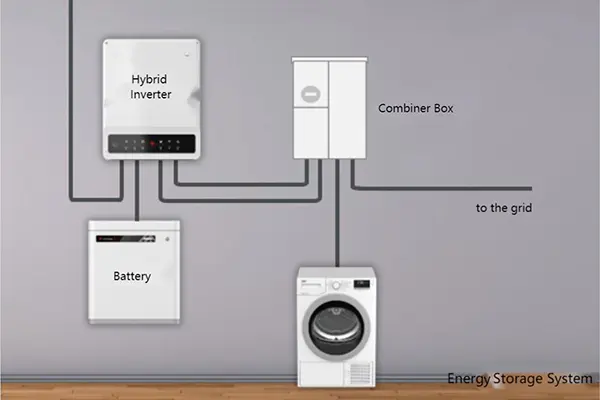
In-depth Interpretation of Home Energy Storage Inverter
Jul 07, 2023

In-depth Interpretation of Home Energy Storage Inverter (Part I)

An analytical breakdown detailing how modern hybrid inverters manage real-time AC/DC conversions, interface with municipal utility grids, and execute automatic safety procedures during grid outages.
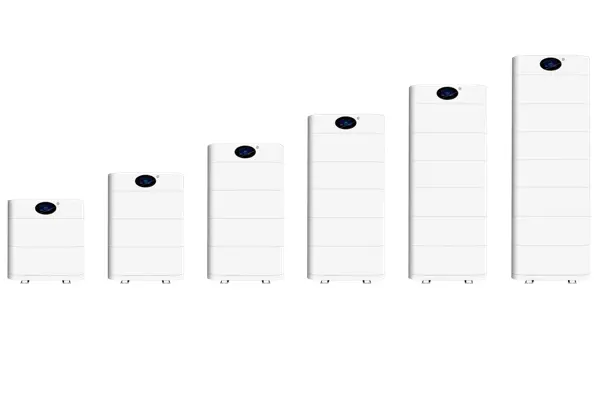
Advantages and Disadvantages of Lithium batteries
Jul 07, 2023

Advantages and Disadvantages of Lithium batteries

A comprehensive comparison between standard lead-acid, ternary NMC, and Lithium Iron Phosphate (LiFePO4) battery chemistries. The article evaluates cycle life, density, safety profiles, and cost metrics.
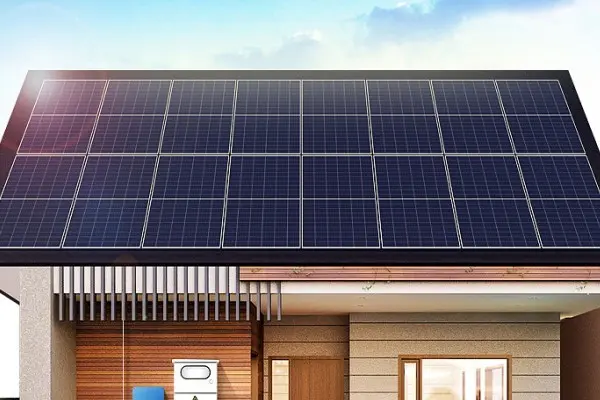
Residential and Commercial Application Scenario of Energy Storage Lithium Ion
Jul 07, 2023

Residential and Commercial Application Scenario of Energy Storage Lithium Ion...

Exploring practical applications of LFP batteries, focusing on commercial peak-shaving, smart residential backup systems, and microgrids optimized for remote environments.
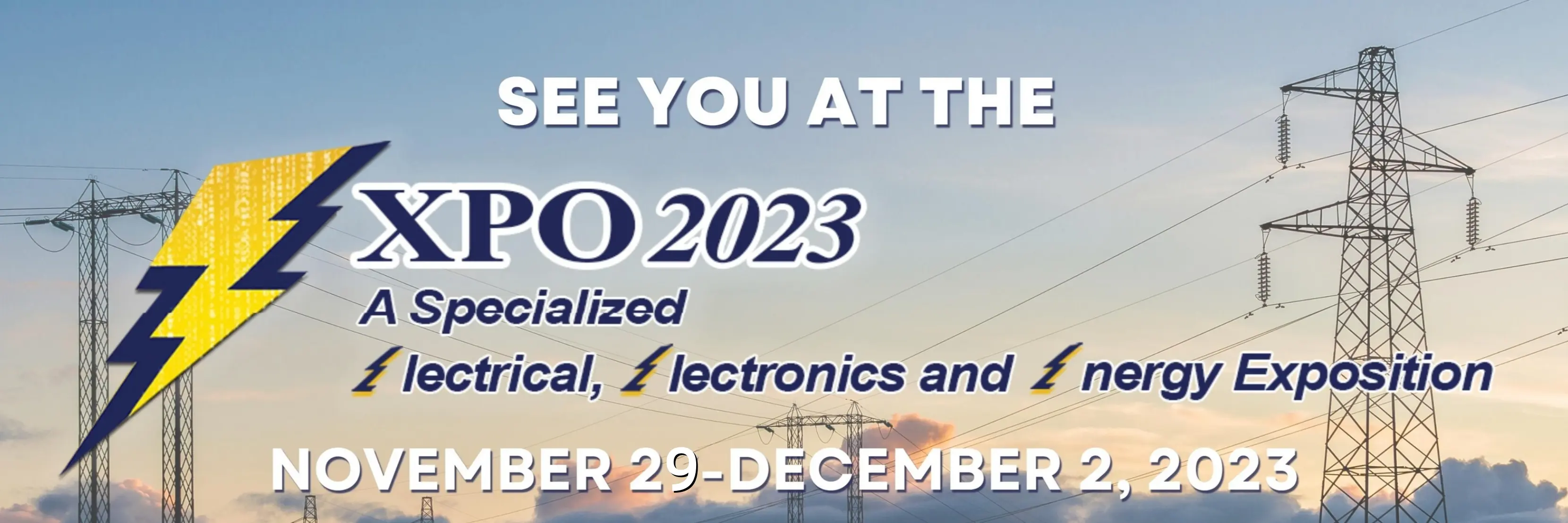
Invitation to 3E XPO 2023 in Manila, Philippines
Nov 26, 2023

Invitation to 3E XPO 2023 in Manila, Philippines

ELEMRO showcased its latest stackable lithium battery series and thin-film CdTe glass technologies at the premier energy exhibition in the Philippines.
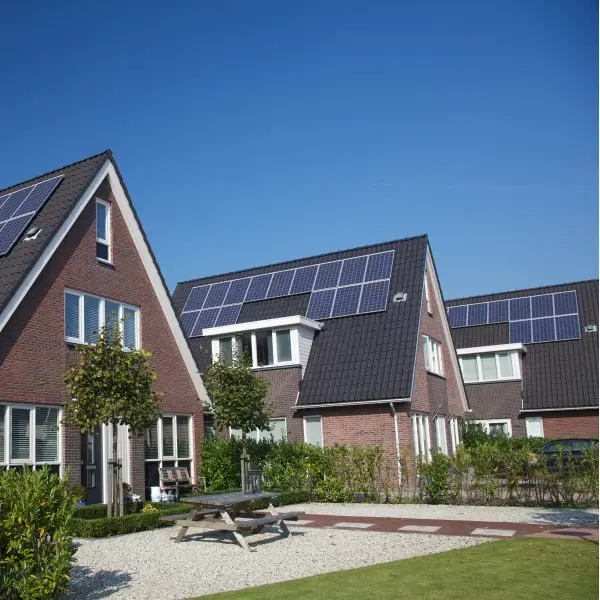
Application Scenario of Photovoltaic Modules
Nov 10, 2023

Application Scenario of Photovoltaic Modules

An in-depth look at how modern PV modules adapt to diverse environments, including coastal areas with high salt fog and high-temperature desert climates.
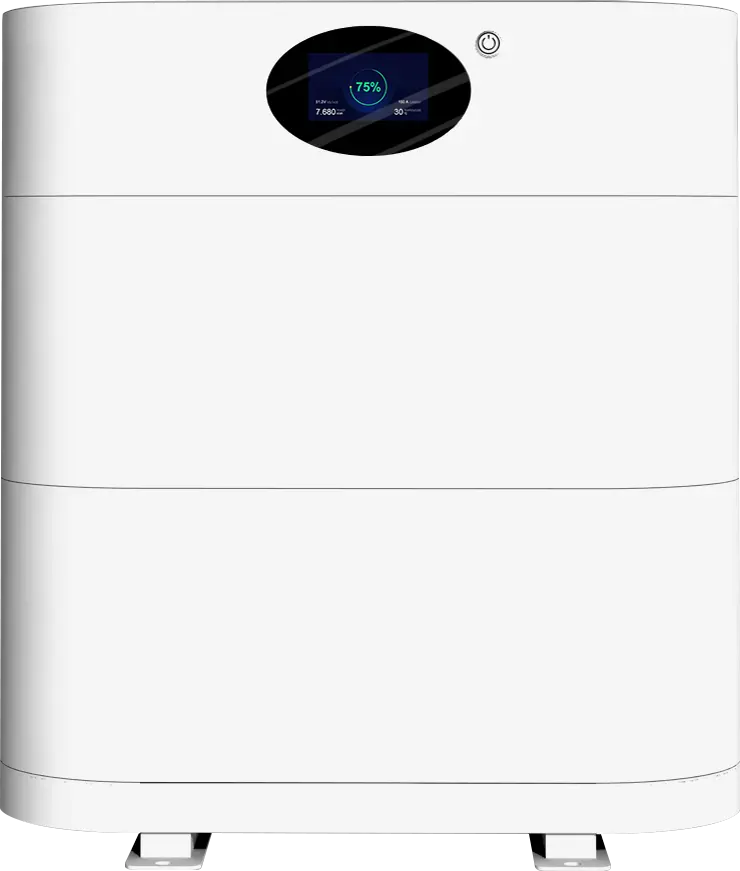
Technical Characteristics of Home Energy Storage Battery
Sep 15, 2023

Technical Characteristics of Home Energy Storage Battery

A detailed breakdown of capacity scaling, charge rates, cell chemistry properties, and integrated communication protocols like CAN/RS485.

Advanced High-Voltage Energy Storage Systems & Inverters

Our engineering ecosystem provides the fundamental components for residential microgrids, ensuring robust power backup, optimal PV management, and continuous efficiency.
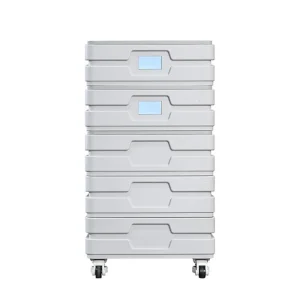
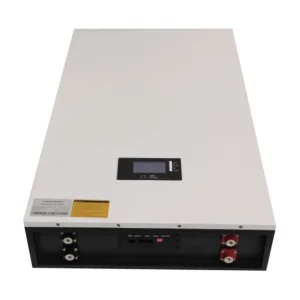
Elemro LCLV 14kWh Solar Energy Storage System

Best Elemro LCLV 14kWh Solar Energy Storage System Manufacturer, Product

View Product Details
Elemro SHELL 10.2kWh Energy Storage Devices

High-Quality Elemro SHELL 10.2kWh Energy Storage Devices Manufacturer

View Product Details
Elemro WHLV 10kWh Lifepo4 Battery for Home Battery Storage

High-Quality Elemro WHLV 10kWh Lifepo4 Battery for Home Battery Storage

View Product Details
High-voltage storage LiFePo4 battery with stackable design

High-Quality High-voltage storage LiFePo4 battery with stackable design Factory

View Product Details
Elemro WHLV 48V200Ah Solar Battery Storage

Best Elemro WHLV 48V200Ah Solar Battery Storage Manufacturers

View Product Details
High voltage energy storage lithium battery

High-Quality High voltage energy storage lithium battery Product

View Product Details
Elemro WHLV 5kWh Solar Battery for House

Best Elemro WHLV 5kWh Solar Battery for House Manufacturers

View Product Details
Solar system power inverter

High-Quality Solar system power inverter Product

View Product Details

Frequently Asked Questions

Get expert insights into the design, operation, and deployment of modern residential solar energy systems and battery technologies.

Why is LiFePO4 chemistry preferred for residential energy storage batteries?
Lithium Iron Phosphate (LiFePO4) is preferred for home energy storage systems (BESS) due to its superior safety, durability, and cost-effectiveness. The chemical bonds of iron, phosphorus, and oxygen are structurally stronger than nickel-cobalt-manganese (NMC) bonds. This high structural stability prevents oxygen release under high temperatures, effectively neutralizing the risk of thermal runaway and fires. Additionally, LiFePO4 chemistry delivers an exceptional lifespan, often exceeding 6,000 charge cycles at an 80% Depth of Discharge (DoD), whereas standard lithium-ion batteries typically last between 1,500 to 3,000 cycles.
What are the differences between high-voltage (HV) and low-voltage (LV) home batteries?
Low-voltage batteries typically run on a 48V standard and are ideal for smaller home installations or off-grid cabins. However, transferring high currents over 48V lines results in considerable thermal losses and requires thick, expensive copper cabling. High-voltage batteries (typically 200V to 400V) pair directly with high-efficiency hybrid inverters. By operating at higher voltages, the current is reduced for the same power output, minimizing conversion losses and allowing the system to handle sudden home appliance surges more efficiently.
How do Cadmium Telluride (CdTe) thin-film solar cells compare to standard silicon panels?
CdTe thin-film panels are highly suited for Building-Integrated Photovoltaics (BIPV). Unlike standard crystalline silicon panels, which suffer significant voltage drops under high temperatures, CdTe thin-film modules maintain high output in extreme heat due to a lower temperature coefficient. Additionally, CdTe cells perform exceptionally well under diffused, low-light, or shaded conditions, making them ideal for vertical facades, skylights, and windows.
Can ELEMRO battery systems operate off-grid during an outage?
Yes, ELEMRO home battery systems (such as the SHELL and WHLV series) support off-grid operation when paired with a compatible hybrid inverter. The system features an automatic transfer switch (ATS) that disconnects the home from the main grid within milliseconds of an outage, switching to backup battery power to ensure uninterrupted operation of critical household appliances.
How long does a 10.2kWh or 14.3kWh battery system power a typical home?
The backup duration depends on your household's power load. A typical home consumes about 1 to 2 kW of power per hour when running basic appliances like lights, a refrigerator, computers, and a television. A 10.2kWh battery can run these essentials for approximately 5 to 10 hours, while a 14.3kWh battery can extend that to 7 to 14 hours. During outages, avoiding high-power loads like electric ovens or central air conditioning significantly extends backup runtime.

Inquiry For Pricelist

For inquiries about our products or pricelist, please leave your email to us and we will be in touch within 24 hours.