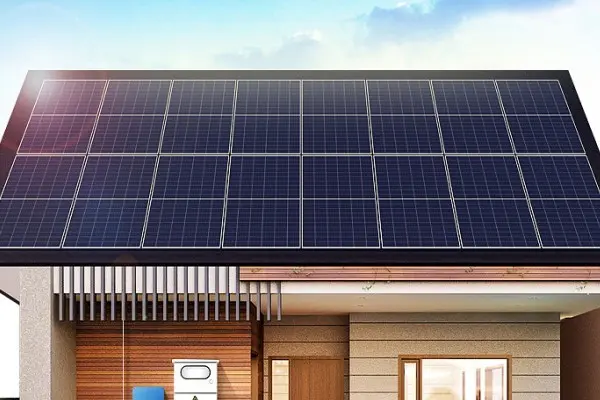
As the global energy paradigm pivots dynamically away from fossil fuels, the critical challenge of solar and wind intermittency has placed Energy Storage Systems (ESS) at the core of the renewable energy movement. Modern smart microgrids require more than simple charge-discharge cycles; they demand high thermal stability, long operational lifetimes, smart battery management (BMS), and seamless integration with existing photovoltaic infrastructures.
According to recent market analyses, the global demand for utility-scale and distributed energy storage is projected to experience a compound annual growth rate (CAGR) of over 25% through 2030. Driven by stricter national carbon-neutrality mandates, rising peak-hour commercial electricity rates, and the critical need for grid resilience against extreme weather events, businesses and grid operators are rapidly transitioning to advanced Lithium Iron Phosphate (LiFePO4) storage technologies.
In regions like North America, Western Europe, and parts of the Asia-Pacific, energy regulatory frameworks are driving commercial facilities to optimize their consumption profiles. Demand charge mitigation—where businesses pay a premium rate based on their peak electricity draw—has turned BESS into an essential asset for cost reduction. By deploying peak-shaving protocols, an industrial facility can discharge its stored solar energy during peak demand windows, effectively flattening its load profile and saving thousands of dollars in monthly utility expenses.
Furthermore, integration with Virtual Power Plants (VPPs) is transforming energy storage from a passive backup asset into a dynamic revenue generator. Distributed energy networks aggregated via software can bid back into local capacity markets, offering grid balancing services like frequency regulation and demand response.
Established in 2019 and headquartered in the logistics and technology hub of Xiamen, China, ELEMRO Energy has specialized in advanced new energy storage and integrated electrical solutions. We are a market leader unifying Research & Development, state-of-the-art production lines, and global sales.
Our products serve more than 250 customers across Europe, Southeast Asia, Africa, the Middle East, and the Americas. ELEMRO's annual turnover is expected to exceed 50 million USD in 2023, driven by a commitment to reliability, certified product performance, and customer-first engineering.
Founded
2023 Expected Revenue
China's leadership in the global battery energy storage industry stems from deep raw material refinement integration, automated manufacturing processes, and efficient industrial clustering. By housing active material synthesis, cell manufacturing, BMS development, and system assembly within regional proximity, factories can maintain strict quality controls while lowering production overheads.
ELEMRO Energy utilizes this integrated ecosystem in Xiamen, China. Our facilities feature advanced semi-automated assembly lines where cell capacity sorting, module laser welding, and high-voltage insulation testing are conducted under strict quality protocols. This manufacturing setup ensures that every battery pack matches tight internal resistance and capacity tolerances, minimizing cell mismatching and maximizing overall system life.
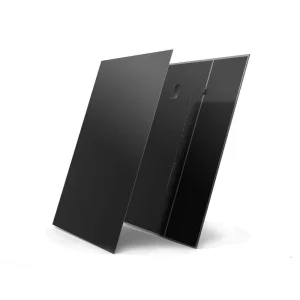
High-transmittance photovoltaic glass designed for optimal photon absorption, weather durability, and integration into Building Integrated Photovoltaics (BIPV).

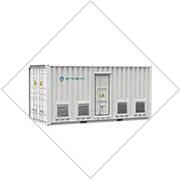
Pre-engineered, containerized utility-scale energy storage systems with integrated HVAC, active fire suppression, and intelligent battery clusters.
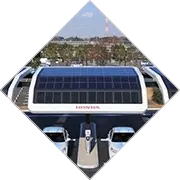
Turnkey structural solar frameworks engineered for vehicle protection and high-efficiency onsite electricity generation.
Energy storage units must perform reliably across diverse environmental conditions. A home battery deployed in Northern Europe faces extreme sub-zero temperatures, which can slow down lithium-ion migration. Conversely, systems installed in the Middle East or Southeast Asia must operate in high temperatures and humidity.
To address these conditions, ELEMRO designs its storage enclosures with advanced environmental protections. Our outdoor units feature IP65-rated dust and water resistance, internal heating pads for cold climates, and active air-cooled or liquid-cooled thermal management systems for hotter regions. This thermal management limits temperature variance across battery modules to within 3°C, helping prevent accelerated capacity loss and potential thermal runaway.
For system designers and EPC contractors, choosing the appropriate voltage architecture is a key design step. The industry is seeing a shift toward high-voltage (HV) battery configurations for larger systems. By linking lithium cells in series rather than parallel, HV systems can operate at voltages exceeding 400V DC. This higher voltage reduces current levels for the same power output, minimizing resistive heating losses in cabling (I²R losses) and improving round-trip energy conversion.
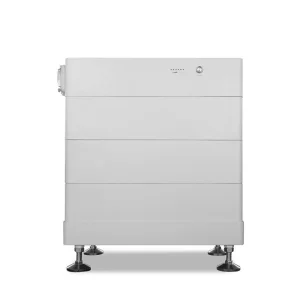
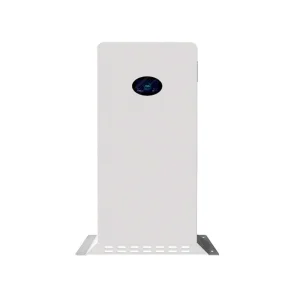
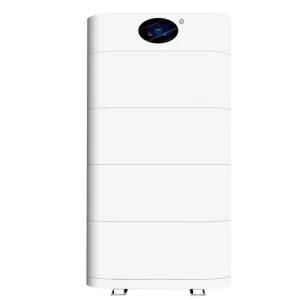
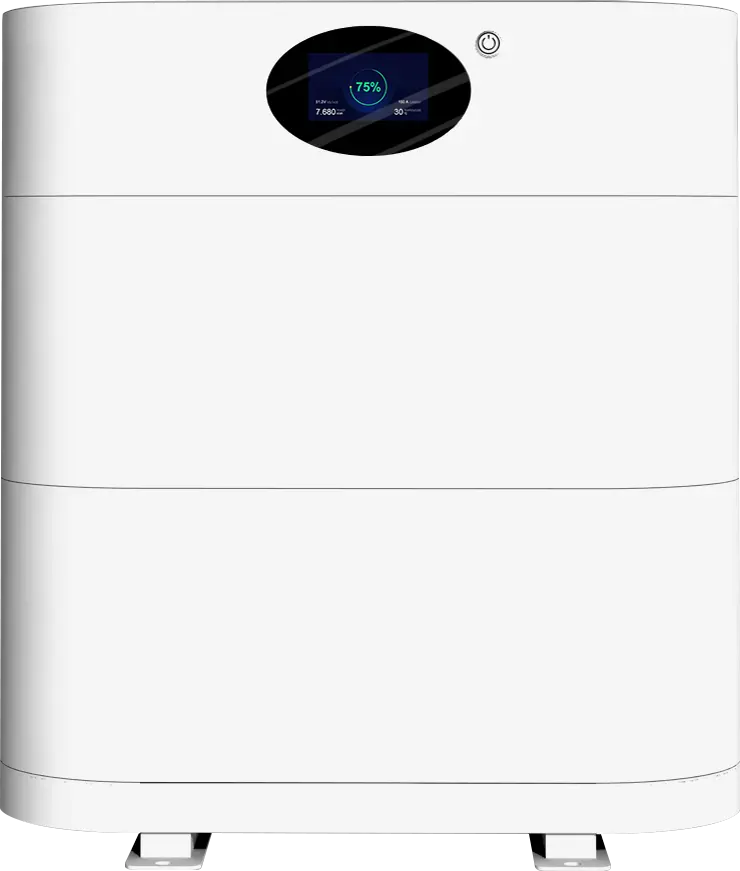
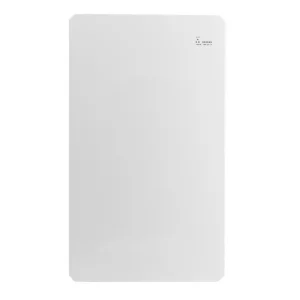
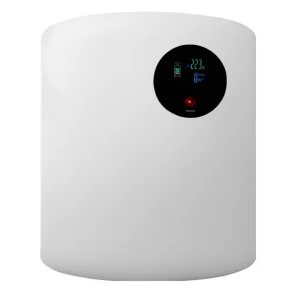
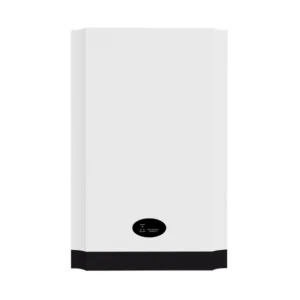
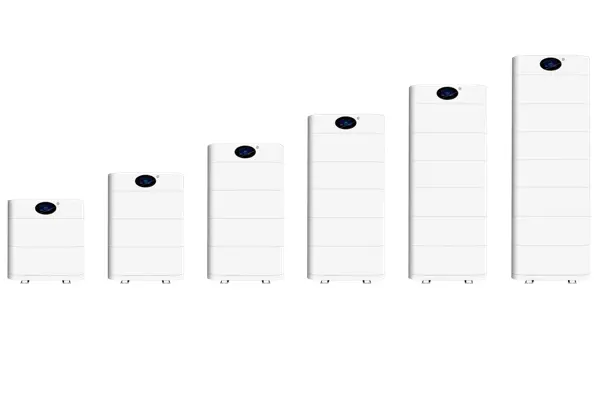
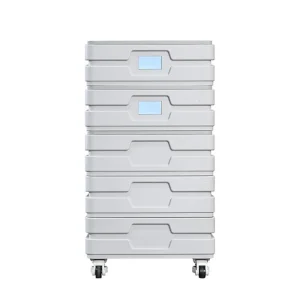
In residential applications, modular high-voltage stacked systems allow simple installation and scalability. Homeowners can start with a baseline configuration, such as 10.2kWh, and add stackable modules as their electricity needs grow, all without requiring complex rewiring or secondary external balancing units.
Lithium Iron Phosphate (LiFePO4) has become the industry standard for stationary energy storage. Compared to Cobalt-based chemistries (NMC/LCO), LiFePO4 offers structural and chemical stability that virtually eliminates the risk of oxygen release during thermal runaway. It also supports deeper discharges (up to 95% DoD) and delivers over 6,000 charge-discharge cycles at room temperature before capacity drops to 80% of its original rating.
As urban areas face land-use constraints for utility-scale solar farms, Building Integrated Photovoltaics (BIPV) offers a way to utilize vertical facades and rooftops. Cadmium Telluride (CdTe) thin-film solar glass is highly suited for BIPV installations. Unlike traditional crystalline silicon panels, CdTe cells maintain stable power generation under diffuse or low-light conditions, perform well at high angles of incidence, and feature a low temperature coefficient. Integrating CdTe thin-film panels directly into building glazing allows architectures to generate clean energy while reducing solar heat gain coefficients (SHGC).





Request a comprehensive product catalog, system compatibility report, or custom bulk pricing. Our engineering team responds within 24 hours.
 Elemro Energy