Explore our foundational range of battery architectures designed for safety, scalability, and long cycle life.
Over the last decade, Levelized Cost of Storage (LCOS) has emerged as the definitive metric for assessing commercial feasibility in battery integration. Transitioning from traditional lead-acid technologies to high-density Lithium Iron Phosphate (LiFePO4) chemistry has drastically reduced degradation costs over time. A high-quality solar panel battery represents not just an upfront CapEx expenditure but an optimized multi-decade operational strategy.
By engineering systems featuring advanced integrated Battery Management Systems (BMS), industrial operators can safely balance cells, optimize charging trajectories, and prevent localized thermal stress. This technical rigor translates to longer lifecycles, improved round-trip efficiency, and ultimately, a much lower total cost of ownership.
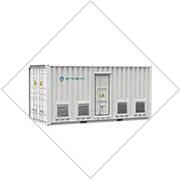
Why modern enterprise procurement managers leverage vertical manufacturing corridors to safeguard project timelines.
Elemro Energy leverages advanced Factory 4.0 processes at our central manufacturing hubs in China. By combining automatic robotic assembly lines with precision AI-driven inspection protocols, we eliminate human variability in laser welding and terminal configuration. This standard of production ensures that high-voltage storage LiFePO4 batteries retain consistent internal impedance across thousands of serialized cells.
Our strategic placement in Xiamen, China enables seamless logistics integration. By consolidating local component suppliers, high-capacity cell manufacturers, and direct shipping terminals, Elemro secures raw-material pathways even amidst global supply chain disruptions. This structural resilience allows us to deliver optimized cost frameworks without compromising on the critical international safety compliance ratings (such as UL9540A and CE).

When selecting systems for Commercial and Industrial (C&I) setups, procurement managers often over-emphasize initial hardware cost (CapEx) instead of calculating lifetime performance metrics. Below is an engineering benchmark outlining the performance parameters of Elemro's core technologies:
| Battery System Category | Nominal Capacity (kWh) | Target Cycle Life (80% DoD) | Operational Voltage Range | Key Commercial Application |
|---|---|---|---|---|
| Elemro SHELL Series | 10.2 / 14.3 kWh | >6,000 Cycles | 48V Low Voltage | Residential & Light Commercial Backup |
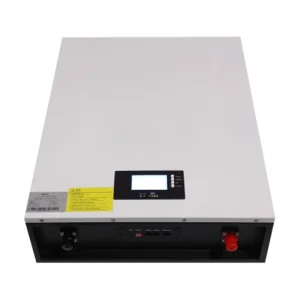
| WHLV Wall-Mounted | 5 / 10 kWh | >6,000 Cycles | 48V Low Voltage | Modular Home Energy Expansion |
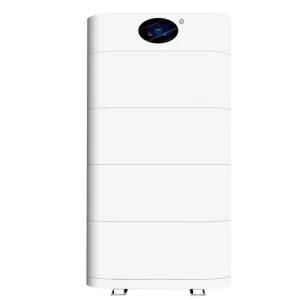
| Stacked High-Voltage | Up to 100 kWh+ | >6,500 Cycles | 200V - 600V High Voltage | C&I Peak Shaving & Microgrids |
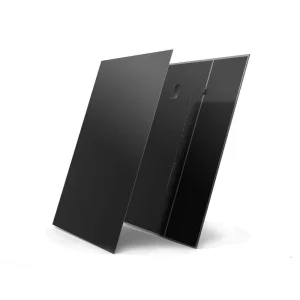
| CdTe Thin Film Cells | BIPV Custom | 25-Year Service Life | System Dependent | Building Integrated Photovoltaics |
Established in 2019 and headquartered in Xiamen, China, Elemro Energy specializes in advanced energy storage containers, solar glass BIPV, and carport installations.
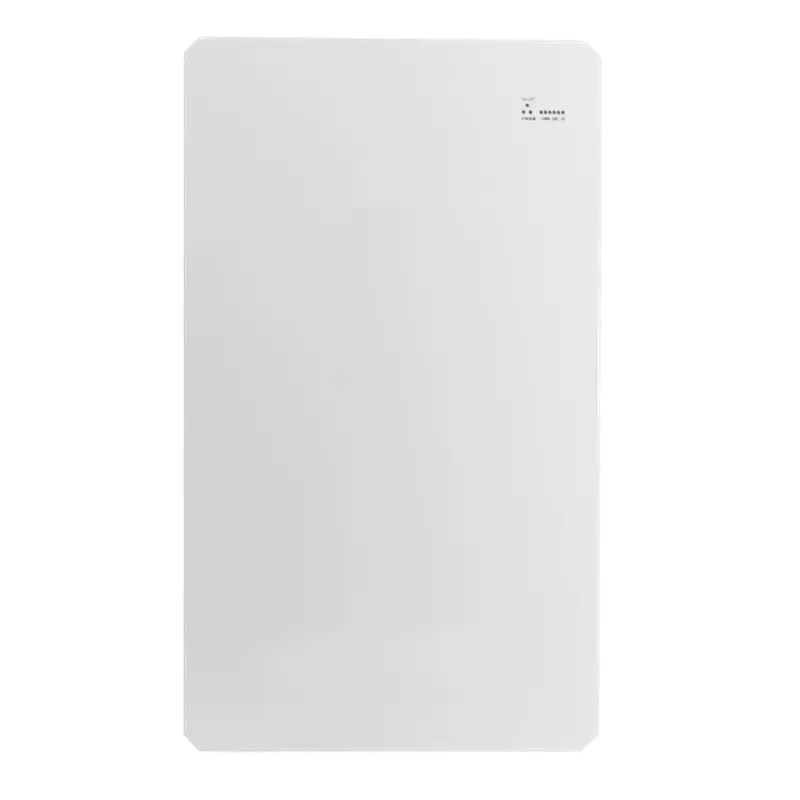
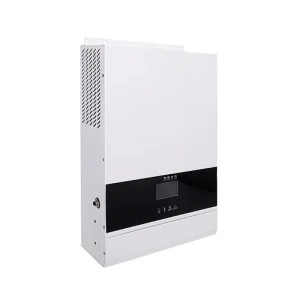
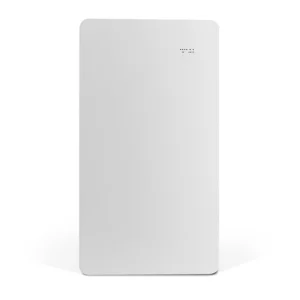
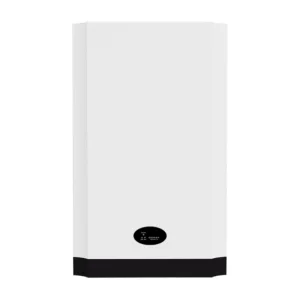
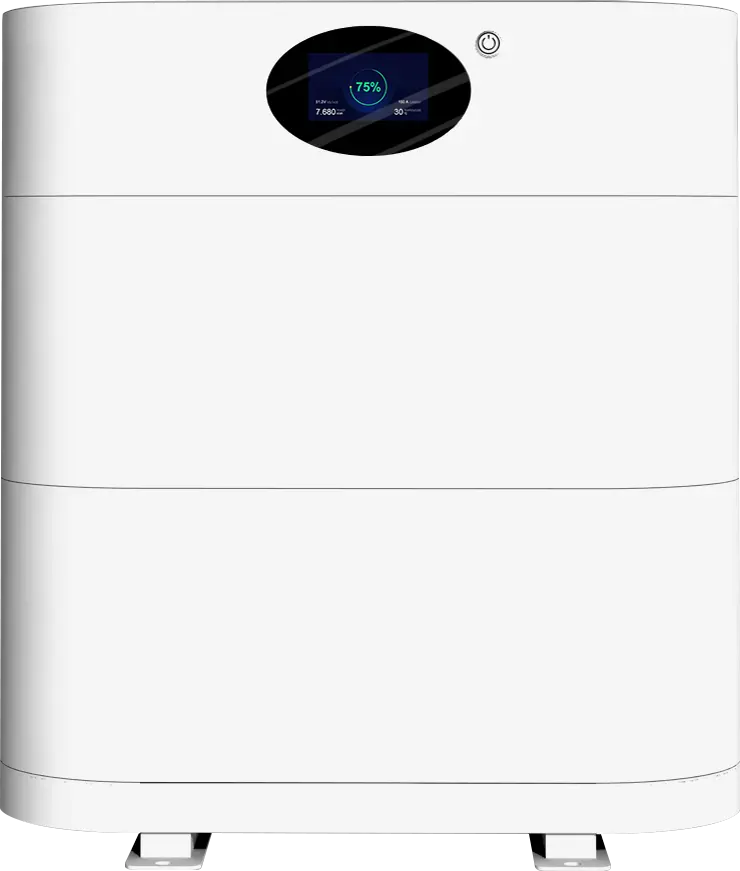
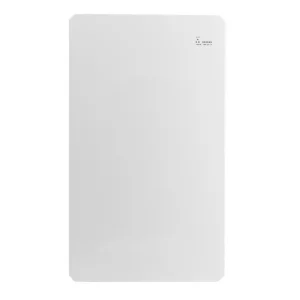
Sleek design combined with robust LiFePO4 cells. Wall-mountable system ideal for clean residential spaces and backup safety protocols.
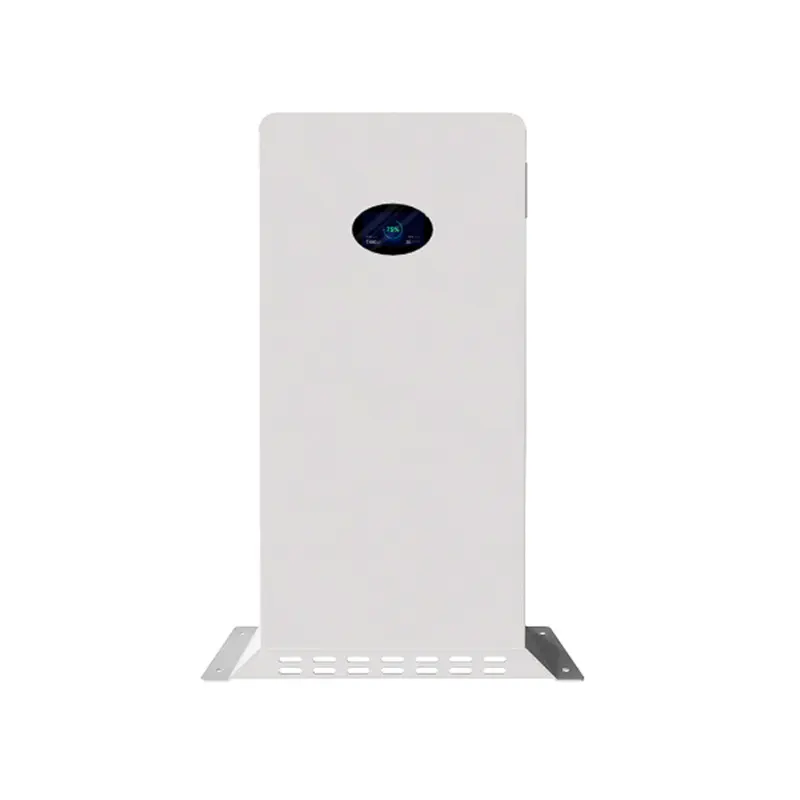
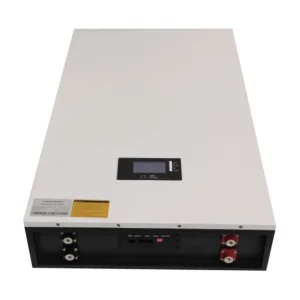
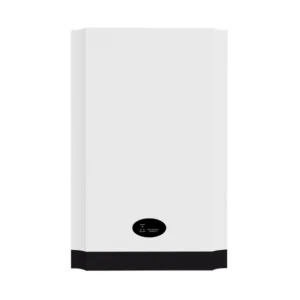
Designed for low voltage home setups requiring sustained discharge rates and high capacity loads.
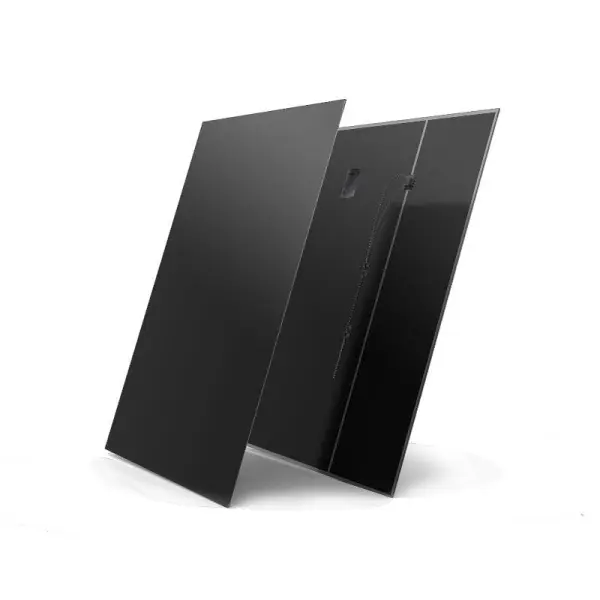
Transform glass structures into power generators with stable generation coefficients under high temperatures.
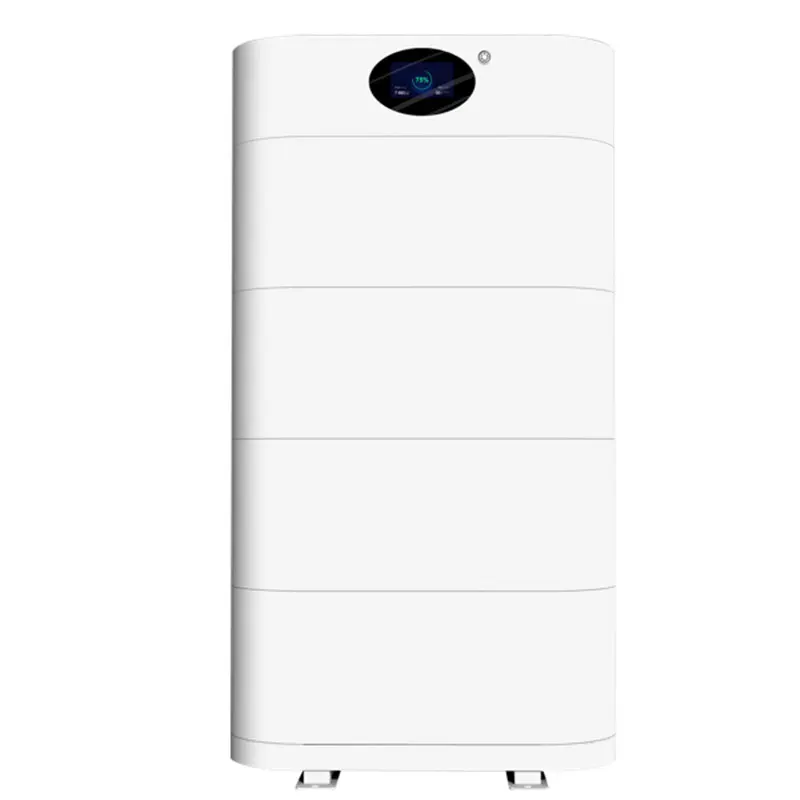
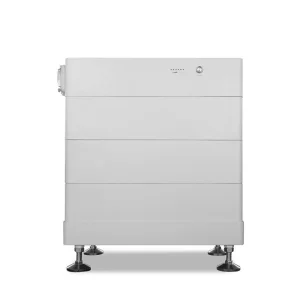
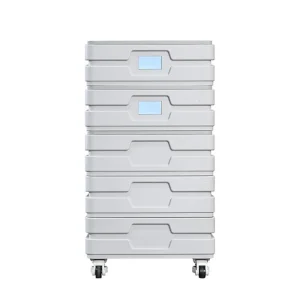
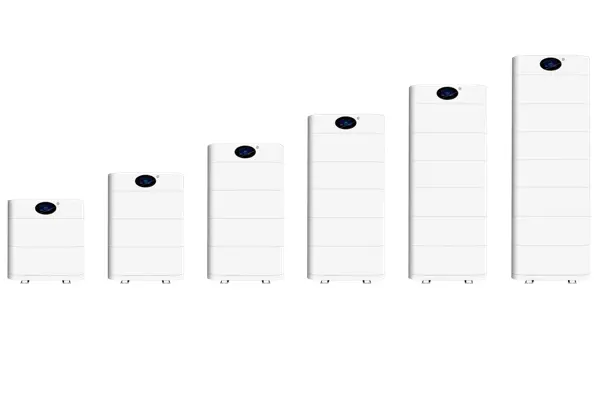
Custom multi-tier stack system optimized for heavy commercial and industrial microgrid requirements.
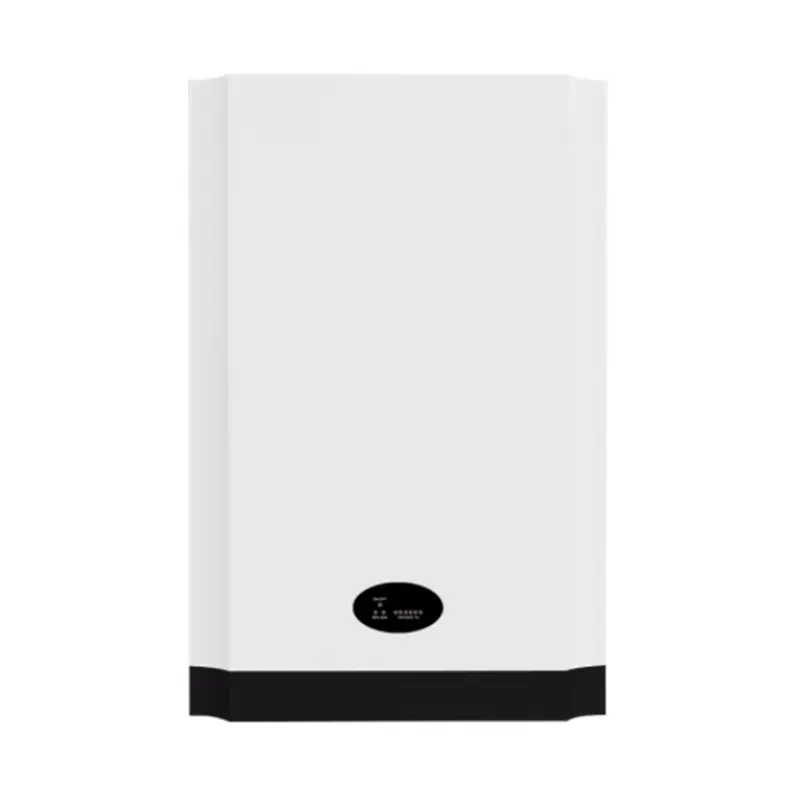
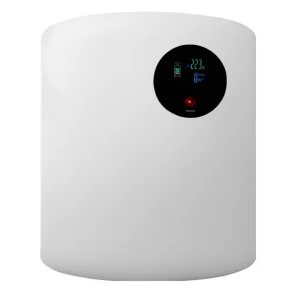
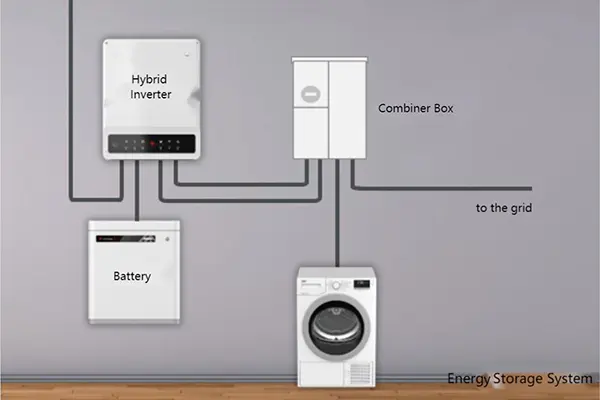
A smart energy bank supporting remote diagnostic connections and multi-protocol grid communication interfaces.
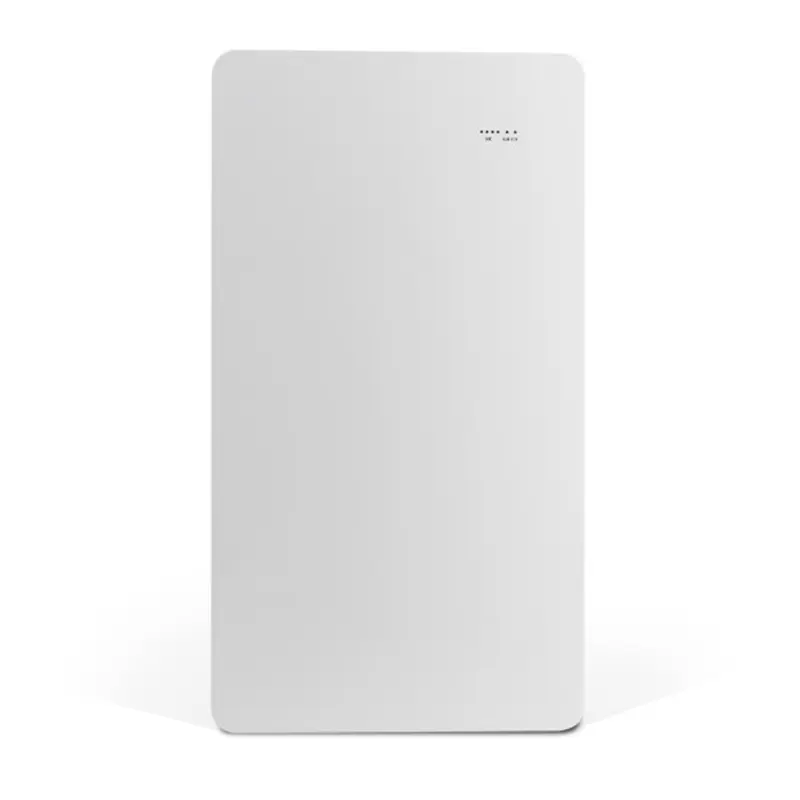
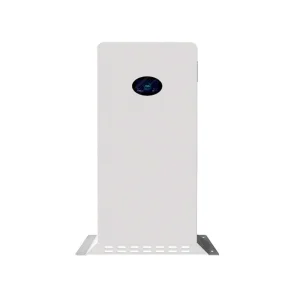
Heavy duty residential battery block that ensures multi-day energy security against grid vulnerability.
Modern localized scenarios require tailored, application-specific energy architectures. For example, high-efficiency solar panel batteries are increasingly deployed alongside Car Port Solar Power stations to balance grid load requirements during fleet charging cycles. By incorporating integrated CdTe thin film panels on the canopy structures, facilities can capture energy dynamically and store it on-site, minimizing grid-demand spikes.
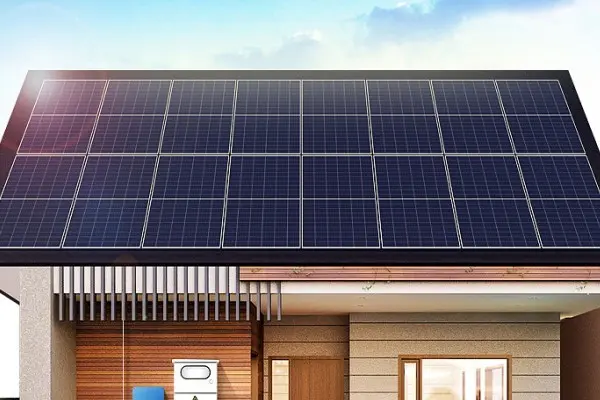
Similarly, BIPV (Building Integrated Photovoltaics) structures use building façades as localized energy generation cells. When paired with high-voltage stackable storage batteries, these architectures allow urban commercial structures to approach net-zero energy building profiles. The key is coordinating the battery output with active consumption patterns using optimized EMS configurations.
Stay updated with our analytical deep-dives and event updates directly from our engineering team.
Addressing the technical concerns of developers, utility managers, and project operators.
Explore Elemro's high-capacity battery units and custom thin-film photovoltaic modules designed for modern commercial energy requirements.
Provide your email address to receive Elemro’s latest product specifications, volume pricing brackets, and custom technical layouts within 24 hours.





 Elemro Energy