As the global energy landscape transitions toward decentralization, high-quality solar panel backup batteries have evolved from auxiliary convenience systems to mission-critical infrastructure components. Organizations across Europe, North America, and the Asia-Pacific are increasingly faced with strict regulatory mandates regarding carbon intensity, grid reliability constraints, and escalating demand-charge pricing models. In this environment, battery energy storage systems (BESS) represent the primary tool for executing sophisticated peak-shaving, load-shifting, and microgrid resiliency strategies.
The procurement requirements of global corporations demand far more than basic electrochemical cells. B2B decision-makers are evaluating Levelized Cost of Storage (LCOS), long-term cycle degradation profiles, round-trip system efficiency, thermal-runaway mitigation mechanisms, and interoperability with diverse utility-scale power conditioning systems (PCS). Our strategic manufacturing operations address these multi-layered requirements directly, fabricating robust LiFePO4 structures that offer a design life exceeding 15 years and operating windows optimized for harsh conditions.
Modern energy infrastructures require flexible, modular topologies. Low-voltage parallel configurations (e.g., 48V/100Ah and 48V/200Ah models) continue to serve residential and light commercial segments by offering plug-and-play expansions and safe, low-voltage installation procedures. Conversely, for large-scale utility support, high-voltage stacked systems (ranging from 150V to over 800V DC) are deploying widely to minimize conduction losses, maximize system efficiency, and streamline coupling with central multi-phase commercial inverters.
ELEMRO’s manufacturing strategy embraces this architectural duality. We integrate intelligent Battery Management Systems (BMS) capable of dual-bus communications (CAN/Modbus/RS485), facilitating granular thermal monitoring, active cell-balancing algorithms, and real-time state-of-health (SOH) diagnostic reporting.
Established in 2019 and headquartered in the high-tech industrial hub of Xiamen, China, ELEMRO Energy has solidified its market leadership in the new energy industry by uniting advanced R&D, precision manufacturing, and international trade networks. Over the years, our annual turnover has experienced consistent exponential growth, exceeding 50 million USD in 2023. Our footprint stretches to more than 250 industrial partners and distributors across Europe, Southeast Asia, Africa, the Middle East, and the Americas.
Our core expertise spans the research, engineering, and mass production of state-of-the-art energy storage systems. By incorporating top-tier supply chain dynamics and strict quality controls, we ensure that every lithium-ion storage enclosure, inverter, and specialized photovoltaic component we build performs reliably in demanding environments.
Learn More About UsContinuous engineering investments to optimize battery pack density and BMS monitoring logic.
Products rigorously certified to UL, CE, IEC, UN38.3, and local utility regulations.
Demonstrated financial stability with over $50M in annual turnover, assuring long-term support.
Streamlined logistics paths serving clients in 50+ countries with optimized delivery schedules.

Building Integrated Photovoltaics (BIPV) represent the future of sustainable architecture. Using CdTe thin-film solar cells, building envelopes, curtain walls, and skylights generate clean power without compromising structural aesthetics.
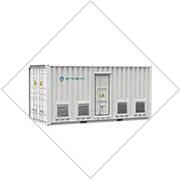
MWh-scale pre-configured battery containers designed for grid-level peak-shaving, wind/solar farm stabilization, and centralized industrial backup. Features liquid-cooling systems and advanced fire suppression.
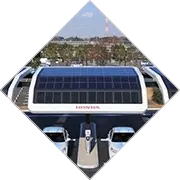
Turnkey commercial carports integrating high-efficiency photovoltaic structures with modular battery banks, facilitating smart onsite EV fast charging and minimizing peak commercial grid demand.
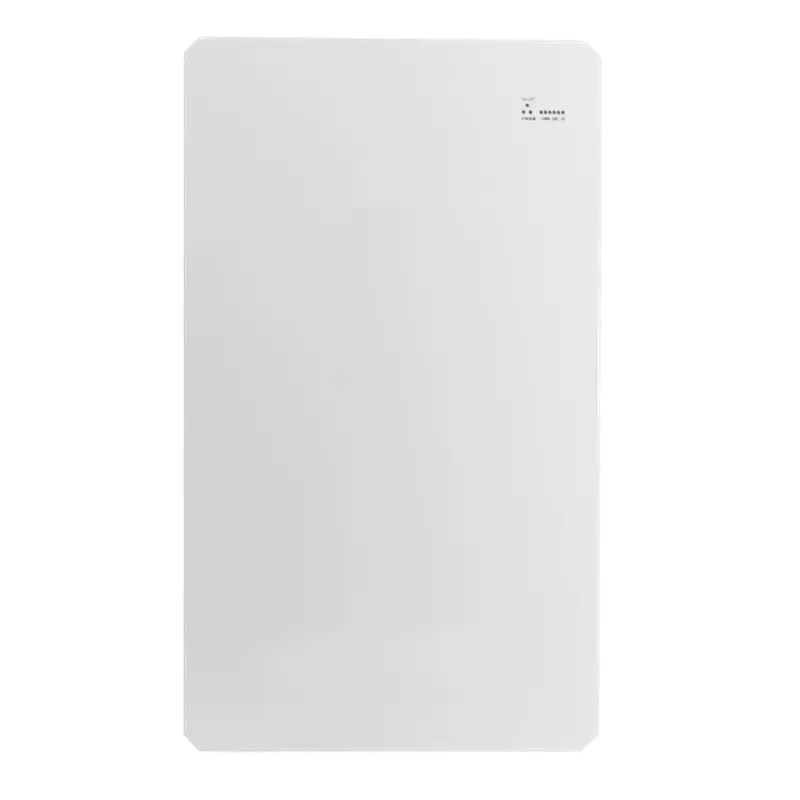
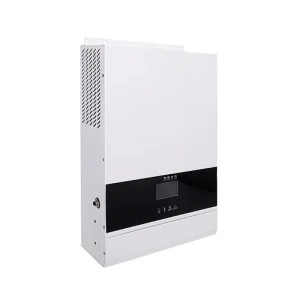
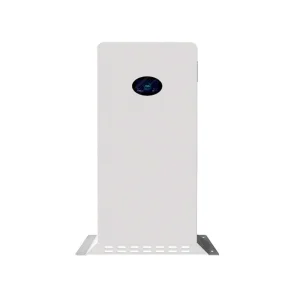
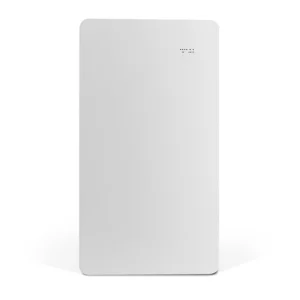
Modular wall-mounted or floor-stacked household BESS integrating intelligent dual-BMS.
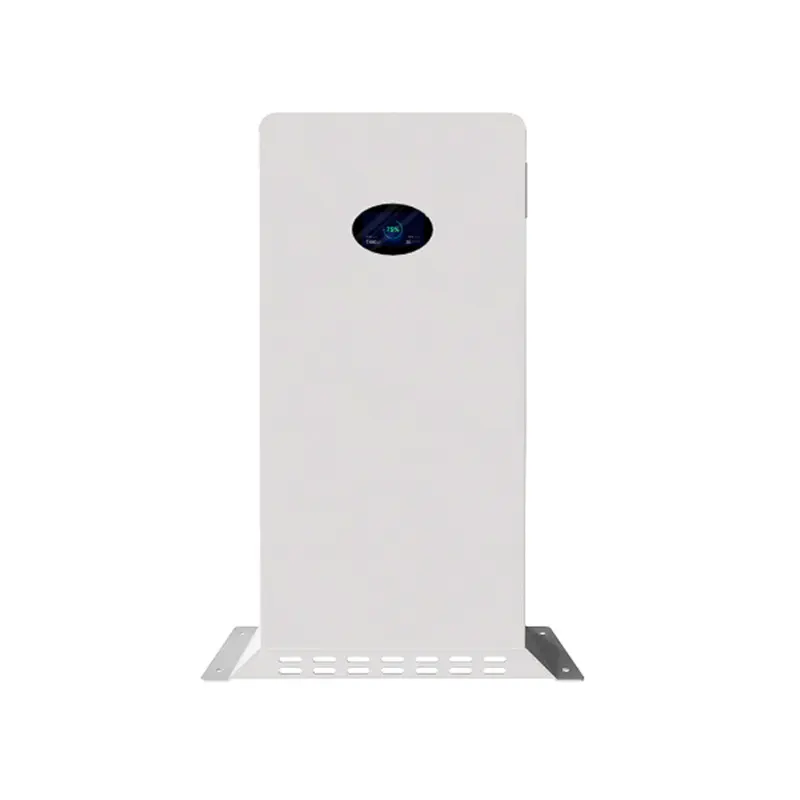
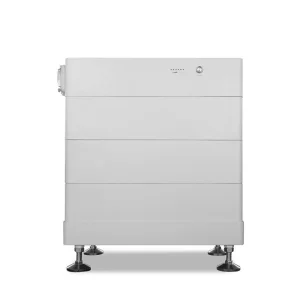
High-capacity low-voltage cabinet design optimized for residential solar configurations.
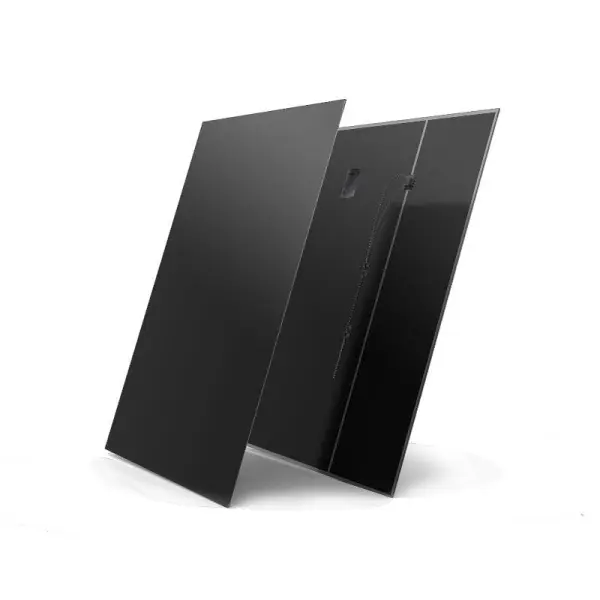
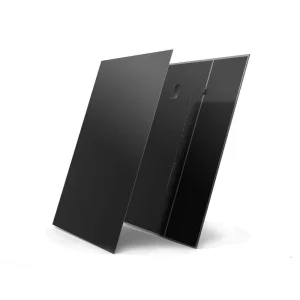
High-performance photovoltaic glass tailored for building integrated projects.
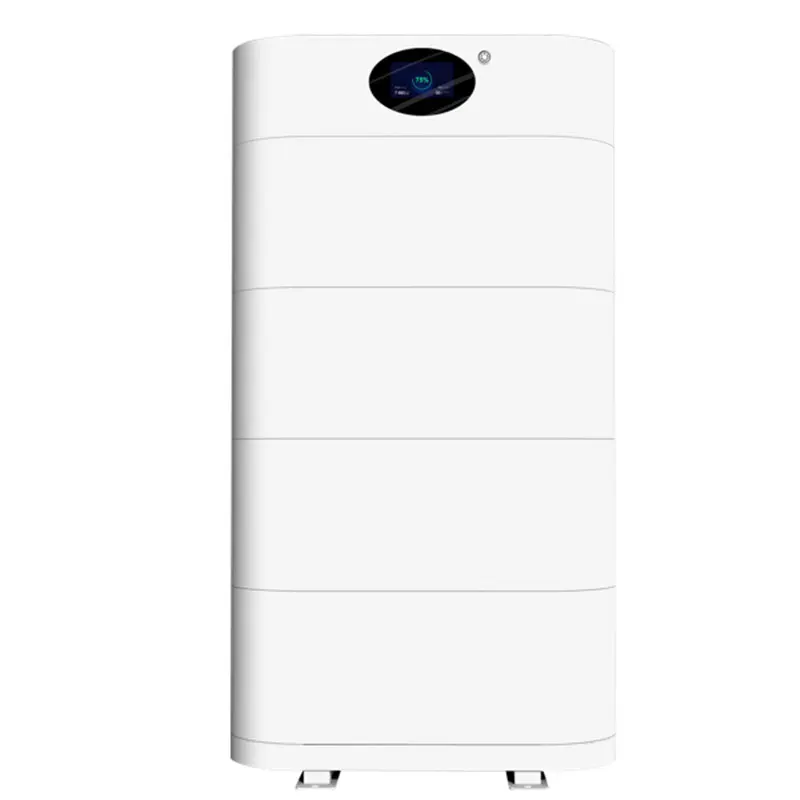
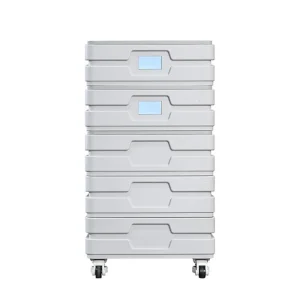
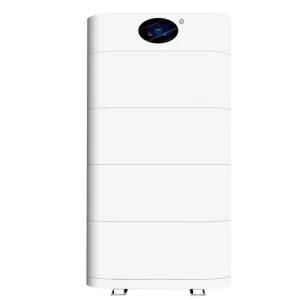
Stacked modular architecture engineered to support utility microgrids.
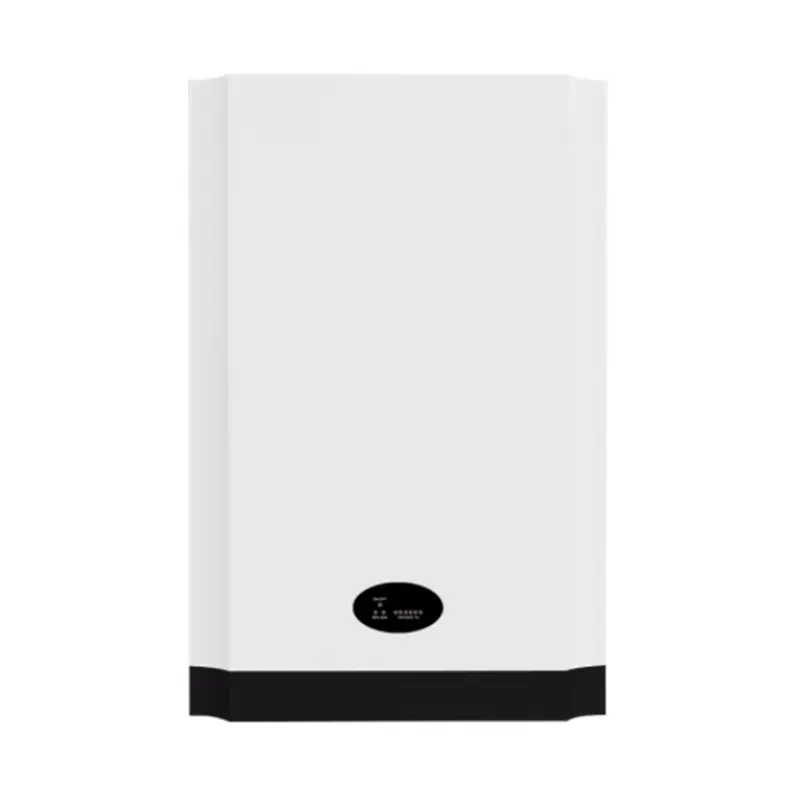
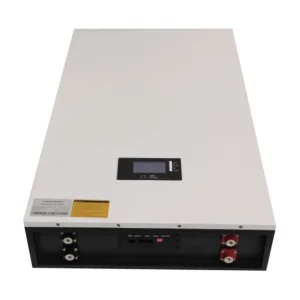
Premium smart LFP battery packs built for grid-independent backup power systems.
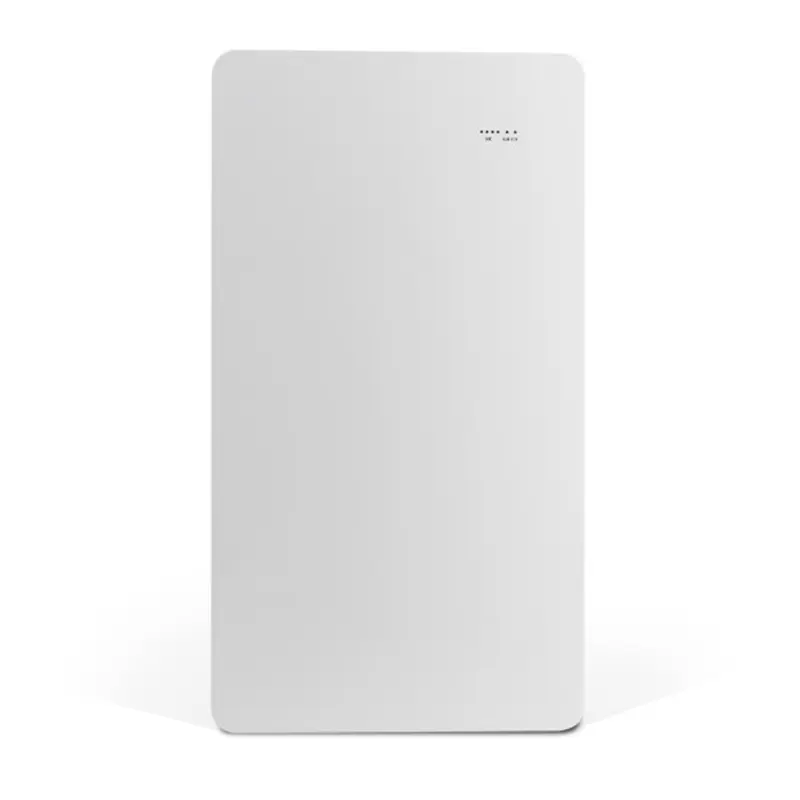
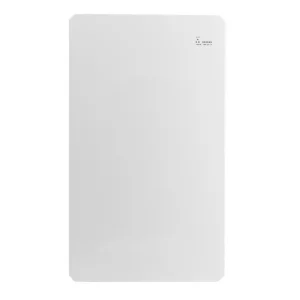
High-capacity backup battery providing extended residential and small office autonomy.

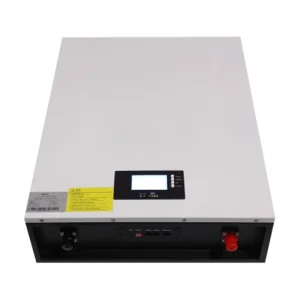
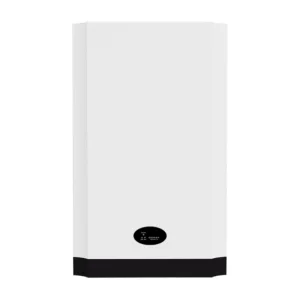
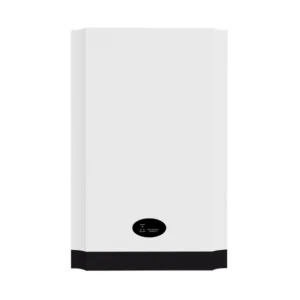
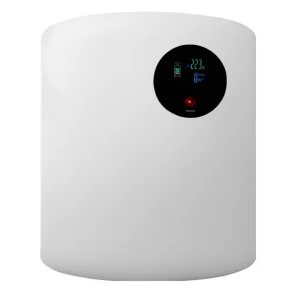
Compact wall-mounted 51.2V energy storage units engineered for space-restricted areas.
As global manufacturers of solar panel backup batteries, our primary focus is the structural progression of lithium-ion systems. While traditional Cobalt-based chemistries present high energy density, they fail to meet the safety benchmarks necessary for permanent, high-power stationary installations. Our production lines use Cobalt-free Lithium Iron Phosphate (LiFePO4) chemistry exclusively. This configuration offers significant benefits, including an elevated thermal runaway threshold (exceeding 270°C) and robust performance across high-cycle charging envelopes.
Looking forward, our technology roadmap targets the integration of next-generation solid-state electrolytes and high-voltage stacked topologies. By transition from liquid organic solvents to solid-state separators, tomorrow's storage batteries will eliminate the risk of internal short circuits while increasing energy density to over 280 Wh/kg.
A common point of degradation in modular battery configurations is cell-to-cell variance in voltage and internal resistance. Over time, passive cell balancing—which simply dissipates excess energy as heat through resistors—leads to unnecessary thermal stress and energy loss.
To resolve this, ELEMRO implements active cell balancing protocols across our high-voltage battery designs. Energy is dynamically transferred from cells with higher charge levels to those with lower levels. This approach optimizes charge levels across the entire pack, improves usable capacity by up to 8%, and extends the system's useful operating life.
For inquiries about our product line, customized specifications, or pricing lists, submit your email below. Our engineering and sales team will contact you within 24 hours.
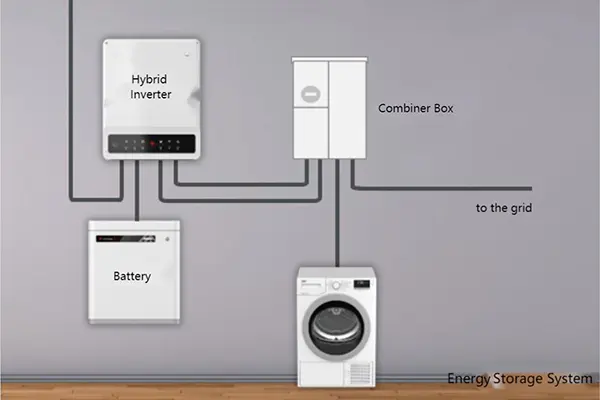
Evaluating hybrid inverter topologies, grid-interaction speeds, and integration challenges with home battery banks.
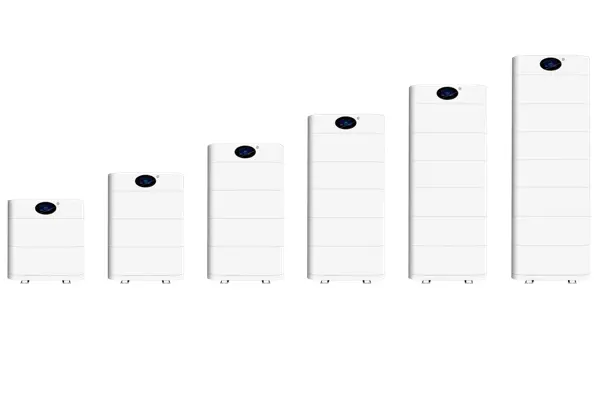
A comparison of energy density, lifecycle limits, and costs across LFP, NMC, and solid-state battery structures.
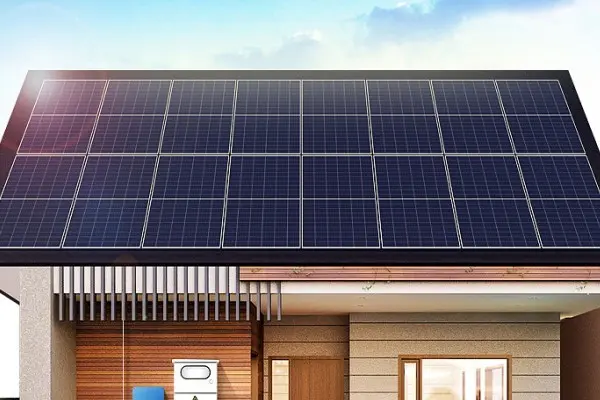
Exploring load shifting, peak shaving, backup energy systems, and microgrid setups in modern energy landscapes.
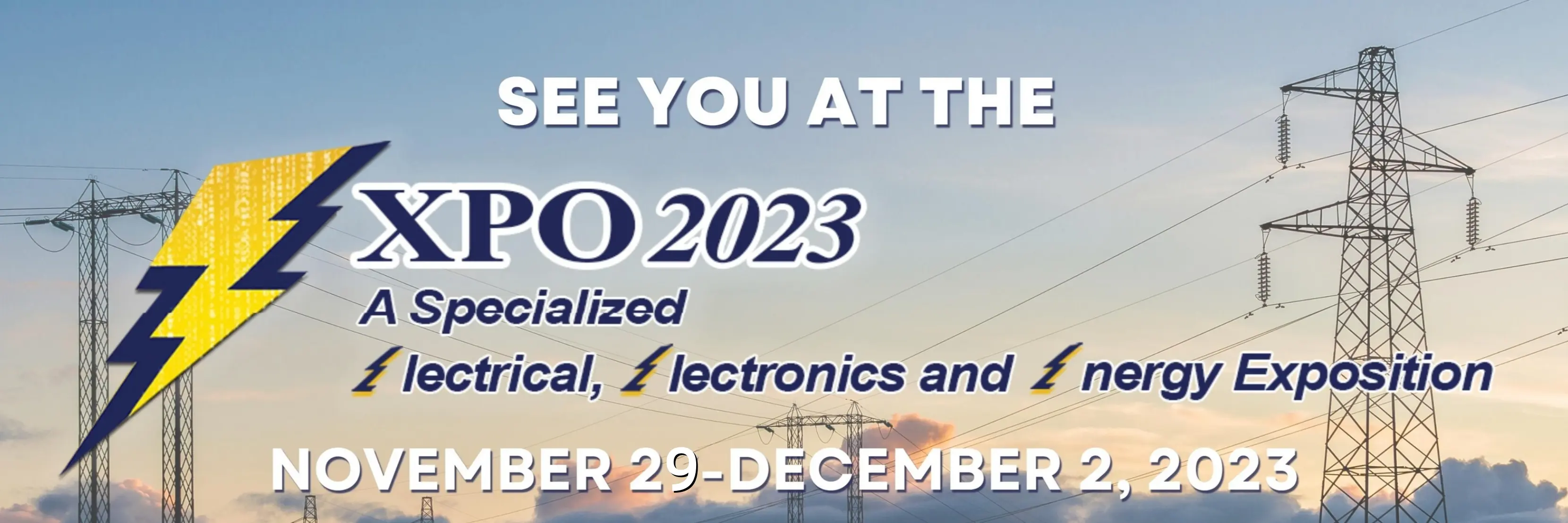
Highlighting ELEMRO Energy’s recent grid-resiliency solutions at the Southeast Asian clean energy exhibition.
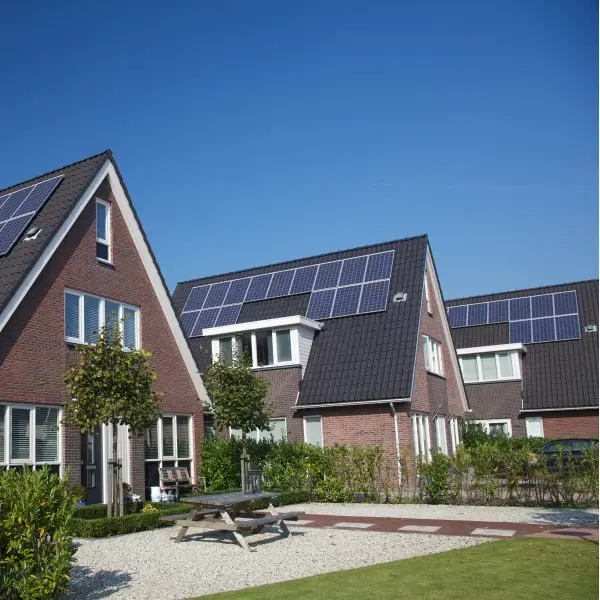
Optimizing electrical matching between solar panels, high-voltage battery storage, and hybrid charge controllers.
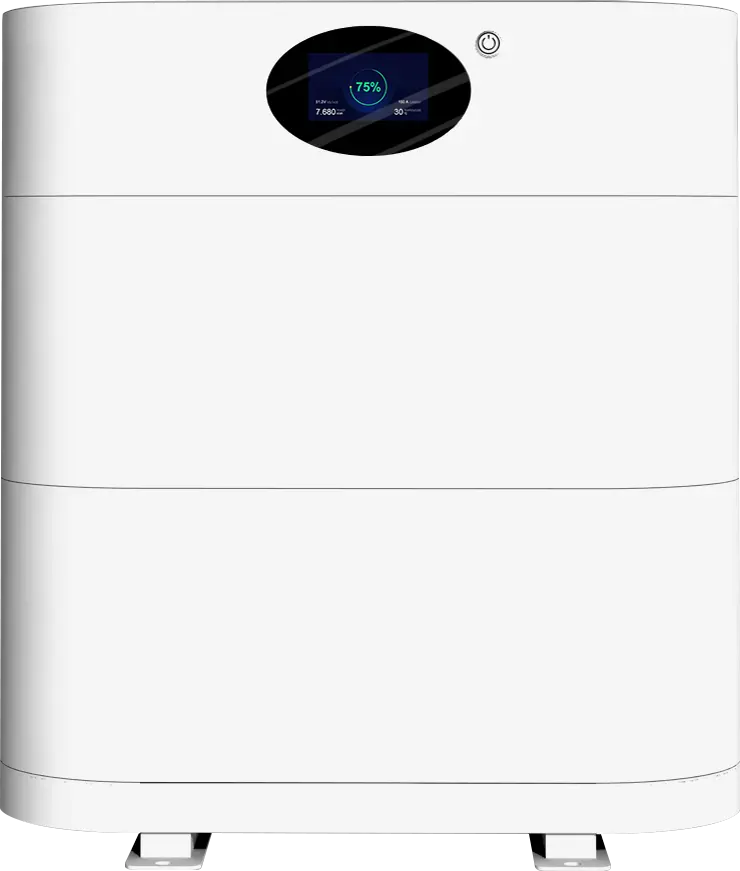
A technical review of modular configurations, wall-mount enclosures, thermal controls, and cycle safety.





 Elemro Energy