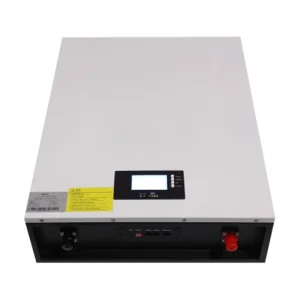
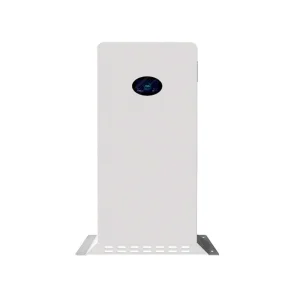
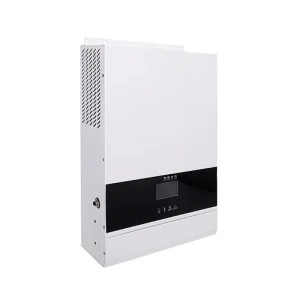
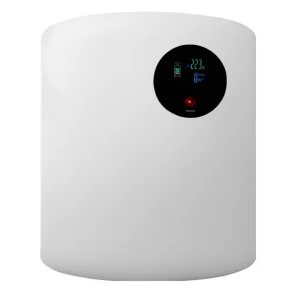
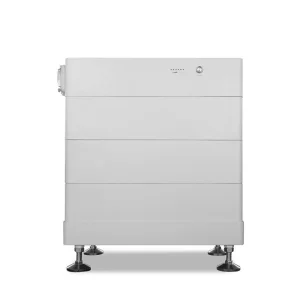
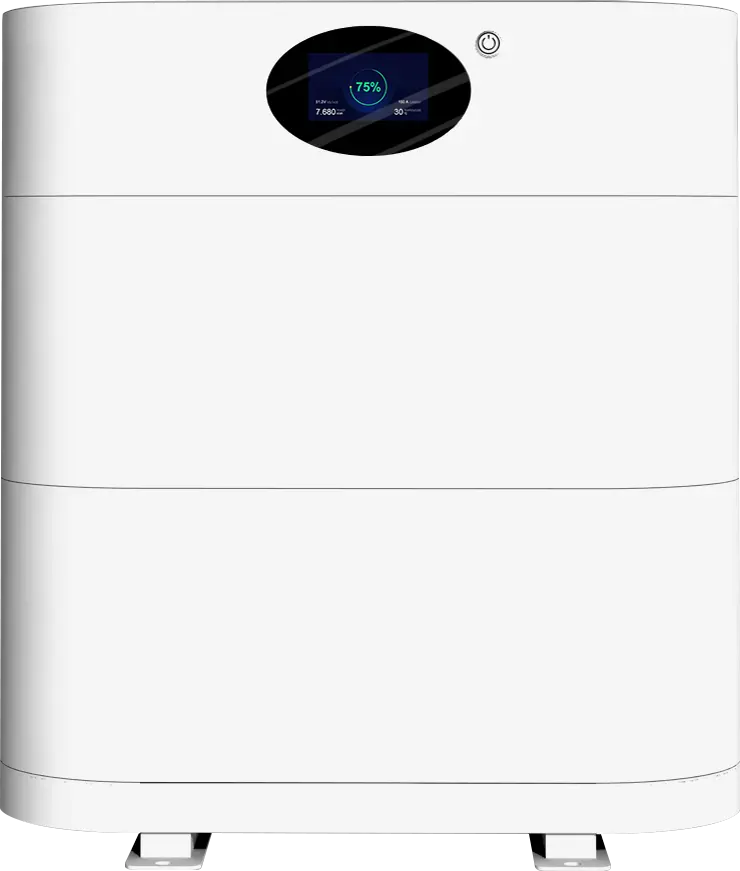
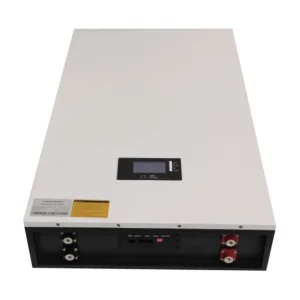
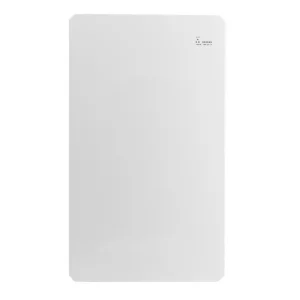
Explore Elemro Energy's premium selection of low-voltage, high-voltage, stackable, and wall-mounted energy storage architectures designed for robust performance.
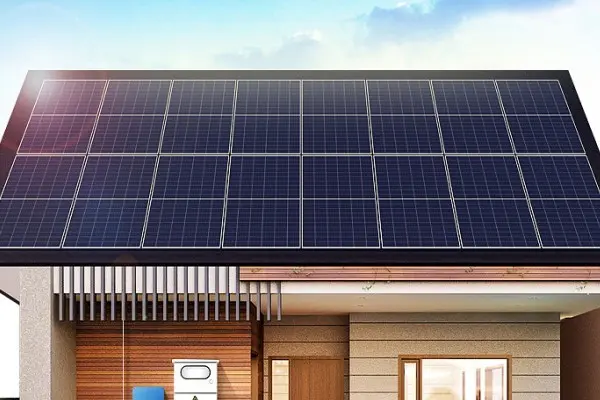
The global energy landscape is undergoing an unprecedented paradigm shift, pivoting away from centralized, fossil-fuel-dependent generation toward decentralized, localized, and intelligent clean energy ecosystems. At the heart of this transition is the integration of solar inverters with battery storage systems (BESS). As grids face heightened stress from climate volatility, aging infrastructure, and soaring peak-time electricity demands, the combination of photovoltaic (PV) generation and advanced lithium-ion storage has emerged as the premier mechanism for grid-firming, peak shaving, and energy arbitrage.
In Europe, geopolitical factors and skyrocketing electricity pricing structures have accelerated both residential and C&I (Commercial & Industrial) battery adoption. Regulatory initiatives, such as the REPowerEU plan, mandate the deployment of solar energy in commercial buildings, transforming passive energy consumers into active prosumers. In North America, the Inflation Reduction Act (IRA) has galvanized utility-scale and decentralized energy storage markets, offering significant investment tax credits (ITC) for standalone and solar-paired storage installations. Meanwhile, across high-growth regions in Southeast Asia, Africa, and the Middle East, weak transmission networks are driving the deployment of off-grid and hybrid microgrid systems, positioning integrated solar-plus-storage as the most viable alternative to diesel generators.
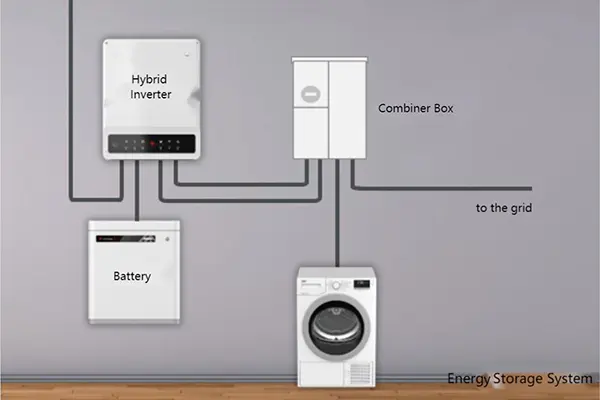
For manufacturers, this global shift represents a fundamental evolution in product engineering. Modern solar inverters are no longer simple direct current (DC) to alternating current (AC) converters; they are highly complex bidirectional energy hubs. These systems must concurrently manage PV input, grid connectivity, local load demands, and battery cycling, all while maintaining sub-millisecond response times to preserve power quality. The ability to source high-efficiency hybrid inverters paired with Tier-1 lithium chemistry (LiFePO4) storage has become the primary operational differentiator for EPC contractors and energy developers globally.
Addressing the complex technical requirements of modern distributed generation demands a vertically integrated hardware and software architecture. Elemro Energy provides end-to-end macro industry solutions designed to maximize the levelized cost of storage (LCOS) and solar energy utilization across multiple scale levels:
Engineered for global reliability, Elemro Energy delivers next-generation electrical and storage solutions.
Established in 2019 and headquartered in the modern industrial hub of Xiamen, China, Elemro Energy has emerged as a premium player in new energy storage and electrical product solutions. Integrating research and development, manufacturing, and global distribution under one unified banner, the company has successfully catered to more than 250 customers across Europe, Southeast Asia, Africa, the Middle East, and the Americas.
With an annual turnover projected to exceed $50 million USD, ELEMRO continues to expand its technological capabilities. The company is committed to lowering the barrier to clean energy deployment, ensuring that residential houses, public infrastructure, and heavy industries can transition smoothly toward a decarbonized future. Through rigorous material selection, premium engineering standards, and complete lifecycle compliance, ELEMRO stands as a highly trusted partner for renewable energy projects worldwide.
About Elemro Energy
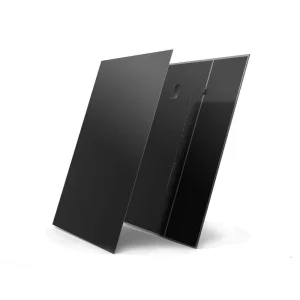
Cadmium Telluride (CdTe) thin-film integration for architectural glass.
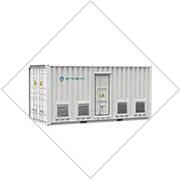
Megawatt-scale liquid/air cooled systems for utility grids.
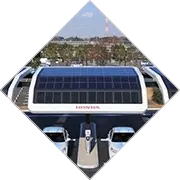
Integrated EV charging structures featuring high-efficiency micro-inverters.
The engineering topology of modern solar storage systems has branched into distinct tech pathways, each serving specific installation requirements. For system integrators, understanding these architectural variations is essential for ensuring long-term thermal management, safety, and cycle efficiency.
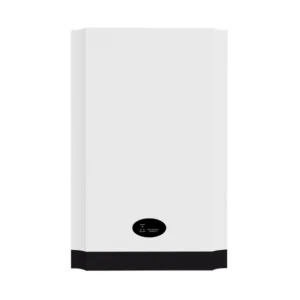
Low-voltage battery architectures (typically 48V nominal, such as the Elemro WHLV series) offer excellent safety profile and simplified installation, making them perfect for residential installations. Conversely, high-voltage systems (ranging from 150V to over 800V DC) reduce copper losses, boost round-trip efficiency, and allow for much faster transient response times in large-scale C&I applications.
Lithium Iron Phosphate has become the benchmark chemistry for stationary energy storage due to its exceptional thermal runaway limit, lack of cobalt, and extensive lifespan (exceeding 6,000 cycles at 80% Depth of Discharge). This ensures high reliability and a lower cost-per-kWh over the system's operational lifetime.
Modern hybrid inverters are equipped with AI-powered Energy Management Systems (EMS). These systems utilize local weather prediction, load tracking, and real-time utility tariff structures to execute peak-shaving, load-shifting, and optimized backup reservation strategies.
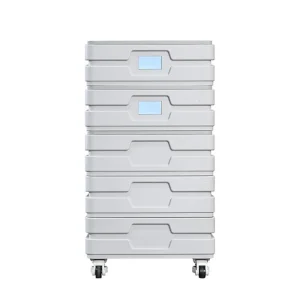
Looking to the future, the integration of solid-state storage systems, vehicle-to-grid (V2G) bidirectional communication, and high-frequency gallium nitride (GaN) power electronics will continue to shrink the footprint of hybrid inverters. Elemro's development pipeline actively prioritizes high-density stackable designs, minimizing cabinet space requirements while delivering up to 98.4% maximum solar conversion efficiency.
Developing an optimized energy setup requires assessing localized factors, climate, and grid characteristics:
Technical insights and industrial answers to common queries regarding solar inverters and battery storage integration.
In a DC-coupled system, solar PV generation charges the battery through a charge controller without any intermediate conversion. This offers maximum round-trip efficiency (94-96%) and is ideal for brand-new installations. AC-coupled systems convert the DC solar power to AC first, which is then converted back to DC by a battery inverter to charge the pack. This is generally preferred for retrofitting storage to existing solar PV arrays.
LiFePO4 offers superior safety. It has a high thermal runaway threshold (around 270°C compared to 150°C for NMC), does not release oxygen upon breakdown, and eliminates the risk of fire. Additionally, LFP batteries deliver more than 6,000 cycles at 80% depth of discharge, translating to an operational lifespan of 10-15 years, and do not contain conflict minerals like cobalt.
High-voltage systems (usually 150V to 500V+) operate at a lower current to deliver the same amount of power (Power = Voltage × Current). Reducing the current significantly cuts resistive line losses (which scale with the square of the current, I²R). It also allows for smaller copper wire gauges, simplifies thermal management within the inverter, and speeds up response times during heavy load surges.
Yes. Elemro's hybrid systems feature grid-forming capabilities. In off-grid mode, the inverter generates its own voltage and frequency reference curve, allowing it to seamlessly run independent power networks using solar arrays and storage batteries during grid outages or in remote locations.
Quality systems must adhere to strict international standards. Key certifications include IEC 62619 (safety standards for industrial lithium batteries), UL 1973 (safety for stationary batteries), UN38.3 (lithium battery transport safety), and CE declaration of conformity for European grid compliance. Elemro products undergo rigorous testing to secure these certifications.
CdTe thin-film solar cells have a lower temperature coefficient, meaning their performance degrades less under high ambient temperatures. They also perform significantly better under low-light and diffuse shading conditions, making them ideal for vertical building envelopes, glass facades, and architectural BIPV integration where orientation is not always mathematically optimized.
Keep up-to-date with technical breakthroughs, global event announcements, and deep architectural analysis from Elemro Energy.
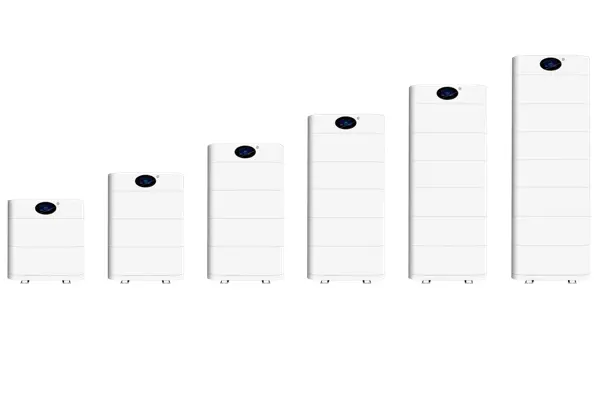
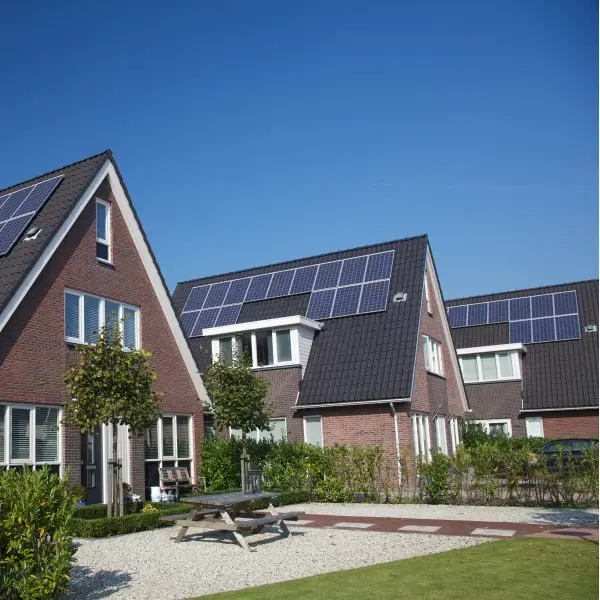
Explore additional high-capacity modular storage units, backup options, and BIPV-compatible cells from Elemro.





 Elemro Energy