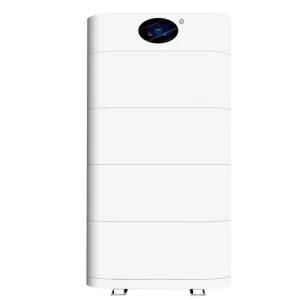
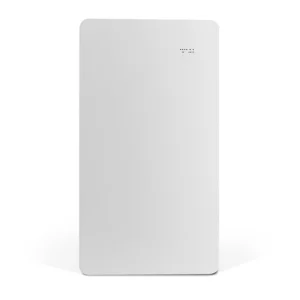
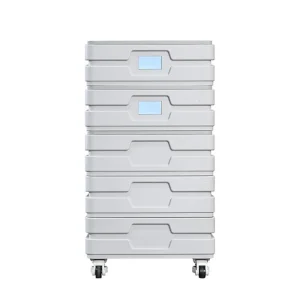
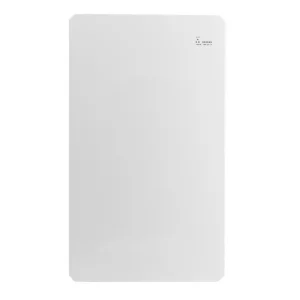
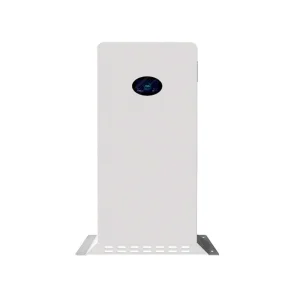
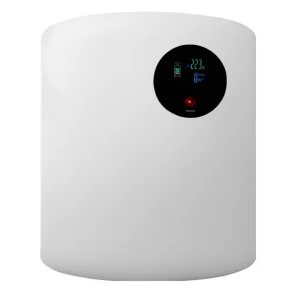
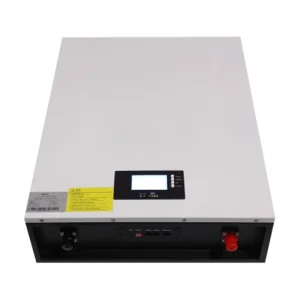
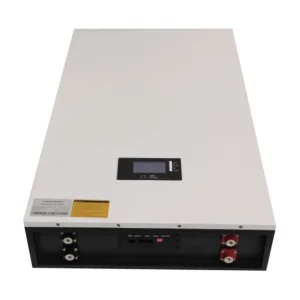
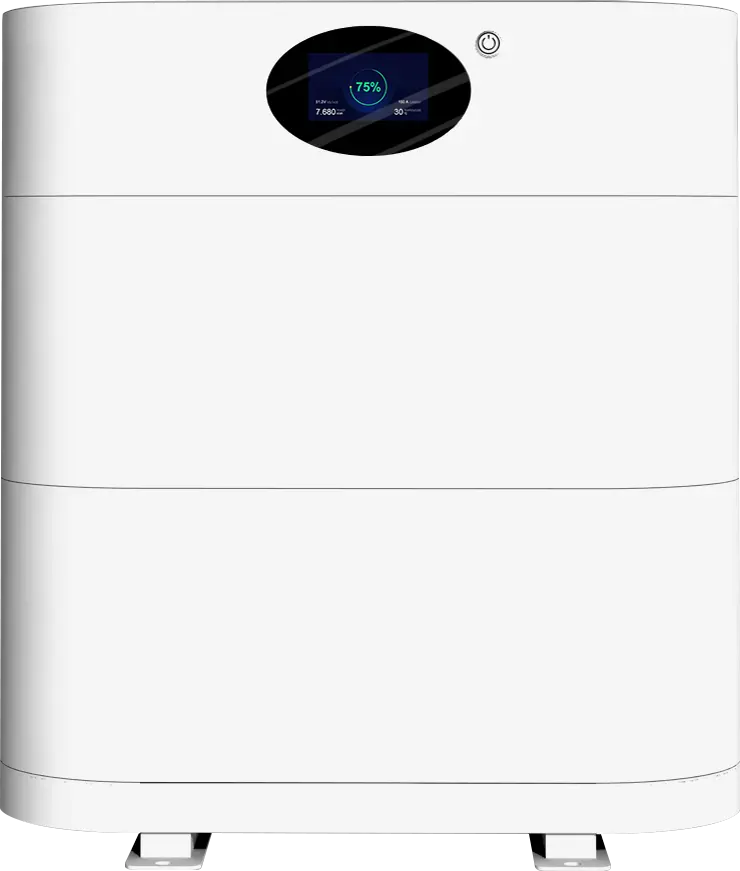
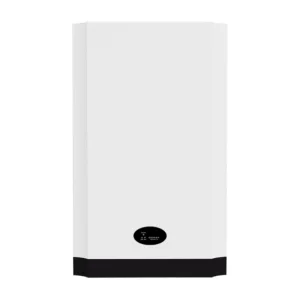
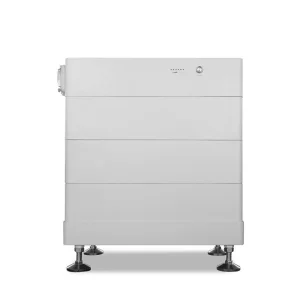
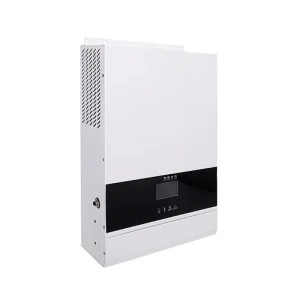
Explore our industrial-grade, high-voltage battery modules designed for optimal solar synergy and long-term cost efficiency.
A macroeconomic analysis of levelized storage cost, capital expenditure optimization, and supply-chain metrics.
LCOS represents the total lifetime cost of energy storage divided by the cumulative energy delivered. Our factory integrated cells target a cycle life exceeding 6000 cycles at 90% DoD, lowering LCOS to under $0.05 per kWh, positioning ELEMRO products as market leaders in global financial viability.
By leveraging advanced automated manufacturing lines in our factories, we reduce initial CAPEX for distributors and commercial buyers. Upfront battery module costs are highly optimized compared to European assembled packs, thanks to vertical integration of cell sourcing and localized battery management systems (BMS).
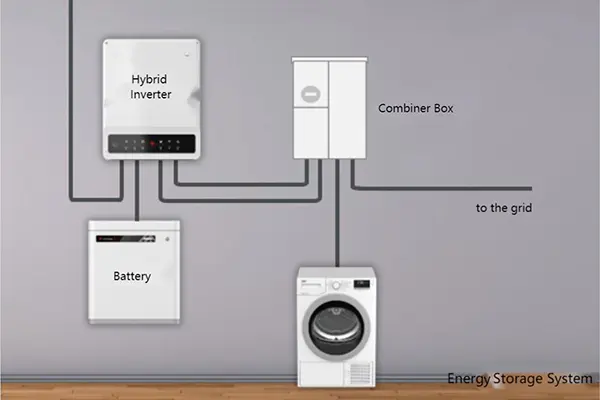
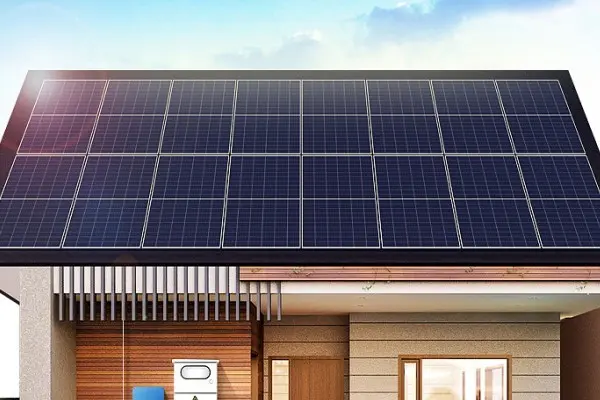
With smart EMS integration, home owners and commercial enterprises can store solar power during off-peak times and discharge it during peak grid pricing. This dynamic grid interaction shifts typical ROI horizons from 8-10 years down to 5-6 years depending on local utility tariffs.
A technical and commercial data breakdown comparing various battery chemistries, configurations, and overall cost factors.
| Parameter / System Type | Elemro WHLV Low-Voltage (48V) | Elemro Stackable High-Voltage | Elemro SHELL System | Industrial Storage Container |
|---|---|---|---|---|
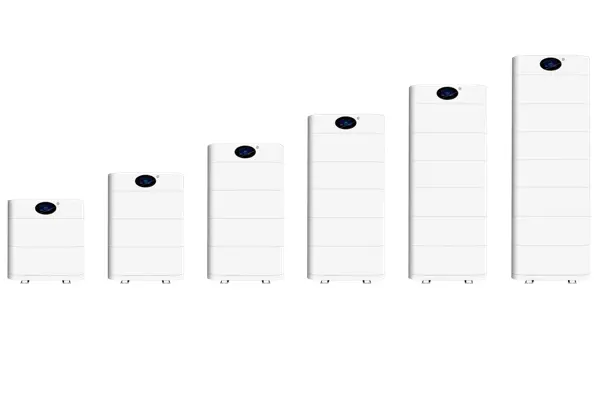
| Nominal Capacity Range | 5kWh - 10kWh | 10.2kWh - 20.4kWh | 14.3kWh | 100kWh - 1.2MWh+ | Cell Chemistry | LiFePO4 (LFP) | LiFePO4 (LFP) | LiFePO4 (LFP) | LiFePO4 (LFP) |
| BMS Integration | Built-in smart low-voltage BMS | Multi-tier master/slave BMS | High-current dual channel BMS | Liquid-cooling HVAC & Megawatt EMS |
| Cycle Life (80% EOL) | ≥ 6,000 cycles | ≥ 6,000 cycles | ≥ 6,000 cycles | ≥ 8,000 cycles |
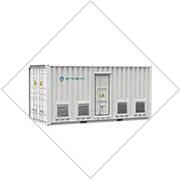
| Optimal Cost Application | Residential retrofit, budget energy storage | High-power modern villas, smart microgrids | Emergency backup, robust solar expansion | C&I peak shaving, remote grids |
Established in 2019, headquartered in Xiamen, China, Elemro Energy has been specialized in new energy storage and electrical product solutions with rich experience. It is the market leader in the new energy industry that unifies R&D, production, and sales. The products have been sold to more than 250 customers in Europe, Southeast Asia, Africa, Mid-east, America, etc. Since its establishment, ELEMRO's revenue has been growing rapidly every year. ELEMRO's annual turnover is expected to exceed 50 millions USD in year 2023.
Our goal is to build highly reliable, scalable, and cost-effective energy solutions for both residential and commercial sectors. With our state-of-the-art battery laboratory and manufacturing lines, we ensure that every lithium iron phosphate module meets stringent global quality parameters before shipment.
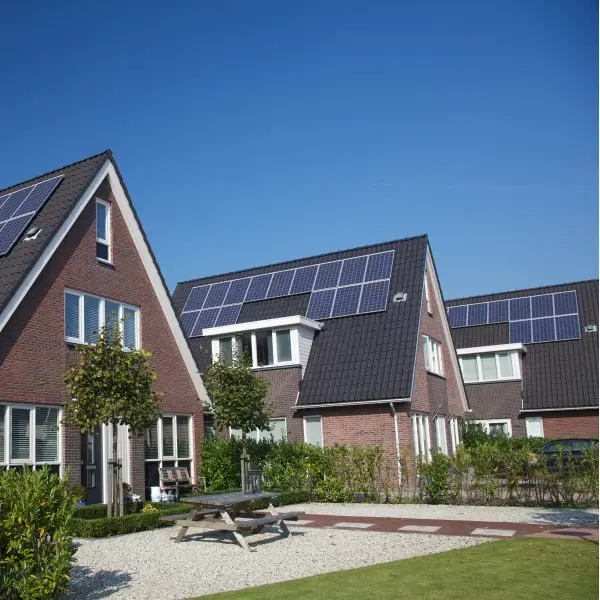
Delivering clean energy to projects in Europe, US, Asia and South America.
Strong financial backing ensures product warranties are maintained long-term.
We provide cleaner energy for a greener world. Discover our flagship categories.
Analyzing key battery storage markets: Europe, North America, Southeast Asia, and Africa.
Rising residential utility rates in Europe drive immediate solar house battery demand. Here, cost amortization is fastest, with high incentives and Feed-in Tariffs promoting smart self-consumption systems.
Safety regulations (UL 9540) shape system design and compliance costs. Large-scale residential installations with grid backup solutions dominate the coastal markets, requiring highly certified, fire-resistant modular systems.
Decentralized grids and frequent power outages make remote microgrids essential. Cost efficiency and environmental durability are key criteria, where robust LiFePO4 cells with high temperature thresholds perform best.
Security and standard validation are key metrics for evaluating true solar battery life cycle costs. Our products meet or exceed the most demanding national and international code requirements.
The integrated smart Battery Management System controls cell balance, overvoltage, overcurrent, and thermal states. It ensures maximum discharge efficiency and shields components from premature degradation.
Where is the cost of solar energy storage going? Insights into the future of manufacturing and cell composition.
As cobalt and lithium prices show market volatility, Sodium-ion batteries are emerging for low-temperature industrial applications, offering high stability at a slightly reduced density and up to 30% lower costs.
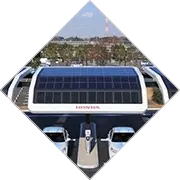
Future residential configurations will naturally bridge EV chargers and house storage. This dynamic configuration enables the electric vehicle to serve as a secondary battery unit during emergency outages.
Cloud-based battery optimization uses machine learning to forecast household load profiles and local weather grids, tuning the charge-discharge cycles to maximize lifespan up to 15%.
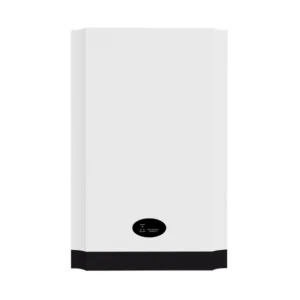
High performance solar batteries matching any residential or light commercial installation specification.
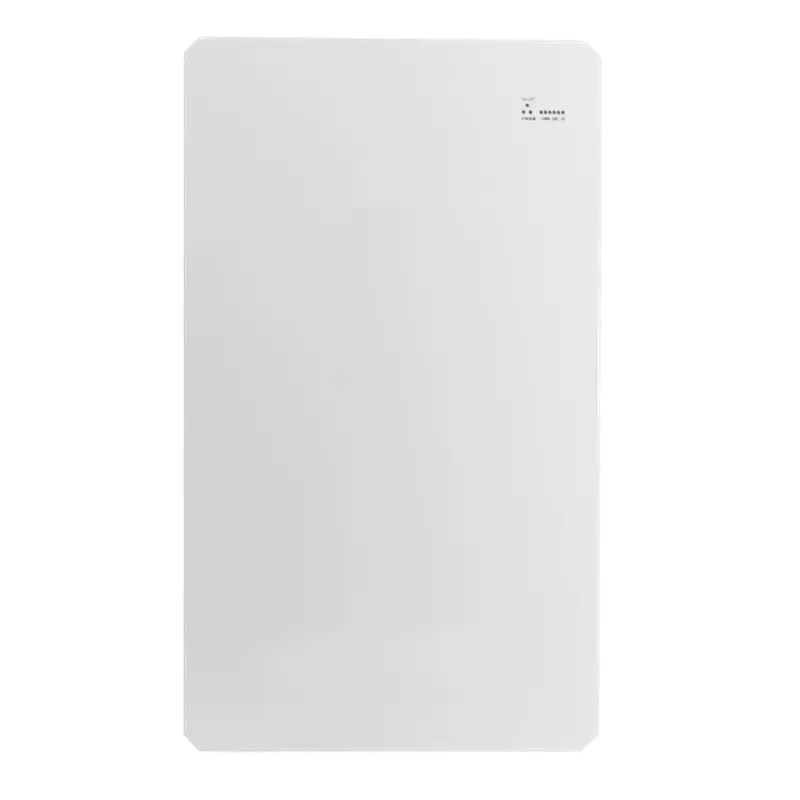
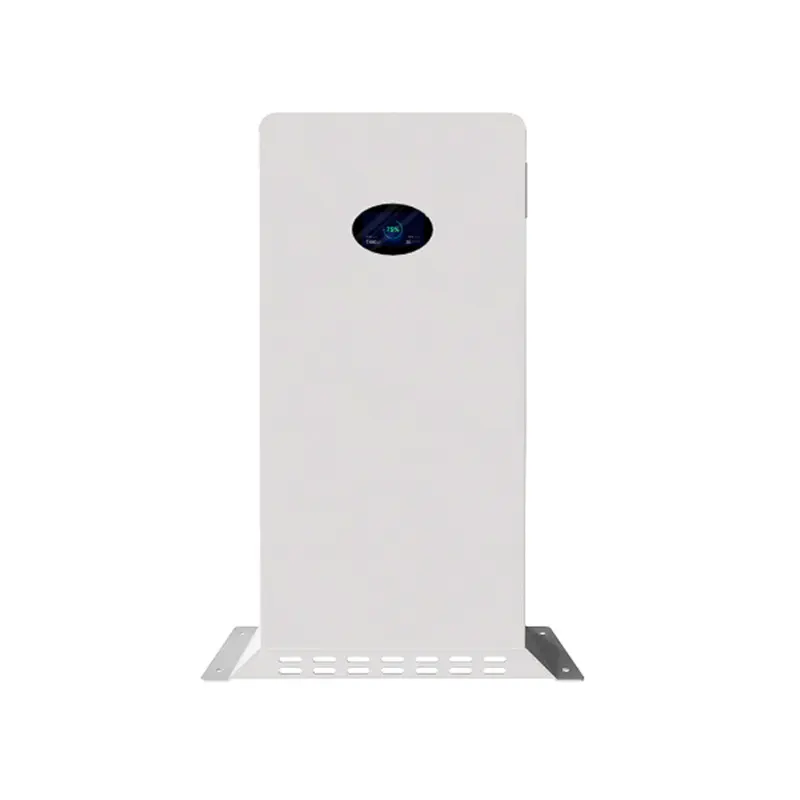
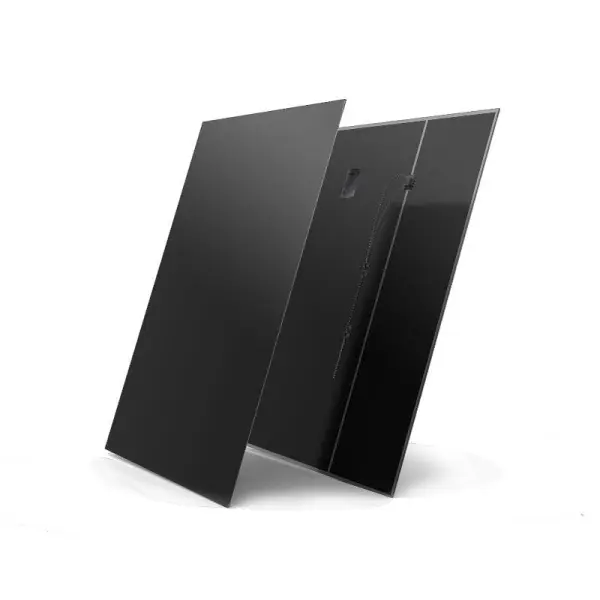
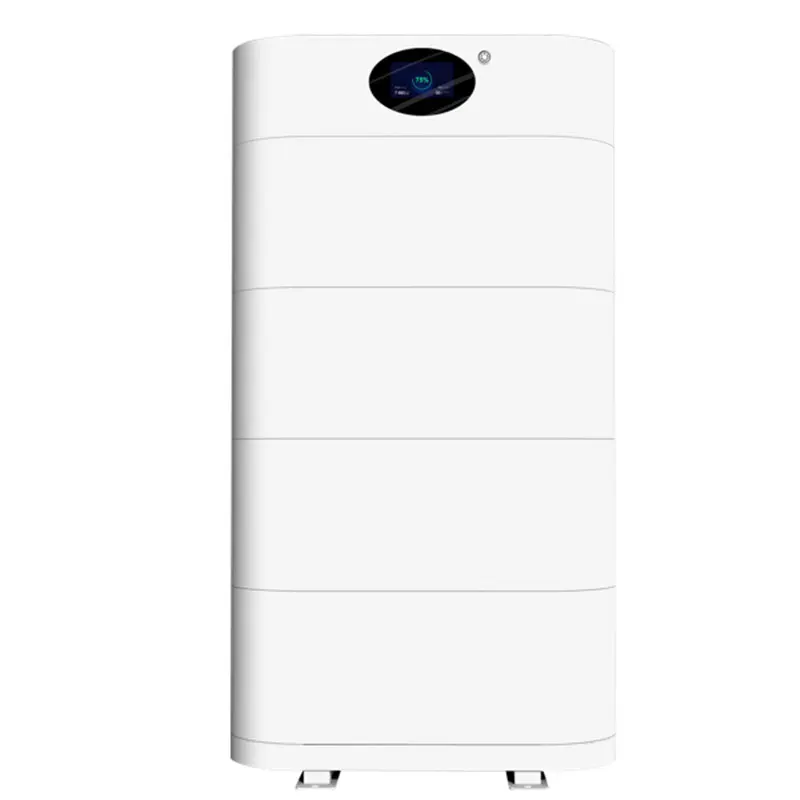
Contact our global sales and technical consultants to receive detailed product data sheets, bulk pricing, and integration guides. We guarantee a response within 24 hours.
Learn more about global developments, technologies, and guides from our expert engineers.
Addressing the major structural and chemical inquiries of energy storage engineers and global sales partners.
Enabling reliable component integrations and robust clean energy lifecycles.




Premium grade residential and C&I energy storage systems, direct from our production facility.
 Elemro Energy