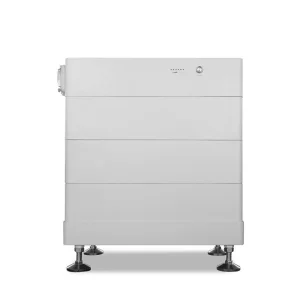
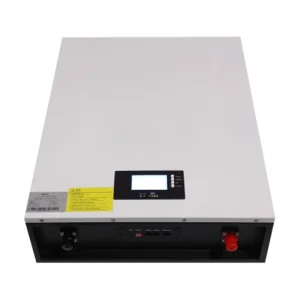
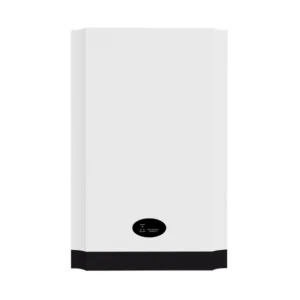
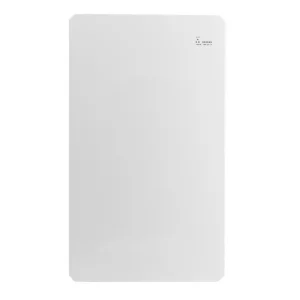
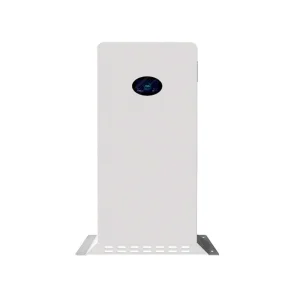
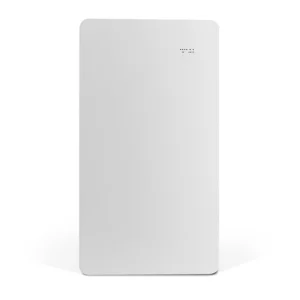
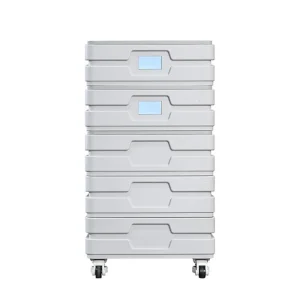
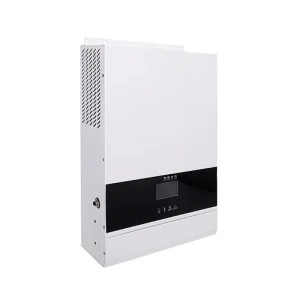
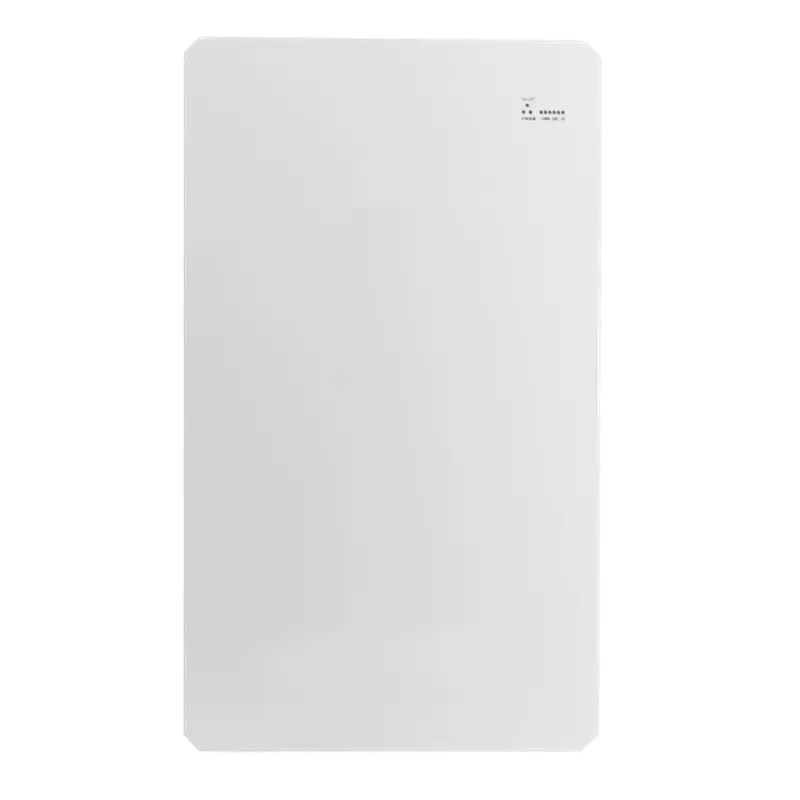
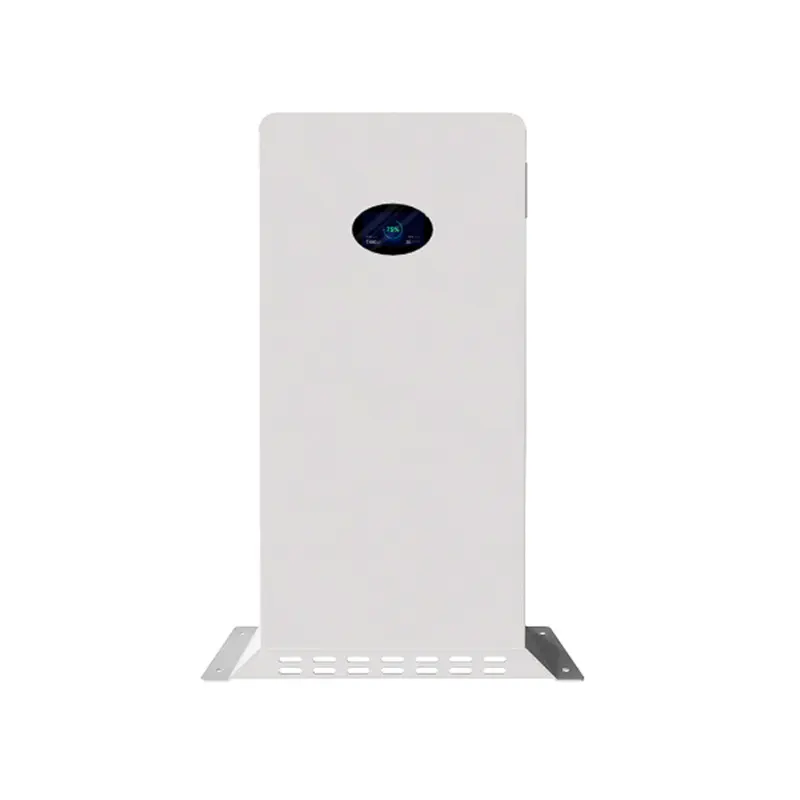
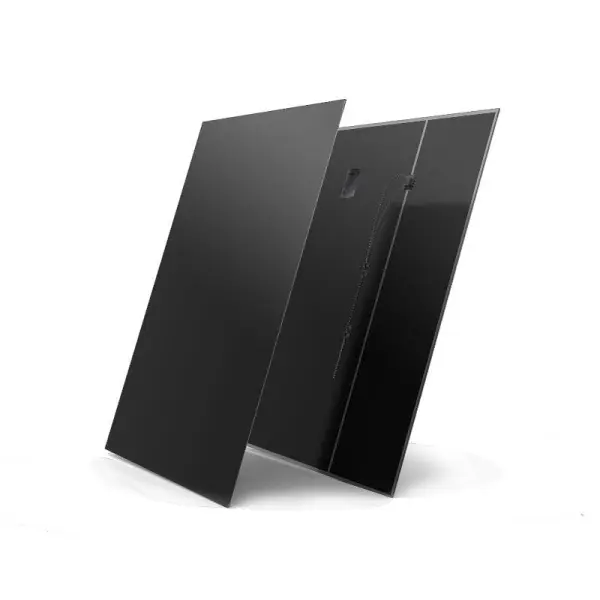
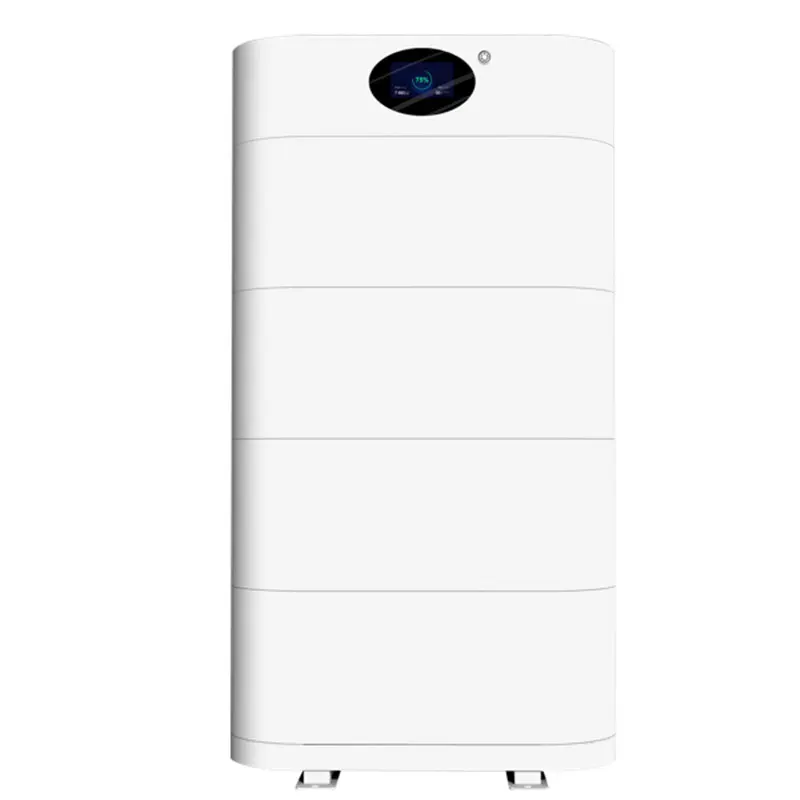
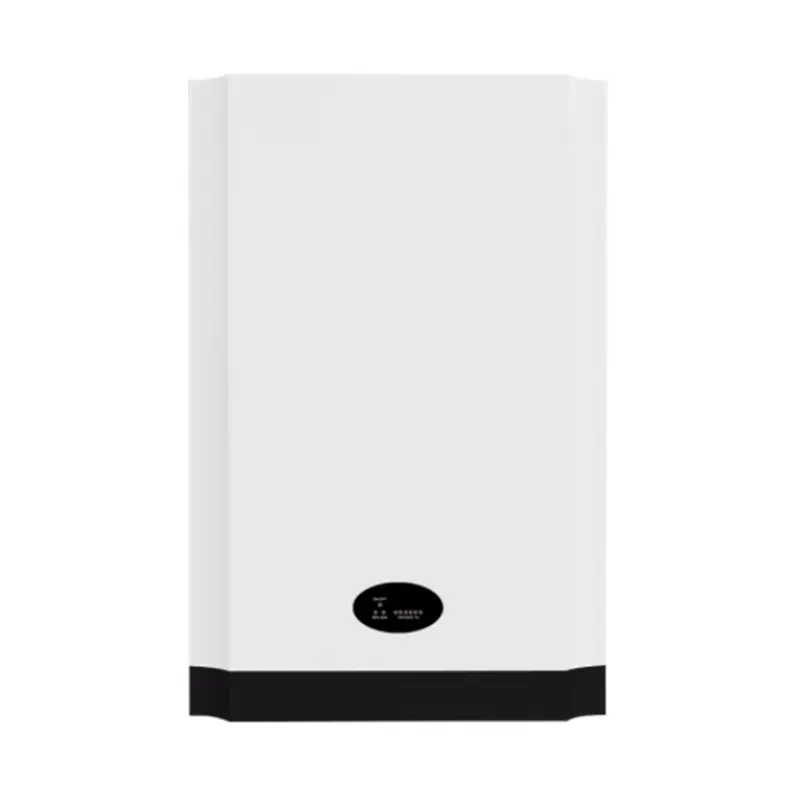
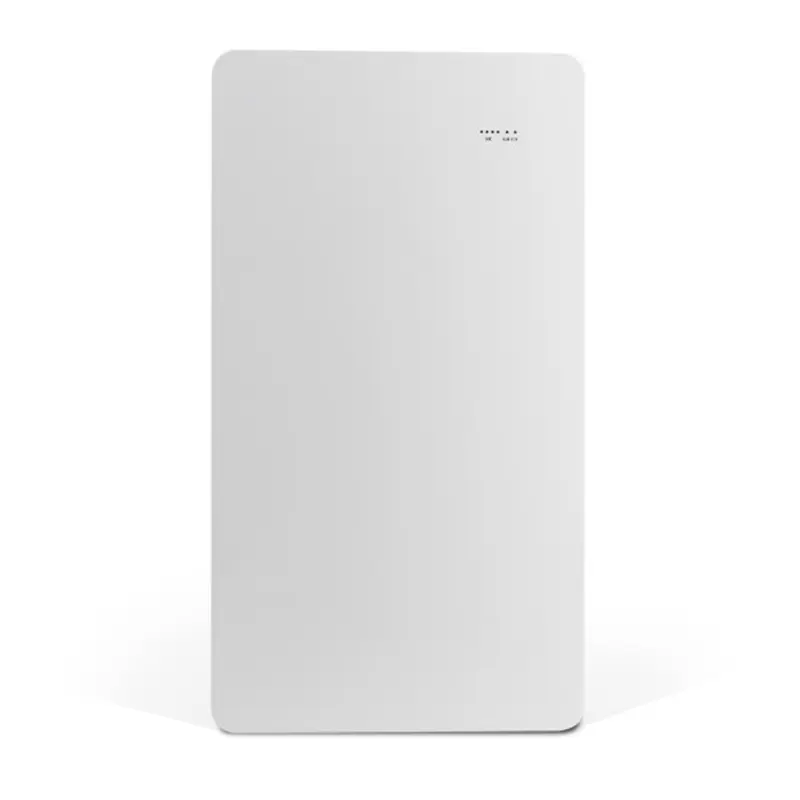
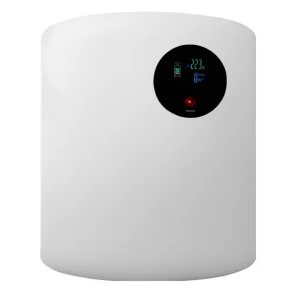
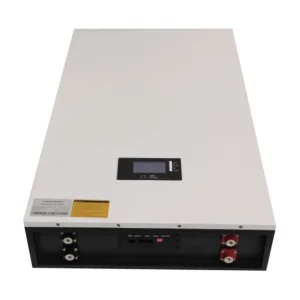
Explore our top-tier solar battery backups and energy storage systems engineered for residential, commercial, and industrial applications.
Established in 2019 and headquartered in the high-tech hub of Xiamen, China, Elemro Energy has rapidly emerged as a market leader in the new energy industry. We unify cutting-edge Research & Development (R&D), state-of-the-art production lines, and global sales networks to deliver premium energy storage and electrical product solutions.
Our commitment to cleaner energy solutions has enabled us to serve over 250 enterprise clients across Europe, Southeast Asia, Africa, the Middle East, and the Americas. Driven by innovation and manufacturing excellence, ELEMRO's annual turnover is projected to exceed 50 million USD, reflecting our position as a trusted partner in the global energy transition.

Global B2B Clients
The global transition toward decentralized renewable energy systems has positioned energy storage as the cornerstone of grid stability and corporate energy independence. For procurement directors, EPC contractors, and system integrators, understanding the nuances of solar battery backup cost and selecting the right solar battery manufacturer is not merely a purchasing decision—it is a long-term risk management strategy.
When evaluating the cost of solar battery backups, it is essential to look beyond the initial Capital Expenditure (CAPEX) and analyze the Levelized Cost of Storage (LCOS). The total cost of ownership is dictated by several critical variables:
| System Type | Typical Capacity Range | Voltage Level | Target Application | Key Cost Drivers |
|---|---|---|---|---|
| Low Voltage Wall-Mounted | 5kWh - 15kWh | 48V / 51.2V | Residential Backup | Cell cost, casing design, local certifications |
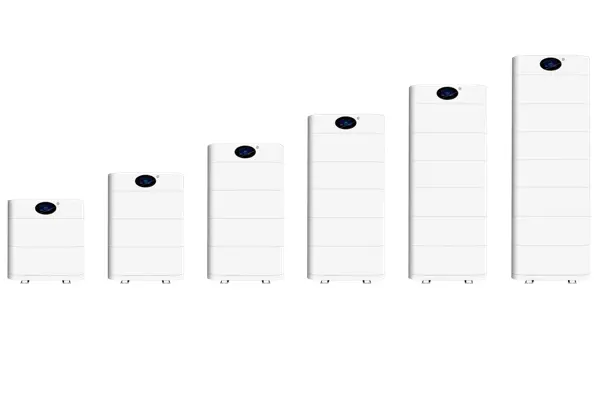
| High Voltage Stacked | 10kWh - 40kWh | 200V - 400V+ | Large Residential / Light Commercial | BMS complexity, high-voltage switchgear |
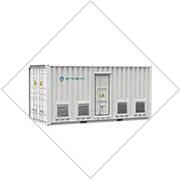
| Commercial Storage Container | 100kWh - 2MWh+ | High Voltage DC | Industrial Peak Shaving, Microgrids | HVAC systems, fire suppression, grid-tie inverters |
China represents over 75% of the global lithium-ion battery manufacturing capacity. Partnering with a manufacturer like Elemro Energy, based in the industrial hub of Xiamen, provides distinct strategic advantages:
For enterprise-level buyers, quality control is paramount. A reputable manufacturer must provide comprehensive documentation and adhere to strict quality assurance protocols:
Deploying energy storage systems globally requires compliance with regional electrical codes and safety standards. Elemro Energy designs and manufactures products to meet the most stringent international requirements:
Understanding the specific operational environment is key to optimizing system design and cost:
The energy storage landscape is evolving rapidly. Key trends that will shape the future of solar battery backups include:
Get authoritative answers to the most common questions regarding solar battery backup costs, manufacturing standards, and system integration.
High-quality LiFePO4 (Lithium Iron Phosphate) batteries manufactured by Elemro Energy typically offer a lifespan of 6,000 cycles at 80% Depth of Discharge (DoD). In standard daily cycling conditions, this translates to approximately 10 to 15 years of reliable service before the battery capacity degrades to 80% of its original rating.
High-voltage (HV) stacked systems (typically 200V-400V+) connect battery cells in series to increase voltage, which reduces current flow for the same power output. This results in thinner cabling, lower transmission losses, and higher round-trip efficiency. Low-voltage (LV) systems (48V) are simpler and safer for DIY installations but require thicker cables and exhibit slightly higher losses when scaled to larger capacities.
For North America, key certifications include UL 1973 (for stationary battery packs) and UL 9540 (for the complete energy storage system), along with UL 9540A fire testing. For Europe, CE marking, IEC 62619 (safety requirements), and IEC 63056 are essential. Additionally, UN 38.3 certification is globally required for the safe transport of all lithium batteries.
By leveraging China's highly integrated supply chain in Xiamen and establishing direct partnerships with Tier-1 cell manufacturers, we minimize raw material procurement costs. Our automated assembly lines reduce labor costs and manufacturing defects, allowing us to offer highly competitive pricing while maintaining premium quality standards.
Yes, our battery systems are engineered with open communication protocols (CAN, RS485, Modbus) and are fully compatible with major global hybrid inverter brands, including Victron, Growatt, Deye, SMA, and GoodWe. We provide custom BMS firmware configuration to ensure seamless plug-and-play integration.
Start a green and convenient life with Elemro Energy's high-performance products.
Stay updated with the latest trends, technical interpretations, and corporate events from Elemro Energy.
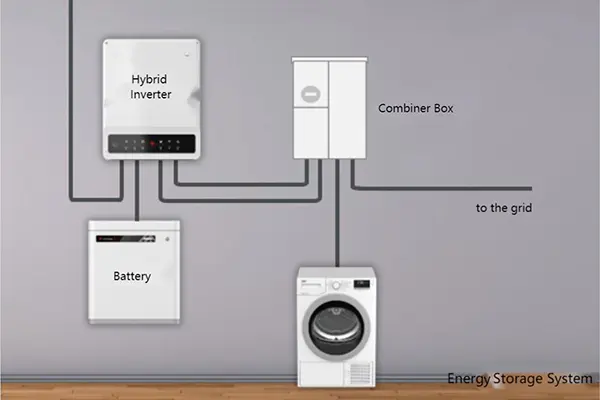
An analytical breakdown of hybrid inverter topologies and grid-coupling methods...
Comparing LFP, NMC, and LTO chemistries for stationary energy storage applications...
Exploring peak shaving, load shifting, and backup power configurations for C&I clients...
Elemro Energy showcases its latest residential and commercial ESS solutions in Southeast Asia...
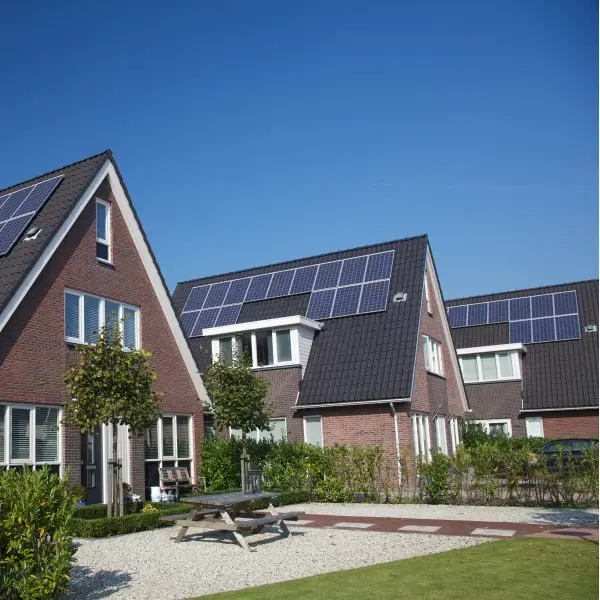
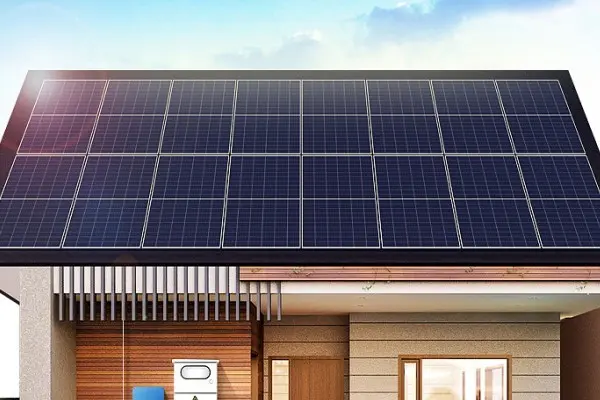
Analyzing the integration of PV modules with battery storage for optimized self-consumption...
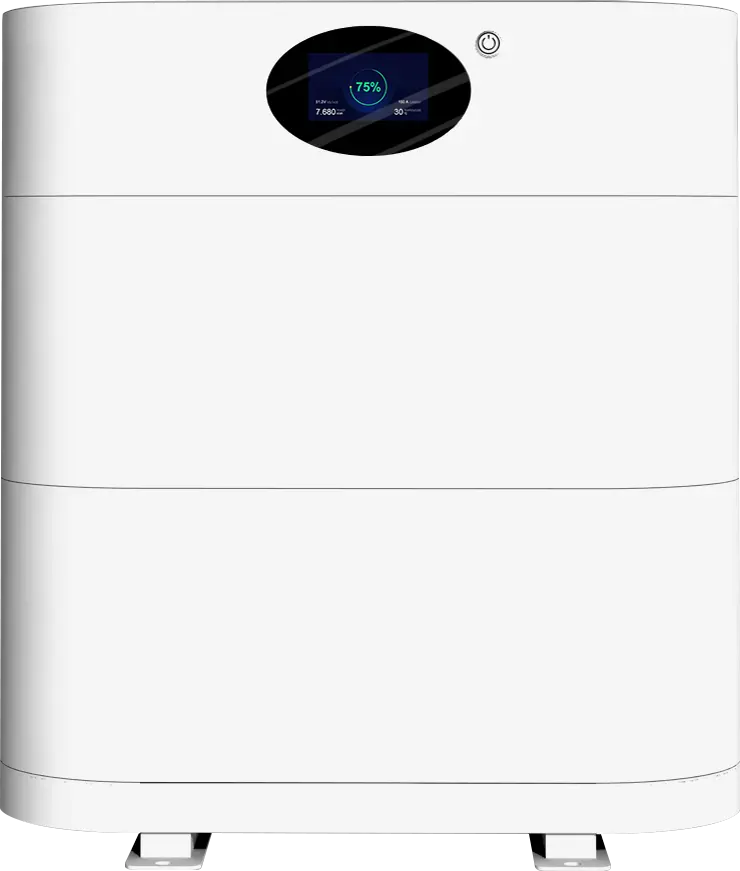
A deep dive into cycle life, C-rates, and BMS safety features of modern home batteries...




High-quality manufacturing, robust safety features, and optimized cost structures for global distribution.
For inquiries about our products or pricelist, please leave your email to us and we will be in touch within 24 hours.
 Elemro Energy