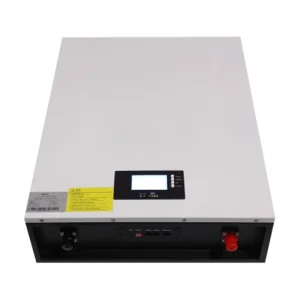
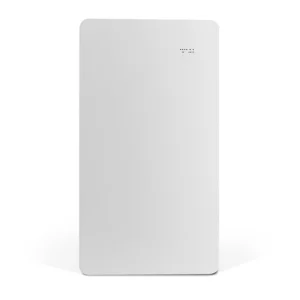
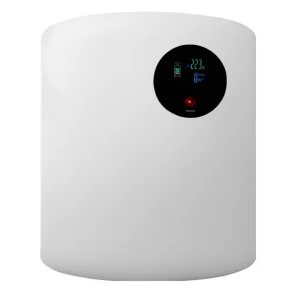
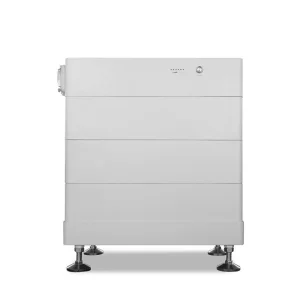
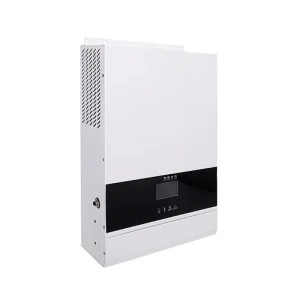
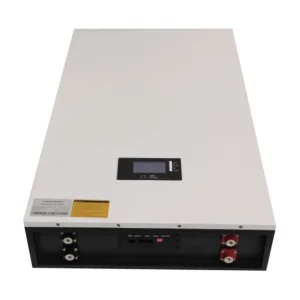
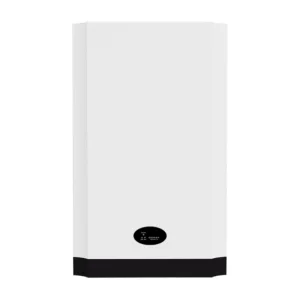
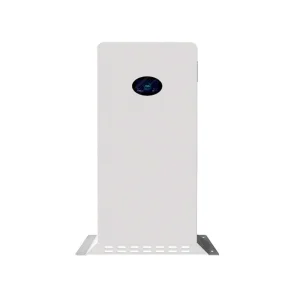
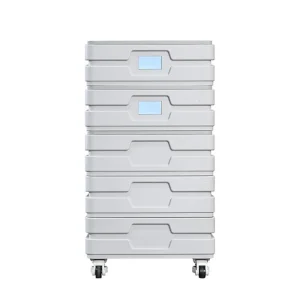
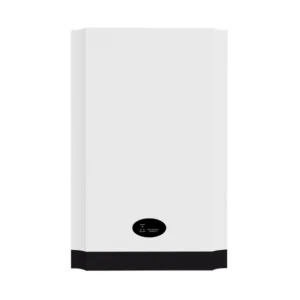
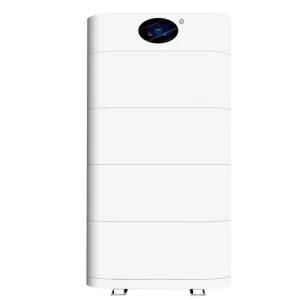
Energy systems worldwide are undergoing a paradigm shift. Due to increasing grid instability, extreme weather events, and changing market dynamics, commercial, industrial, and residential sectors are adopting localized Solar Backup Systems. These systems are no longer just backup power tools; they are the core of decentralized modern microgrids.
Modern battery chemistry, particularly Lithium Iron Phosphate (LiFePO4), has replaced traditional lead-acid configurations. LiFePO4 batteries offer a longer lifecycle (over 6,000 cycles at 80% DOD), high thermal stability, and low maintenance requirements. This makes them highly suitable for critical backup applications.
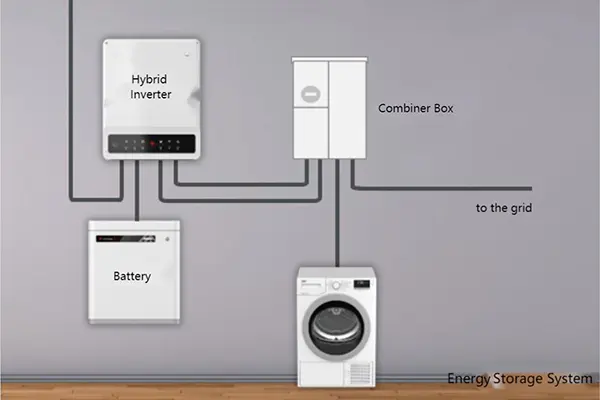
With smart energy management systems (EMS) and hybrid inverters, modern systems can intelligently shift loads, feed energy back into the grid, and optimize solar consumption in real time.
China's energy storage supply chain accounts for over 75% of global lithium battery manufacturing capacity. Sourcing directly from an established factory like Elemro Energy provides partners with significant structural advantages:

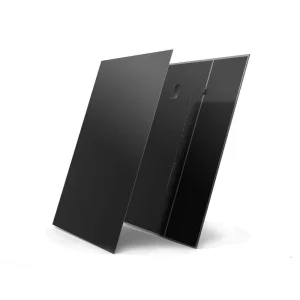
Building Integrated Photovoltaics (BIPV) solutions that turn standard building facades and windows into clean power generation sources. These systems feature customized transparency and high thermal insulation.
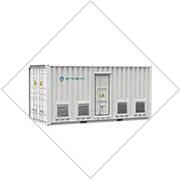
Pre-engineered, containerized MW-level energy storage systems designed for utility-scale deployment, industrial peak shaving, and backup power configurations. Features include HVAC-controlled enclosures and automatic aerosol fire suppression.
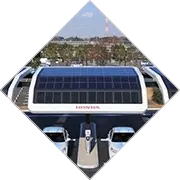
Integrated structural structures designed to protect parked vehicles while generating clean electricity. The system combines high-efficiency PV modules with localized storage batteries and EV fast chargers.
Established in 2019 and headquartered in Xiamen, China, Elemro Energy specializes in advanced energy storage systems and electrical product solutions. We operate as a full-service new energy enterprise, combining R&D, manufacturing, quality assurance, and global sales channels under one system.
Our products serve over 250 enterprise clients across Europe, Southeast Asia, Africa, the Middle East, and the Americas. Elemro's revenue has grown consistently, with annual turnover exceeding USD 50 million in 2023.
We work closely with global EPC contractors, B2B distributors, and microgrid integrators. We supply them with modular, scalable energy solutions that comply with international safety regulations like UL 9540A, CE, UN38.3, and IEC 62619.
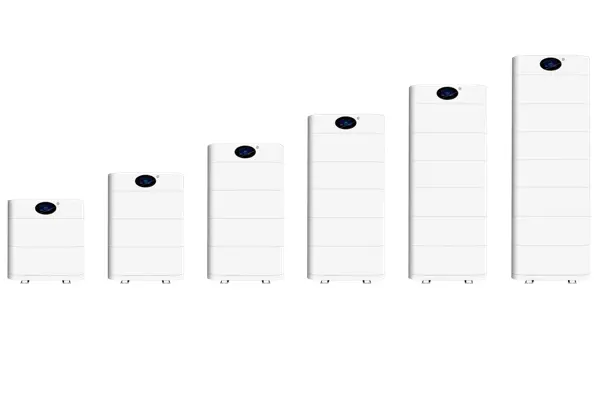
Lithium Iron Phosphate (LiFePO4) is preferred for stationary energy storage systems because of its safety and long cycle life. Unlike Nickel Manganese Cobalt (NMC) cells, LiFePO4 cells have a higher thermal runaway threshold (around 270°C compared to NMC's 210°C) and do not release oxygen when breaking down, which prevents fires. They also support over 6,000 charge cycles at 80% Depth of Discharge (DOD), which lowers the long-term Levelized Cost of Storage (LCOS).
Low-voltage configurations (typically 48V nominal) require placing battery packs in parallel. This is suitable for residential systems under 20kWh, but higher capacities lead to high electrical currents (Amps), which require thick cables and cause higher line transmission losses. In contrast, high-voltage systems (usually over 200V-400V) connect battery modules in series. This reduces current draw, lowers thermal output, increases overall system efficiency, and simplifies compatibility with large hybrid 3-phase inverters.
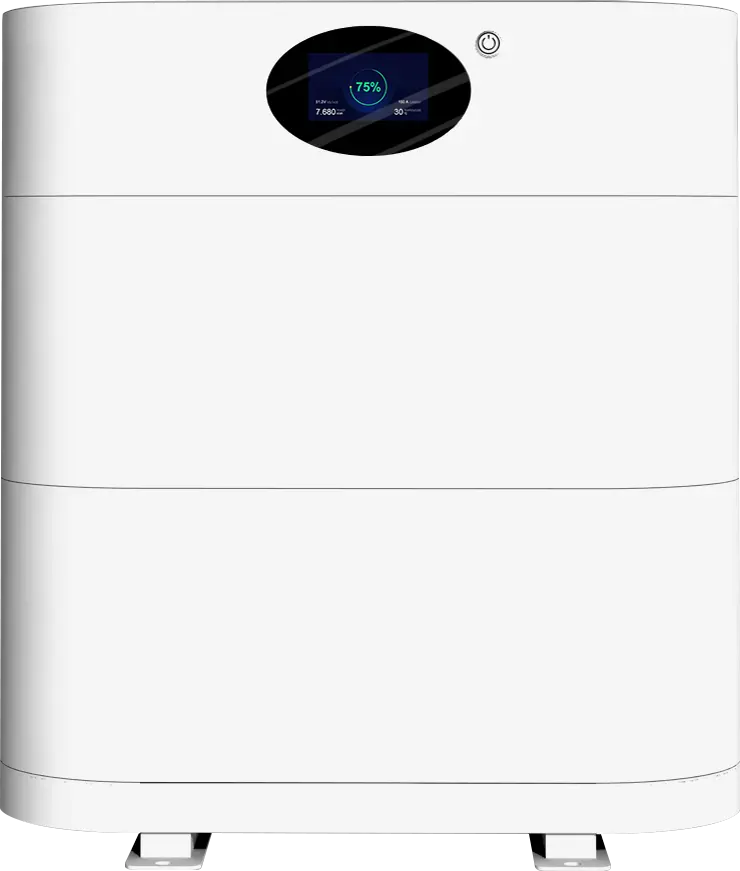
Every Elemro ESS battery pack features a smart Battery Management System (BMS). This BMS provides active and passive balancing, maintaining consistent voltage across all prismatic cells to prevent single-cell overcharging or overdischarging. The BMS also monitors temperature sensors, short-circuit risks, and overcurrent conditions, and communicates with hybrid inverters via CAN and RS485 interfaces.
Cadmium Telluride (CdTe) thin film solar cells are integrated directly into structural components like curtain walls, canopies, and window panes. Unlike crystalline silicon panels, CdTe thin film is highly efficient in low-light, shaded, and high-temperature environments. It can also be produced with varying levels of transparency, allowing buildings to generate solar power without compromising aesthetic appeal or natural light entry.
For international trade and compliance, systems must have UN38.3 certification for transport safety. For overall electrical safety, look for IEC 62619 (stationary applications) and CE certifications. For North American markets, UL 1973 (for battery packs) and UL 9540A (thermal runaway propagation test) are critical to meeting local fire regulations and securing building permits.
Lithium-ion batteries operate best between 15°C and 35°C. At sub-zero temperatures, charging speed is reduced to prevent lithium plating on the anode, which can damage the cells. High temperatures (above 50°C) accelerate cell degradation. Elemro's outdoor systems and containerized solutions feature active thermal management, using HVAC systems or liquid cooling to maintain optimal internal temperatures in extreme climates.
Yes, Elemro systems are designed to be compatible with most global hybrid inverters, such as SMA, Growatt, Deye, Victron, and GoodWe. The BMS protocols can be configured to match the communication requirements of your existing system, allowing for seamless retrofit installations in older solar setups.
Typically, standard battery modules require 25 to 35 days for factory testing, capacity grading, packaging, and export processing. All items are packed in UN-certified dangerous goods containers and shipped by sea or air. This ensures safe delivery and compliance with international maritime shipping standards.





Submit your query today, and our technical engineering team will contact you within 24 hours with product specifications, pricing, and system layout guidance.
 Elemro Energy