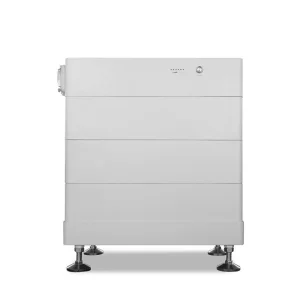
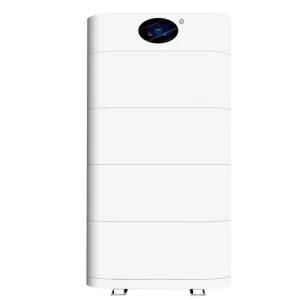
Explore our industrial-grade, certified LiFePo4 battery packs and advanced storage system architectures designed for long-cycle resilience.
Established in 2019 and headquartered in the high-tech hub of Xiamen, China, ELEMRO Energy specializes in advanced battery energy storage systems (BESS) and complete smart electrical solutions.
As an industry-certified manufacturer integrating R&D, mass production, and global supply chain logistics, ELEMRO Energy delivers high-voltage stackable energy storage, modular container solutions, and advanced thin-film PV interfaces. Currently supporting over 250 enterprise clients across Europe, Southeast Asia, Africa, the Middle East, and the Americas, our continuous engineering advancements have driven exceptional market traction. ELEMRO's annual turnover is on track to surpass $50 million USD, securing our position as a reliable, long-term partner in the global energy transition.

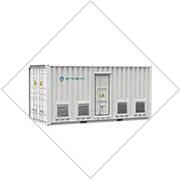
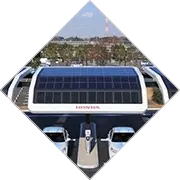
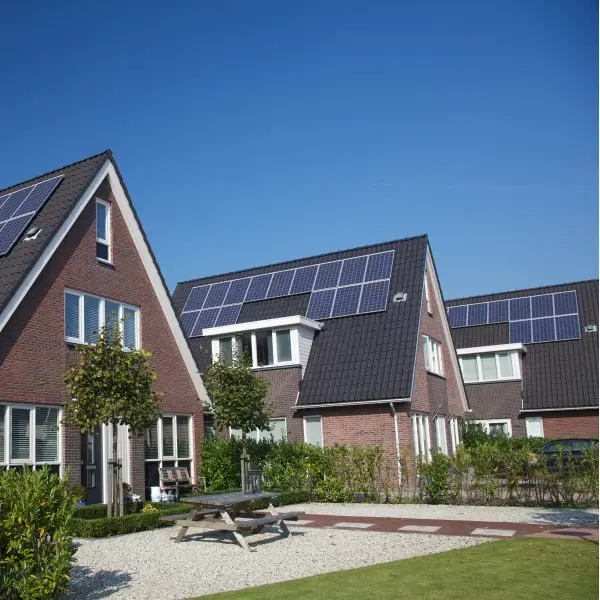
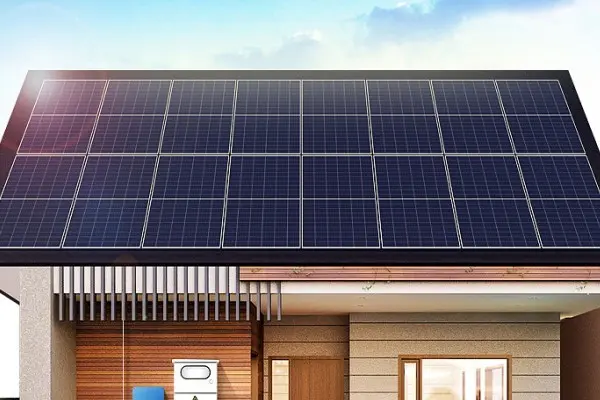
The integration of Solar Photovoltaics (PV) with Battery Energy Storage Systems (BESS) represents the cornerstone of modern decarbonized utility architectures. As global grids face challenges from renewable intermittency and surging peak demands, the capability to capture, buffer, and dispatch electricity on demand is no longer optional. It is the defining paradigm of modern energy infrastructure.
Commercial and Industrial energy consumers globally face soaring demand charges, strict carbon mandates, and grid reliability risks. Utility pricing models are shifting toward time-of-use (ToU) tariffs, creating a strong economic case for on-site BESS deployment.
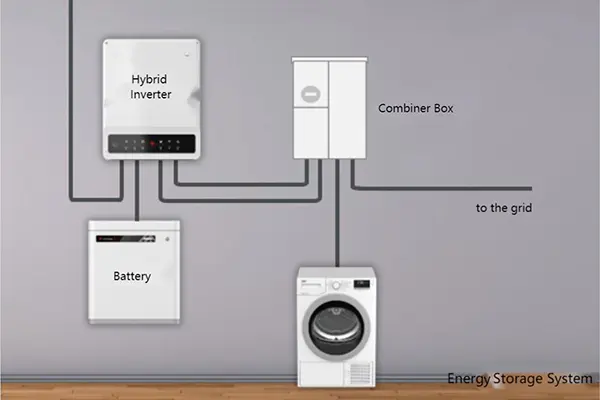
In Europe and North America, regulatory changes such as the US Inflation Reduction Act (IRA) and the EU Green Deal have redefined the financial model for energy storage. Modern C&I storage is not merely an emergency backup system; it is a dynamic asset for peak shaving, load shifting, and grid service participation, such as frequency response. By utilizing automated Energy Management Systems (EMS), commercial sites can seamlessly dispatch stored solar power during high-rate periods, achieving significant operating cost reductions.
"The future of decentralized utility relies on smart orchestration. Integrating High-Voltage Stacked LiFePo4 systems allows commercial entities to transform from passive consumers to active microgrid operators, ensuring long-term operational resilience."
Tailoring energy storage architectures to specific environmental and grid constraints is critical to maximizing ROI. Below are key deployment pathways:
China remains the epicenter of the global lithium battery and PV supply chain. Establishing close relationships with manufacturing clusters, such as ELEMRO's facility in Xiamen, offers substantial advantages in quality assurance, logistics, and cost efficiency.
The core advantage of Chinese energy storage factories lies in complete vertical integration. From cathode material processing and automated cell winding to thermal management engineering and final system testing, the entire lifecycle is concentrated in closely linked industrial zones. This proximity minimizes transport delays, enables rapid custom prototyping, and guarantees rigorous cell-matching processes. Furthermore, Xiamen’s deepwater ports facilitate streamlined export logistics, ensuring secure delivery to European and Western hemisphere destinations.
The energy storage sector is moving rapidly toward higher energy densities, enhanced functional safety, and software-defined battery intelligence.
Lithium Iron Phosphate (LiFePo4) remains the industry benchmark due to its thermal stability and cycle performance. ELEMRO's product lines utilize grade-A LFP cells capable of delivering over 6,000 charge cycles at 80% Depth of Discharge (DoD). Emerging designs are laying the foundation for hybrid solid-electrolyte integration, which will increase volumetric energy density and reduce thermal risks under extreme operational conditions.
Modern battery modules feature dual-core, cloud-connected BMS architectures. By collecting cell-level voltage, impedance, and temperature data in real-time, predictive AI models can identify thermal anomalies before they develop, dynamically balance cells, and optimize discharge curves based on localized weather and tariff data.
Navigating international grid codes and product compliance is essential for successful installation and operation.
A premium energy storage system must meet strict global standards, including UN38.3 for transport safety, IEC 62619 for industrial battery applications, and UL 1973 / UL 9540A for the North American market. Local grid integration requires compliance with local inverter codes (such as EN 50549-1 in Europe or IEEE 1547 in the US). ELEMRO works closely with global engineering partners to supply fully certified systems, clear installation documentation, and remote commissioning support to ensure quick project sign-off.
Discover high-performance energy storage options designed for home, commercial, and utility applications.
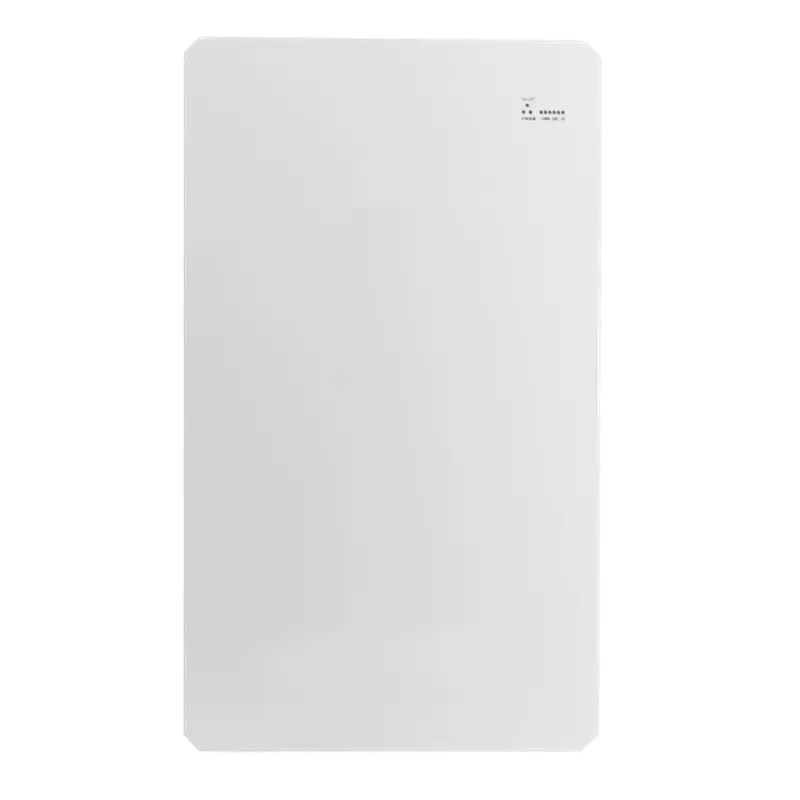
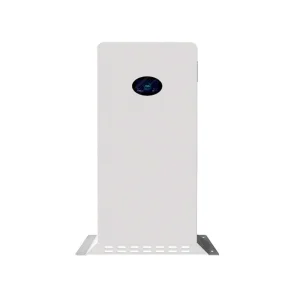
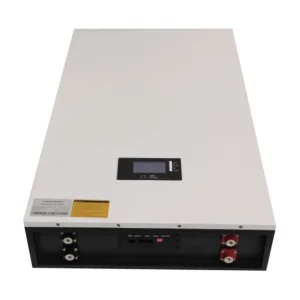
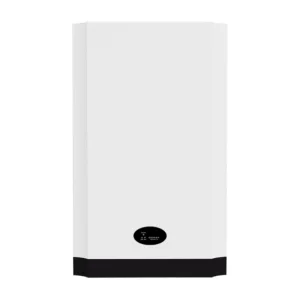
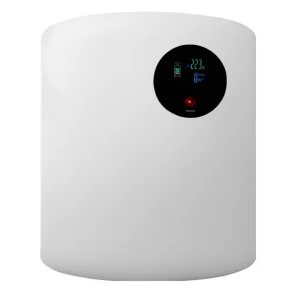
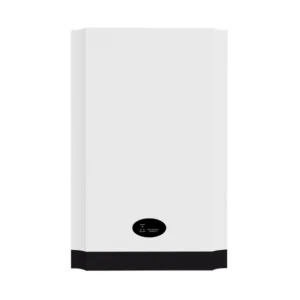
Compact, wall-mountable home backup battery with dynamic BMS optimization.
View Details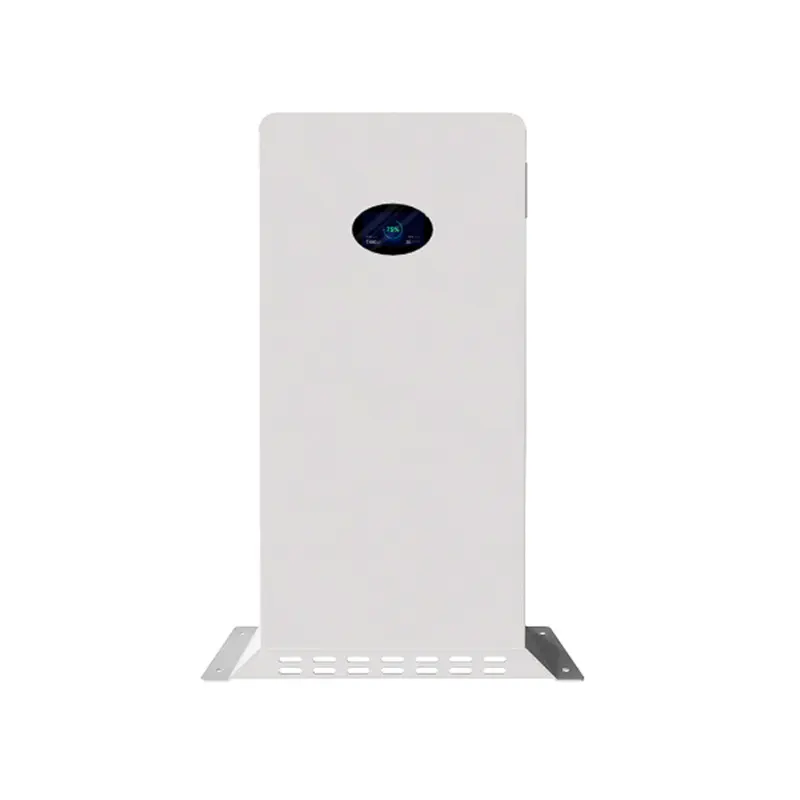
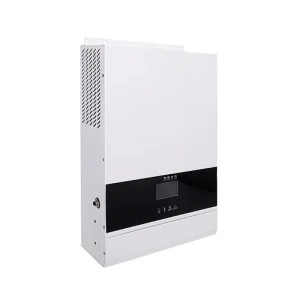
Low-voltage parallelable storage unit designed for large residential off-grid systems.
View Details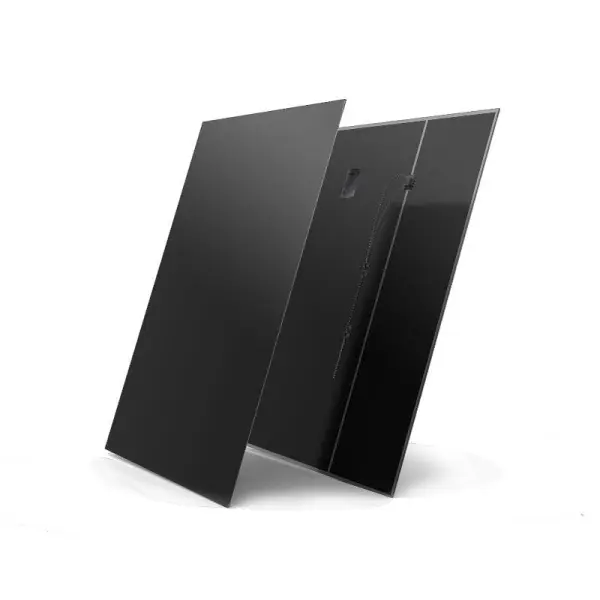
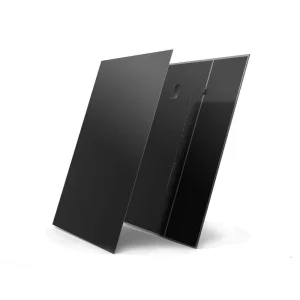
High-efficiency architectural solar cells designed for vertical wall integration.
View Details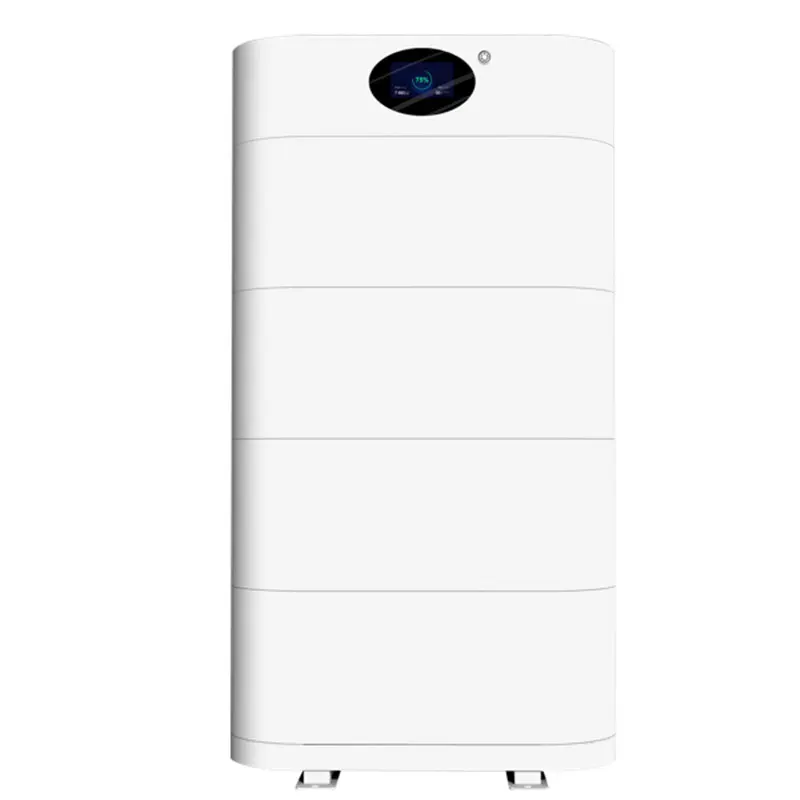
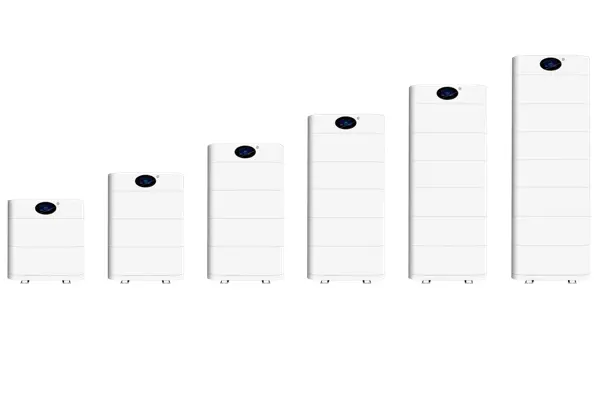
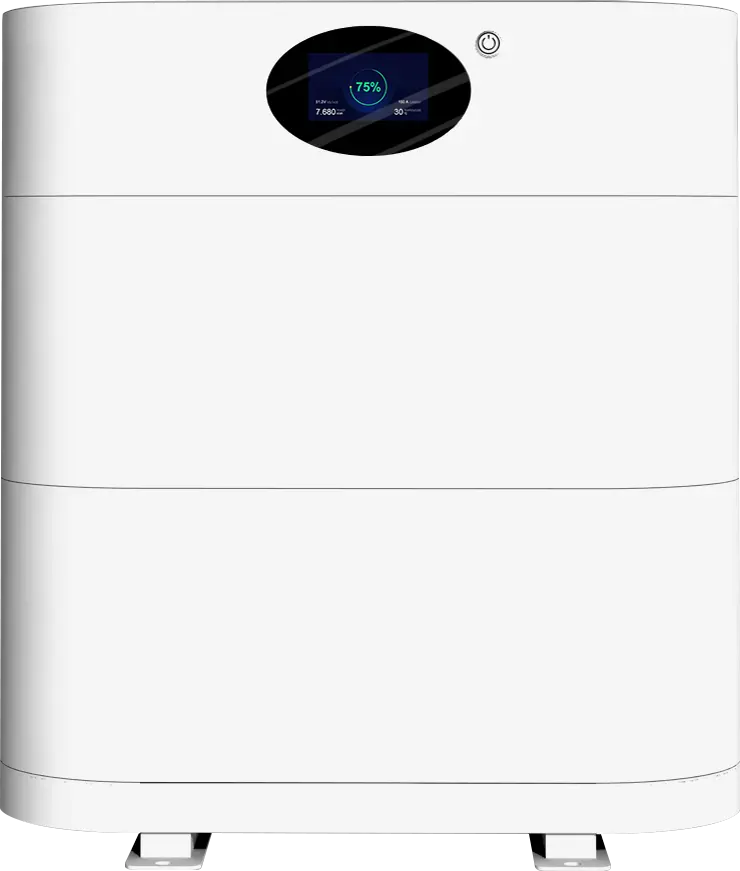
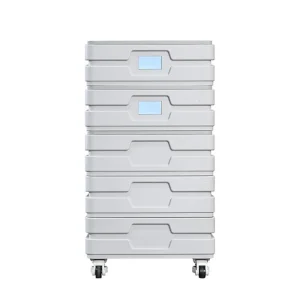
Industrial high-voltage series stack design for maximum system efficiency.
View Details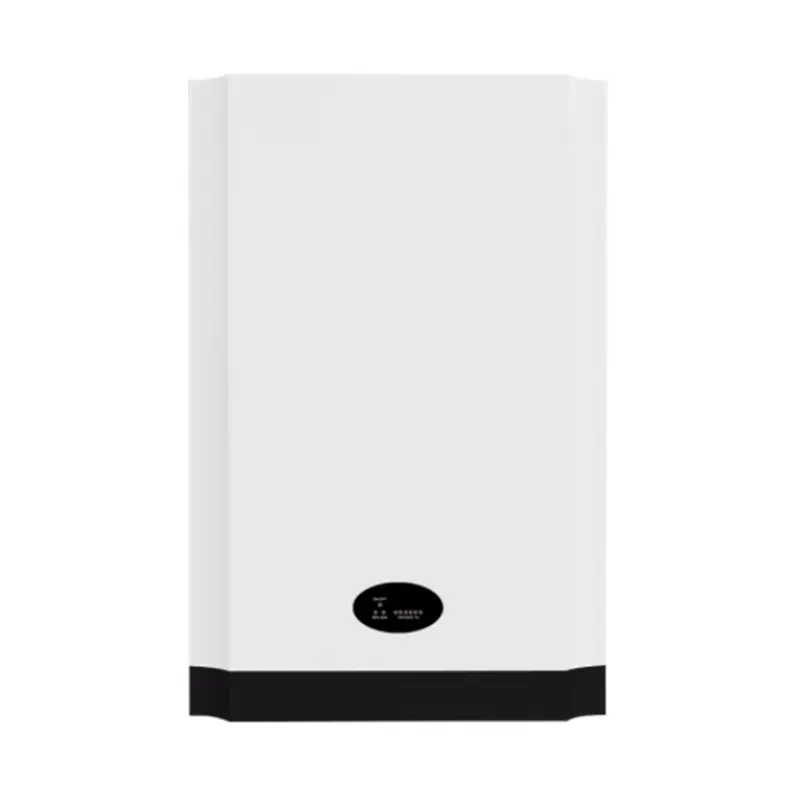
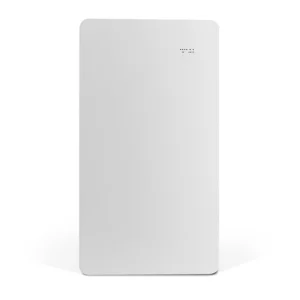
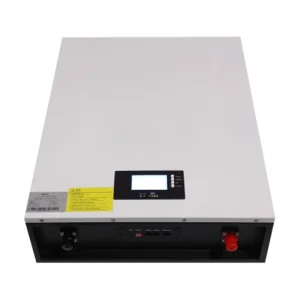
Standard rackmount home ESS battery featuring high thermal stability LFP cells.
View Details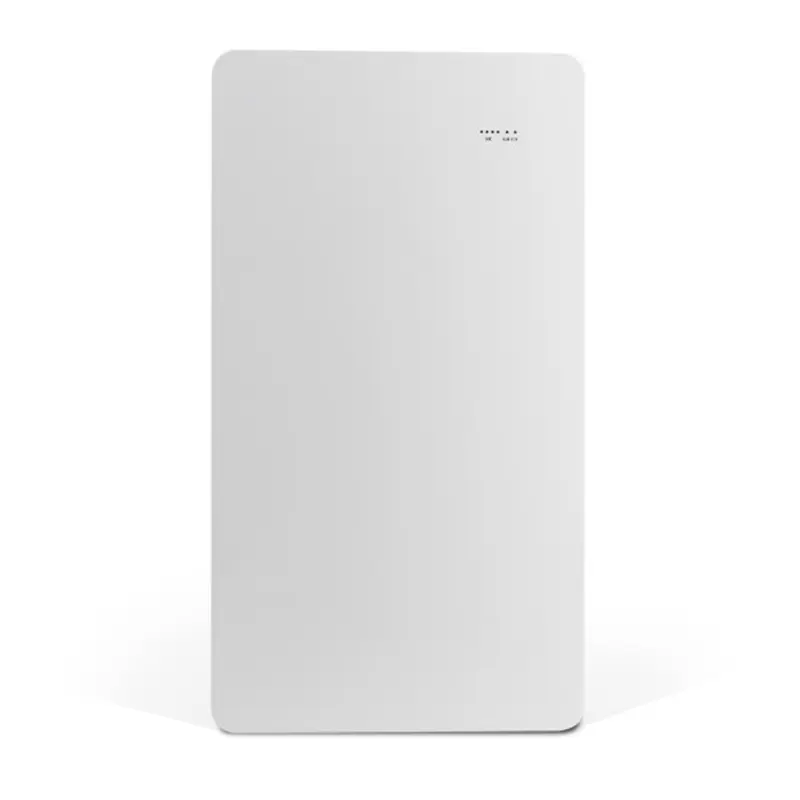
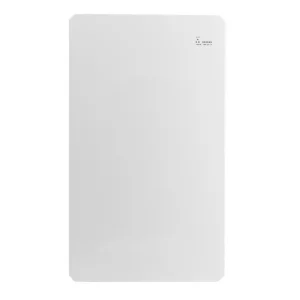
High-capacity home backup storage with sleek wall-mounted profiles.
View DetailsSubmit your email to connect with our technical engineers. Receive a detailed response and system estimate within 24 hours.
Inquiry For Pricelist →Keep up to date with trends, engineering analyses, and trade show announcements from the front lines of renewable energy development.
Find answers to technical questions regarding solar storage systems, manufacturing processes, and installation guidelines.
We work with international logistics providers, engineering firms, and grid operators to deliver reliable systems globally.




Browse additional system configurations, including wall-mounted modules, BIPV thin-film technologies, and high-voltage stacked setups.
 Elemro Energy