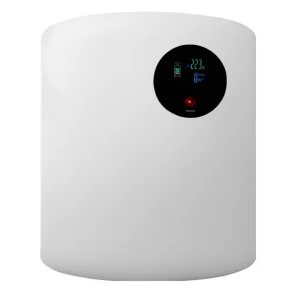
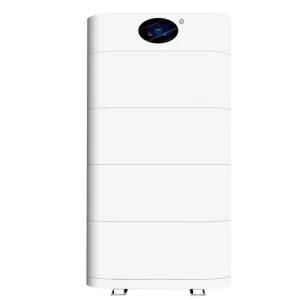
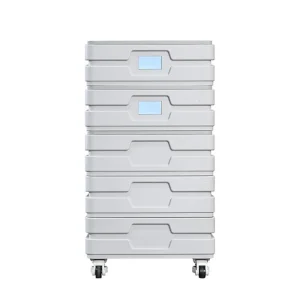
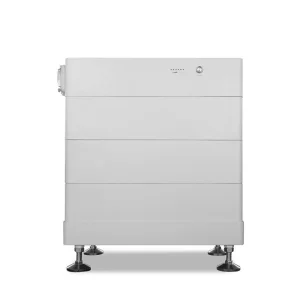
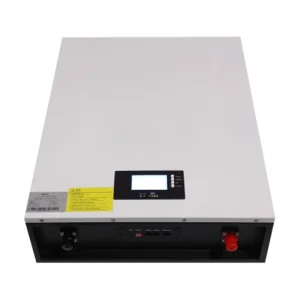
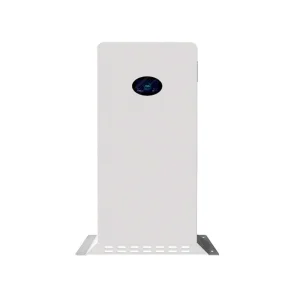
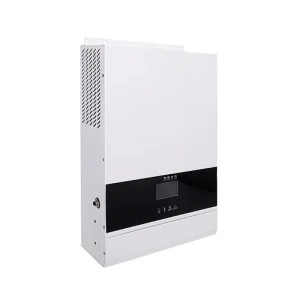
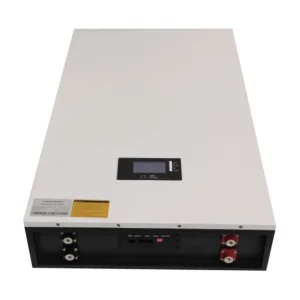
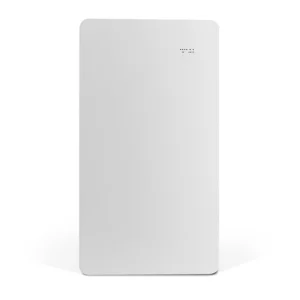
Explore our top-tier tier-1 manufacturing inventory designed for high-efficiency grid-tied, off-grid, and hybrid deployments.

The global transition towards zero-carbon grids has accelerated the demand for integrated solar generation and energy storage systems (BESS). As regulatory frameworks such as the European Union’s Fit for 55 and the United States’ Inflation Reduction Act (IRA) reshape energy supply economics, Commercial & Industrial (C&I) operators are moving away from passive energy consumption. Modern microgrids now require localized, robust generation combined with high-density chemical storage to mitigate peak-demand charges and grid instability.
Today's solar and battery solutions are not merely backup generators; they are dynamic financial assets. By implementing peak shaving, load shifting, and reactive power compensation, enterprises can significantly reduce their Levelized Cost of Energy (LCOE) while reinforcing operational resilience.
From the urban BIPV facades in high-density areas of Southeast Asia to megawatt-scale industrial containers in sub-Saharan Africa, the versatility of customized battery chemical frameworks—particularly Lithium Iron Phosphate (LiFePO4) and Thin-Film Cadmium Telluride (CdTe) technologies—serves as the backbone of decentralized energy democratization.
Deep dive into the material science and electrical topologies driving next-generation energy performance.
Lithium Iron Phosphate (LiFePO4) stands at the pinnacle of industrial safety and longevity. Unlike conventional ternary lithium chemistries, LiFePO4 boasts a high thermal runaway threshold (>270°C) and supports over 6000 cycles at 80% Depth of Discharge (DoD). Our systems incorporate advanced cell-to-pack (CTP) compression and dynamic balancing multi-tier BMS to track impedance, state of charge (SoC), and real-time temperatures.
High-voltage battery storage systems (up to 800V DC) drastically minimize line losses compared to legacy low-voltage 48V topologies. By stacking modules in series, system current is reduced, allowing for thinner, safer wiring configurations and a significant increase in overall round-trip conversion efficiency. Integration with hybrid inverters enables seamless microsecond transitions during grid fault states.
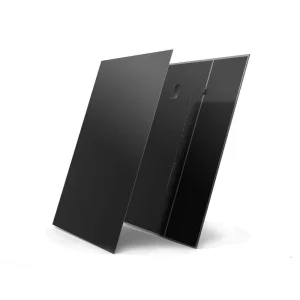
Cadmium Telluride (CdTe) thin-film solar technology delivers excellent performance in real-world environments. Featuring a low-temperature coefficient (-0.2% per °C) and superior spectral response in low-light and shaded scenarios, CdTe cells generate up to 10% more power annually than crystalline silicon. Perfect for Building-Integrated Photovoltaics (BIPV), they integrate energy-generating facades directly into modern architecture.
Engineered solutions bridging the gap between high-performance generation and continuous backup resilience.

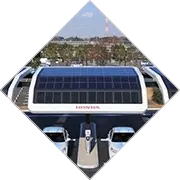
Headquartered in the vibrant technology hub of Xiamen, China, ELEMRO Energy has established itself as an authoritative market leader in the new energy landscape. By unifying state-of-the-art research & development (R&D), highly controlled ISO-certified production lines, and global logistical networks, we offer commercial, industrial, and residential customers comprehensive clean energy systems.
Our footprint covers more than 250 customers across Europe, Southeast Asia, Africa, the Middle East, and the Americas. ELEMRO's annual turnover is expected to exceed 50 million USD, representing a rapid year-on-year expansion fueled by continuous technological innovation and dedication to quality control standards.
An analysis of energy management systems, grid synchronization, and advanced storage solutions for 2024 and beyond.
The role of behind-the-meter (BTM) storage has expanded far beyond localized blackout prevention. In mature energy grids, commercial operations run decentralized networks powered by intelligent battery systems aggregated into Virtual Power Plants. By leveraging AI-enabled scheduling protocols, these batteries react to real-time grid frequency fluctuations, providing power to the grid during peak loads and charging when prices are low. This optimization process helps stabilize the grid and provides a reliable income stream for businesses.
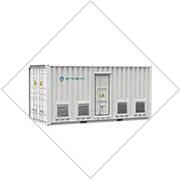
Future iterations of ELEMRO products will integrate solid-state electrolyte technologies alongside optimized LiFePO4 cells. Transitioning to solid-state systems dramatically reduces the risk of dendrite growth and leakage, enabling higher density formats. In the interim, cell-to-pack (CTP) architectures and liquid-glycol cooling systems are standardizing inside larger containers (like the ELEMRO SHELL series), ensuring even thermal distribution with minimal auxiliary power consumption.
A high-performing battery system is only as good as its control software. True modernization requires seamless integration between the Battery Management System (BMS) and the site's overall Energy Management System (EMS). By utilizing forecasting algorithms that calculate solar output against historic load profiles, the EMS schedules charging cycles to optimize efficiency, lowering utility costs and accelerating project ROI.
Connect with our expert design engineers for custom configurations, project sizing, and comprehensive factory pricing options. We will get back to you within 24 hours.
Stay informed with technical breakthroughs, comprehensive reviews, and strategic updates straight from our core R&D teams.
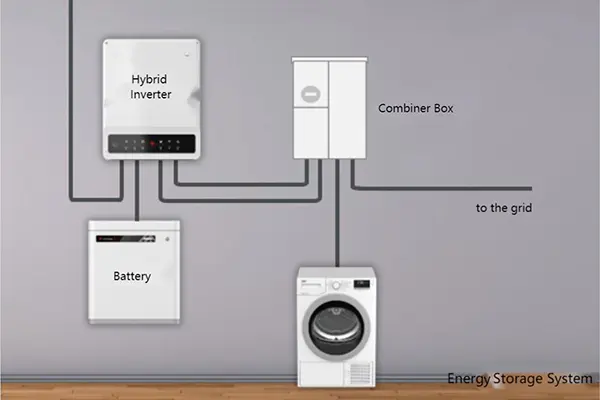
An analytical dive into the electrical topological structure of high-frequency and low-frequency home hybrid inverters...
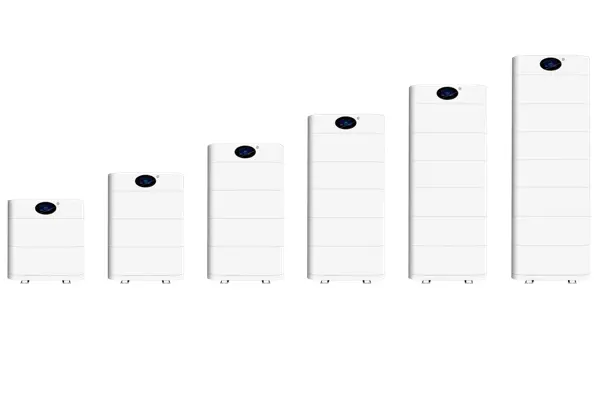
A detailed scientific comparison of LiFePO4 vs. NCM/NCA chemistries, analyzing cycle life, cost efficiency, and degradation risks...
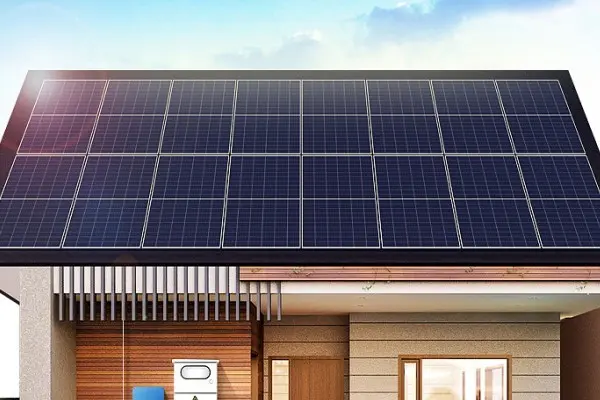
A comprehensive scenario analysis detailing off-grid self-consumption optimization and high-voltage grid support frameworks...
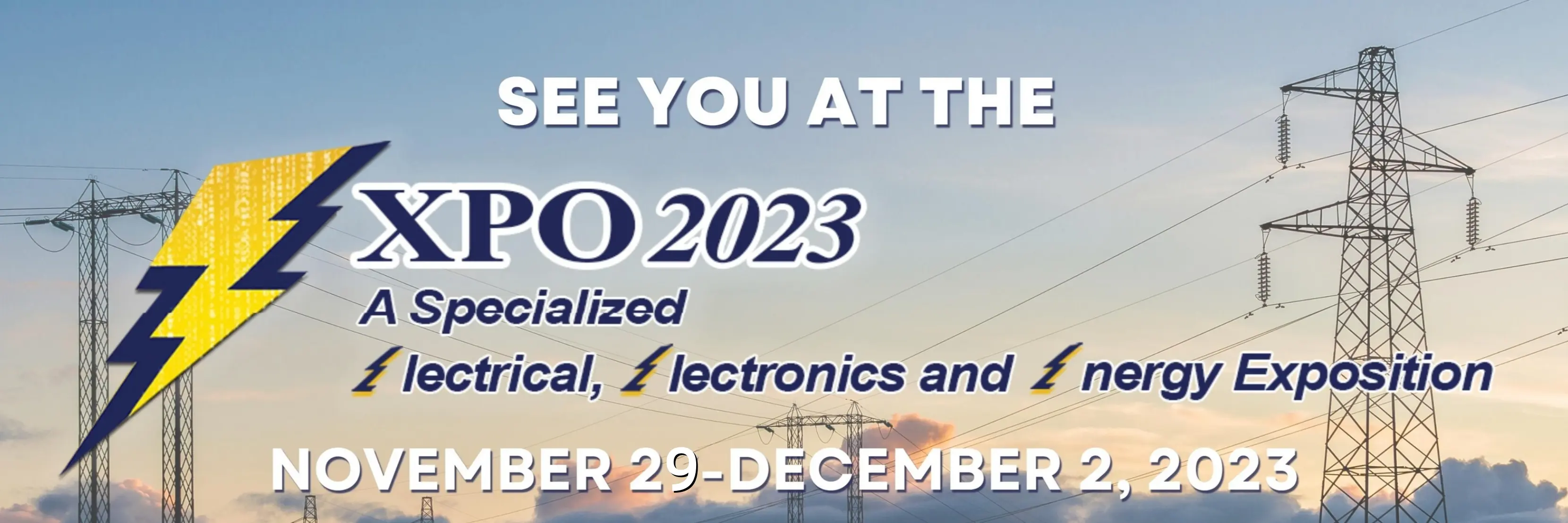
Showcasing ELEMRO's latest IP65 home storage solutions and CdTe thin-film BIPV technologies at the premier Philippine energy expo...
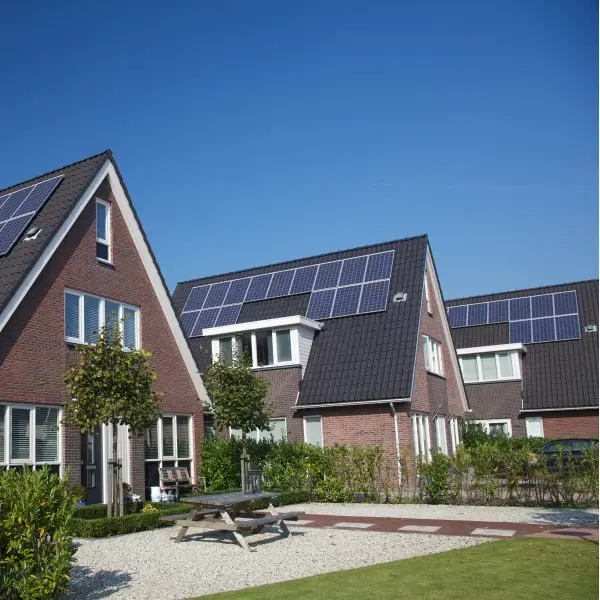
A design guide focused on matching solar modules with various roofing materials and ground-mount configurations...
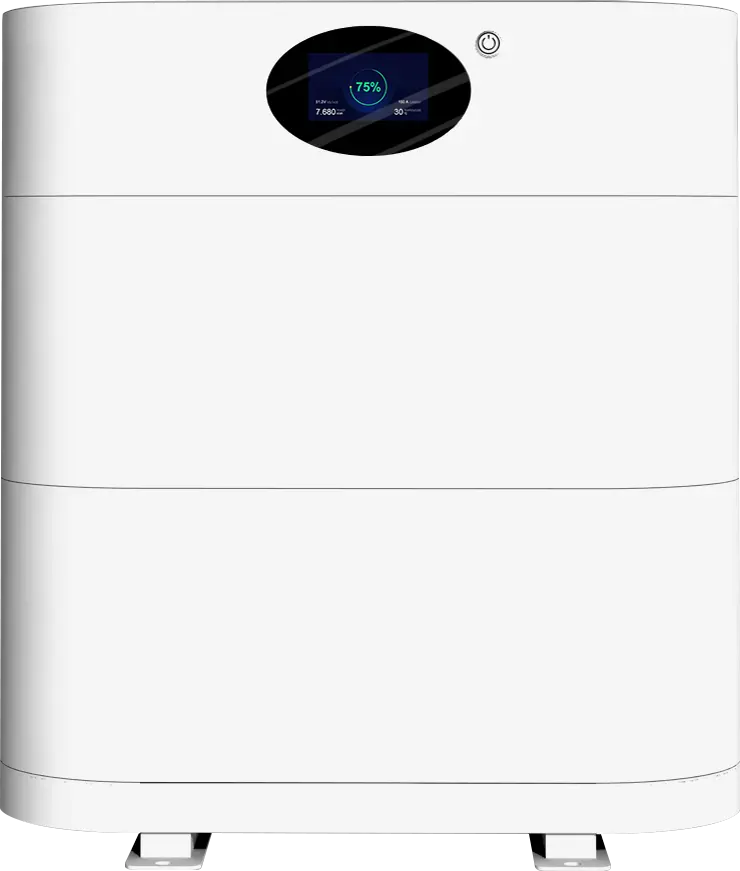
An engineering overview of wall-mounted and modular battery storage systems, highlighting safety mechanisms and lifecycle metrics...




Get professional explanations directly from our design team regarding battery architecture, chemistry, and installation sizing.
Complete list of our solar glass, inverters, and high-efficiency home backup options.
 Elemro Energy