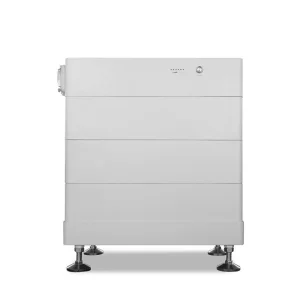
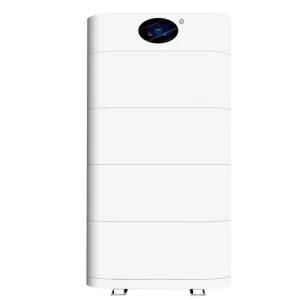
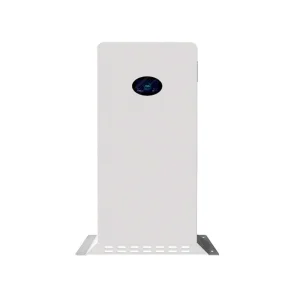
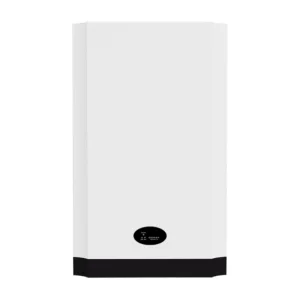
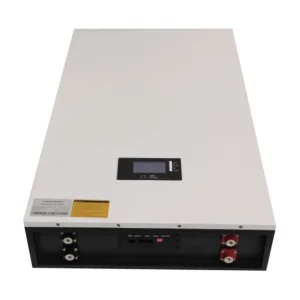
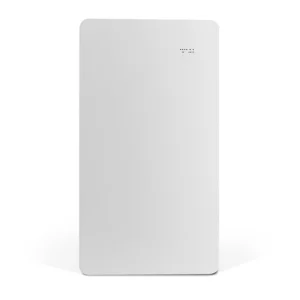
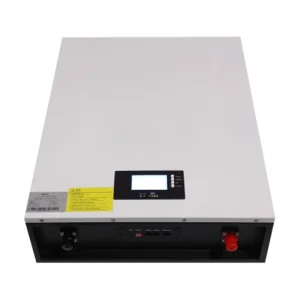
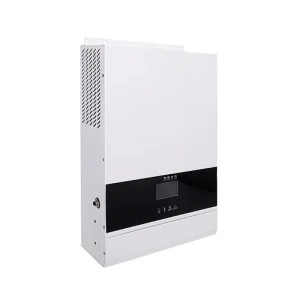
Explore our premium lineup of high-voltage stacked and wall-mounted battery systems engineered for reliability, safety, and high-efficiency yield.
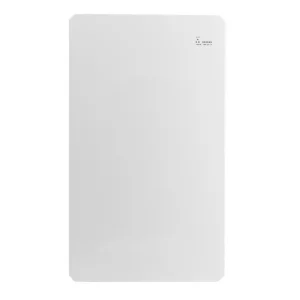
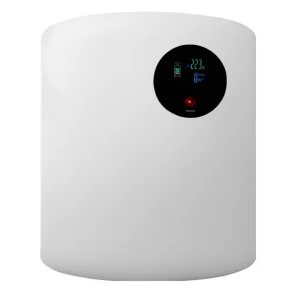
Understanding the transition from lead-acid legacy units to smart Lithium Iron Phosphate (LiFePO4) storage environments.
In the wake of the worldwide commitment to carbon neutrality, the deployment of Rechargeable Energy Storage Systems (RESS) has transformed from an auxiliary strategy to a primary infrastructure requirement. Modern energy storage is no longer simply about providing back-up electricity during unexpected grid outages; it serves as a central element in load balancing, microgrid stabilization, and solar self-consumption optimization.
The technological evolution of battery chemistries has played a key role in this shift. Lithium Iron Phosphate (LiFePO4) chemistry has emerged as the industry standard for stationary energy storage systems, largely replacing older Lead-Acid technologies. This transition is driven by the safety profile of LiFePO4 cells, which feature thermal runaway thresholds upwards of 270°C and a robust molecular structure that prevents combustion under extreme operating conditions. Additionally, modern lithium-ion chemistries deliver significant improvements in cycle life, operating consistently for over 6,000 charge-discharge cycles at 80% Depth of Discharge (DoD) before capacity drops below 80% of its initial nominal state.
Expert Insight: "The current shift toward high-voltage stacked topologies minimizes current load across conductors, reducing thermal dissipation losses and achieving a system round-trip efficiency (RTE) exceeding 95%—a vital metric for utility-scale and industrial procurement."
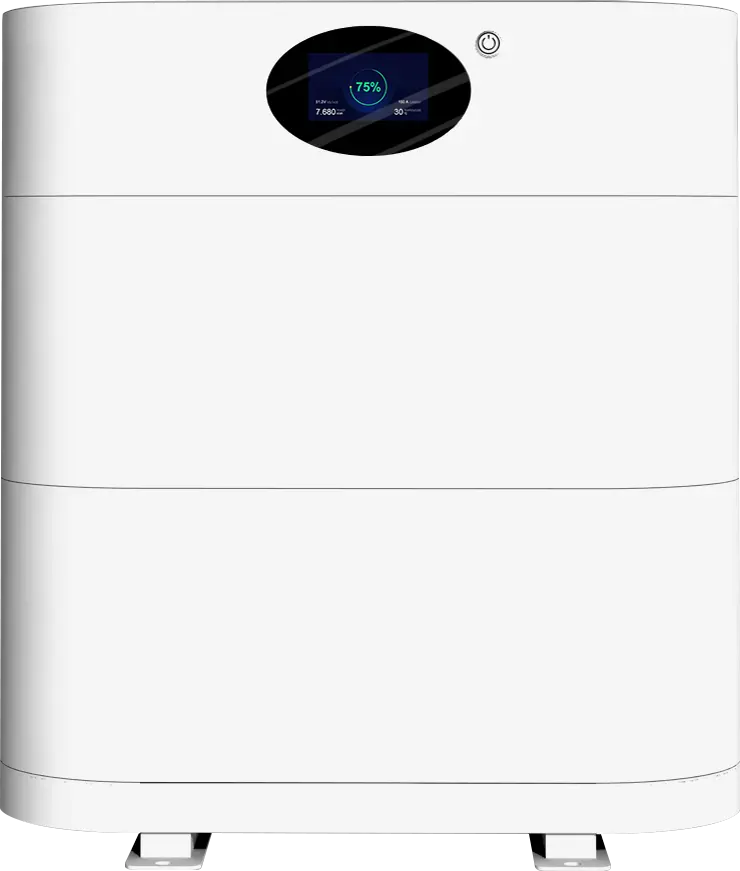
On a macro scale, high-voltage battery system configurations are replacing low-voltage counterparts in larger applications. High-voltage architectures (often exceeding 400V DC) reduce the current load required to deliver identical power output, allowing for thinner wiring, lower thermal generation, and improved conversion efficiency in grid-tied hybrid inverters. This design trend supports utility developers and commercial project operators in meeting strict performance requirements while lowering overall capital expenditure (CAPEX) for thermal management components.
Key technical criteria and lifecycle expectations that define Tier-1 commercial procurement decisions.
Procuring Rechargeable Energy Storage Systems requires evaluating a range of performance factors, compliance certifications, and long-term operating costs. Engineers and procurement directors typically prioritize the Levelized Cost of Storage (LCOS), which calculates the cost per megawatt-hour (MWh) of electricity delivered over the lifetime of the system. This metric helps buyers look beyond upfront capital expenditure and assess the true long-term value of the equipment.
Another major consideration in system evaluation is the integration of the Battery Management System (BMS) with the Power Conversion System (PCS). A high-performance BMS should provide cell-level monitoring, active balancing, and real-time state-of-health (SoH) diagnostics. This configuration prevents issues like over-voltage, deep discharge, and localized thermal hot spots, which can otherwise lead to accelerated cell degradation. As global supply chains face challenges, buyers are increasingly seeking vertically integrated manufacturers that handle everything from raw cell production to final module assembly. This control helps ensure consistent quality and reduces the risk of project delays.
Monitors voltage and state of charge across all series cells, preventing individual cell overstress and extending overall pack life.
Enables parallel expansion of energy systems from 5kWh residential units up to multi-megawatt container configurations.
Utilizes multi-layered safety mechanisms and advanced phase-change cooling to prevent runaway events.
A look at Elemro Energy's growth, production capabilities, and contribution to clean energy initiatives.
Founded in 2019 and headquartered in the new energy innovation hub of Xiamen, China, ELEMRO Energy has built a presence in the global new energy storage market. The company operates as a unified entity covering research and development, manufacturing, and international sales, helping ensure quality control from the design stage through to delivery.
Elemro's rapid growth is reflected in its expanding customer base, serving more than 250 commercial partners across Europe, Southeast Asia, Africa, the Middle East, and the Americas. By optimizing the production of residential lithium batteries and utility-scale container storage systems, Elemro has maintained strong revenue growth, with annual turnover projected to exceed $50 million USD.
Explore Full Catalog
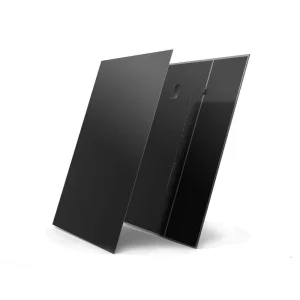
Photovoltaic integration optimized for building facades and architectural BIPV installations.
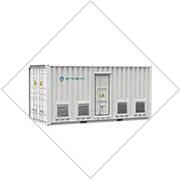
Megawatt-level container storage units designed for industrial peak-shaving and backup applications.
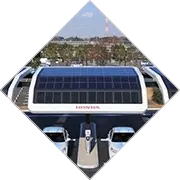
Engineered PV canopy systems designed to optimize commercial fleet charging and utility generation.
How rechargeable systems help balance peak loads and support commercial microgrids.
Integrating storage systems with the electrical grid requires careful planning to balance variable energy generation with consumer demand. Commercial and Industrial (C&I) facilities use energy storage systems primarily for peak shaving. By discharging stored power during times of peak demand, companies can avoid high demand charges from utilities, which often account for a significant portion of monthly energy costs.
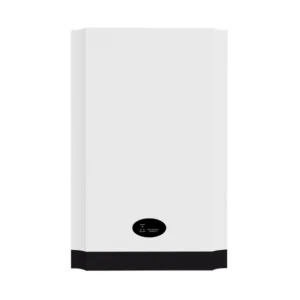
Additionally, modern energy storage systems support the development of Virtual Power Plants (VPPs). By linking multiple distributed home storage units, such as the Elemro WHLV series, into a single control network, operators can aggregate power to support the wider grid during stabilization events. This cooperative model allows battery owners to generate revenue by feeding power back to the grid when utility demand is high, helping to support regional grid stability.
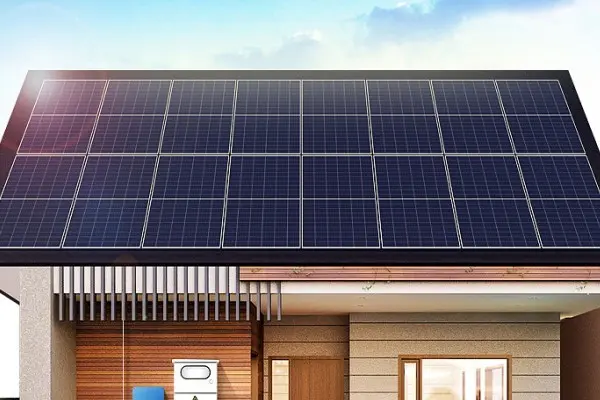
BIPV Integration Case Study: "Implementing Cadmium Telluride (CdTe) thin-film solar glass on building envelopes generates clean local energy, while low-voltage wall-mounted lithium batteries manage the storage, creating an efficient, self-sustaining building system."
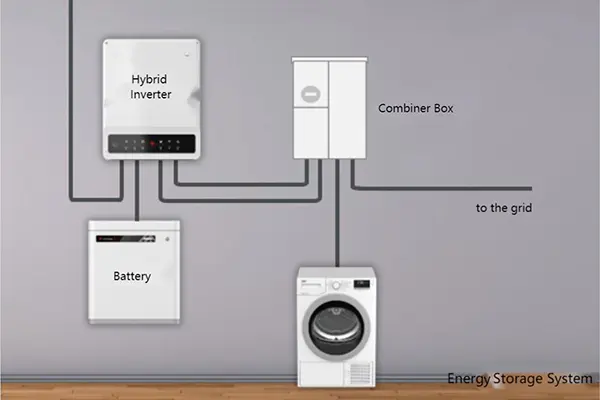
In remote or off-grid areas, microgrids powered by solar arrays and rechargeable energy storage provide a reliable alternative to diesel generators. These installations use advanced hybrid inverters to switch seamlessly between solar generation, battery storage, and generator backup, maintaining a continuous power supply without voltage sags or interruptions.
Reviewing the international testing standards and safety certifications required for grid integration.
Entering international energy markets requires adherence to strict safety and performance standards. In North America and Europe, local grid codes and fire safety regulations govern the installation of residential and commercial battery systems. Sourcing managers look for certifications like UL9540A, which tests for thermal runaway fire propagation, to ensure systems can be safely installed in built environments.
Key standards for international battery shipping and grid connection include:
Ensuring these certifications are in place helps developers secure project financing, streamline utility approvals, and gain community trust for energy storage installations.
Anticipating next-generation battery chemistries and AI-driven control architectures.
The energy storage industry continues to evolve, with ongoing research focused on next-generation battery chemistries. Sodium-ion batteries are emerging as an alternative for applications where weight is less critical, offering lower raw material costs and reliable performance in cold climates. At the same time, solid-state battery development aims to replace liquid organic electrolytes with solid alternatives, targeting higher energy density and improved safety.
On the control side, artificial intelligence is playing a larger role in energy management. Next-generation Battery Management Systems use predictive algorithms to analyze weather patterns, historical load demands, and real-time electricity pricing. This allows the system to optimize charge and discharge cycles, maximizing energy savings and extending the lifetime of the battery cells.
Answers to common technical and operational questions from system integrators and procurement teams.
Explore our additional high-capacity battery units, backup systems, and high-efficiency inverter modules.
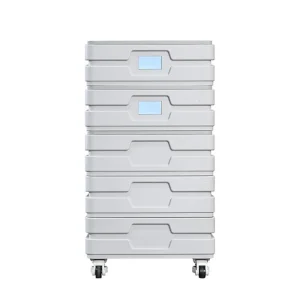
Stay updated with our latest technical analysis, trade expo announcements, and battery safety updates.




 Elemro Energy