High-Quality PV Battery Storage Cost: Industry Insights & Global Product Outlook

Explore vertical manufacturing efficiency, deep LCOS pricing analysis, and scalable LiFePO4 battery architectures engineered for net-zero growth.

ELEMRO Energy Solutions

Established in 2019, headquartered in Xiamen, China, Elemro Energy has been specialized in new energy storage and electrical product solutions with rich experience. We operate as a market leader in the new energy industry that unifies R&D, production, and sales. The products have been sold to more than 250 customers in Europe, Southeast Asia, Africa, Mid-east, America, and beyond. Since its establishment, ELEMRO’s revenue has been growing rapidly every year, with annual turnover exceeding 50 million USD in 2023. We continuously strive to build trust and lower the Levelized Cost of Storage (LCOS) for global commercial, industrial, and residential developers.

2019
Established Year
$50M+
Annual Turnover (USD)
250+
Global B2B Partners
6000+
LFP Cell Cycle Life (80% DoD)

The Global Landscape of Commercial & Industrial PV Battery Storage

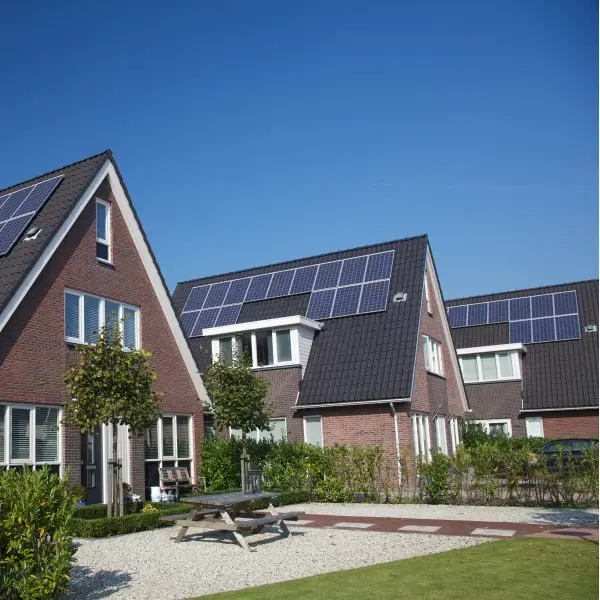
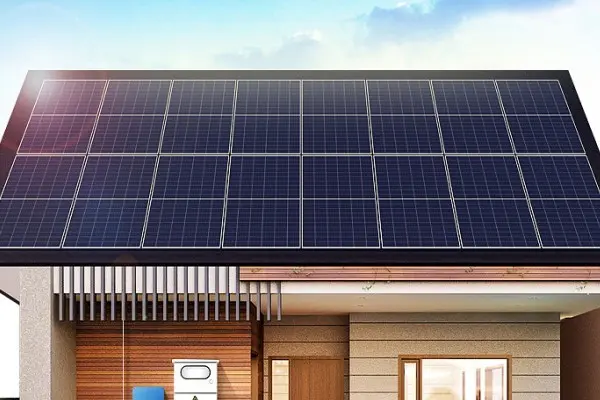
The transition toward renewable energy has shifted from a policy-driven ideal to an economic imperative. Modern businesses, utility grid operators, and residential users are facing unprecedented energy volatility. The core challenge is no longer generation—thanks to high-efficiency monocrystalline solar modules and building-integrated photovoltaics (BIPV)—but rather the dispatchability of that power. This is where PV battery storage cost structures determine the ROI of modern clean energy portfolios.

Globally, Commercial and Industrial (C&I) organizations utilize energy storage systems (ESS) to execute peak-shaving protocols, transition away from grid demand charges, and secure backup power. In European markets, where grid tariffs fluctuate wildly throughout the day, battery systems integrated with smart Energy Management Systems (EMS) provide immediate ROI by shifting consumption to off-peak periods. In developing regions across Africa and Southeast Asia, localized microgrid architectures are vital for grid stabilization, bypassing weak electrical infrastructures entirely.

Understanding LCOS: The Levelized Cost of Storage

To evaluate the true value of high-quality PV battery storage, procurement departments must analyze the Levelized Cost of Storage (LCOS) rather than upfront capital expenditure (CAPEX) alone. LCOS encompasses the total life-cycle costs of the battery, including manufacturing, installation, maintenance, round-trip efficiency losses, degradation rates, and end-of-life disposal, divided by the cumulative energy delivered over its operational lifespan.

  • Lithium Iron Phosphate (LiFePO4) Dominance: LiFePO4 has become the industry standard for stationary storage due to its high thermal stability, superior lifecycle metrics (typically exceeding 6,000 charge/discharge cycles at 80% Depth of Discharge), and safety profiles compared to cobalt-based chemistries.
  • BMS Integration & Safety: A high-quality battery management system monitors state-of-charge (SoC), state-of-health (SoH), cell balancing, and temperature metrics to mitigate thermal runaway risks, directly extending the system's operational lifespan.
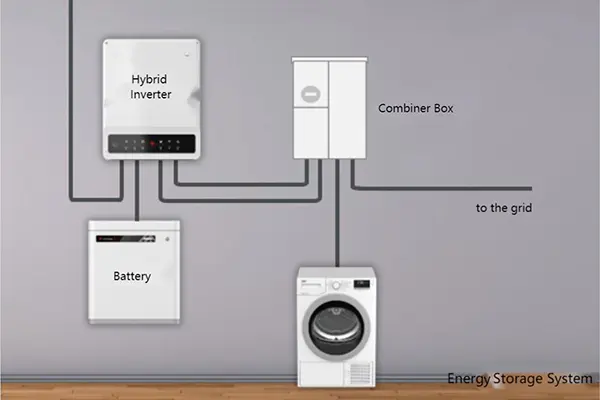
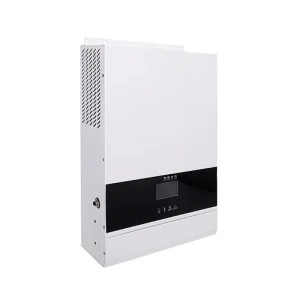
  • Inverter Compatibility: The coordination between battery storage and hybrid/storage inverters ensures minimum round-trip conversion losses, safeguarding the levelized cost metric.

Industry Benchmarks

According to recent global energy reports, battery pack costs have dropped dramatically, yet premium components (high-voltage safety contactors, tier-1 cells, sophisticated thermal management loops) are essential to prevent premature capacity fade. Working with integrated Chinese factories offers the highest tier-1 performance-to-cost ratio globally.


Key Cost Drivers

  • Cell Chemistry and Purity
  • Thermal Management Systems (Air vs. Liquid Cooling)
  • Scalability of Rack Enclosures
  • Import Duty & Local Certifications (UL, CE, IEC)

Power A Green Future

We provide cleaner energy for a greener world through integrated product portfolios.

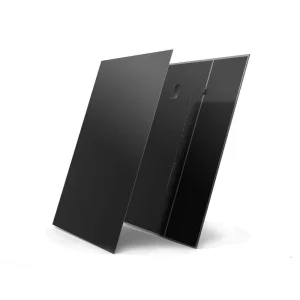
Solar Glass

Solar Glass

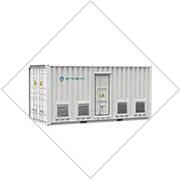
Energy Storage Container

Energy Storage Container

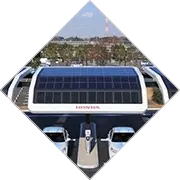
Car Port Solar Power

Car Port Solar Power

Manufacturing Excellence

China’s battery production ecosystems leverage unparalleled industrial clusters. Access to raw precursors, high-purity cathode processing, automated cell rolling, and integrated pack assembly plants reduces logistics costs by up to 35% compared to localized European or American manufacturers.

Chinese Manufacturing Efficiencies and Elemro's Vertical Integration

The global dominance of Chinese manufacturers in the battery value chain is driven by vertical integration. At Elemro Energy, our strategically located facility in Xiamen combines the entire manufacturing pipeline: from raw cell procurement and selection to high-precision structural integration and rigorous functional testing. This complete supply-chain control enables us to deliver Tier-1 quality standards at highly competitive prices.

By consolidating component manufacturing, metal enclosure fabrication, wiring harnesses, and advanced electronic layout design, we minimize supply chain vulnerabilities. For our clients, this directly translates into shorter lead times, customized design capabilities (OEM/ODM), and standardized pricing structures that resist raw material fluctuations.

Localized Application Scenarios for High-Quality PV Battery Storage

Modern energy systems are highly specialized and demand tailored configurations to meet distinct deployment scenarios:

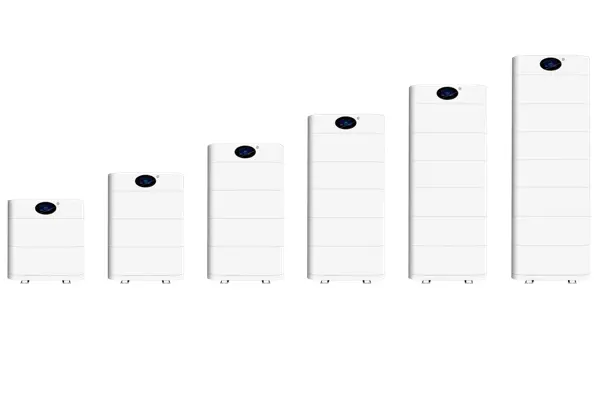
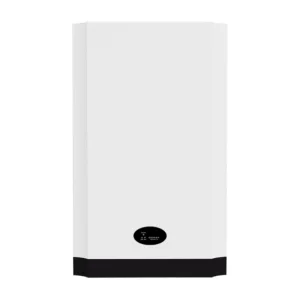
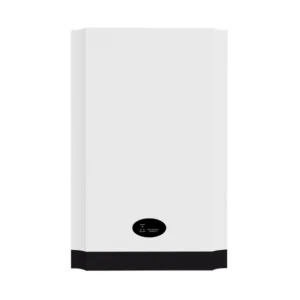
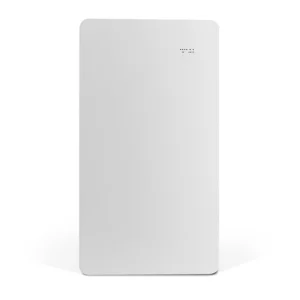
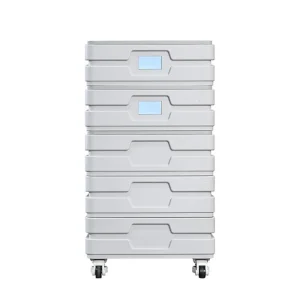
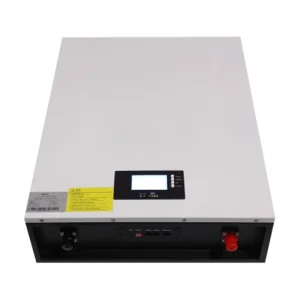
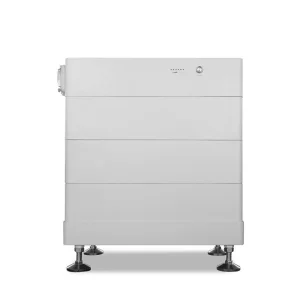
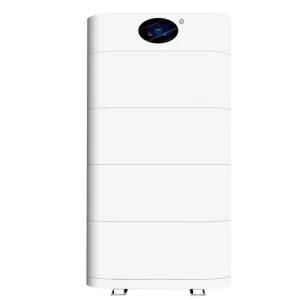
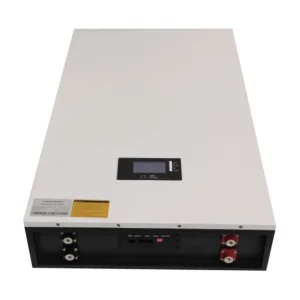
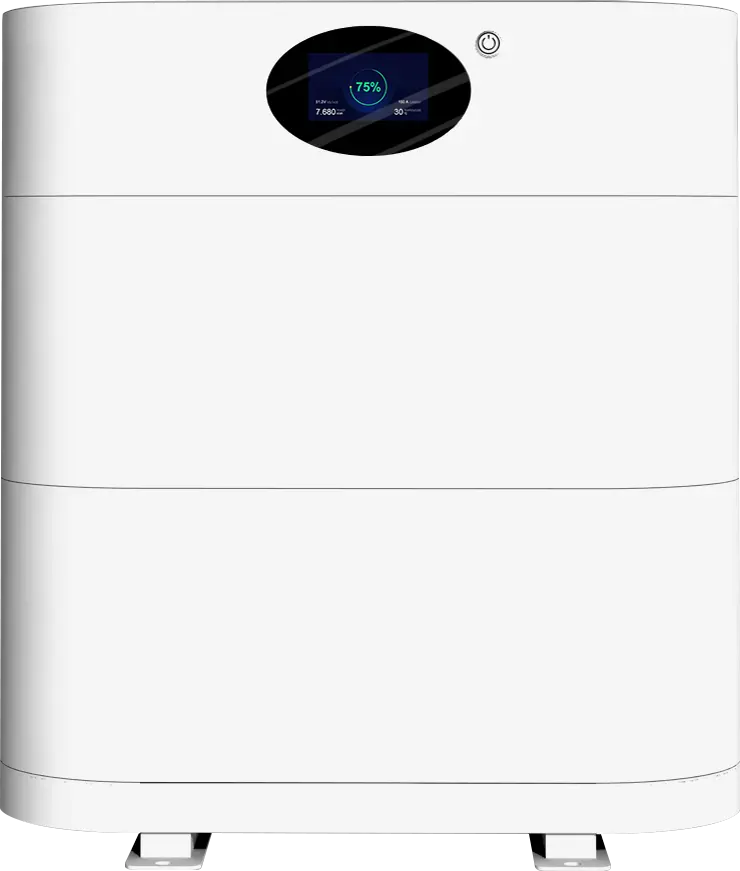
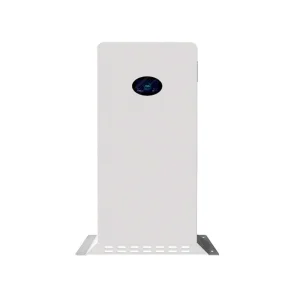
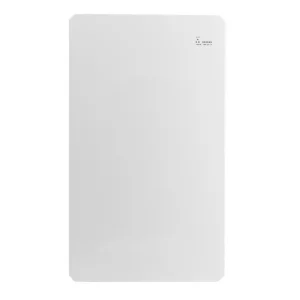
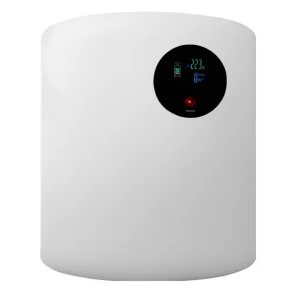
  • Residential Energy Independence: Low-voltage (48V) and high-voltage stackable LiFePO4 batteries (such as the Elemro WHLV series) allow homeowners to integrate solar generation with backup capacity. High-voltage setups are preferred for modern residential spaces as they reduce transmission currents and wiring costs.
  • Commercial & Industrial Peak Shaving: Large-scale enterprises deploy liquid-cooled energy storage containers (ESS containers) to balance energy demand spikes. By discharging stored power during peak rates, companies can save thousands of dollars monthly in demand charges.
  • Building Integrated Photovoltaics (BIPV): By utilizing advanced CdTe (Cadmium Telluride) thin-film solar cells, building facades become active power generators. Coupled with battery banks, BIPV architectures transform corporate offices into self-sustaining grid nodes.
  • Solar Carports and Fleet Depots: Commuter vehicle fleets use heavy-duty battery storage systems coupled with solar canopies to charge electric vehicles (EVs) during office hours, minimizing immediate power draws from local substations.

Inquiry For Pricelist & Technical Specifications

Connect with our project engineering team. Get a customized system proposal, cycle degradation projections, and current bulk container shipping quotes within 24 hours.

Global Procurement Strategies and Future Battery Trends

Procurement teams face a challenging global market defined by local content rules, anti-dumping duties, and certification barriers. To build a resilient energy storage supply chain, sourcing managers must prioritize compliance and interoperability.

Essential Regulatory Checklist: Ensure all lithium imports hold UN38.3 certifications for safe transport, IEC 62619 for industrial safety, and UL 1973/UL 9540 for residential grid connections in North America. Sourcing pre-certified systems significantly lowers soft costs and expedites local interconnection permits.

Technology Outlook (2025–2030)

The stationary storage sector is shifting toward increased energy density, longer lifecycle metrics, and enhanced safety features:

  • Sodium-ion Batteries: Emerging as a promising alternative for stationary applications. While exhibiting lower energy densities than lithium, sodium-ion batteries deliver excellent performance at low temperatures, utilize earth-abundant materials, and present a lower manufacturing cost profile.
  • Solid-State Architectures: Solid-state cells replace flammable liquid electrolytes with solid counterparts, eliminating thermal runaway risks and significantly boosting energy density.
  • AI-Driven Energy Management (EMS): Advanced software integrations utilize machine learning algorithms to analyze historical weather profiles and local market pricing, optimizing charging cycles to maximize daily savings.

Frequently Asked Questions

Get answers to critical technical questions regarding PV battery costs, performance characteristics, and implementation.

01. What is the average cost breakdown of a complete commercial PV battery storage system?
Typically, lithium-ion battery cells represent 50% to 60% of the overall system hardware cost. The remaining cost is divided among the Battery Management System (BMS, 10%), the power conversion system or inverter (PCS, 15%–20%), balance of system components (BOS, including enclosures, thermal management, cabling, 10%), and soft costs (engineering, permitting, installation, 15%).
02. Why is LiFePO4 (LFP) preferred over NMC for stationary PV battery storage?
LiFePO4 cells are preferred for stationary storage systems because they offer a longer lifecycle (6000+ cycles compared to ~3000 cycles for NMC), superior thermal runaway safety thresholds, lower manufacturing costs, and environmentally friendly, cobalt-free chemistries.
03. How does depth of discharge (DoD) affect long-term cost and degradation?
Operating a battery at 80% DoD instead of 100% significantly extends its total cycle life. While discharging a battery fully yields more energy per cycle, it accelerates capacity fade. Restricting discharge to 80% optimizes long-term levelized costs (LCOS) by keeping the battery running reliably for years longer.
04. What is the significance of using High-Voltage (HV) stacked battery systems?
High-voltage stacked designs connect multiple battery modules in series to boost system voltage (up to 400V–800V). This high-voltage architecture reduces line currents, minimizes transmission heat loss, lowers wiring costs, and improves overall inverter conversion efficiency.
05. How does temperature management affect the lifespan of PV storage batteries?
Lithium-ion cells perform best between 15°C and 35°C. Operating at high temperatures accelerates capacity degradation, while low temperatures reduce capacity and charge acceptance. Standard liquid or air-cooled enclosures help regulate cell temperatures, ensuring the battery achieves its rated cycle life.
06. What is peak shaving, and how does it improve the financial ROI of C&I storage?
Peak shaving involves discharging stored solar energy during peak demand periods when utility rates are highest. This reduces peak demand spikes on the utility bill, significantly lowering monthly power costs for commercial and industrial facilities.
07. Can CdTe (Cadmium Telluride) thin-film solar modules be paired with LiFePO4 batteries?
Yes, CdTe thin-film modules are commonly used in Building Integrated Photovoltaic (BIPV) facades. When paired with high-voltage LiFePO4 storage systems, they provide consistent, flat energy production profiles that charge the batteries steadily throughout the day.
08. What compliance certifications are required for exporting battery systems?
Standard certifications include UN38.3 for transport safety, IEC 62619 for stationary battery system safety, CE for European market access, and UL 1973 / UL 9540 for residential and utility installations in North America.
09. What is the round-trip efficiency of modern LFP storage batteries?
Modern LiFePO4 systems typically deliver a round-trip efficiency (RTE) between 90% and 95% at the cell level. Once integrated into a complete system with an inverter and thermal management running, the overall AC-to-AC round-trip efficiency averages 85% to 88%.
10. How do vertically integrated Chinese factories reduce overall procurement costs?
Chinese factories benefit from complete local supply chains, raw mineral processing hubs, and automated production clusters. This integration lowers raw material costs, speeds up assembly times, and simplifies logistics, helping keep global procurement costs highly competitive.
Partner Logo Partner Logo Partner Logo Partner Logo Partner Logo Partner Logo Partner Logo Partner Logo Partner Logo Partner Logo Partner Logo Partner Logo Partner Logo Partner Logo Partner Logo