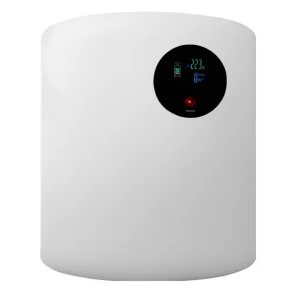
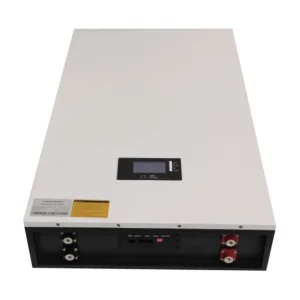
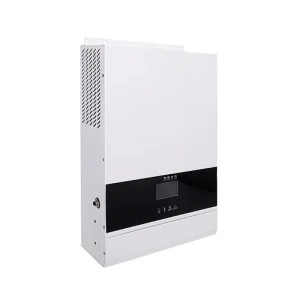
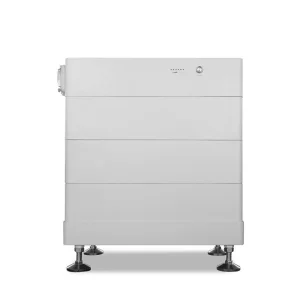
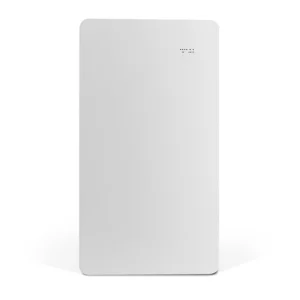
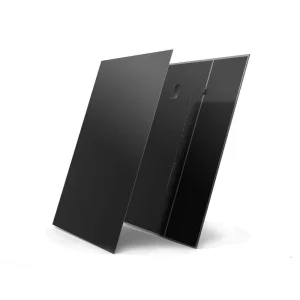
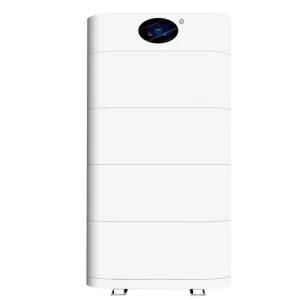
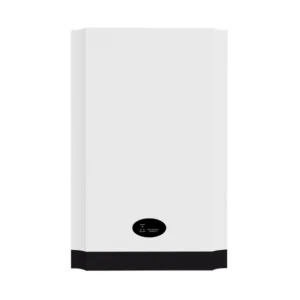
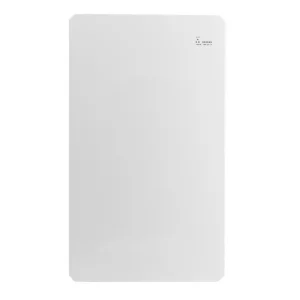
Explore our premium range of lithium battery banks, stackable residential packages, and advanced solar inverters.
The global transition toward decentralized renewable energy grids has elevated photovoltaic (PV) batteries from optional auxiliary hardware to foundational infrastructure. As power networks grapple with intermittent generation profiles from utility-scale solar farms and localized microgrids, energy storage system (ESS) architectures have undergone rapid evolution. Advanced lithium iron phosphate (LiFePO4) chemistries, combined with high-voltage architectures, represent the state-of-the-art for contemporary projects seeking high round-trip efficiency (RTE) and low Levelized Cost of Storage (LCOS).
Today's industrial trend is driven by three primary operational variables: safety, longevity, and thermal stability. While early-generation storage relies on standard ternary lithium compounds, the industry has universally shifted toward LFP due to its innate resistance to thermal runaway and remarkable cycle life (exceeding 6,000 cycles at 80% Depth of Discharge). Furthermore, the rising integration of smart building envelopes has fostered the adoption of Building Integrated Photovoltaics (BIPV) using Cadmium Telluride (CdTe) thin-film cells, which perform optimally even in diffused lighting and high-temperature conditions.
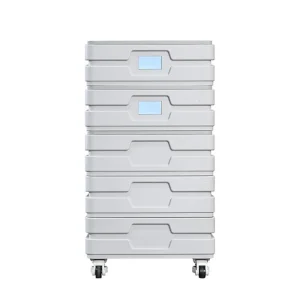
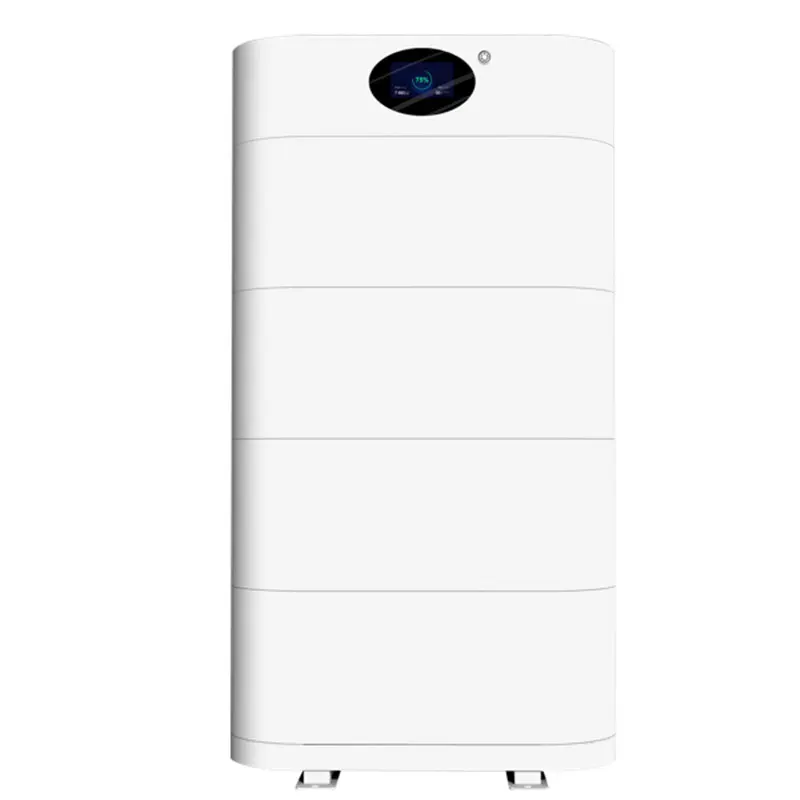
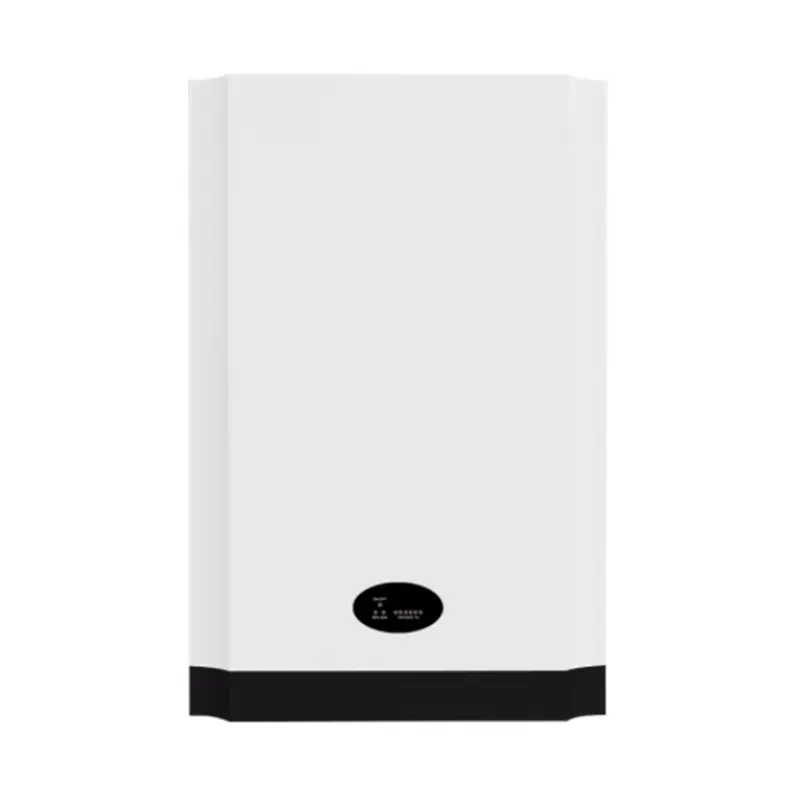
Modern energy storage relies on structural and chemical optimization. Standard high-quality PV batteries employ precise cell-to-pack (CTP) designs, removing redundant module structures to improve volumetric energy density. By selecting A-grade prismatic LiFePO4 cells, manufacturers can ensure minimal internal resistance variation, resulting in stable discharge paths and thermal profiles. Elemro's high-voltage stackable battery systems utilize advanced localized Battery Management Systems (BMS) that actively manage cell balancing, preventing accelerated degradation due to microscopic differences in cell capacitance.
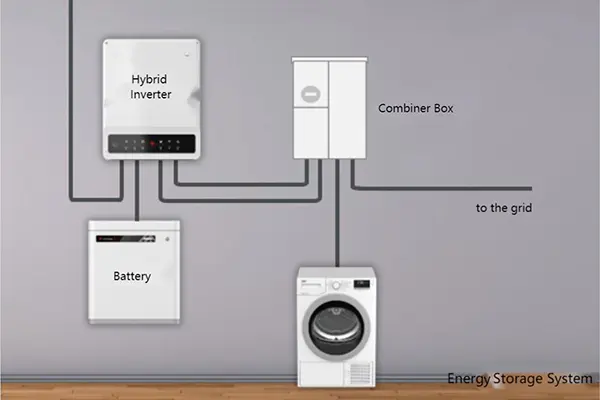
Grid stability is no longer just about storage capacity—it requires real-time grid integration. Next-generation PV batteries work in harmony with smart inverters to perform high-speed frequency regulation, voltage support, and peak-shaving operations. Transitioning between off-grid isolation and on-grid sync needs to be seamless (less than 10 milliseconds) to protect critical industrial equipment from phase variations. This interactive design ensures that enterprises can exploit volatile time-of-use tariffs, storing cheap energy during off-peak generation windows and dispatching it when grid rates climb.
We provide cleaner energy for a greener world through integrated infrastructural solar products.

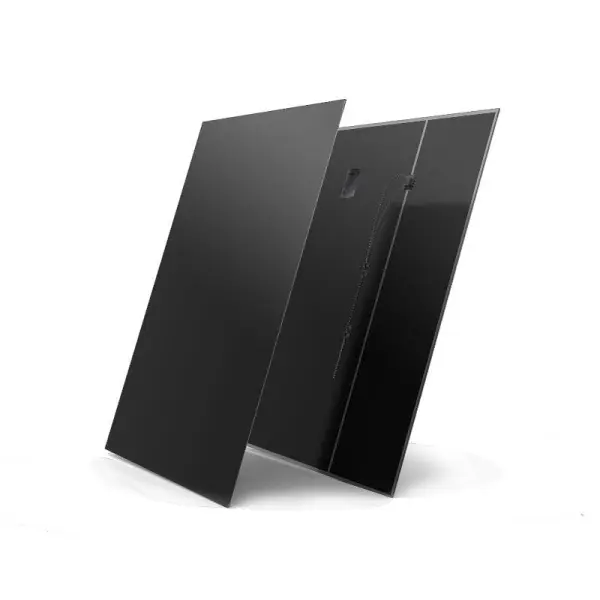
High-transmittance, ultra-clear patterned solar glass optimized for PV module encapsulation. Engineered to withstand harsh outdoor conditions while maximizing photon absorption rates for silicon cells.
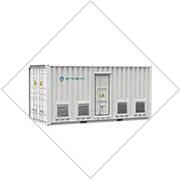
Turnkey, megawatt-level utility-scale energy storage systems containerized inside durable weather-proof enclosures. Features liquid-cooling systems, advanced fire suppression (FM200/Aerosol), and integrated high-voltage distribution racks.
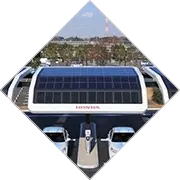
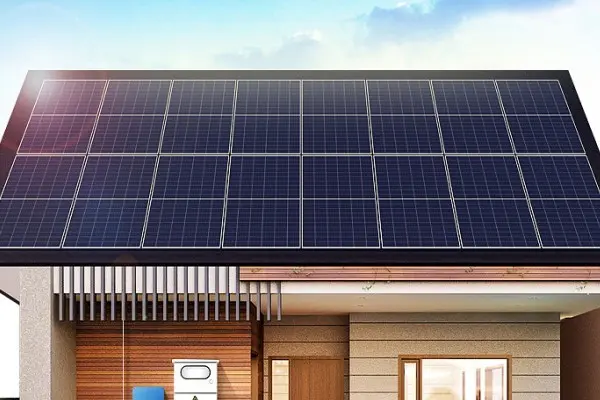
Architectural structural frames integrating overhead solar generation. Designed for commercial office parks, municipal facilities, and residential complexes to maximize land use efficiency while charging EV fleets.
Established in 2019, headquartered in Xiamen, China, Elemro Energy has specialized in new energy storage and electrical product solutions with rich industry experience. We stand as a market leader in the new energy industry by unifying advanced R&D, precision production, and global sales.
Our products have been deployed across more than 250 customers in Europe, Southeast Asia, Africa, Mid-east, America, and beyond. Since its establishment, ELEMRO’s revenue has grown rapidly every year, with the annual turnover exceeding 50 million USD.
About Us & Service NetworkEstablished
Global Customers
Annual Turnover (USD)
Key technical specifications and engineering standards sought by international utility developers and EPC contractors.
Strict compliance with IEC 62619, UL 1973, UL 9540A, and UN 38.3 is mandatory. Global buyers demand safety reports testing thermal runaway dispersion prevention within modular structures.
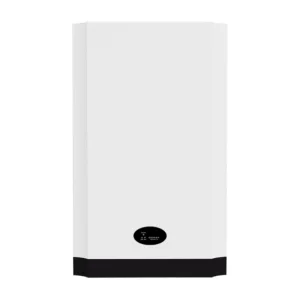
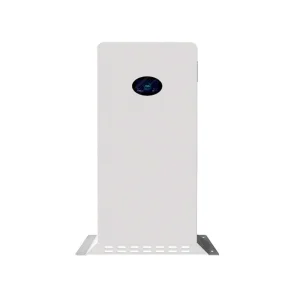
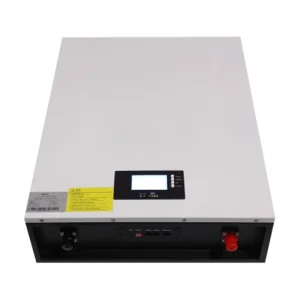
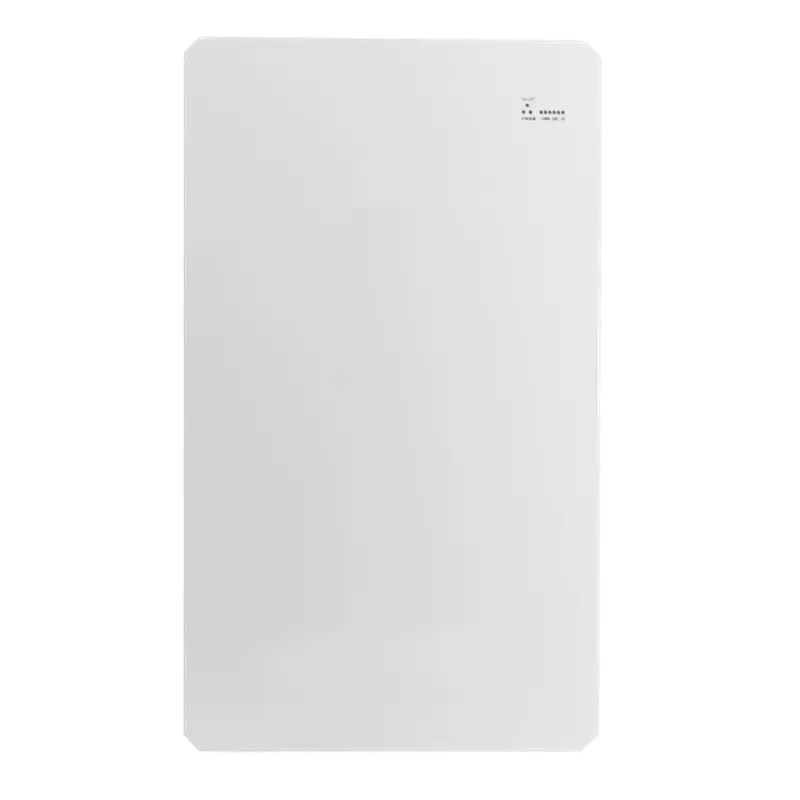
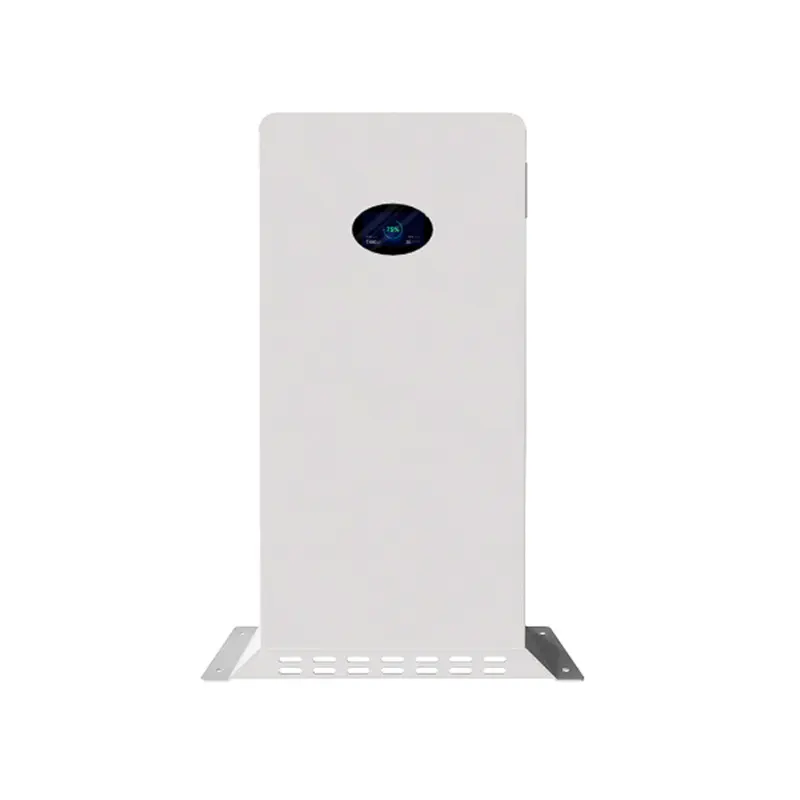
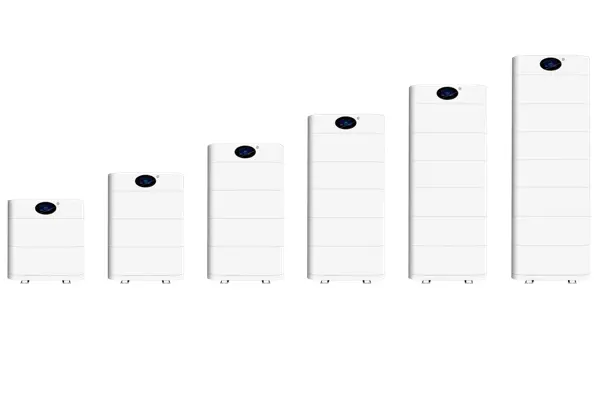
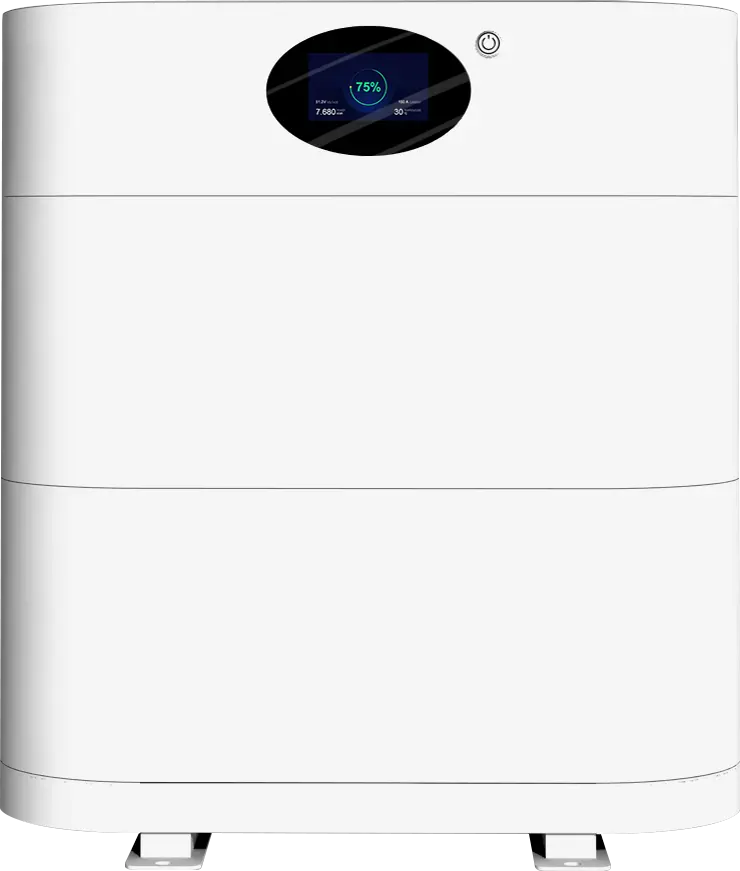
Procuring units must support parallel scaling without requiring external control boxes. Stackable and slide-in setups (such as the WHLV 5kWh/10kWh or SHELL series) allow easy future capacity expansions.
Procuring units prioritize batteries that display a minimum of 95% RTE. Higher efficiency reduces lost generation, directly boosting project ROI over 10 to 15 years.
Premium solutions chosen by commercial developers and system integrators worldwide.
To address the diverse and evolving storage requirements globally, industrial developers deploy multi-tiered architectures based on energy density and physical footprint limits. For instance, commercial buildings and high-tech warehouses integrate Building-Integrated Photovoltaics (BIPV) with high-capacity containerized batteries to create local microgrids. This integration minimizes reliance on external grid infrastructure and provides a buffer during grid drop-outs. Elemro Energy remains committed to this pathway by actively developing technologies in the following key directions:
Standard low-voltage battery banks (often nominal 48V) are ideal for residential systems, offering simple maintenance, ease of installation, and stable safety thresholds. However, to power larger commercial scales (C&I), system voltage is increased upwards of 400V to 800V. This transition reduces line current, minimizes ohmic line losses, and simplifies inverter hardware integration. Elemro Energy provides products tailored to both paradigms: the WHLV series addresses safe home integration, while the high-voltage stacked systems offer larger industrial microgrids efficiency at scale.
BIPV technologies represent a new phase in clean architecture, turning outer wall surfaces into generators. CdTe (Cadmium Telluride) thin-film cells offer a low temperature coefficient and strong performance under shaded conditions compared to standard crystalline silicon panels. Incorporating CdTe thin-film systems with high-quality lithium battery storage systems forms self-sufficient commercial offices.
Ensuring high reliability across different territories requires aligning with regional electrical and dynamic safety codes. From European CE and VDE-AR-N 4105 compliance standards to North American UL certifications, our production lines conform to rigorous QA tests. ELEMRO's localized service branches in Europe, Southeast Asia, and America provide custom-engineered parameter setups, active technical support, and responsive warranty networks.
Expert clarifications on photovoltaic battery performance, safety specifications, and layout designs.
Our premium grade LiFePO4 cells are rated for ≥ 6,000 complete charge/discharge cycles at 80% Depth of Discharge (DoD) under room conditions (25°C). Active cell balancing managed by our proprietary smart BMS prevents early capacity mismatching, maintaining state-of-health (SoH) above 80% after 10 years of typical daily operation.
High-voltage designs stack cells in series to raise operating system voltage (up to 400V–800V). Elevating system voltage reduces the working current for identical power outputs, lowering thermal buildup and conduction loss in cabling. Furthermore, high-voltage systems link directly with high-voltage hybrid inverters, saving DC-to-DC step-up processing stages and improving round-trip efficiency by 2–4%.
Yes, Cadmium Telluride (CdTe) panels exhibit a low temperature coefficient (-0.21%/°C compared to silicon's -0.4%/°C). This ensures minimal output drops under high temperatures. Their wider spectral response also enables power generation during early morning, late evening, and cloudy conditions, making them ideal for BIPV integrations.
Our containerized systems feature multi-layered protection, including local liquid cooling pipelines to maintain uniform cell temperatures, continuous gas/smoke detection, and active fire suppression (using FM200 or Aerosol extinguishing agents). Additionally, they feature circuit-breaker designs and isolation controls at the cell, module, and container levels.
Stay updated with our technical articles, product release highlights, and event invitations.
We work with trusted global component suppliers and certified engineering partners.





High voltage stackable models, cadmium telluride BIPV panels, and custom ESS batteries.
For inquiries about our products or custom configuration solutions, please leave your details. Our application engineering team will get back to you within 24 hours.
Inquiry For Pricelist Elemro Energy