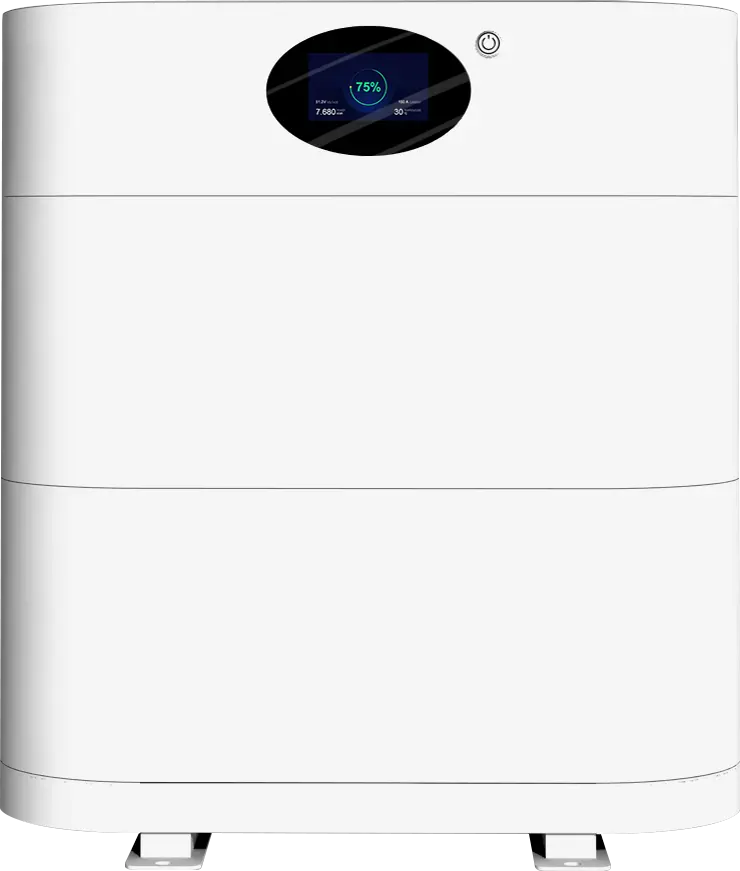
High-efficiency LiFePO4 batteries engineered for residential grid-independence and high-voltage commercial applications.
An authoritative analysis of battery technologies, supply chain factors, and localization standards for global B2B procurement officers.
As the global power infrastructure transitions toward decentralized energy resources (DERs), modern Power Storage Devices have evolved beyond mere backup power solutions. They now function as active energy hubs capable of peak shaving, frequency regulation, and microgrid stabilization. The core architecture of these units leverages Lithium Iron Phosphate (LiFePO4) chemistry due to its unparalleled thermal stability, extended cycle life, and eco-friendly composition compared to nickel-cobalt chemistries.
For industrial developers, telecom infrastructure providers, and BIPV project managers, choosing the correct manufacturer involves evaluating the total cost of ownership (TCO) and levelized cost of storage (LCOS). Elemro Energy, as an integrated market leader in the energy storage industry, coordinates research, production, and custom deployment services to provide solutions that actively decrease grid vulnerability while boosting return on investment (ROI).
A comprehensive approach to modern energy systems demands hardware flexibility. Our capabilities span across three primary structural categories:
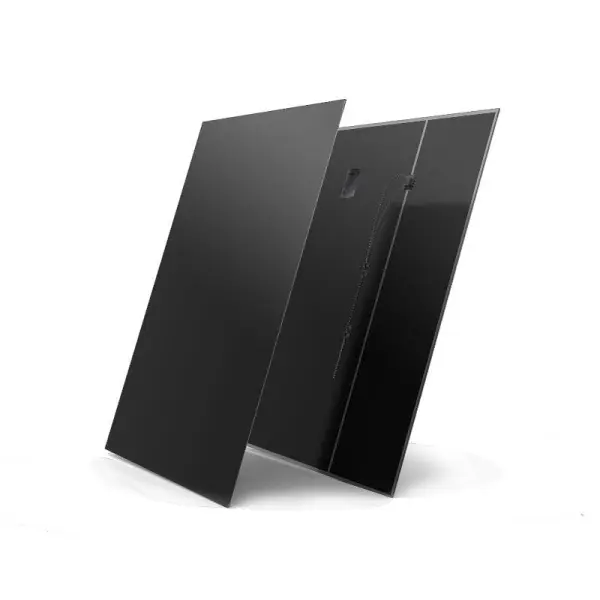
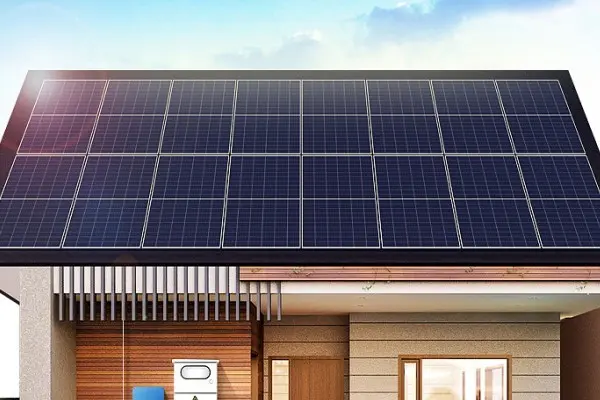
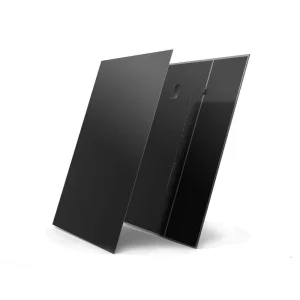
Utilizing Elemro CdTe (Cadmium Telluride) thin-film solar cells, building envelopes are transformed into power-generating assets. These systems operate exceptionally under weak light and high-temperature conditions, making them ideal for modern architectural facades.
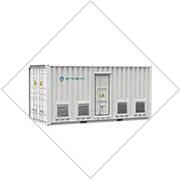
For utility-scale deployments, localized modular energy storage containers (utilizing high-capacity racking, integrated liquid-cooling systems, and automatic aerosol fire suppression) offer megawatt-level capabilities to match industrial power requirements.
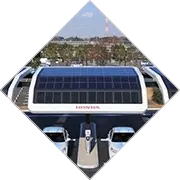
Decarbonizing modern transit require charging structures built directly on top of smart-car shelters. These utilize high-voltage lithium battery buffers to handle the high transient currents of EV quick-chargers without disrupting the municipal grid.
The manufacturing infrastructure in Xiamen, China, provides distinct structural advantages for energy storage production. First, proximity to key raw material processing plants reduces the transportation logistics overhead for lithium carbonates and precursor elements. Second, the regional cluster fosters rapid collaborative iterations between our advanced R&D engineers and global electronics manufacturing systems providers.
Consequently, Elemro Energy can secure tier-one battery cells while maintaining strict control over battery pack assembly, thermal interface optimization, and the programming of advanced Battery Management Systems (BMS). This vertical integration explains why Elemro's annual turnover is expected to cross the $50 million USD mark in 2023, while shipping highly reliable units to Europe, Southeast Asia, the Middle East, and the Americas.
Global procurement specialists are primarily concerned with localized utility safety compliance and grid certification. High-voltage energy storage systems must comply with strict testing protocols to guarantee safety and performance:
At Elemro Energy, every high-voltage stacked system and wall-mounted battery is pre-tested to meet these regulations. Furthermore, our localized technical support networks ensure prompt engineering troubleshooting, spare parts supply, and remote firmware adjustments, minimizing commissioning delays for developers.
To assist procurement teams in determining direct system integration pathways, we analyze localized operational dynamics below:
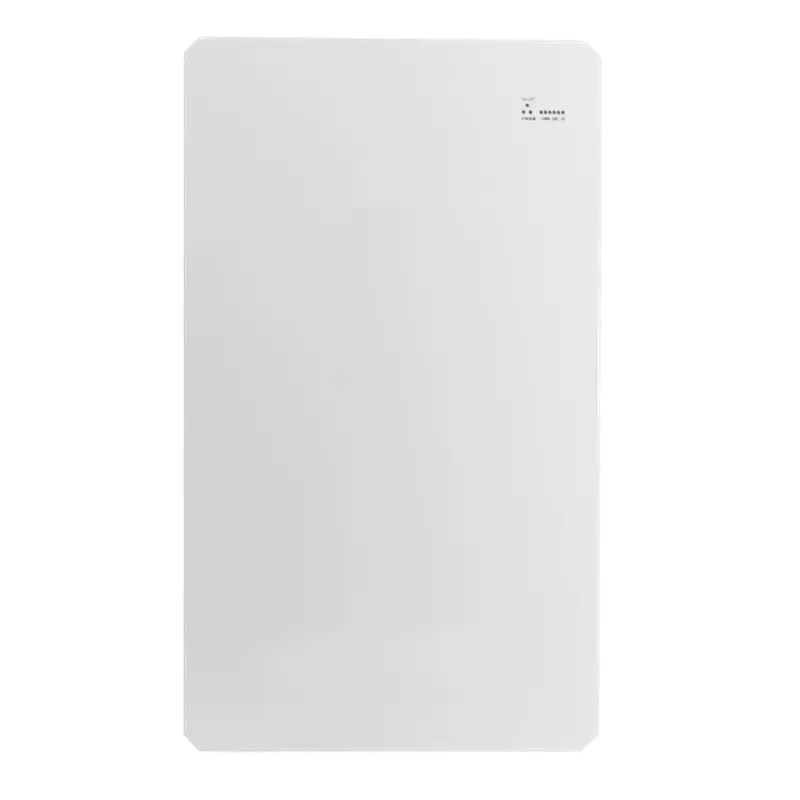
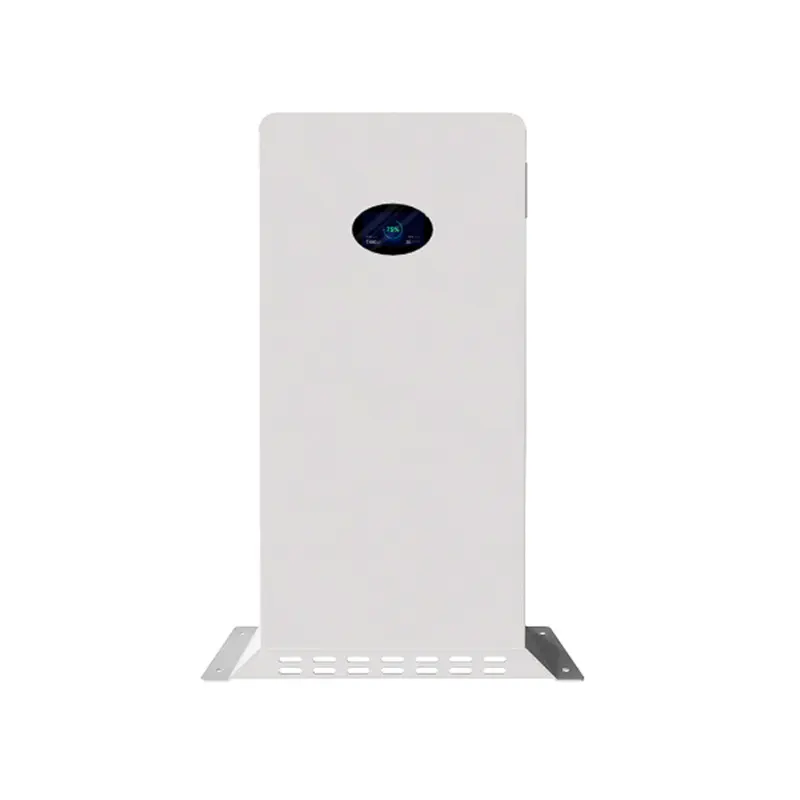
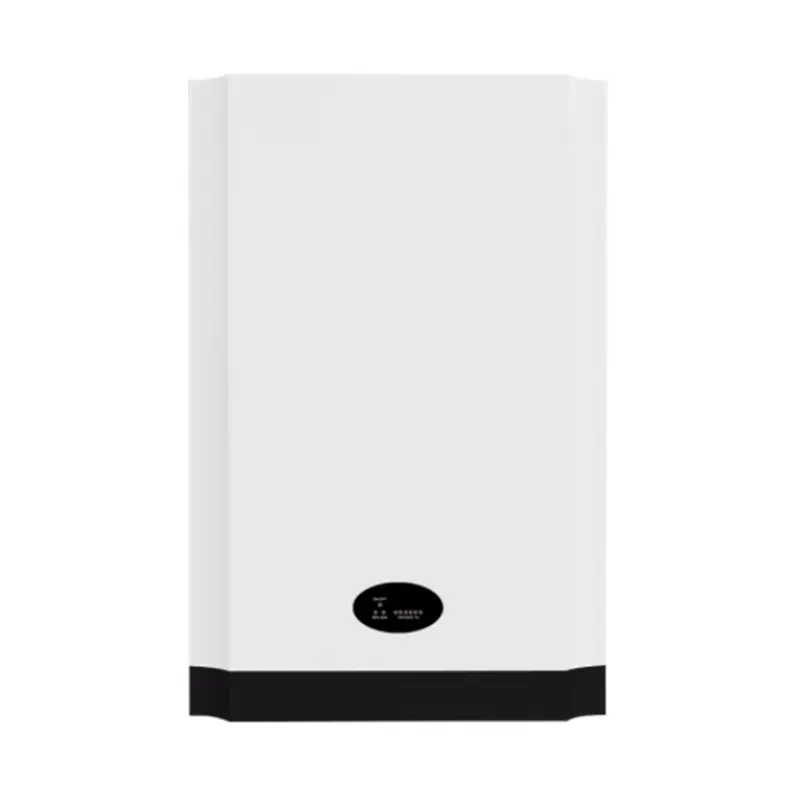
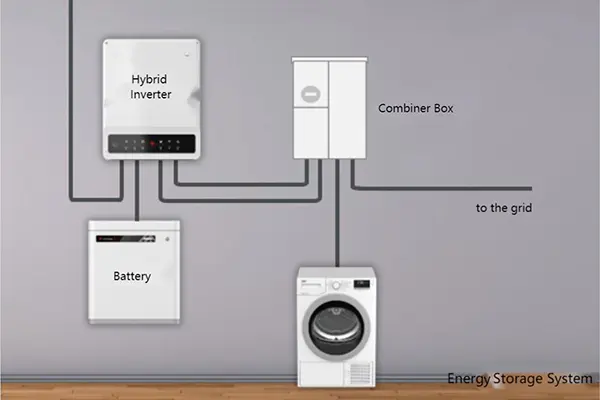
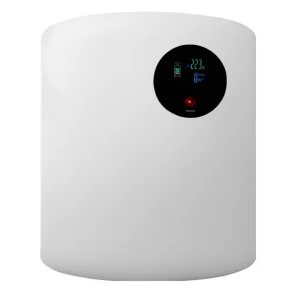
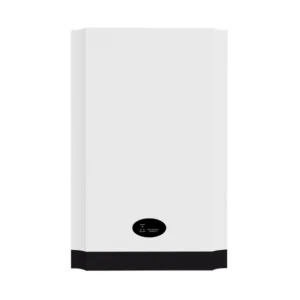
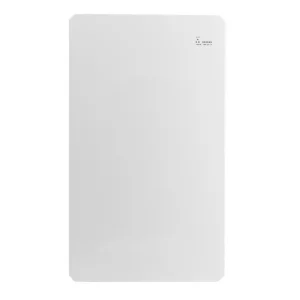
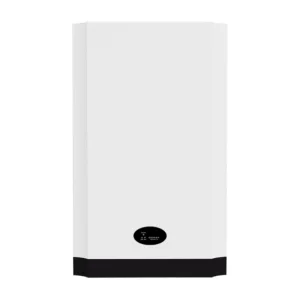
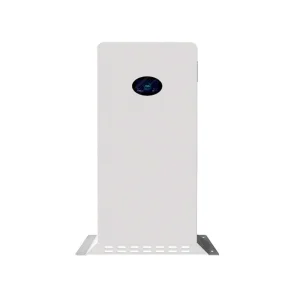
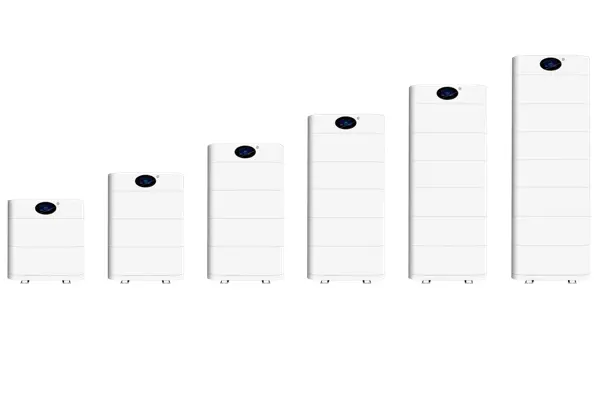
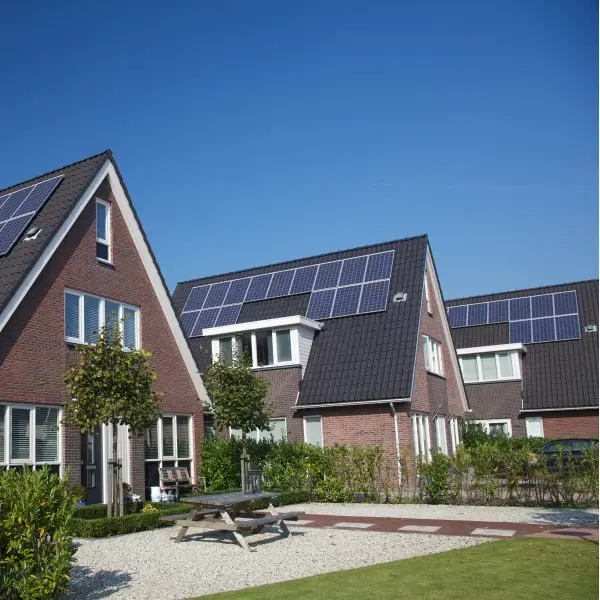
A. Residential Self-Consumption & Peak Shaving: Homeowners looking to escape rising utility tariffs utilize systems like the Elemro WHLV 10KWh or the WHLV 5KWh Solar Battery. These systems allow residential clients to store excess daytime solar energy and discharge it during peak tariff hours, lowering household energy costs.
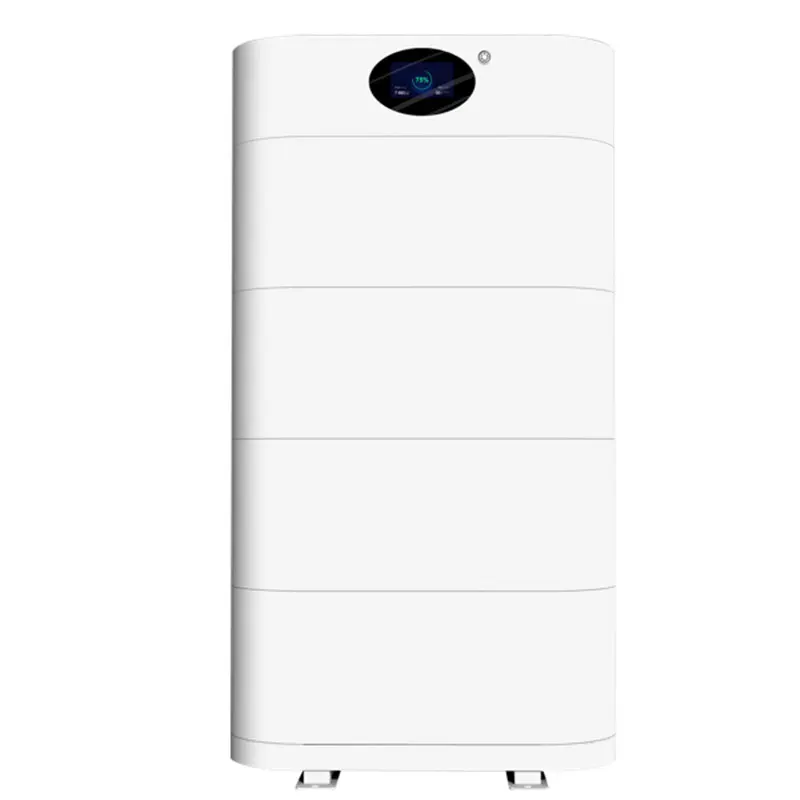
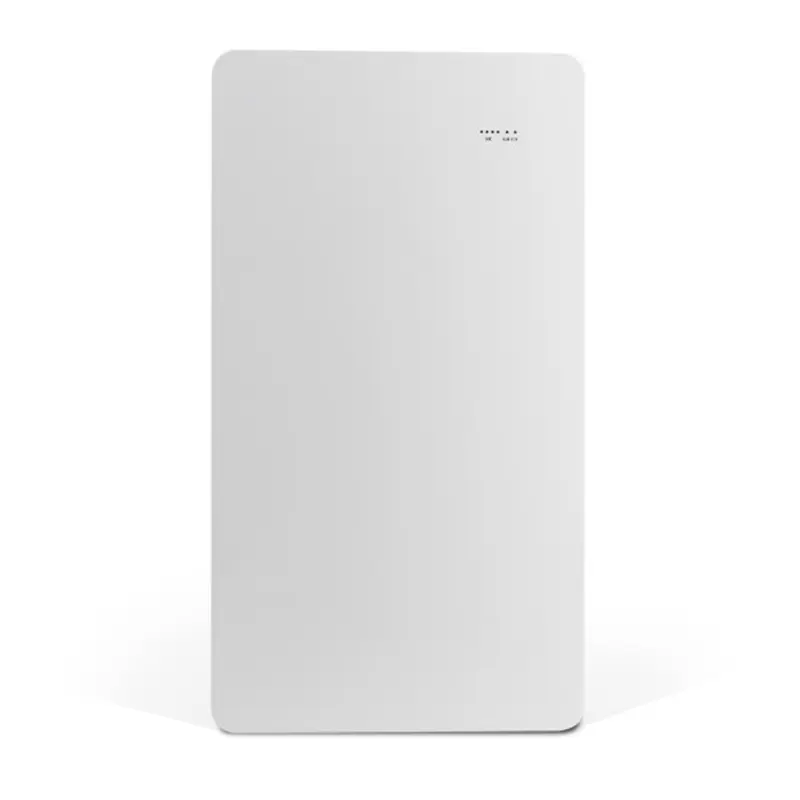
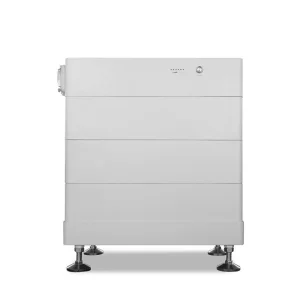
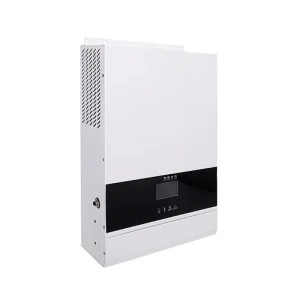
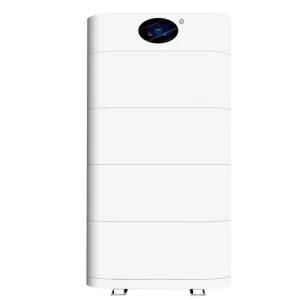
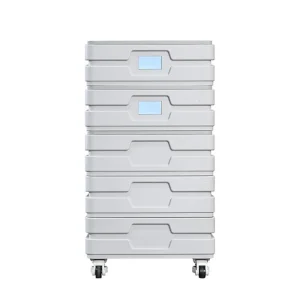
B. Commercial Peak-Shaving & Demand-Charge Minimization: Commercial complexes utilize Elemro SHELL 14.3KWh stackable systems to lower demand-charge penalties. By monitoring load surges, the integrated BMS initiates immediate discharge from the storage devices, maintaining utility grid draws below contractual thresholds.
C. Building-Integrated Photovoltaics (BIPV): By combining our CdTe Cadmium Tellurium Thin Film Solar Cells directly with high-voltage stackable battery systems, multi-story office buildings become net-zero assets, capturing solar radiation on vertical building envelopes while storing the generated energy in basement power units.
We provide cleaner energy for a greener world through integrated systems.

High-voltage batteries, home backups, and BIPV solutions designed for global deployment.
Start a green and convenient life with Elemro Energy.
Established in 2019 and headquartered in Xiamen, China, ELEMRO Energy has grown into an integrated pioneer in energy storage and electrical product solutions. The company unifies research and development, manufacturing, and international sales pipelines into a cohesive platform. ELEMRO's annual turnover is expected to exceed $50 million USD in 2023, reflecting stable, rapid growth that provides buyers with confidence in long-term warranty support.
By leveraging robust manufacturing systems and design optimization, ELEMRO's products are deployed by more than 250 industrial partners worldwide. We maintain engineering teams specializing in power electronics and battery cell chemistry, ensuring our products keep pace with changes in utility grids and local safety codes.
To assist strategic planning for future utility systems, procurement managers must evaluate several industry trends:
Technical answers to key battery integration, sourcing, and performance questions.
High-voltage stacked battery systems decrease the current required to deliver a equivalent power output, reducing thermal dissipation losses (I²R losses) and allowing for smaller cable sizes. This makes installation easier, improves round-trip efficiency (RTE), and simplifies scaling through vertical modular blocks.
LiFePO4 chemistry offers structural and thermal stability, with a thermal runaway temperature threshold of roughly 270°C compared to NMC's ~210°C. LFP batteries also sustain up to 6000-8000 cycles at 80% Depth of Discharge (DoD), compared to approximately 2000-3000 cycles for NMC, lowering the lifetime cost of storage (LCOS).
For European distribution, systems must carry CE marking and meet IEC 62619 guidelines. In North America, UL 1973 (for battery packs) and UL 9540A (large-scale fire testing) are critical certifications required by local code authorities before grid connection.
Cadmium Telluride (CdTe) thin-film solar cells feature a low temperature coefficient, minimizing power loss under high temperatures. They also perform better in diffuse light conditions (such as overcast skies or vertical building facades), making them suitable for Building-Integrated Photovoltaics (BIPV).
Analysis, design guidelines, and updates from our engineering division.





 Elemro Energy