Engineered to deliver industry-leading energy density, safety, and cycle longevity for utility grid connections.
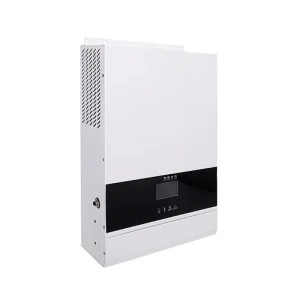
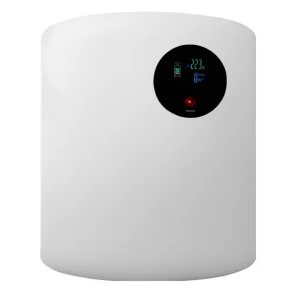
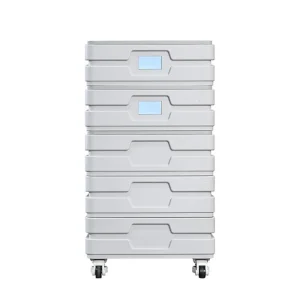
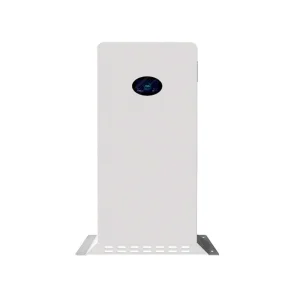
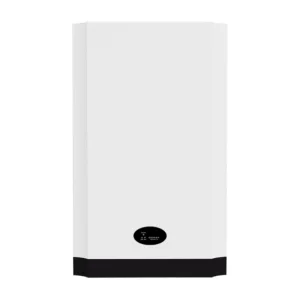
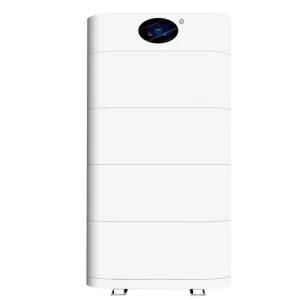
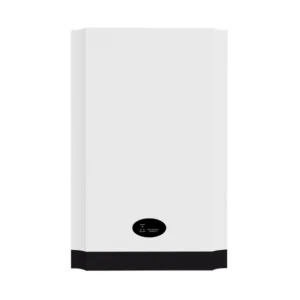
Exploring global megawatt energy storage developments, battery safety standards, and factory integration trends.
The transition toward clean energy is driving unprecedented demand for utility-scale energy storage. Today's commercial, industrial, and utility projects require energy capacities measured not just in kilowatt-hours, but in Megawatt Hours (MWh). High-Quality Megawatt Battery Manufacturers are at the core of this transition, delivering reliable, scalable, and safe Battery Energy Storage Systems (BESS) designed for grid stability, frequency regulation, and solar-wind integration.
By building systems with containerized, high-capacity lithium iron phosphate (LiFePO4) chemistries, advanced liquid cooling, and redundant safety systems, modern manufacturers are helping project developers achieve lower Levelized Cost of Storage (LCOS) and secure long-term investment returns.
Information Gain Indicator: Levelized Cost of Storage (LCOS) for megawatt-scale installations has dropped by over 45% in the last four years, driven primarily by advanced factory integration (such as cell-to-pack BESS container systems) and streamlined raw material supply chains within advanced industrial hubs.
To assemble high-capacity batteries at the megawatt scale, top-tier factories utilize cutting-edge manufacturing protocols, centering on thermal management, battery management systems (BMS), and physical design layouts:
Standardizes internal cell temperatures to within a <3°C variance, prolonging battery life cycles by up to 25% and reducing thermal runaway risks significantly compared to conventional air cooling systems.
Features microsecond-level detection capabilities that monitor voltage, current, and temperature at the cell, module, and rack levels, seamlessly interfacing with plant-level SCADA systems.
Integrates advanced gas venting, structural blast-relief panels, and automatic aerosol-based fire suppression systems, fully complying with UL 9540A thermal runaway safety test standards.
Megawatt-scale batteries serve crucial procurement use cases across major sectors:
China's lithium battery manufacturing ecosystem stands as the most vertically integrated in the world. By housing cell raw material production, cathode/anode formulation, automated cell fabrication, and full container integration in the same regional hubs (such as Xiamen), factories minimize shipping times and logistics costs.
Furthermore, advanced Factory 4.0 facilities implement digital twin tracing, where every single battery cell receives a unique QR code tracking its precise chemical mixture, testing metrics, and factory cycle results. This absolute traceability guarantees high reliability, meeting the expectations of international insurance firms and engineering, procurement, and construction (EPC) contractors.
Established in 2019, and headquartered in the high-tech renewable energy hub of Xiamen, China, Elemro Energy has specialized in developing advanced new energy storage systems and premium electrical engineering solutions.
As an industry leader merging comprehensive R&D, smart Factory 4.0 production, and global B2B distribution, ELEMRO has delivered solutions to more than 250 industrial customers throughout Europe, Southeast Asia, Africa, the Middle East, and the Americas. ELEMRO's annual turnover is expected to exceed 50 million USD in year 2023, reflecting our strong position and rapid market expansion.

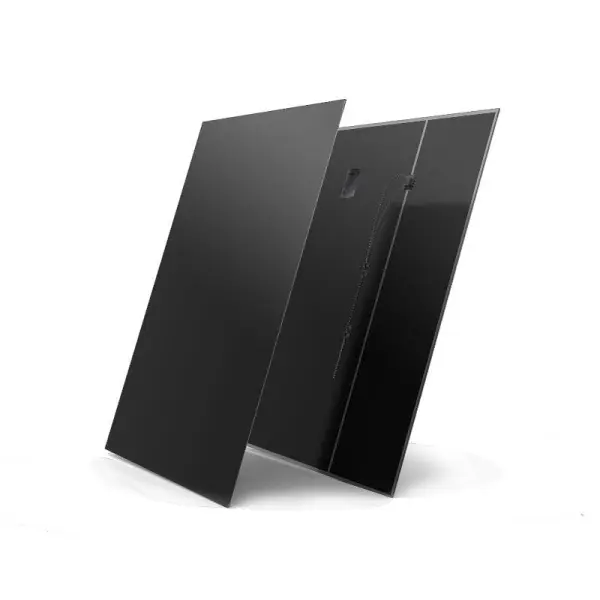
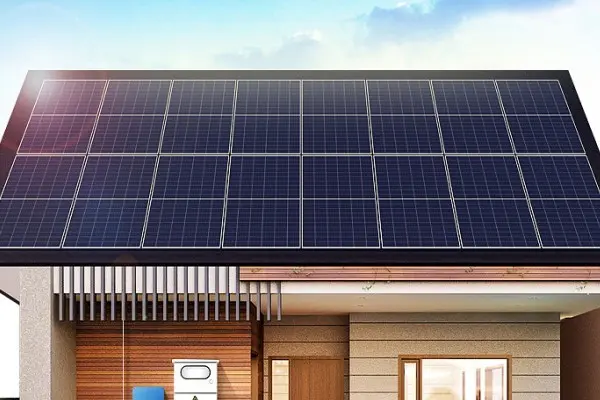
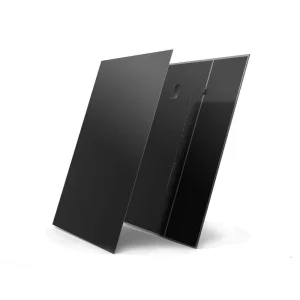
High-transmittance tempered glass engineered for maximum light collection in BIPV solar projects.
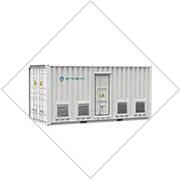
Full turnkey liquid-cooled containers with robust multi-layer fire suppression systems.

Modern dual-use solar structures providing electric vehicle charging and structural protection.
ELEMRO's premium configurations optimized for efficiency, performance, and long life cycles.
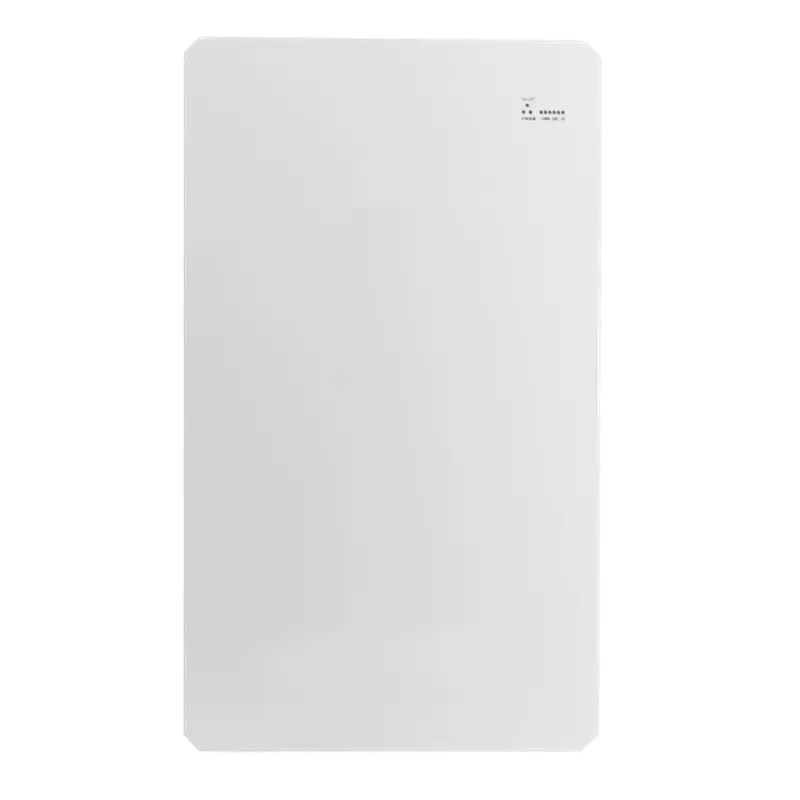
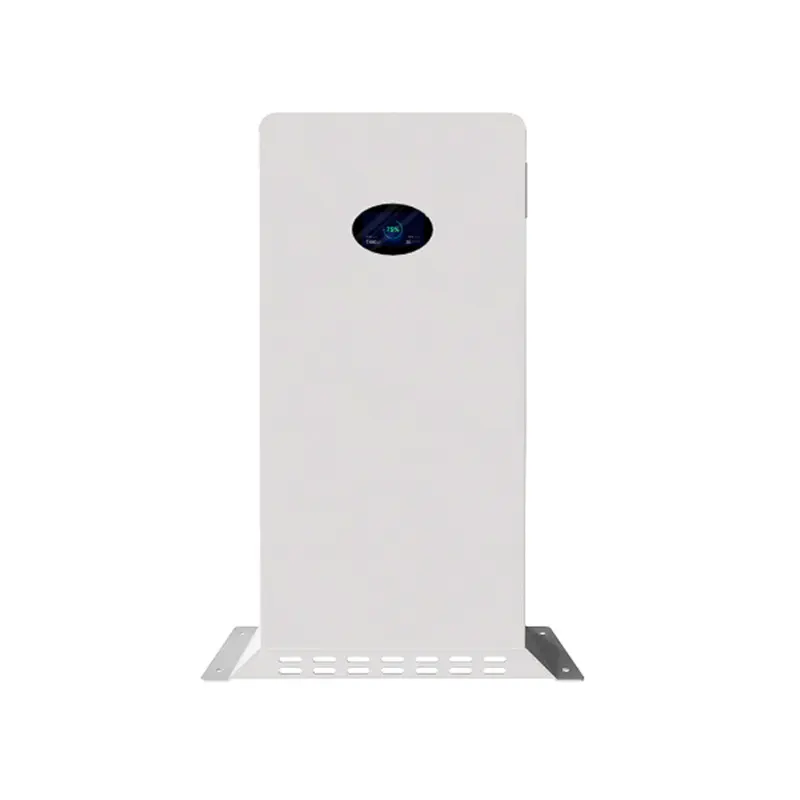
Crucial insights into buying, deploying, and maintaining megawatt battery storage systems.
For international projects, megawatt systems must comply with UL 1973 (for battery cell and pack safety), UL 9540 (system-level safety), and IEC 62619 for industrial applications. Additionally, thermal runaway test reports conforming to UL 9540A must be provided by the manufacturer to satisfy local insurers and grid connection compliance authorities.
Liquid cooling provides a higher heat transfer coefficient than air cooling. This maintains uniform temperatures across large battery cells, limiting local thermal spikes. Minimizing temperature deviations prevents cell aging imbalance, improves round-trip efficiency (RTE), and reduces the risk of fire propagation in high-density installations.
High-quality systems utilizing Premium Grade-A LiFePO4 cells are rated for 6000 to 8000 full cycles at 80% Depth of Discharge (DOD) before capacity drops below 70-80% of its initial rating. Under daily cycle scenarios, this represents a reliable operational lifespan of 15 to 20 years, supported by integrated cell balance circuits in the BMS.
ELEMRO systems are designed to operate with international standard power conversion systems (PCS). Our advanced EMS controllers support standard communication protocols like Modbus TCP/RTU, CAN, and IEC 61850. This facilitates integration with SCADA networks, utility dispatch terminals, and energy management software.
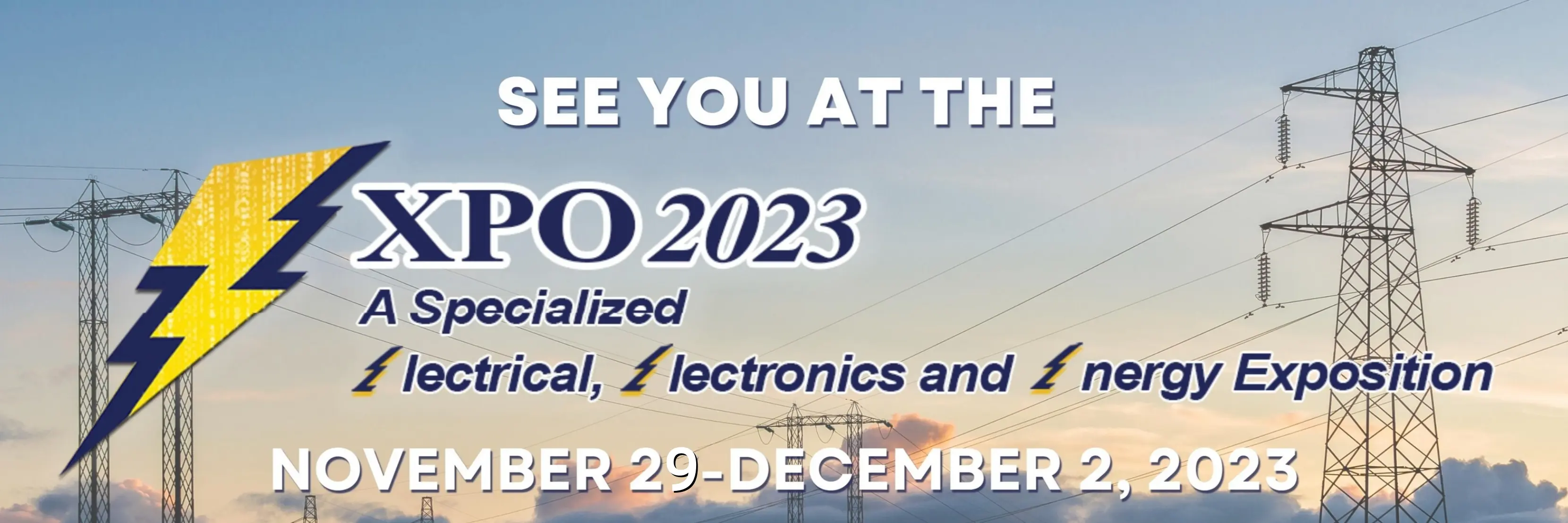
Stay updated with our research papers, technical analyses, and upcoming exhibitions.
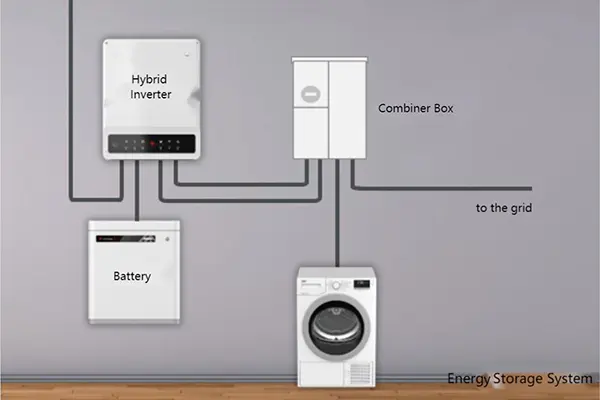
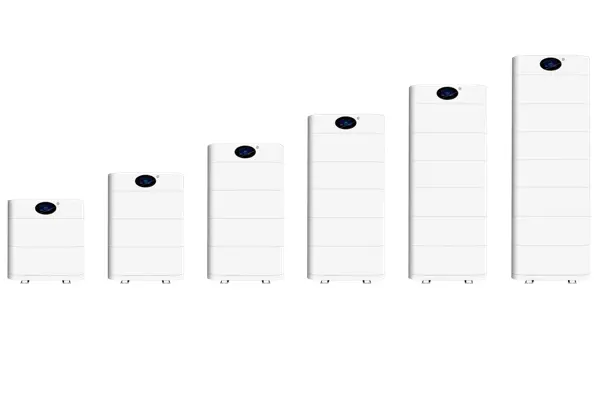
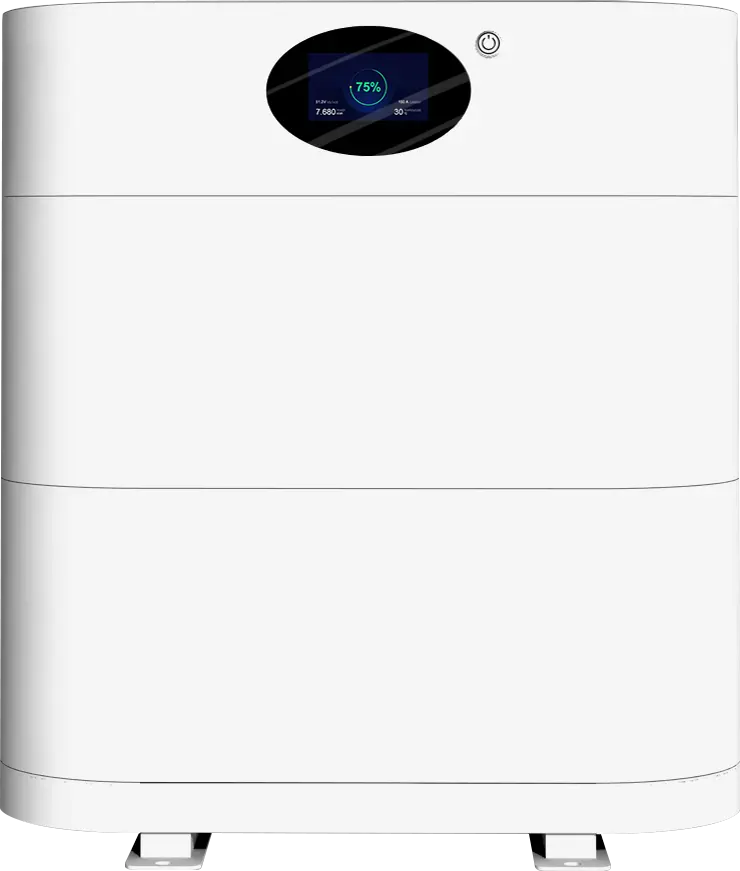
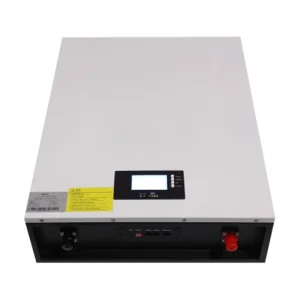
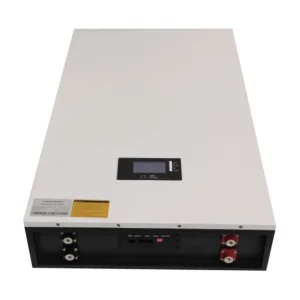
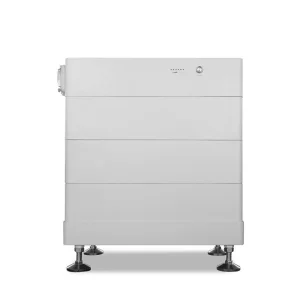
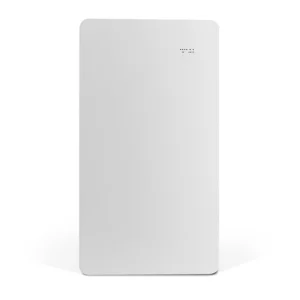
Complete B2B product range from low-voltage home backup systems to high-voltage industrial scale projects.





 Elemro Energy