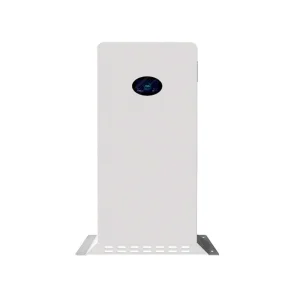
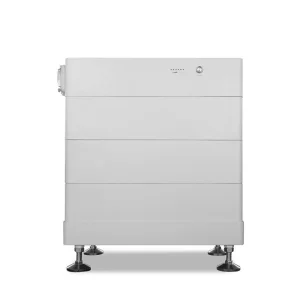
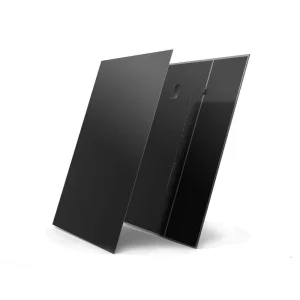
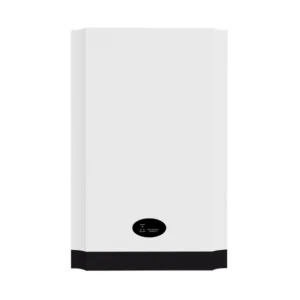

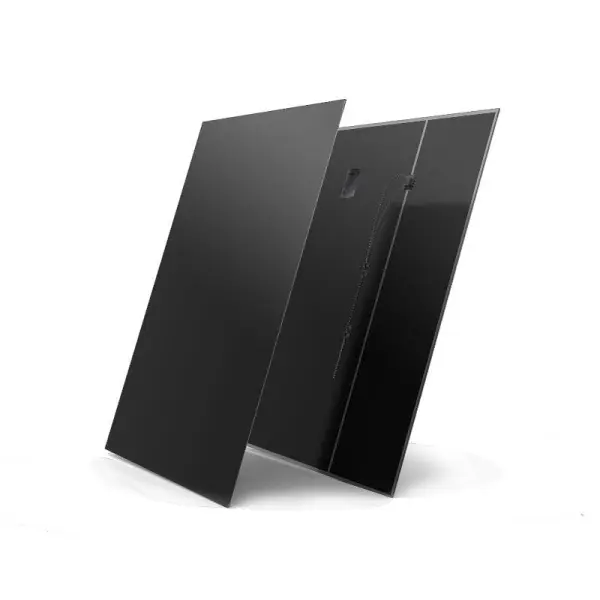
Highly transparent, engineered PV glass designed to maximize light capture and withstand extreme environmental stress.
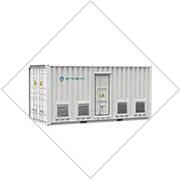
Megawatt-scale ready containerized ESS designed with precision thermal management for industrial applications.
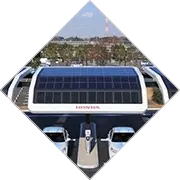
Integrated solar shelter architecture enabling zero-emission vehicle charging alongside clean grid offsets.
Established in 2019 and headquartered in Xiamen, China, Elemro Energy has specialized in new energy storage and electrical product solutions with rich industry experience. As a unified market leader integrating R&D, advanced production, and comprehensive sales channels, we deliver reliability down to every cell and circuit.
Our products have successfully reached more than 250 customers across Europe, Southeast Asia, Africa, the Middle East, and the Americas. ELEMRO's annual turnover is expected to exceed 50 million USD, indicating our robust position and continuous commercial growth.
We harmonize manufacturing with international benchmarks. Every inverter, battery pack, and system components undergo strict performance evaluation before leaving Xiamen.
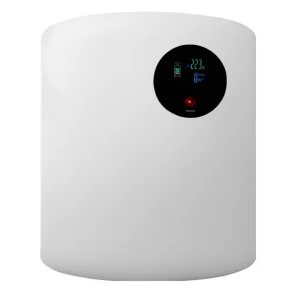
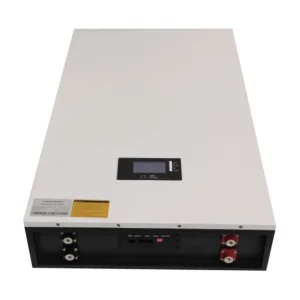
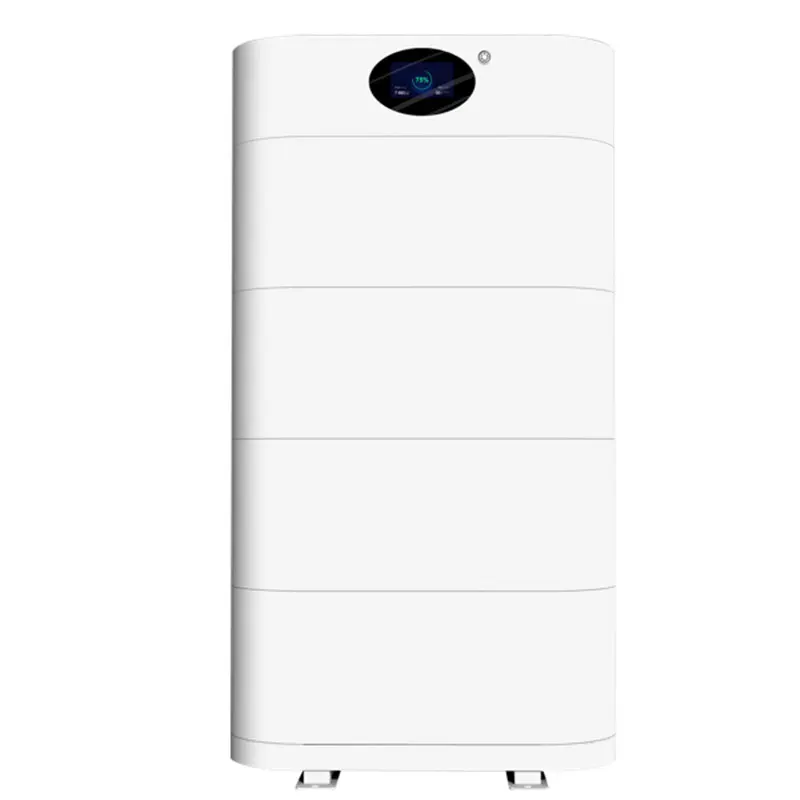
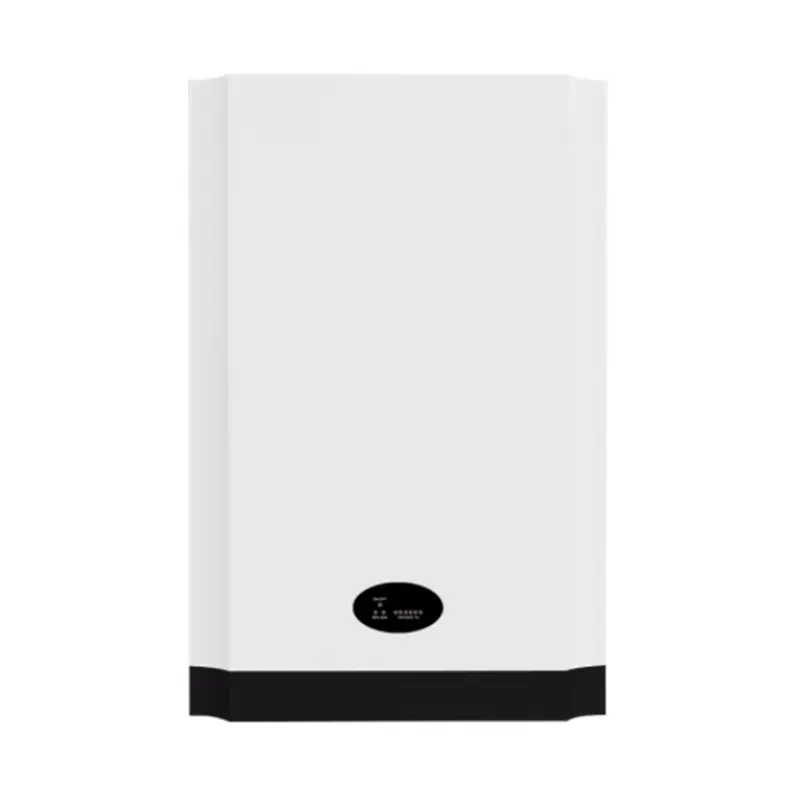
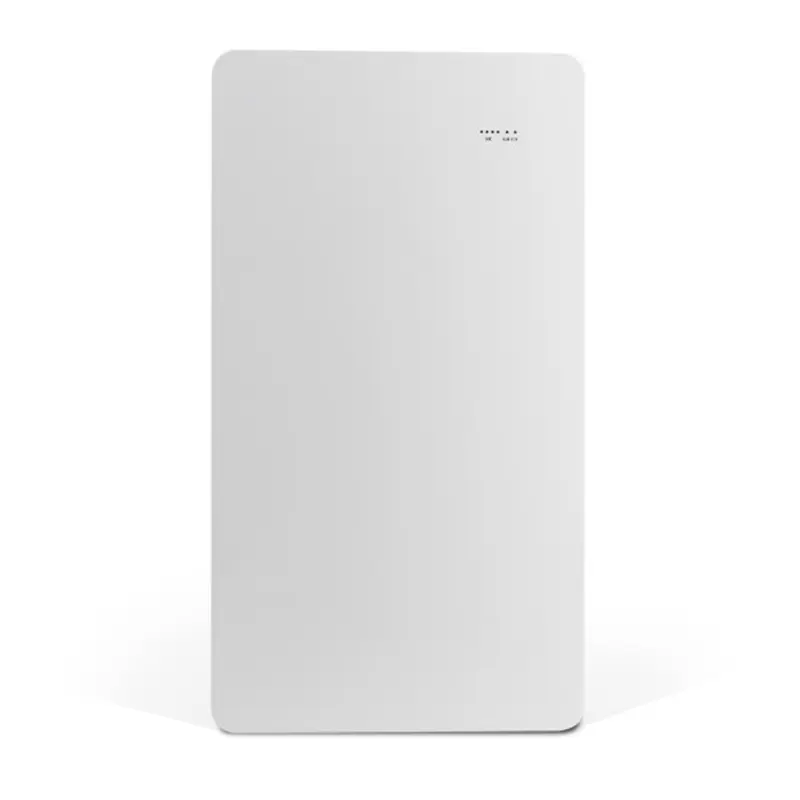
As global power grids face unprecedented strain from climate variability, aging distribution networks, and the integration of highly volatile renewable inputs, residential energy infrastructure is shifting from passive supply-side reliance to active, decentralized management. At the core of this transition sits the home energy storage system (ESS), typically comprised of a Lithium-Ion Inverter coupled with a high-capacity lithium iron phosphate (LiFePO4) battery pack.
Unlike legacy backup generators or basic grid-tied solar systems that shut down during grid outages, modern smart hybrid lithium-ion inverters provide seamless, millisecond-level energy transitions. By acting as the central intelligence unit of the household microgrid, these devices manage bidirectional power flows—deciding when to harvest solar power, when to store energy in the chemical matrix of LiFePO4 cells, when to feed back to the grid for financial incentives, and when to isolate the house in "island mode."
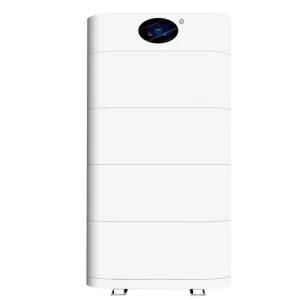
To ensure high-efficiency throughput, contemporary systems employ advanced high-voltage hybrid topologies. Traditionally, residential storage was bound to low-voltage (48V) architectures, which suffered from high resistive current losses ($I^2R$). This demanded thick, expensive copper cabling and capped round-trip efficiency (RTE) at subpar levels. Modern high-quality factories now prioritize high-voltage systems (spanning 100V to over 400V DC bus), allowing lower operating currents, smaller physical dimensions, and system efficiencies exceeding 97.5%.
Integrating inverters with advanced Lithium Iron Phosphate (LiFePO4) chemistry represents a quantum leap in safety and longevity. LiFePO4 possesses structural stability and high thermal runaway thresholds compared to legacy Nickel Manganese Cobalt (NMC) chemistries. When controlled by sophisticated Battery Management Systems (BMS) through CAN/RS485 communication protocols, the hybrid inverter dynamically tracks Cell Voltage, State of Charge (SoC), State of Health (SoH), and internal temperatures to scale charge and discharge rates, mitigating degradation.
The coordination between the inverter's Maximum Power Point Tracking (MPPT) algorithms and the battery BMS ensures that during peak solar radiance, energy is harvested at the maximum possible rate without over-stressing the lithium cells. Advanced MPPT tracking ranges allow the system to initiate solar harvesting earlier in the morning and extend it later into the evening, widening the operational window.
For international EPCs, distributors, and bulk importers, procurement metrics have evolved beyond simple dollar-per-watt considerations. Total Cost of Ownership (TCO), Levelized Cost of Storage (LCOS), and regulatory compliance have taken precedence. Sourcing departments evaluating manufacturers look for comprehensive certification footprints that validate structural integrity under varied electrical and environmental stresses. Key standards include:
Furthermore, bankability is a primary driver in global procurement. Tier-1 buyers require factories that possess stable balance sheets, strong R&D funding, and standardized warranty execution procedures. A reliable factory must demonstrate the capability to supply long-term spare parts, offer firmware updates via Over-The-Air (OTA) protocols, and supply local technical training programs for installation networks.
The supply chain density of the new energy sector in China—specifically within clean technology hubs like Xiamen—offers unparalleled efficiency. This ecosystem allows Elemro Energy to minimize transportation overheads for critical raw materials, such as battery grade lithium carbonate, high-precision semiconductors, and premium magnetic cores.
Under the Industry 4.0 manufacturing framework, our production facilities employ advanced automation at every stage. Laser welding, automated cell grading, automatic module testing, and climatic chamber thermal cycling are executed with minimal human intervention, keeping defects below the parts-per-million (PPM) threshold.
This deep integration guarantees supply chain resiliency even amidst geopolitical shifts and global logistics disruptions. Having established close relationships with major shipping lines and operating from the port city of Xiamen, Elemro ensures consistent shipping lead times, customized packing configurations, and optimized container space usage.
The operational versatility of lithium-ion inverters allows them to adapt to diverse local conditions globally:
When selecting a residential lithium-ion inverter, engineers and procurement managers must evaluate several technical dimensions:
The future of residential energy storage lies in software integration. Modern lithium-ion inverters are transition units that prepare homes for the deployment of Virtual Power Plants (VPPs). Through cloud connection and open APIs, thousands of distributed home batteries can be aggregated to act as a single power plant, stabilizing the regional grid by injecting power during peak demand periods.
This dynamic capability transforms the residential inverter from a simple cost-saving appliance into an active revenue-generating asset, paving the way for sustainable, community-driven energy ecosystems.
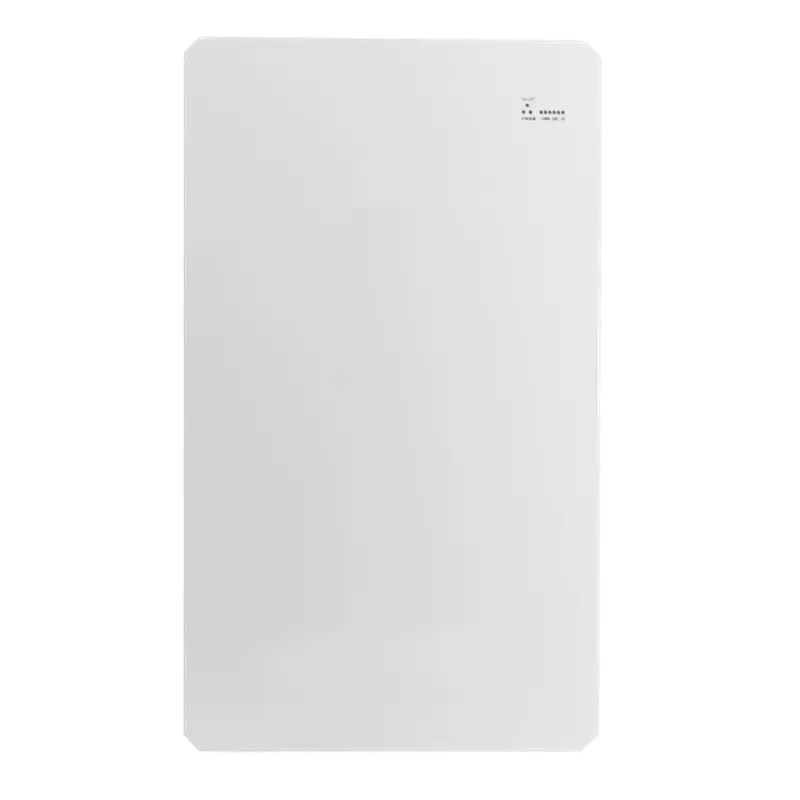
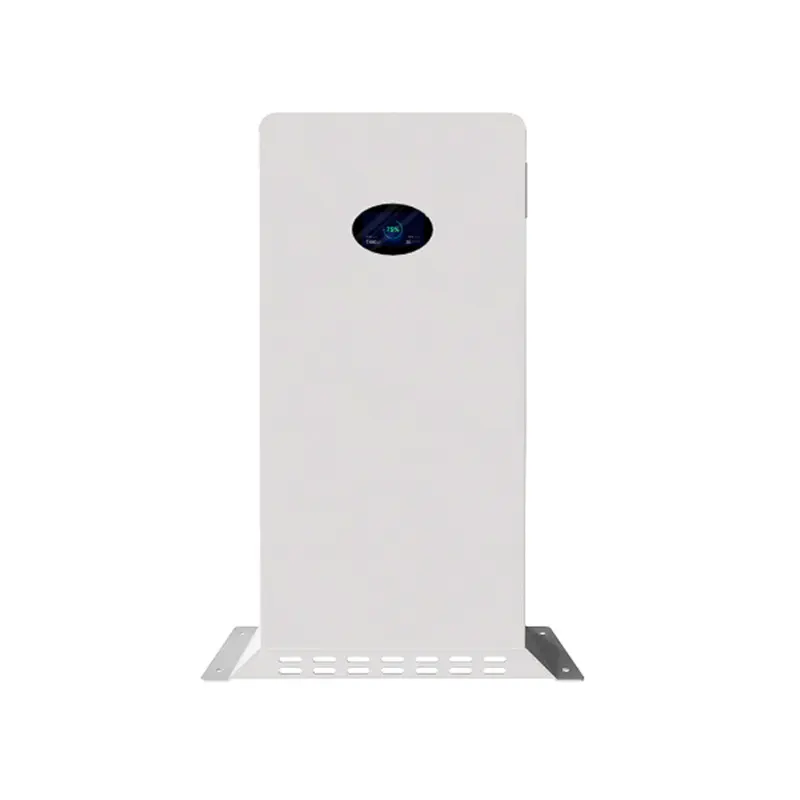
For inquiries about our products, certification sheets, or bulk pricing, please contact us. We will be in touch with a customized quote within 24 hours.
Contact Our Engineers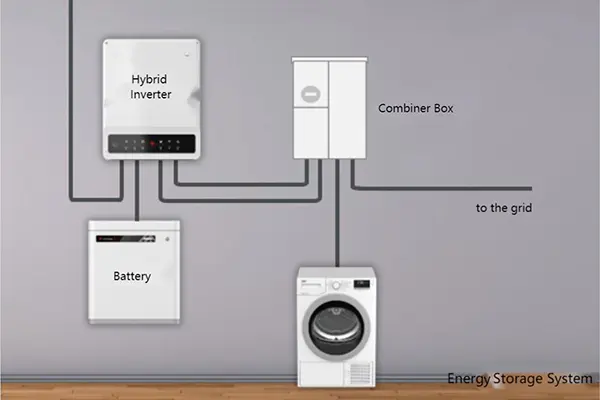
An engineering guide detailing topology differences between DC-coupled and AC-coupled residential energy storage setups...
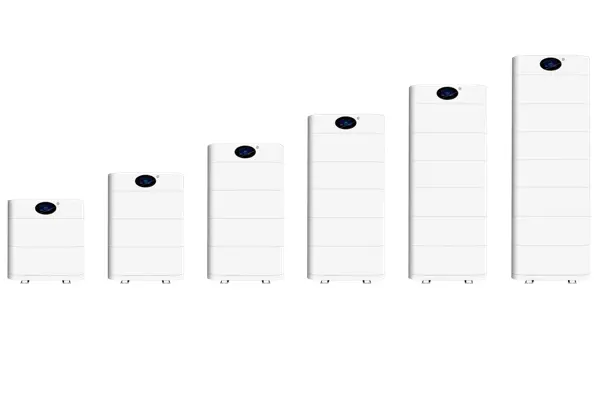
Evaluating degradation models, safety thresholds, and thermal properties of LFP chemistry versus legacy lithium options...
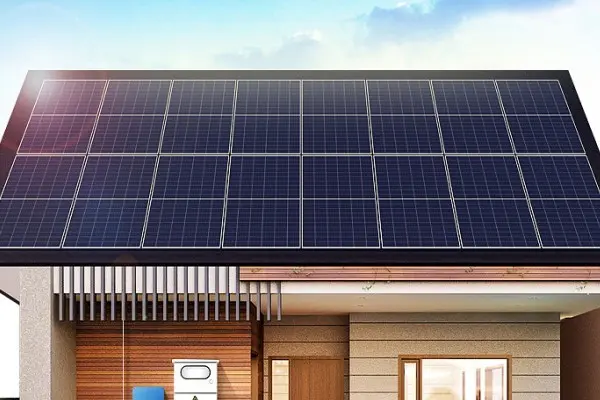
Analyzing high-capacity system setups tailored for commercial peak shaving and residential self-consumption strategies...
Showcasing our latest home hybrid energy systems and high-voltage stacked configurations in Manila...
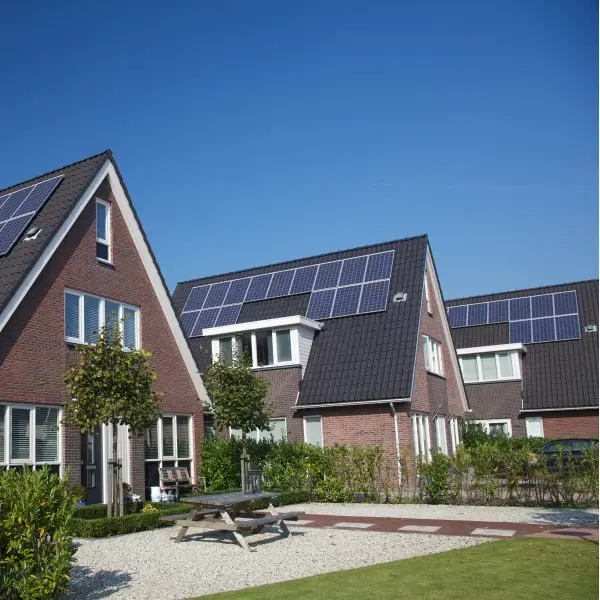
A study exploring spatial utilization in BIPV systems and high-voltage grid integrations...
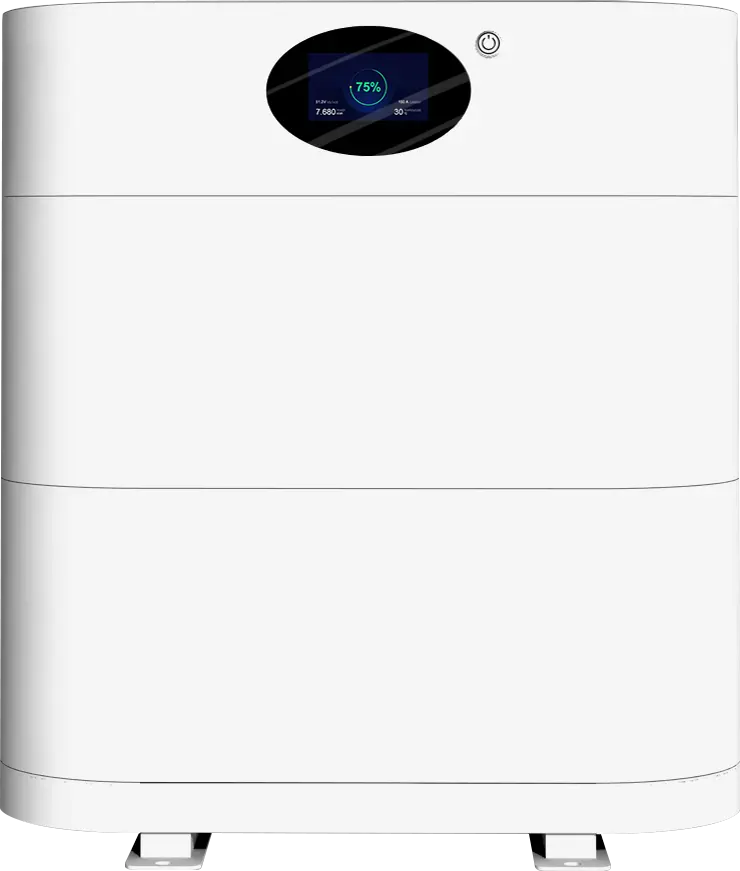
Key specifications overview including cell sorting, BMS algorithms, and modular chassis configurations...




 Elemro Energy