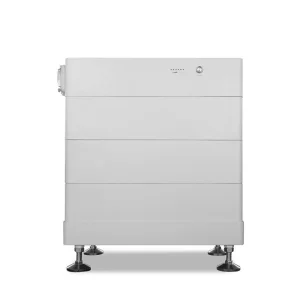
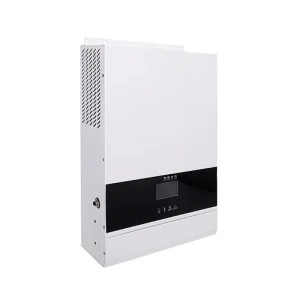
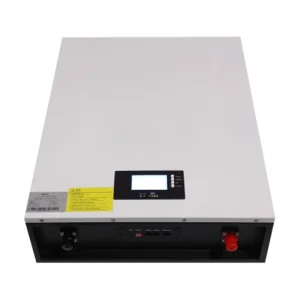
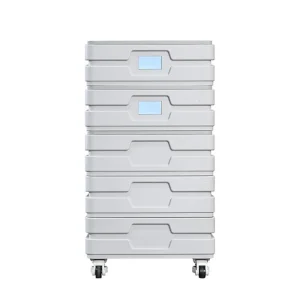
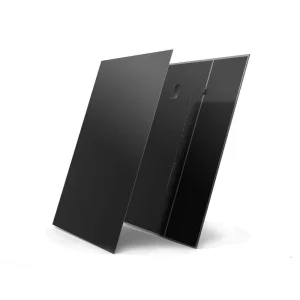
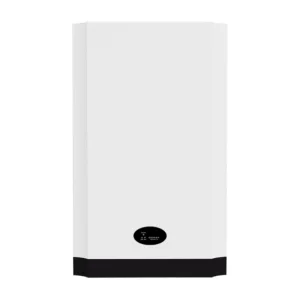
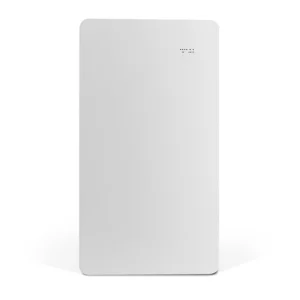
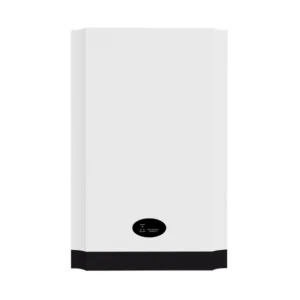
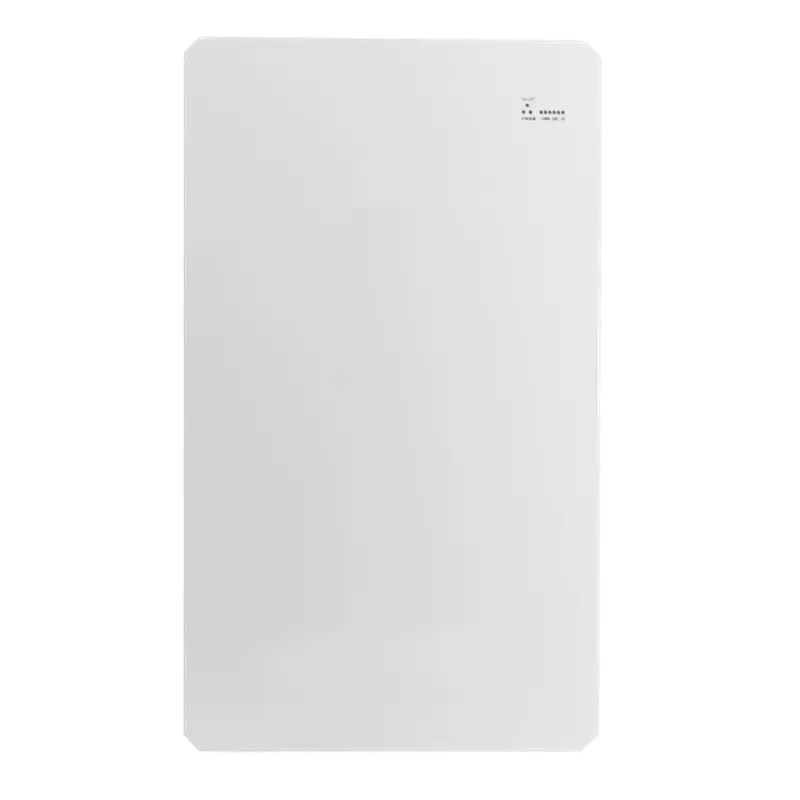
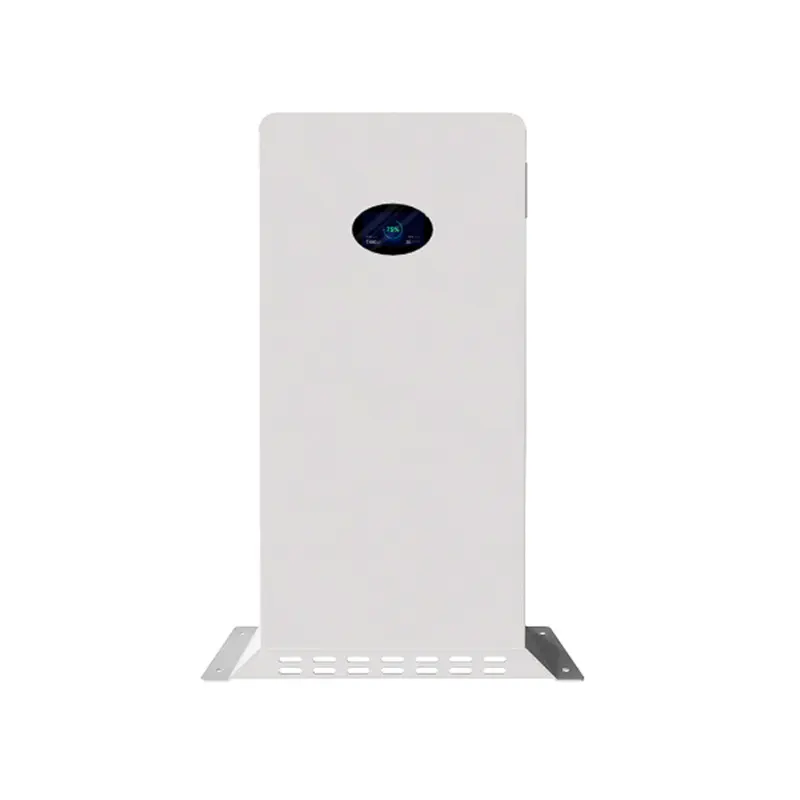
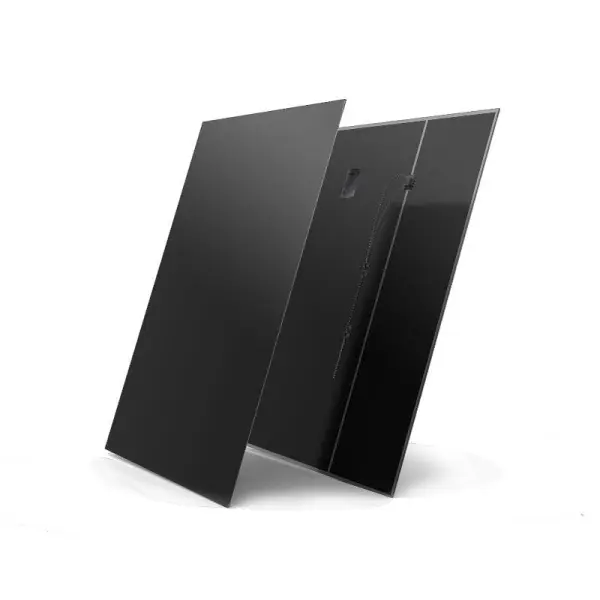
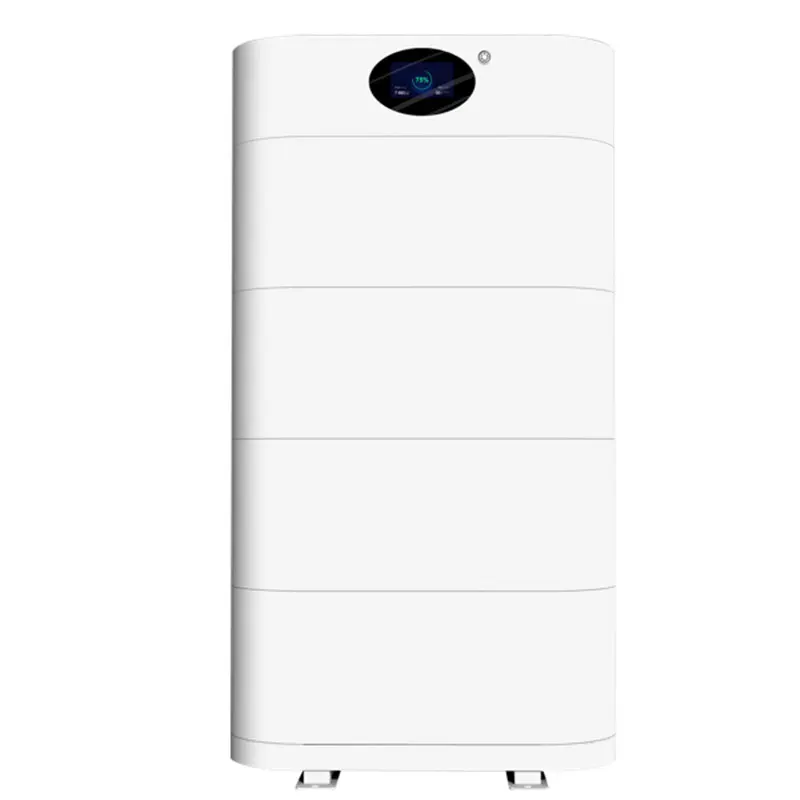
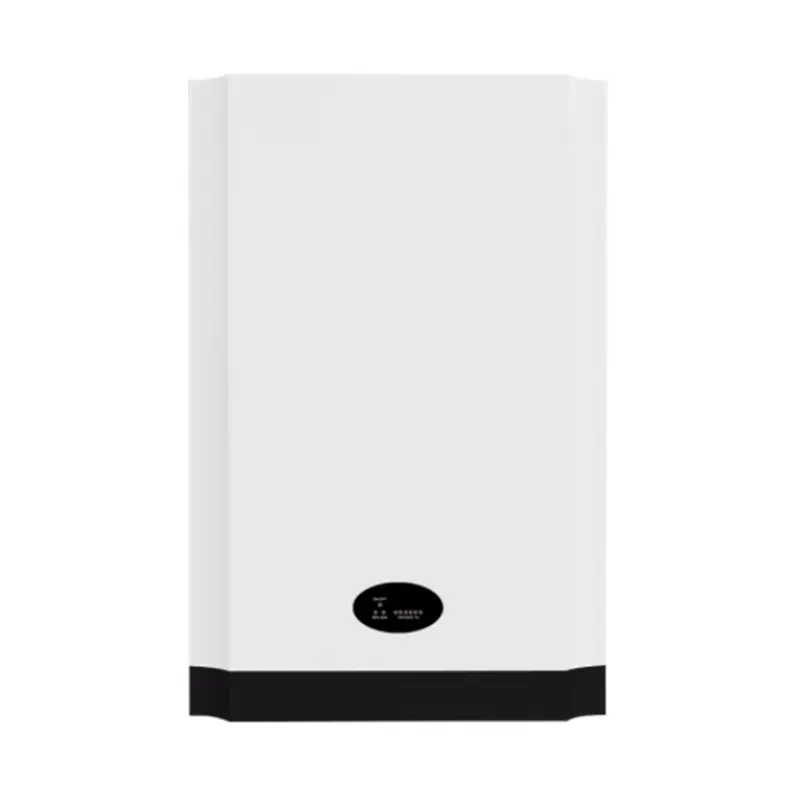
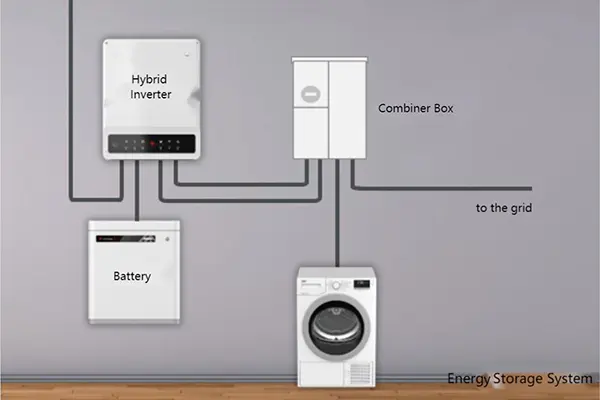
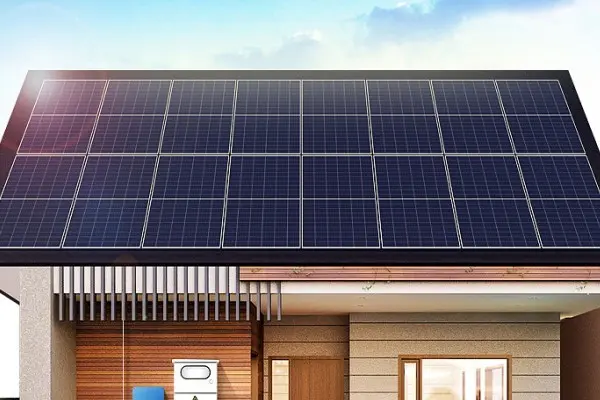
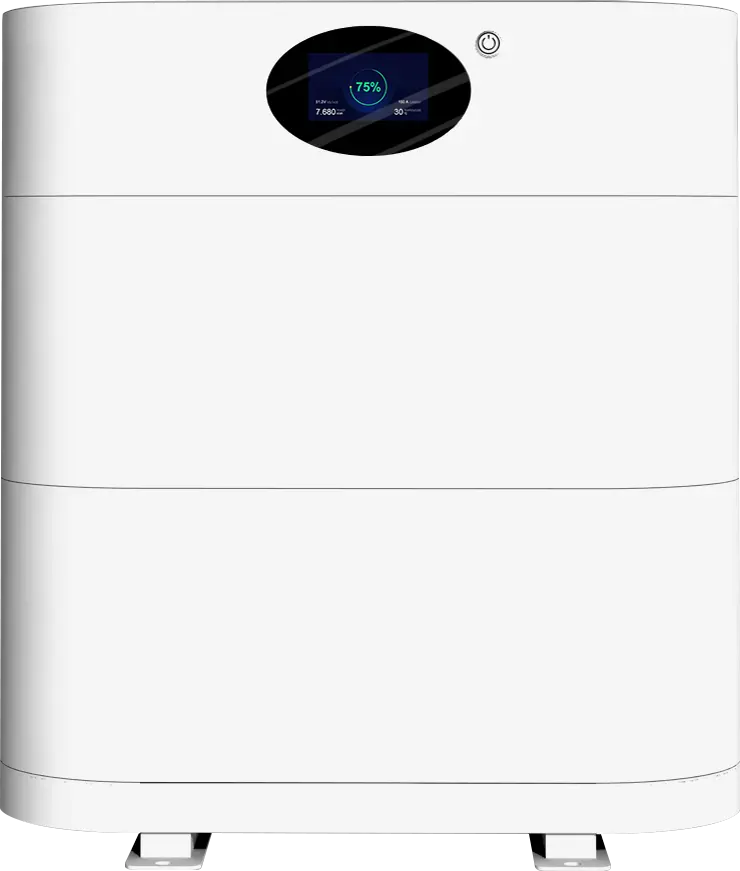
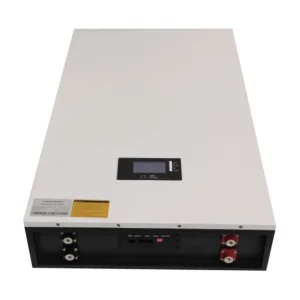
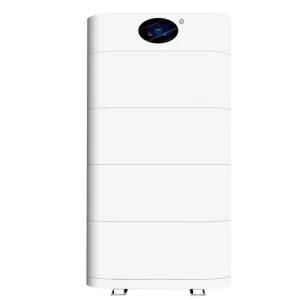
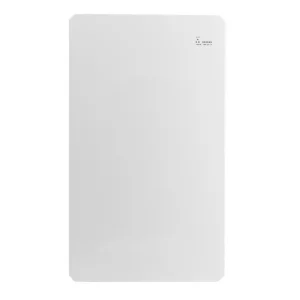
Explore our foundational range of Tier-1 lithium batteries and system components designed for maximum efficiency and longevity.
Comprehensive technical and strategic evaluation of lithium-ion systems for residential, C&I, and utility applications.
In modern Energy Storage Systems (BESS), the choice of electrochemistry defines the return on investment, safety margin, and operating constraints. Historically, various battery chemistries competed for market share, but Lithium Iron Phosphate (LiFePO4 or LFP) has emerged as the definitive standard for stationary solar applications. LFP batteries offer an optimal balance of safety, thermal stability, longevity, and environment-friendliness.
The core of LFP's technological superiority lies in its olivine crystal structure. Unlike Lithium Nickel Manganese Cobalt Oxide (NMC) batteries, which feature a layered oxide structure vulnerable to thermal runaway at lower threshold temperatures (typically around 210°C), LFP cells do not experience structural breakdown until they exceed 270°C. This high limit makes LFP virtually immune to catastrophic combustion and thermal runaway propagation in tightly packed battery cabinets.
Furthermore, LFP's chemical structure eliminates toxic heavy metals such as Cobalt and Nickel. This simplification streamlines end-of-life recycling and complies with strict European RoHS standards, while mitigating geopolitical supply-chain risks.
For international procurers, sourcing commercial-grade lithium-ion batteries is a complex task involving supplier evaluation, capacity validation, and quality control. Global demand for solar energy storage systems is surging across Europe, North America, Southeast Asia, and Africa.
Industrial EPCs (Engineering, Procurement, and Construction contractors) and wholesale distributors prioritize several key requirements when selecting battery manufacturers:
Distinguishing between Grade-A cells (which feature verified capacities, internal resistance parameters, and zero physical defects) and Grade-B cells is critical. Leading manufacturers provide verifiable testing data for every batch shipped.
Modern batteries must seamlessly communicate with mainstream hybrid inverters (such as Deye, Victron, Growatt, SMA, and GoodWe) via CAN and RS485 communication protocols.
Given that lithium batteries are classified as Class 9 Dangerous Goods, vendors must supply comprehensive UN38.3 test reports, Material Safety Data Sheets (MSDS), and sea/air transport certification to guarantee smooth customs clearance.
Understanding Levelized Cost of Storage (LCOS) is vital. Buyers are moving away from looking only at upfront capital expenditure (CapEx) to calculating LCOS over the system's lifetime. A cheaper battery that degrades within 2,000 cycles results in a far higher LCOS than a high-quality LFP battery that lasts 6,000 cycles.
In C&I applications, energy storage demands range from tens of kilowatt-hours to several megawatt-hours. The architectural approach must be modular, scalable, and easy to maintain.
Key C&I application profiles include:
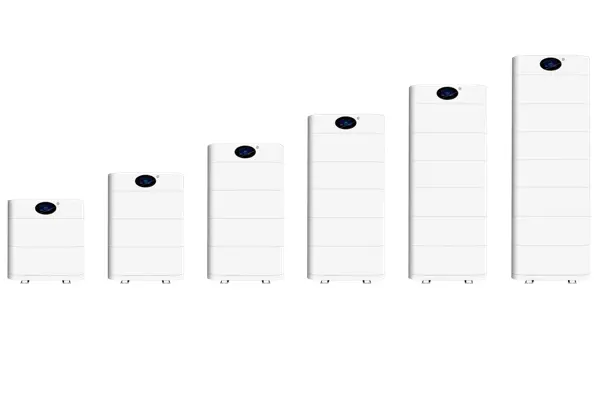
High-voltage stackable designs are increasingly popular for these applications. By connecting battery modules in series rather than parallel, system voltages can exceed 400V DC. This reduction in system current minimizes cable losses, simplifies wiring, and increases round-trip efficiency.
A lithium-ion battery system is only as good as its Battery Management System (BMS). The BMS acts as the brain of the storage system, monitoring cell-level data and making real-time adjustments to ensure safety and longevity.
A premium industrial BMS manages:
The energy storage industry is rapidly evolving. While LFP remains the current market leader, research and development are driving new technologies that will shape the next decade of energy storage.
Sodium-ion batteries are emerging as a promising alternative for stationary applications. Sodium is abundant and inexpensive, making it a highly cost-effective option. While sodium-ion cells currently have a lower energy density than lithium-ion, their excellent low-temperature performance and safety characteristics make them ideal for harsh environments.
Solid-state battery research is also progressing. By replacing the liquid electrolyte with a solid alternative, these batteries offer even higher energy densities and safety levels. However, manufacturing challenges must be resolved before solid-state technology can be deployed at utility scale.
Operating energy storage systems safely requires adherence to strict international certification frameworks. For projects to receive financing and insurance coverage, BESS equipment must meet several key standards:
We provide cleaner energy for a greener world.

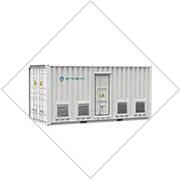

Established in 2019, headquartered in Xiamen, China, Elemro Energy has been specialized in new energy storage and electrical product solutions with rich experience. It is the market leader in the new energy industry that unifies R&D, production, and sales. The products have been sold to more than 250 customers in Europe, Southeast Asia, Africa, Mid-east, America, etc. Since its establishment, ELEMRO’s revenue has been growing rapidly every year. ELEMRO’s annual turnover is expected to exceed 50 millions USD in year 2023.
Start a green and convenient life with Elemro Energy.
Technical answers to common inquiries regarding lithium-ion batteries for solar energy storage systems.
Reliable commercial solar infrastructure components, engineered to meet strict utility requirements.





 Elemro Energy