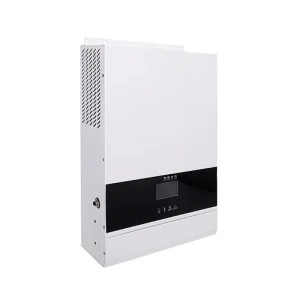
Explore our high-performance LiFePO4 battery architectures designed to guarantee safety, maximize round-trip efficiency, and secure decade-long operational stability.
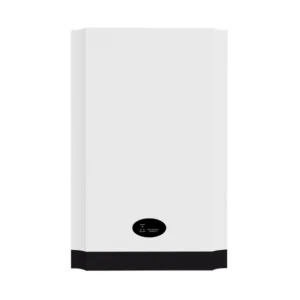
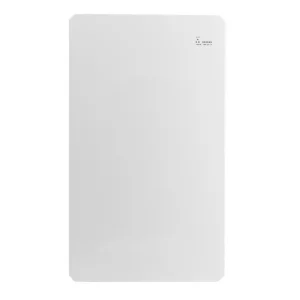
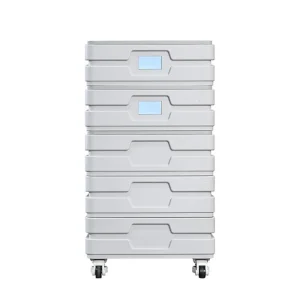
As the international community accelerates toward Net-Zero carbon emissions target dates, the stability of electrical grids depends heavily on efficient, robust, and safe energy storage systems. Solar power generation, while clean and increasingly cost-competitive, is inherently intermittent. To capture the full economic value of solar assets, advanced chemical energy storage is no longer optional—it is a critical infrastructural pillar.
Lithium Iron Phosphate (LiFePO4) has emerged as the definitive global standard for stationary energy storage applications. Compared to Nickel Manganese Cobalt (NMC) chemistries, LiFePO4 offers unparalleled advantages. The intrinsic chemical structure of LiFePO4 features a strong, three-dimensional olivine crystal lattice with covalent P-O bonds. This atomic configuration makes LiFePO4 virtually immune to the risk of structural collapse and the thermal runaway events associated with high-oxygen-releasing chemistries under thermal or mechanical stress.
From an economic standpoint, the Levelized Cost of Storage (LCOS) of LiFePO4 is significantly lower. Capable of executing over 6,000 charge-discharge cycles at a Depth of Discharge (DoD) of 80% while retaining more than 80% of its initial capacity, LiFePO4 batteries deliver a service life exceeding 15 years in typical operational cycles. This longevity translates directly into minimized capital expenditure (CapEx) amortized over the system life cycle, providing maximum financial security for commercial, industrial, and residential developers.
A data-backed review of why global EPCs prefer LiFePO4 for renewable storage systems over other major secondary battery types.
| Specification Parameter | LiFePO4 (LFP) | NMC (Lithium-Cobalt) |
|---|---|---|
| Thermal Runaway Threshold | 270°C – 300°C | 210°C – 220°C |
| Cycle Life (80% DoD) | 6,000+ Cycles | 1,500 – 2,500 Cycles |
| Raw Material Toxicity | Eco-Friendly / Non-toxic | High (Contains Cobalt) |
| Levelized Cost of Storage (LCOS) | Highly Economical | Moderate to High |
| Calendar Life | 15+ Years | 8 – 10 Years |
*Source: ELEMRO Energy internal research and comparison data. Note the significant safety overhead and lifecycle gains of the LFP chemistry.
Established in 2019 and headquartered in the technological hub of Xiamen, China, ELEMRO Energy operates as a unified R&D, production, and distribution pioneer in the high-capacity storage landscape. Our commitment to high quality translates into robust global partnerships and rapid financial growth.
ELEMRO Energy is dedicated to delivering turnkey electrical storage solutions. We run continuous material analysis, structural optimization, thermal runaway hazard simulations, and long-term degradation stress testing. Our production framework complies with rigorous quality control standards, ensuring that every cell, module, and container unit leaving our Xiamen factory operates safely, efficiently, and predictably in challenging industrial climates globally.
From residential backup to utility-scale grid regulation, ELEMRO Energy develops specialized battery topologies suited to micro and macro energy markets.
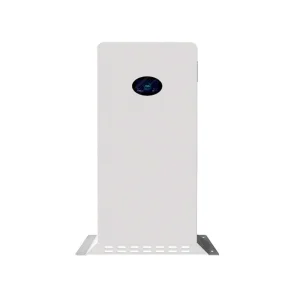
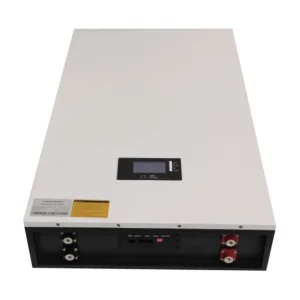
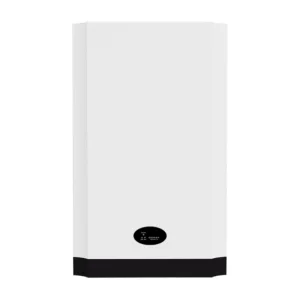
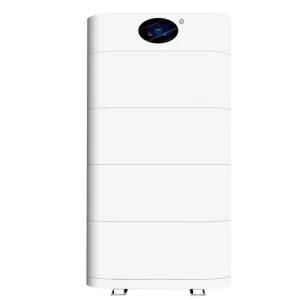
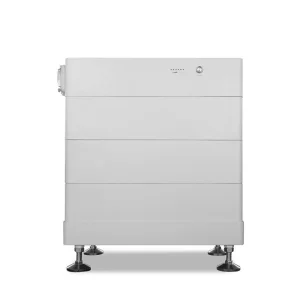
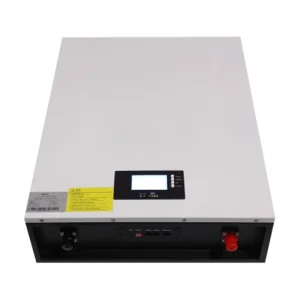
Optimize domestic solar yield with Elemro WHLV wall-mounted or high-voltage stacked setups. These systems store excess daytime generation, mitigating rising peak-hour utility tariffs and offering instantaneous back-up during grid dropouts.
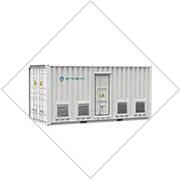
For industrial operators, electricity costs are dictated by peak demand charges. Our scalable battery banks help smooth demand curves, reduce stress on localized transformer nodes, and lower monthly distribution fees.
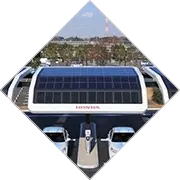
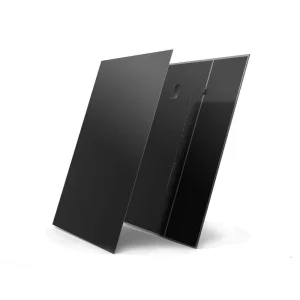
Using advanced Cadmium Telluride (CdTe) Thin Film Solar Cells, we build modern Building Integrated Photovoltaics (BIPV). These structural glass elements double as clean energy generators, providing a double-dividend of architectural appeal and operational autonomy.
We provide cleaner energy for a greener world through balanced infrastructural and design integration.
Our ongoing R&D efforts center on improving battery density, optimizing battery intelligence, and promoting life-cycle sustainability.
While LiFePO4 remains the most viable active chemistry today, our labs are testing solid-state alternatives. By replacing organic liquid electrolytes with high-conductivity solid matrices, future storage cells will increase volumetric energy density by over 40% while mitigating the remaining minimal risk factors associated with mechanical cell puncture.
Our roadmap envisions integrating these solid-state features into high-voltage stacked topologies, minimizing system footprint and simplifying thermal management structures.
Tomorrow's energy systems must talk to smart grids. ELEMRO is developing cloud-connected Battery Management Systems (BMS) that monitor cell degradation via real-time telemetry. AI models process SoC (State of Charge) and SoH (State of Health) variables to adjust balancing currents dynamically.
This active balancing limits localized stress, extends life expectancy, and informs facility operators of diagnostic flags long before physical problems occur.
Stay informed with technical deep-dives and market perspectives curated by our internal engineers and system architects.
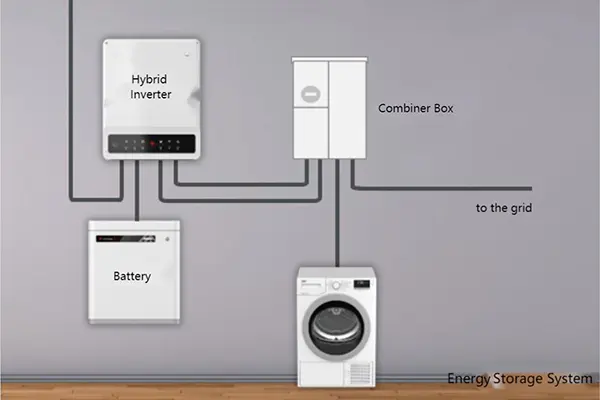
An analysis of inverter topology, conversion losses, and safety parameters for contemporary residential PV systems.
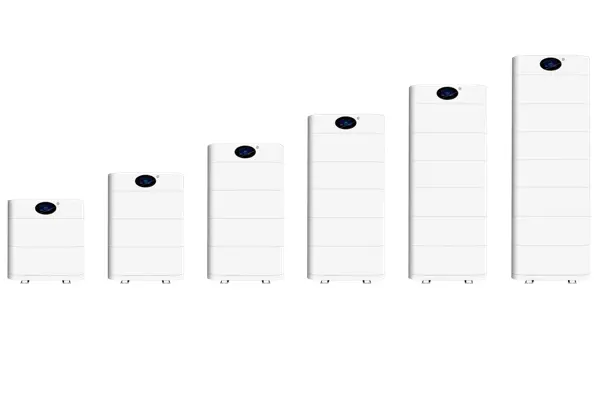
Comparing cycle life, thermal limits, resource sourcing, and ecological impacts of lithium-ion variants.
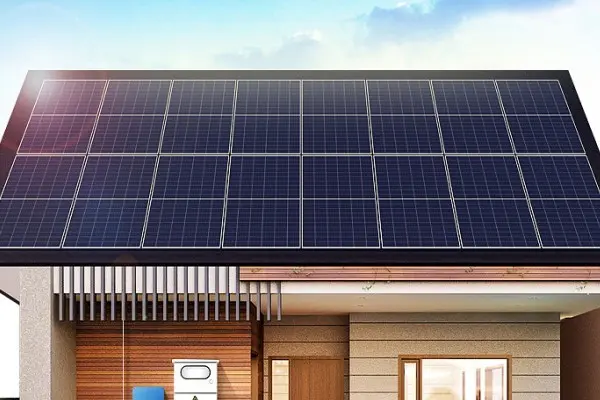
A look at operational parameters, charging rates, and environmental conditions across commercial storage models.
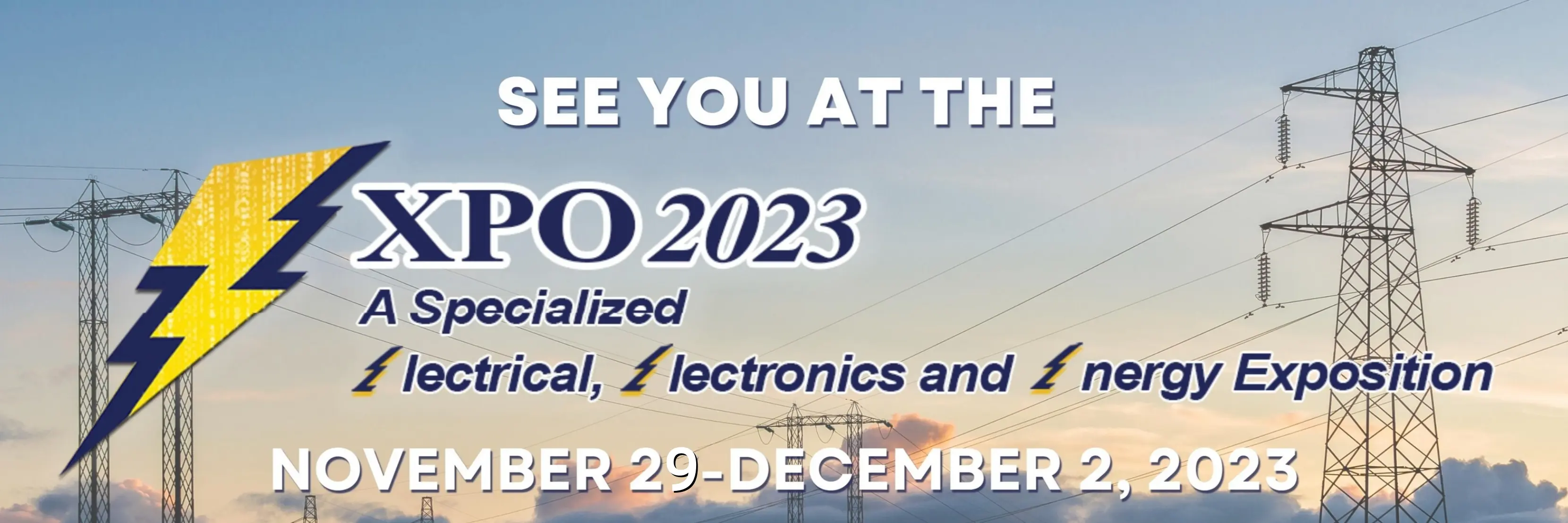
ELEMRO Energy showcases high-voltage stacked residential models at Southeast Asia's clean tech exposition.
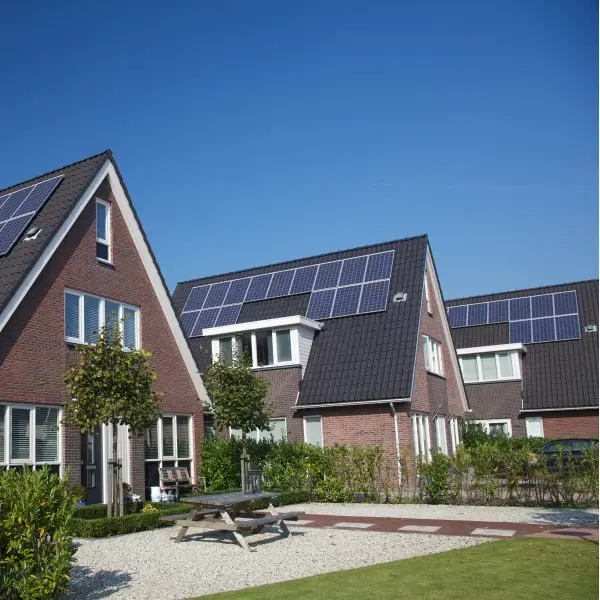
Evaluating monocrystalline, polycrystalline, and CdTe thin-film application scenarios in harsh high-temp environments.
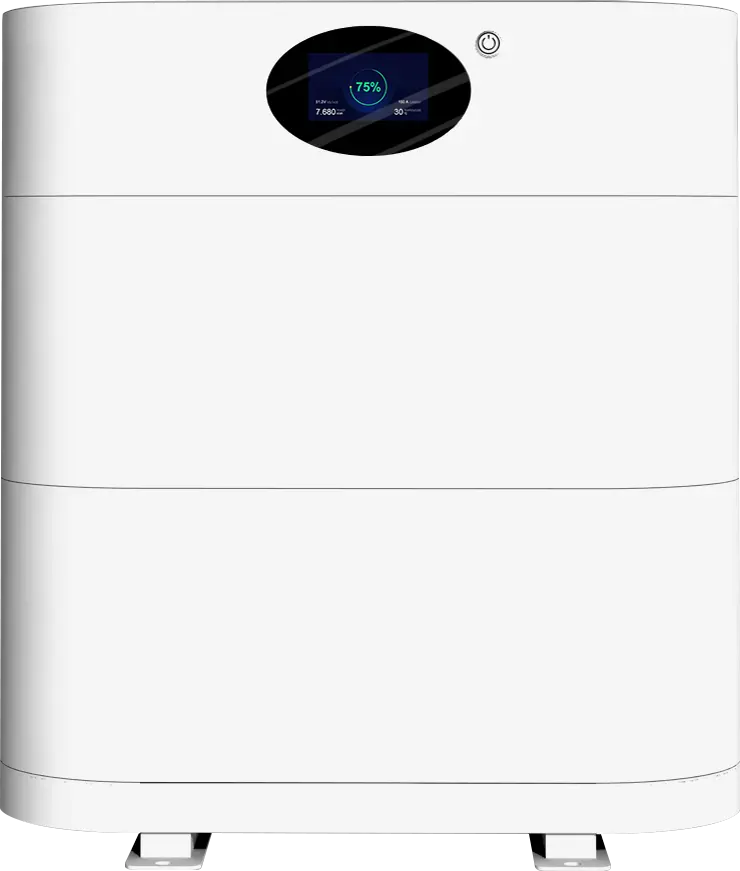
A detailed look at modular configurations, self-heating systems, and integrated protective circuits.
Find engineering and operational details regarding our modular LiFePO4 storage solutions.
Our premium LiFePO4 cells are rated for >6,000 charge-discharge cycles at 80% Depth of Discharge (DoD) at a nominal 0.5C operating rate. In typical residential environments, this corresponds to approximately 15 to 20 years of active operational service before the battery storage capacity drops to 80% of its initial nominal state.
ELEMRO systems feature integrated thermal sensors and optional automatic internal heating elements. If temperature sensors detect sub-zero temperatures (below 0°C), the system can cycle energy to heat cells before accepting input charging. This prevents lithium plating and structural degradation of the anode during winter environments.
Yes. ELEMRO storage solutions support multiple communication protocols, including CAN, RS485, and RS232. This enables plug-and-play integration with mainstream inverters from manufacturers like SMA, Growatt, Deye, Victron, and GoodWe.
All products undergo intensive safety certification processes. Our batteries hold certifications including UN38.3 (logistics and vibration safety), IEC 62619 (industrial lithium battery safety), CE, and conform to UL 1973 standards for stationary energy storage.
Get in touch with an ELEMRO system architect to discuss sizing, pricing, and container layout configurations. We reply within 24 hours.
Inquiry For PricelistFrom thin-film solar generation elements to battery arrays and power conversion hardware, view our full product ecosystem.




 Elemro Energy